Why Small Seasonal Family Rituals Often Stay With Children for Years
- April 14, 2026
- 0
We all have strong memories of holidays and big life events. But experts in how children grow and how families get along say that the little things we
We all have strong memories of holidays and big life events. But experts in how children grow and how families get along say that the little things we
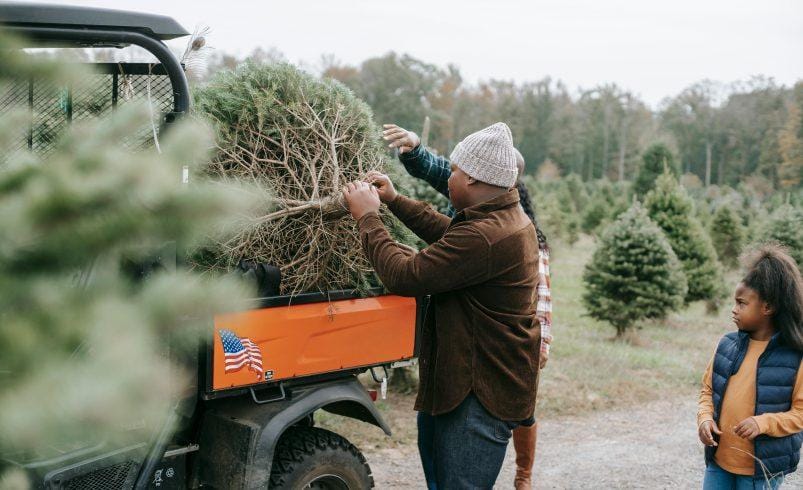
We all have strong memories of holidays and big life events. But experts in how children grow and how families get along say that the little things we do with the seasons can be equally important over the years. A first picnic in spring, an evening stroll in summer, going to see fall leaves, or baking during the winter – these might not seem like a lot at the time. But it’s surprising how often these things we do over and over again become really significant emotional memories from childhood. What makes them special is doing them repeatedly, how comfortable they are, and how they link your family’s life to the changing of the year.
Lots of families think something has to be big, cost a lot of money, or be something you’d easily recall to be a proper tradition. Actually, kids will often get a deep feeling of importance from experiences that happen around the same time of year and are emotionally safe. A small seasonal activity, done regularly, can gradually but powerfully affect how a child understands what it means to be part of a family, how time passes, and their family’s identity throughout their life.
Adults and kids don’t think of the year in terms of dates on a calendar in the same way. Children usually get a sense of the year passing from how things feel and what happens to their senses. Things like flowers appearing, warm evenings, leaves falling, mornings getting cold, and being on school vacation all tell a child that time is going on. And if a family does something special each time the seasons shift, the child will start to associate the time of year with that specific, comfortable thing they do.
Experts on families frequently say that doing the same thing over and over like this really gives the year a certain emotional feeling. Kids then start looking forward to the season, but also the family traditions that come with it. This can help them grasp time better and feel more that it’s linked to their family and what happens at home.
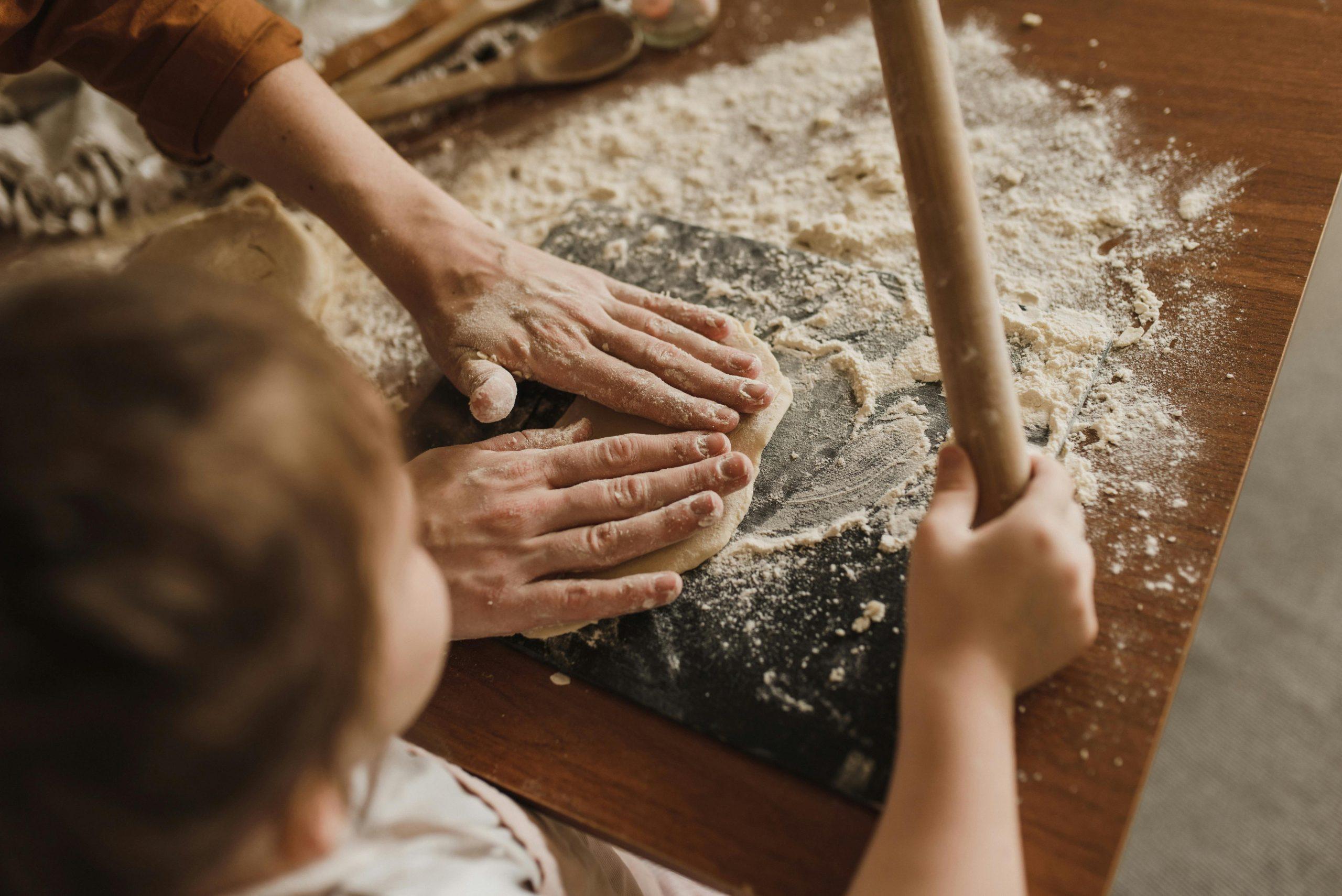
Large events may stand out because they are dramatic, but smaller repeated rituals often become meaningful through return. A child who helps plant flowers every spring or drinks hot cocoa after the first cold walk of winter may not think of the activity as extraordinary in the moment. Over time, however, that repeated experience can become one of the clearest emotional signatures of the season.
Family relationship guidance often suggests that repeated experiences matter because they create dependable memory patterns. Each return strengthens the feeling that this is something the family does together. In many cases, that dependable repetition becomes more meaningful than a one-time event that never settles into family life again.
Credit: Pexels / Arina Krasnikova
Children often respond well to experiences that are predictable enough to feel safe. A small seasonal ritual usually carries less pressure than a major celebration or crowded outing. Because the activity is familiar and manageable, children may relax more fully into it. That emotional ease often makes the experience more memorable than adults expect.
Development specialists frequently note that emotional safety supports connection. When children know what the activity feels like and what their part in it is, they often participate more openly. In this way, the smaller scale of the ritual can actually make it more powerful over time.
Families show who they are, not just with the things they believe and the things they do regularly, but by doing the same things together over and over. If a family always goes to a particular path in the fall, plants herbs in the springtime, looks at the sunset during summer, or cooks a specific dish in the winter, they’re forming a sort of signature. Kids start to see this as just how things are in their family.
Psychologists who study families frequently refer to these habits as rituals and as being a part of a family’s common way of life. Kids might not say it in those terms, but they absolutely get the vibe. Eventually, these regular times of the year turn into how children see their role in the family and what being a family member really means in their normal, daily existence.
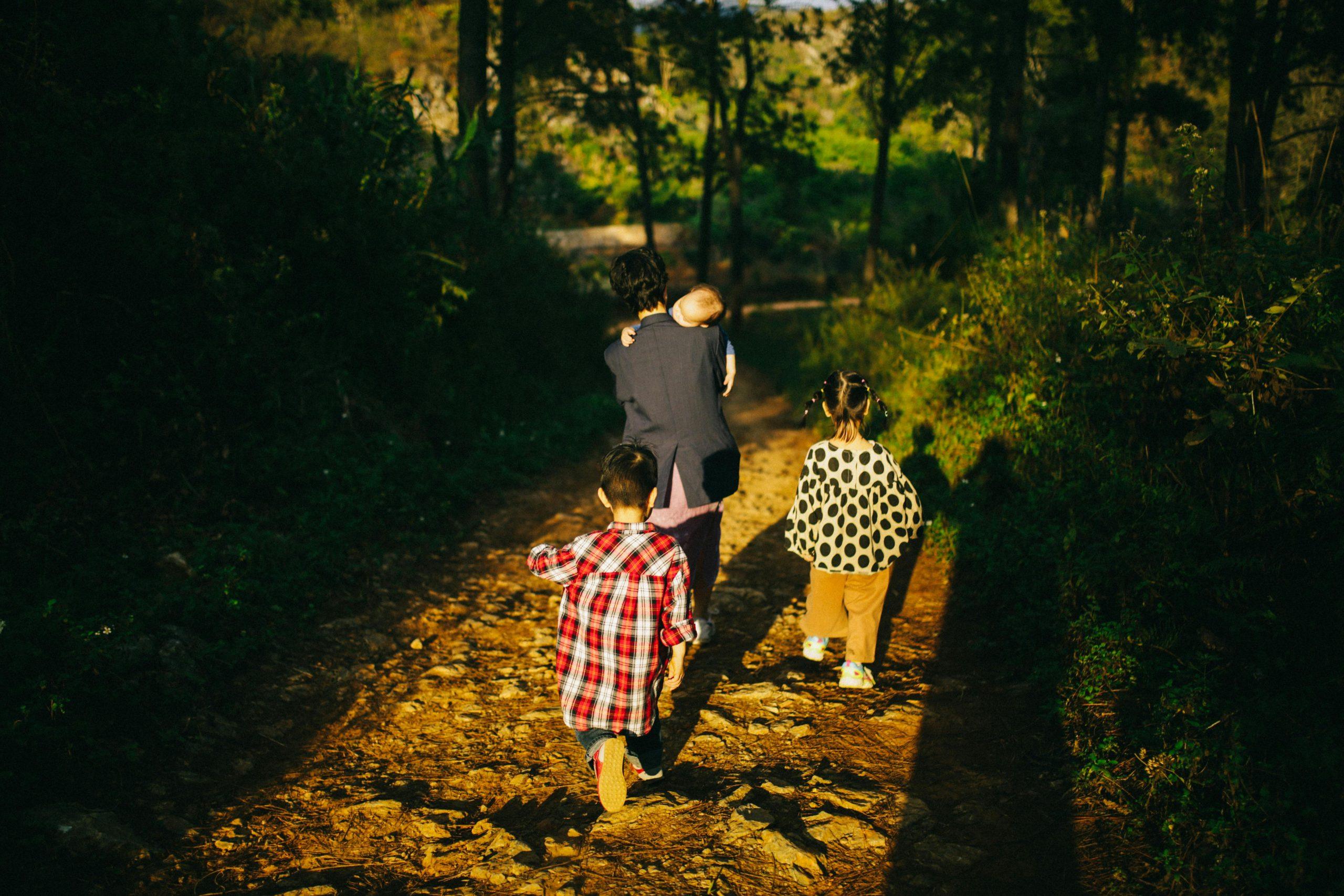
When adults think about traditions, they often focus on what the family did. Children are often more likely to remember how it felt. A seasonal ritual may stay vivid because it felt warm, calm, playful, cozy, or exciting in a familiar way. The emotional atmosphere becomes part of the memory.
This is one reason simple rituals can stay powerful for years. The activity itself may be modest, but the repeated feeling attached to it helps it stay rooted in memory. Children frequently carry these emotional impressions into later life even when the details become less sharp.
Credit: Pexels
These rituals are valuable, in part, because they’re much less of a struggle to do regularly compared to huge schemes. A quick walk, a basic hobby, the same dinner, or a place you often go with the family are generally much more likely to continue when life gets hectic and everyone is busy, rather than complicated traditions. They come back next time around because they actually work with how life is.
People who understand family patterns frequently say that traditions gain importance from being something a family can actually continue to do. The ritual doesn’t have to be something spectacular to go on and on. A lot of the time, the fact that it does go on and on is precisely why it’s important to a family.
Busy family life can make connection feel scattered unless it is tied to something visible and repeated. Seasonal rituals help by placing small points of togetherness throughout the year. Each one creates a familiar moment of return, giving children repeated evidence that family life includes shared time that can be counted on.
Over time, these smaller moments often become some of the strongest emotional threads in childhood memory. They connect family life to the seasons in a way that feels both ordinary and lasting. In many homes, that quiet repetition is exactly what gives the ritual its lasting power.
Small seasonal family rituals often stay with children for years because they connect time, belonging, and repeated emotional experience in a simple and memorable way. These rituals do not need to be elaborate to matter. Their meaning usually grows through return, familiarity, and the feeling they create across the year. In many families, small seasonal traditions become some of the strongest and most lasting parts of childhood memory.