A night before routine can make school mornings easier because many of the hardest morning problems start the evening before. Missing shoes, unsigned papers, unpacked bags, and last-minute clothing decisions often create stress before the day has fully started. A simple routine in the evening can reduce that pressure and help the whole household begin the next day with less confusion.
Family organization experts often explain that school mornings usually feel hard when too many decisions are left for the busiest part of the day. Children are still waking up, adults are watching the clock, and small mistakes feel bigger under time pressure. A strong night before routine helps families move some of that mental work into a calmer part of the day.
Why a night before routine makes school mornings easier
School mornings often fall apart because several small tasks compete for attention at once. Children need clothing, shoes, bags, lunch items, papers, and reminders, while adults often manage work schedules, transportation, and breakfast at the same time. Even one missing item can slow everything down.
Home routine specialists often note that a night before routine makes school mornings easier by lowering the number of decisions people must make while already rushed. When the essentials are prepared earlier, the morning becomes more about following a pattern than solving problems in real time.
How evening preparation reduces morning stress
Evening preparation changes the tone of the next day because it turns urgent tasks into predictable steps. A backpack packed at night does not need to be hunted down at the door. Clothing laid out in advance reduces negotiation when time is short. A paper signed before bed does not become a crisis at breakfast.
Family wellness professionals often explain that lowering morning stress benefits children as well as adults. Children often cooperate better when the environment feels calmer. A smoother start to the day can improve school readiness, emotional regulation, and overall family communication.
Step 1: Pick one time for the night before routine
The routine usually works best when it happens at about the same time each school night. In many homes, this may be after dinner, after homework, or shortly before the bedtime routine begins. The exact time matters less than making it consistent enough to become familiar.
Experts in family routines often recommend choosing a time that fits real household energy. If the routine starts too late, children may already be tired and less cooperative. A night before routine is easier to keep when it happens before the evening feels rushed or overly quiet.
Step 2: Make school bags part of the night before routine
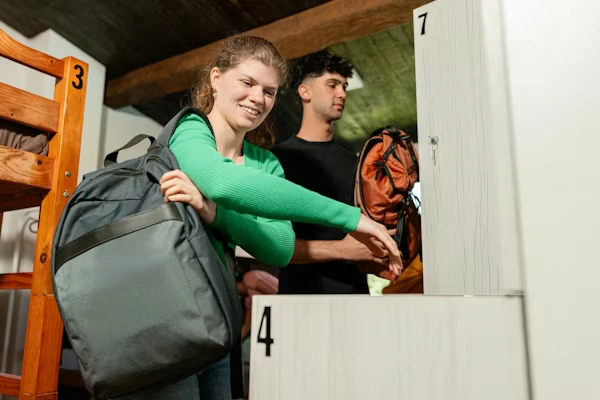
Backpacks often create more morning trouble than adults expect. Papers stay on tables, books remain in the wrong room, and lunch items never make it into the bag. Packing the bag the evening before usually reduces forgotten items and makes the school morning routine much more manageable.
School support professionals often explain that children usually do better when they handle as much of the bag routine as possible themselves, with adults checking only what still needs support. This helps build independence while still protecting the flow of the morning.

Credit: A. C. / Unsplash
Step 3: Lay out clothes to reduce morning decisions
Clothing decisions can take much more time than adults expect, especially when children are tired, picky, or not yet fully awake. Laying out clothes the night before helps remove one early point of conflict. It also gives families time to notice whether something is clean, missing, or not suitable for the next day.
Child development experts often note that children usually handle routines better when fewer choices are left for rushed moments. Clothing prepared in advance often supports smoother follow-through and less emotional resistance in the morning.
Step 4: Give shoes, coats, and daily items one clear place
A night before routine becomes much more useful when daily items have obvious homes. Shoes by the door, coats on hooks, lunch boxes in one spot, and water bottles ready to go often prevent last-minute searching. Small systems around the exit point can protect the morning from repeated delays.
Home organization experts often explain that routines work best when the environment supports them. Families should not need to remember everything from scratch each morning. A setup that makes items easy to see and reach often reduces stress more than reminders alone.
Step 5: Check papers and special school needs during the night before routine
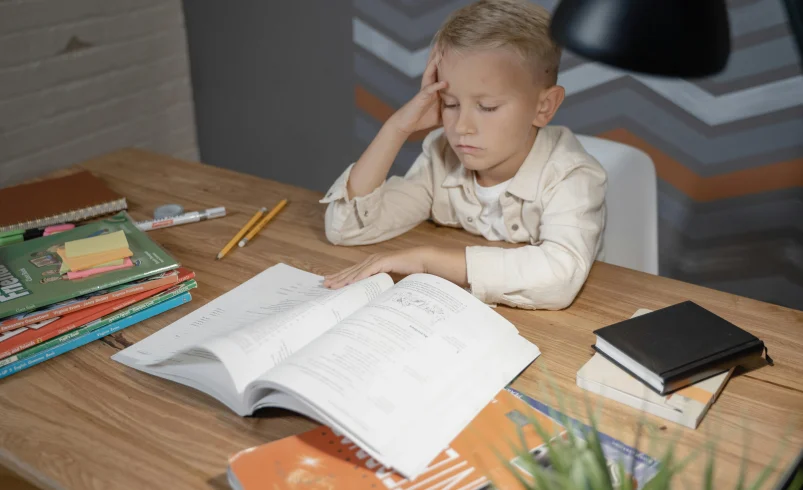
Many school morning problems come from papers that were never reviewed the evening before. Permission slips, reading logs, sports clothes, library books, and project supplies often need attention before the next day begins. A short paper check can prevent bigger problems later.
Experts in school organization often note that this part of the night before routine does not need to be long. It only needs to be regular enough that families stop finding important papers at the worst possible time. A few minutes of evening preparation often prevent much more stress later.
Step 6: Keep the night before routine short enough to repeat
The best routine is often shorter than families first imagine. A routine that takes too long may feel hard to maintain on busy nights. In many homes, ten to fifteen minutes is enough to reset the essentials. A short routine is usually easier to repeat and easier for children to accept.
Family therapists often explain that routines are most helpful when they feel realistic. A smaller routine that happens most evenings usually works better than a large ideal plan that only happens once or twice a week.
What often weakens a night before routine
The night before routine often becomes less effective when it starts too late, includes too many steps, or depends entirely on one adult remembering everything. It can also weaken when school items do not have clear homes or when the evening is already overloaded with activities and screens.
Family organization professionals often recommend watching which part of the morning keeps going wrong and fixing that part first. If shoes are always missing, the routine should focus on shoes. If papers are the problem, paper handling should move higher in the evening plan. Targeted changes usually help more than broad frustration.
Credit: Brooke Cagle / Unsplash
How families can build a better night before routine over time
Most families do not need to build the full routine all at once. It often helps to start with one or two steps that solve the biggest morning problem, then expand later. A family might begin with backpack packing and clothes, then add shoes, papers, or lunch preparation after the first steps feel more natural.
Experts in home routine planning often note that progress becomes visible when mornings feel slightly calmer, even before everything is perfect. Over time, a repeated night before routine can change the emotional tone of school mornings and help the whole household feel more prepared.
Frequently Asked Questions
Q: What is a night before routine for school mornings?
A: A night before routine is a short evening preparation habit that helps families get school items, clothes, and important tasks ready before the morning rush begins.
Q: Why does a night before routine make school mornings easier?
A: A night before routine makes school mornings easier by reducing last-minute decisions, forgotten items, and the stress of handling too many tasks at once.
Q: What should families include in a night before routine?
A: Many families include backpack packing, clothing setup, paper checks, and placing shoes and coats in a clear ready spot.
Q: How long should a night before routine take?
A: In many homes, a useful night before routine only takes about ten to fifteen minutes when it stays focused on the most important school morning needs.
Key Takeaway
A night before routine can make school mornings easier by moving key decisions and preparation into a calmer part of the day. Packing bags, laying out clothes, checking papers, and setting daily items in one place often reduces confusion and morning stress. Families usually make the most progress when the routine stays short and realistic enough to repeat often. Over time, a simple night before routine can make mornings feel more organized and much less rushed.