


Blog

  • 7 Emotional Milestones Parents Often Notice in Early Childhood

    7 Emotional Milestones Parents Often Notice in Early Childhood

    As children grow up, the points in their emotional lives that they reach are important for parents to see; they show how kids start to share what they are feeling, how they begin to trust, and how they react to the people they know. And how well a child’s emotions are developing is a big factor in their behaviour, their ability to learn, and their relationships with family and at school. If you have a better idea of how these changes happen, you’ll likely be more patient and sure of yourself with your family.

    Experts in how children grow tend to say emotional development isn’t a simple, single progression. Some kids can manage their behaviour well from a young age, but others will need longer and a lot of help. That said, a lot of emotional steps during early childhood do follow patterns, and parents can often see these patterns in what happens every day.

    Why emotional milestones in early childhood matter for daily family life

    How children develop emotionally is what determines how they deal with stressful situations, being soothed, boundaries, and anything being different. When a little one can say they’re sad or feels pleased with something they’ve done, they’re growing abilities that will help them figure things out as they get older. These little interactions might not seem like much, but they are what healthy ways of getting along with others are built on.

    And, as experts in how kids grow, emotional abilities affect sleep, how they are at mealtimes, their play, and if they’re ready for school. Kids who are safe and feel as though someone understands them will bounce back from being frustrated at a faster pace. It isn’t to say they won’t have strong emotions. It’s that they gradually discover how to deal with those emotions.

    Recognizing attachment and comfort-seeking in child development

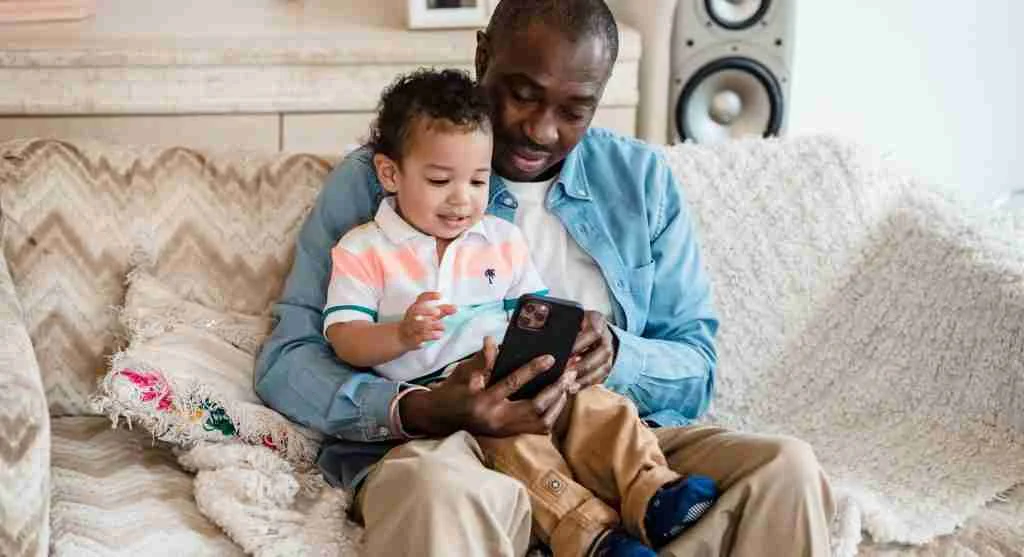
    Very early in learning to handle feelings, little kids try to find someone to make them feel better. When babies or toddlers are tired, frightened or simply too much to handle, they will typically go to someone they know well. This is perfectly normal for a child to do, and it isn’t something to be ashamed of. It means the child has figured out who they can rely on to be safe.

    As they get a little older, kids get over upsets more quickly when they’re soothed. They might still be tearful or complain, but how they get themselves together is more sensible. Therapies for the whole family often show this is a way children build up their ability to bounce back. Because children believe someone has their back, they feel brave enough to go and do things, and to investigate the world around them.

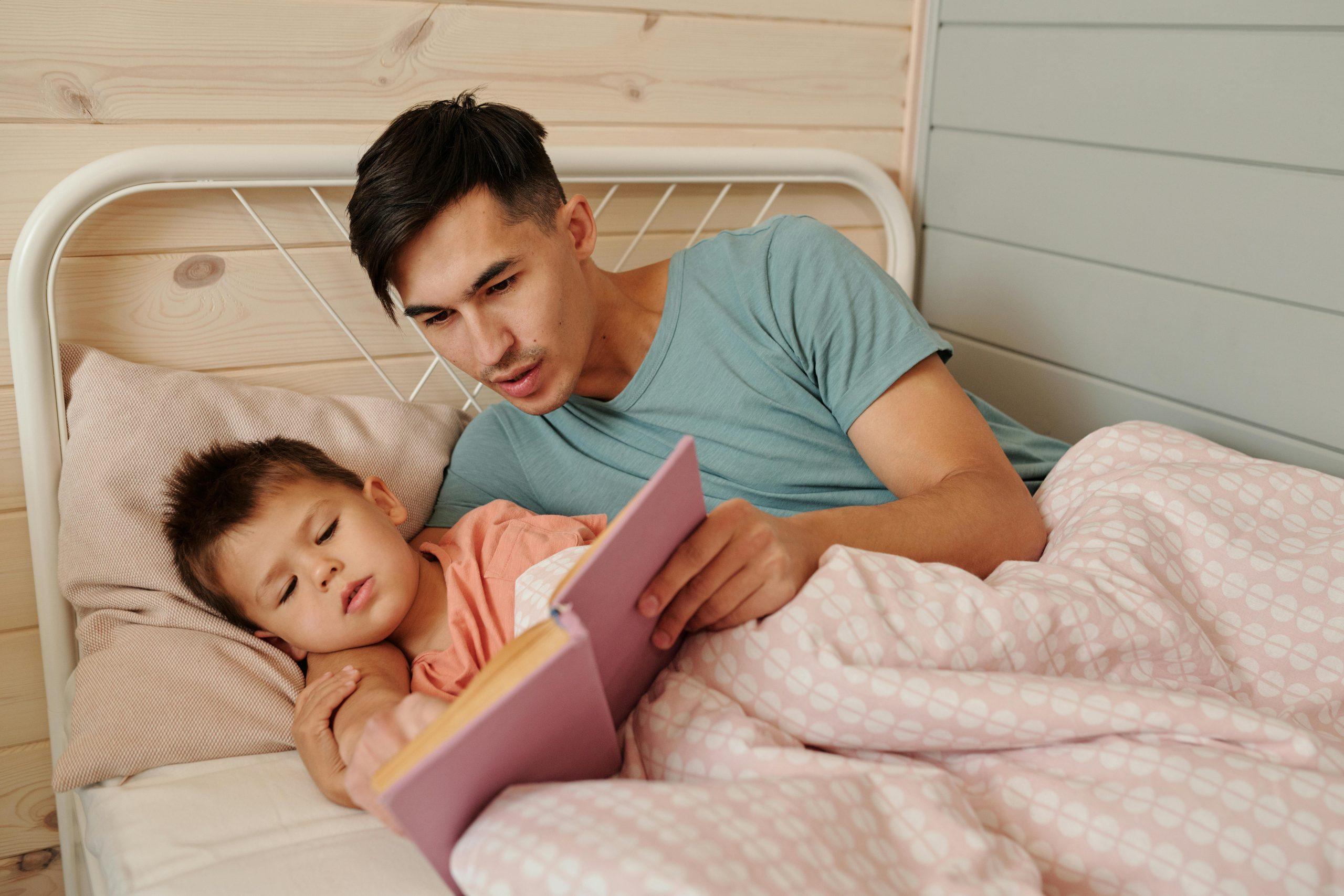
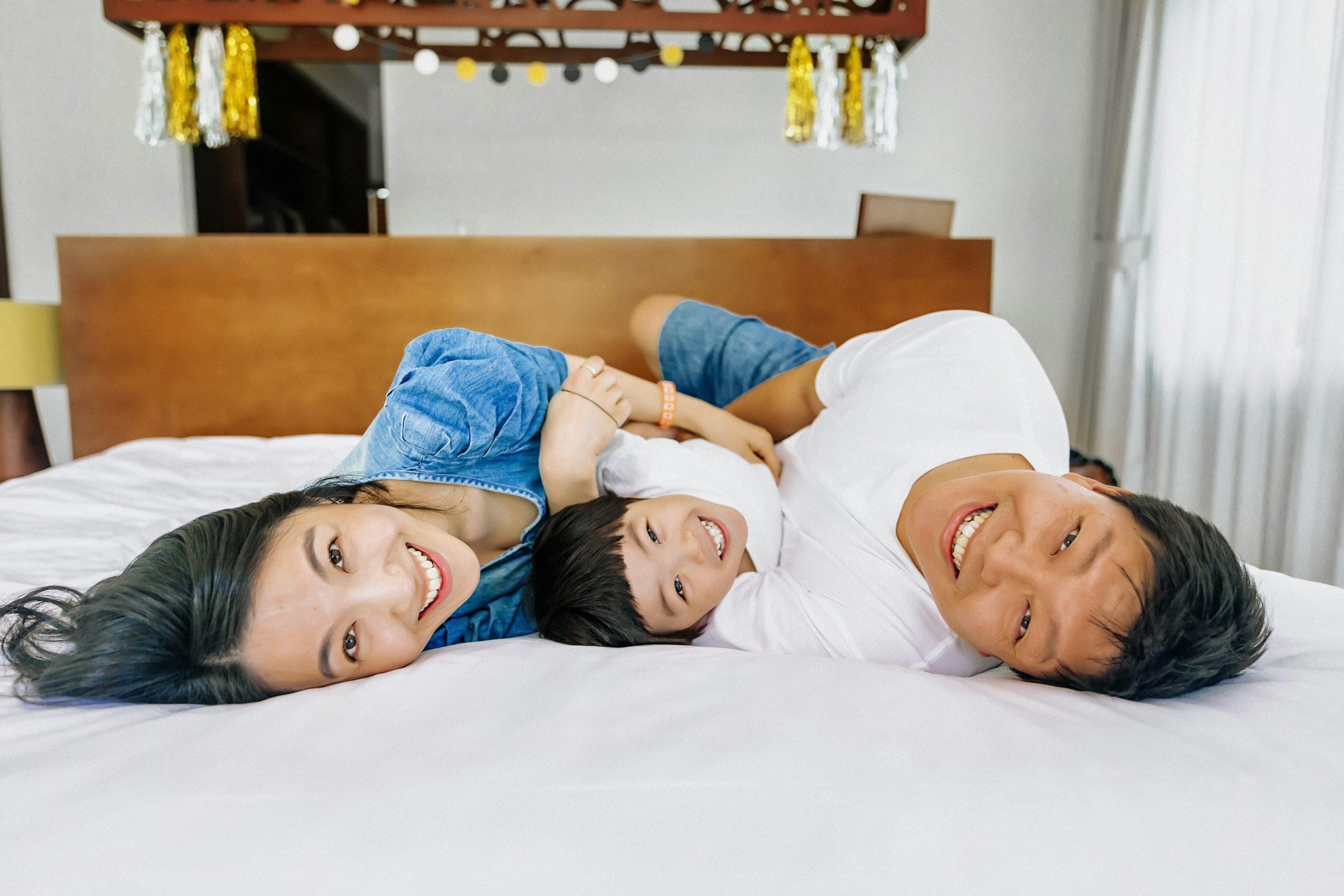
    Toddler showing emotional milestones in early childhood by seeking comfort from a parent

    Credit: Photographer Name / Platform Name

    How children begin naming feelings and showing emotional growth

    Kids go through big emotional developments as they get older and a really important one is figuring out what feelings are. At the beginning, they’ll show how they feel by crying, yelling, holding on to you or laughing. After a while, they start to use easy words like happy, mad, scared, sad. This is a good thing because it makes misunderstandings between parents and kids less likely.

    Those who understand speech and how children act will say that being able to name a feeling helps a child to calm down. When a child says “I’m mad”, they’re doing something important to understanding themselves. The feeling will probably still be very strong, but the child is starting to understand the feeling isn’t the same as what they do because of it.

    What empathy looks like in toddler behavior and preschool years

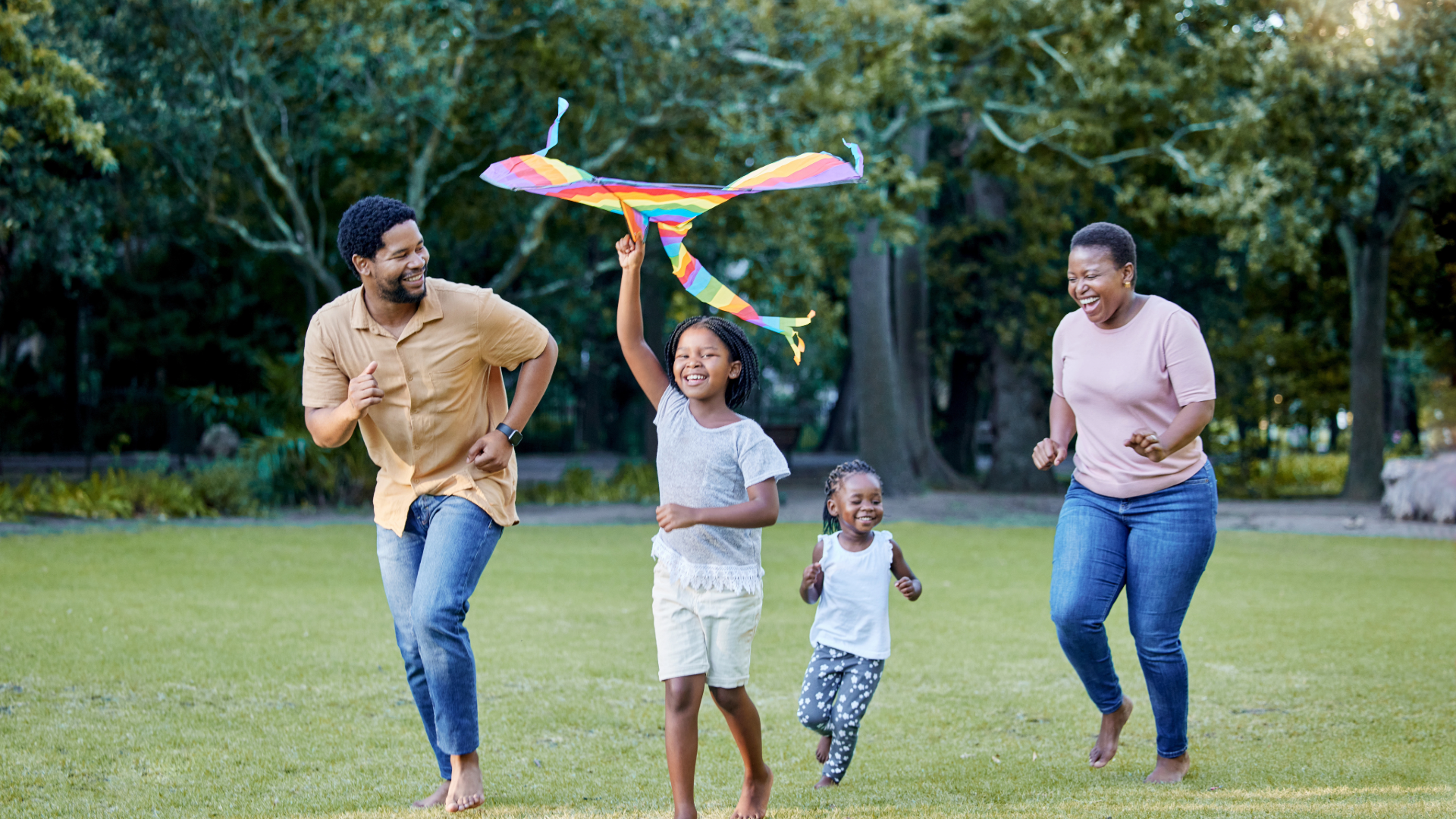
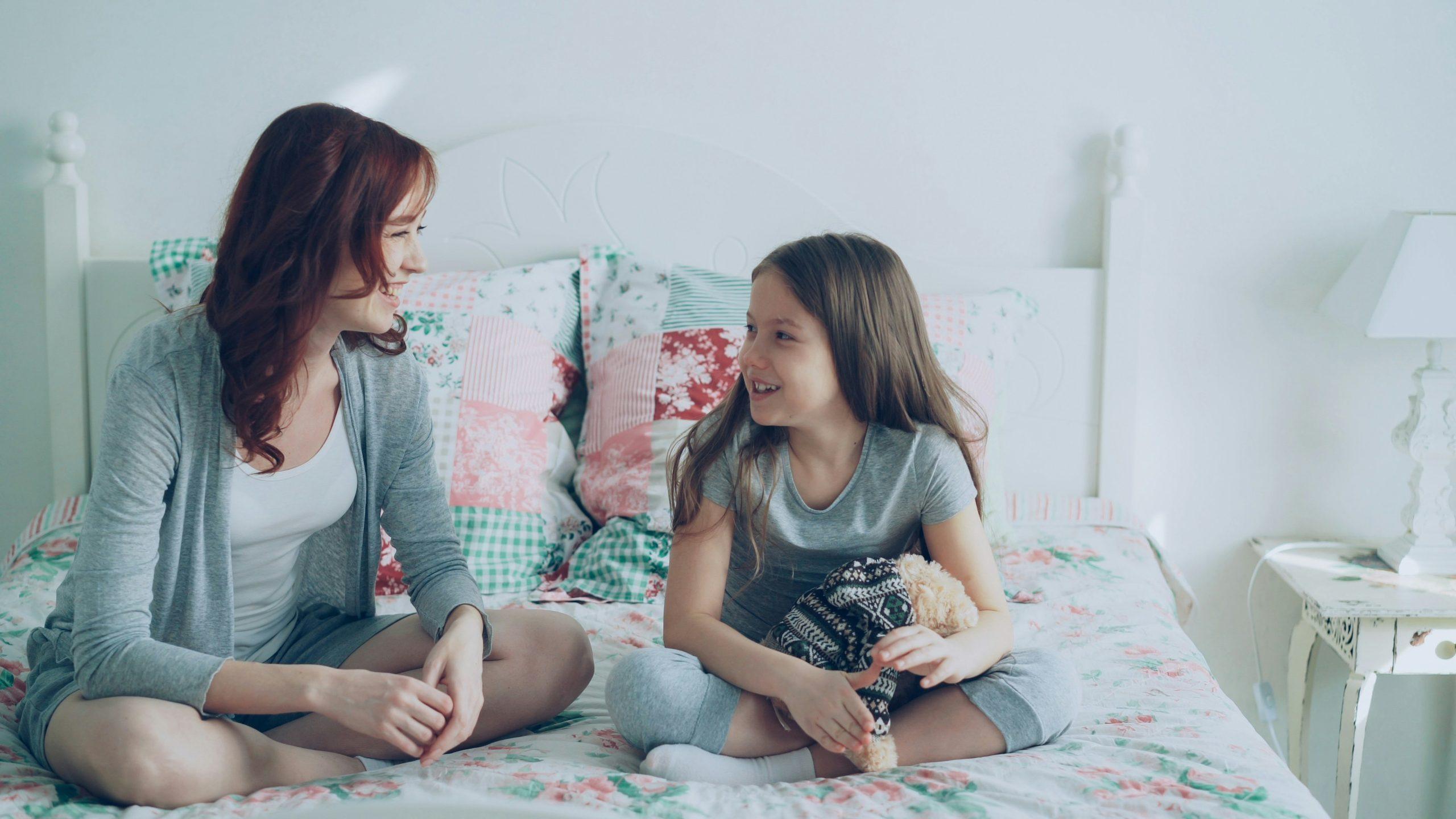
    Young children show empathy pretty early on, though it’s not very developed. A little kid might pat a person who’s crying, offer a toy to a sibling who is down, or look concerned when another child is troubled. These occurrences aren’t proof of a child being emotionally fully mature, but they do indicate that the child is starting to be aware of what other people are feeling.

    Social development experts have discovered that doing the same things with people over and over each day will improve this ability. And parents can help by saying out loud what they are observing. Saying something straightforward like “Your brother is sad because his tower of blocks collapsed” makes a distinct link between something happening and the emotion that accompanies it.

    Why frustration tolerance is one of the biggest emotional milestones in early childhood

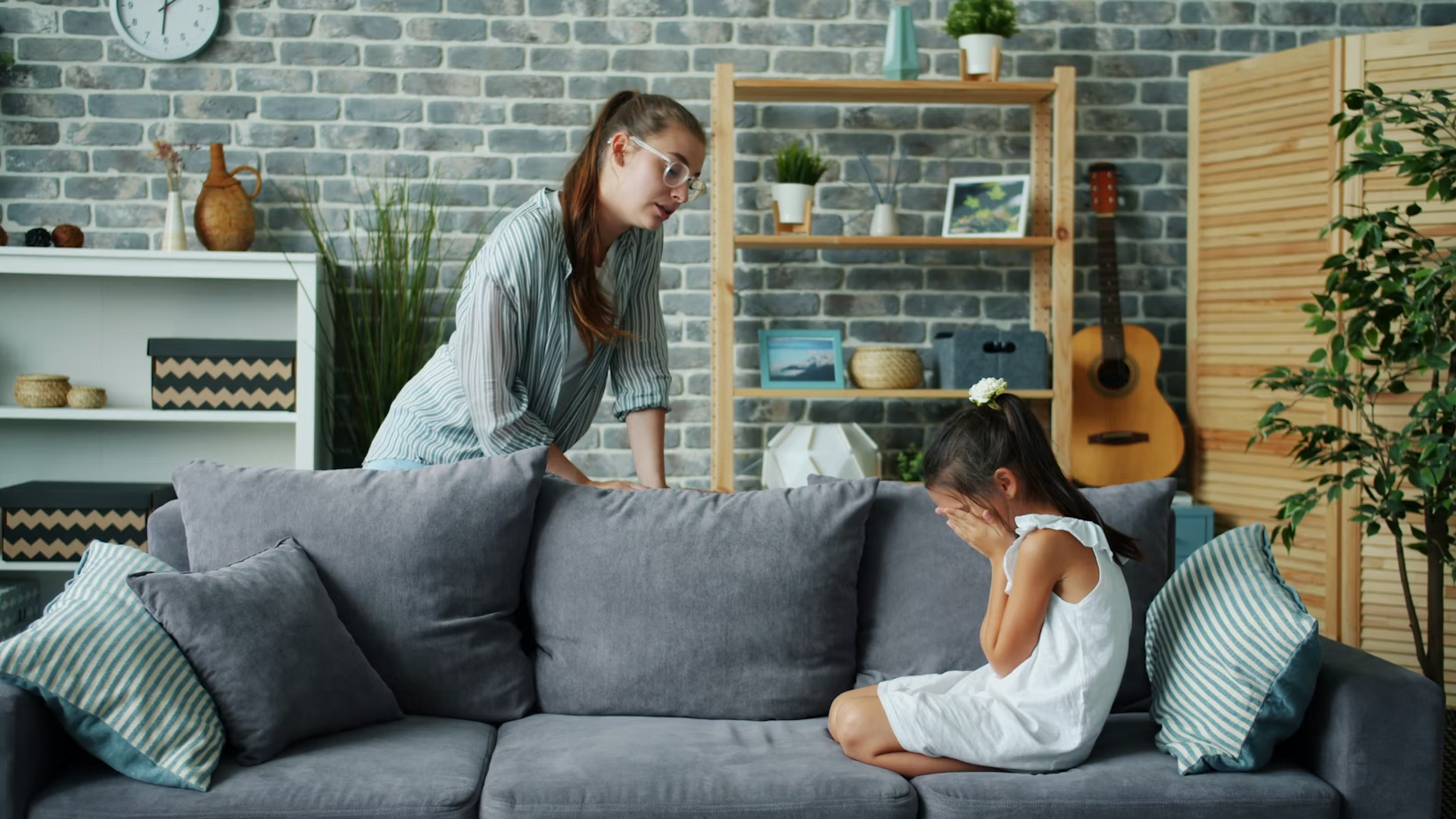
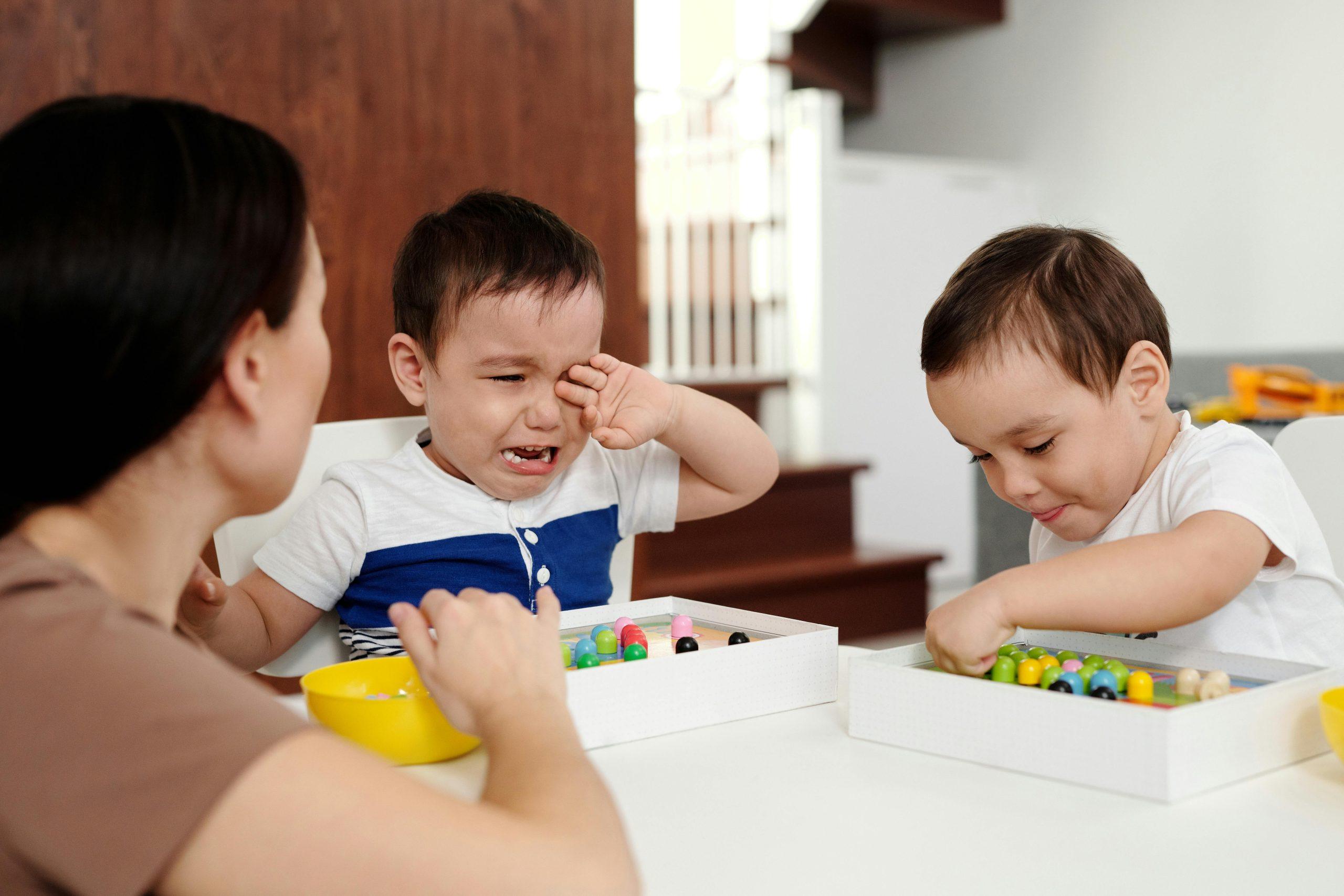
    Being able to deal with being disappointed without falling apart is frustration tolerance, and kids don’t get good at this all at once. Things like waiting your turn, being told to wait, or being encouraged to try after something doesn’t work can be truly difficult for small children.

    Those who study how young children learn frequently tell parents that kids learn to control themselves by doing something over and over, not by being forced. When children get chances to wait for a little bit, figure out little issues on their own, and get help to get over setbacks, they usually learn to manage things better. This improvement might show up as shorter temper tantrums, being able to change from one activity to another with less trouble, or slowly starting to stop and think before they do something.

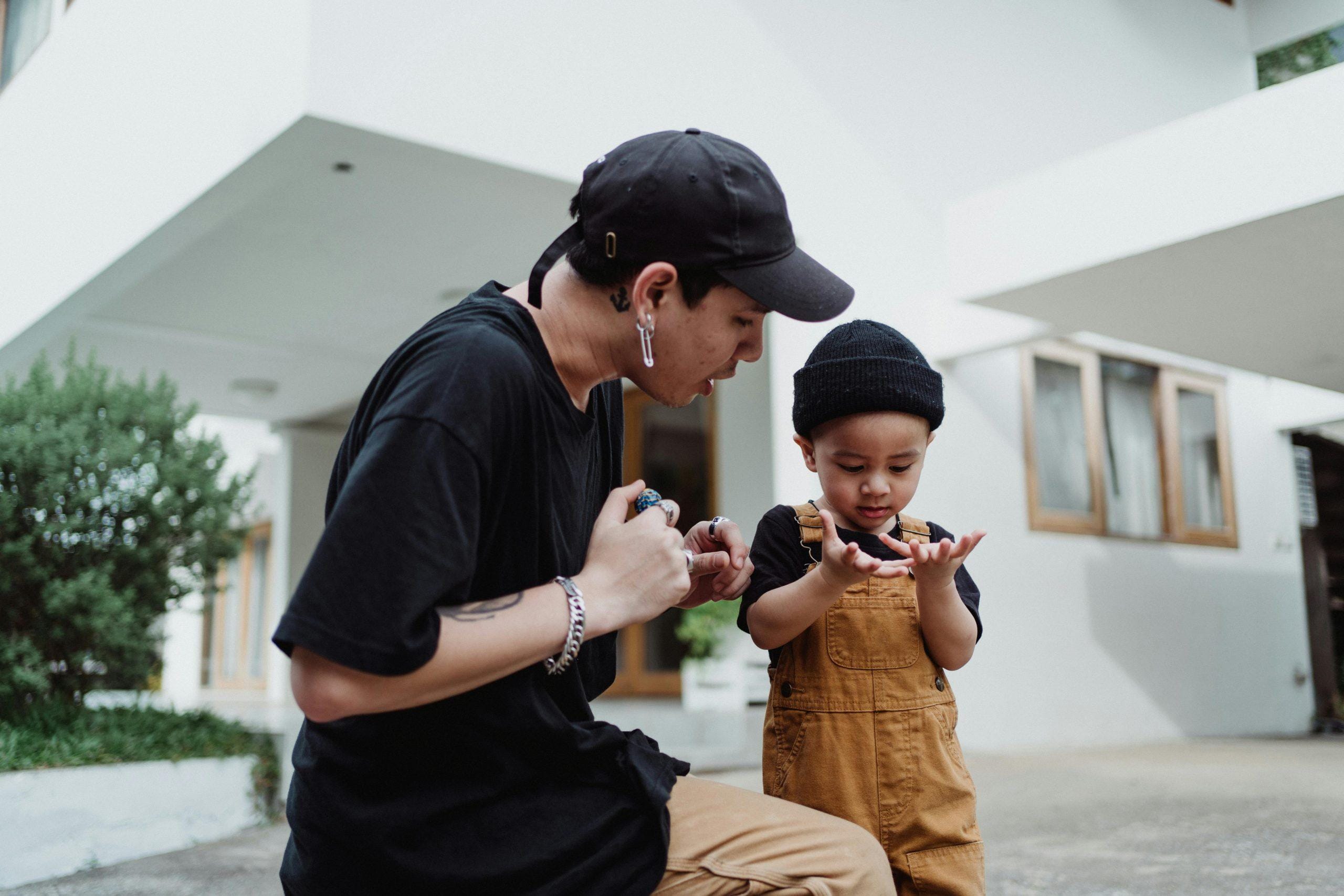
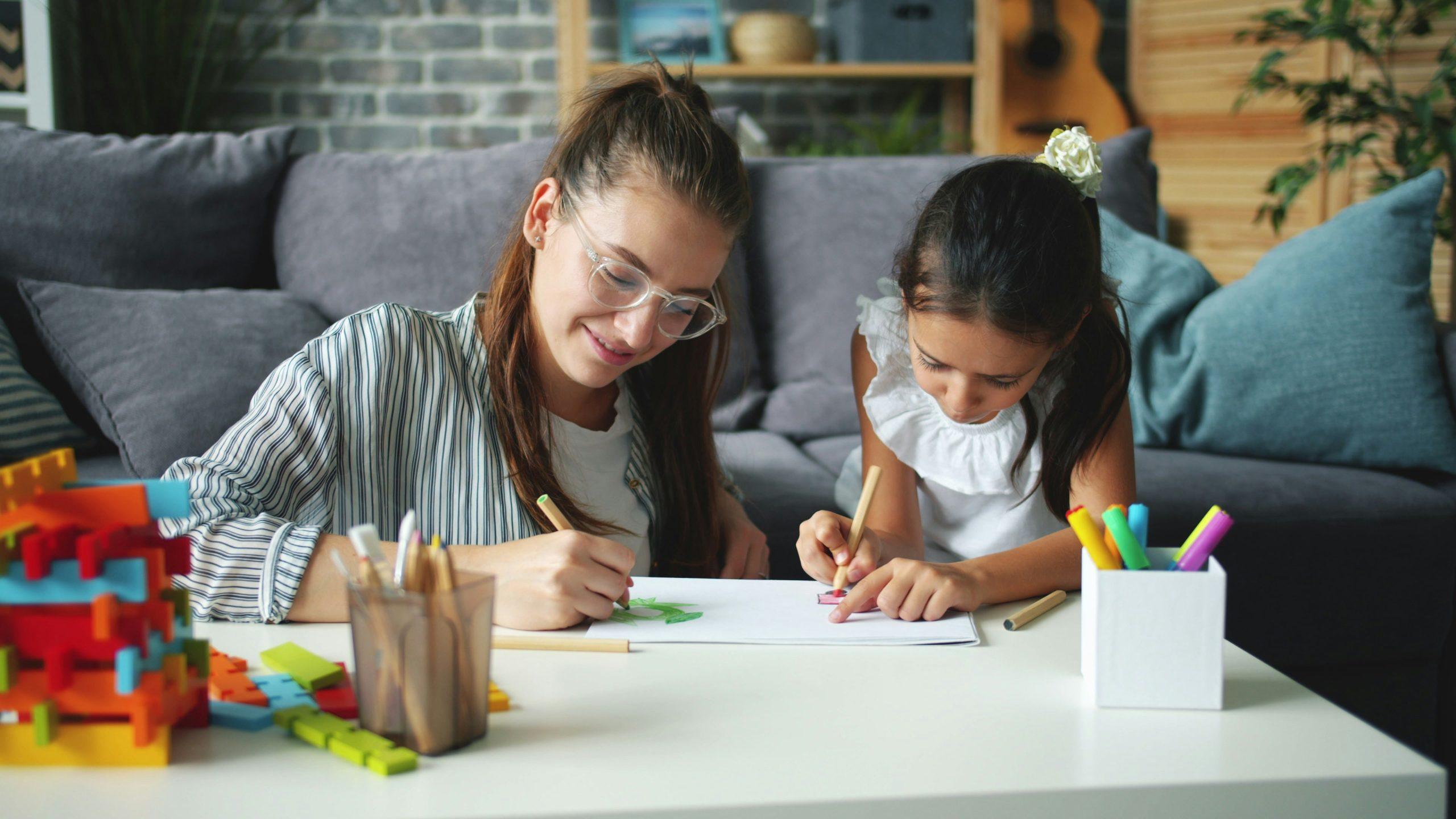
    Parent supporting frustration tolerance during emotional milestones in early childhood

    Credit: Photographer Name / Platform Name

    How independence and confidence develop together

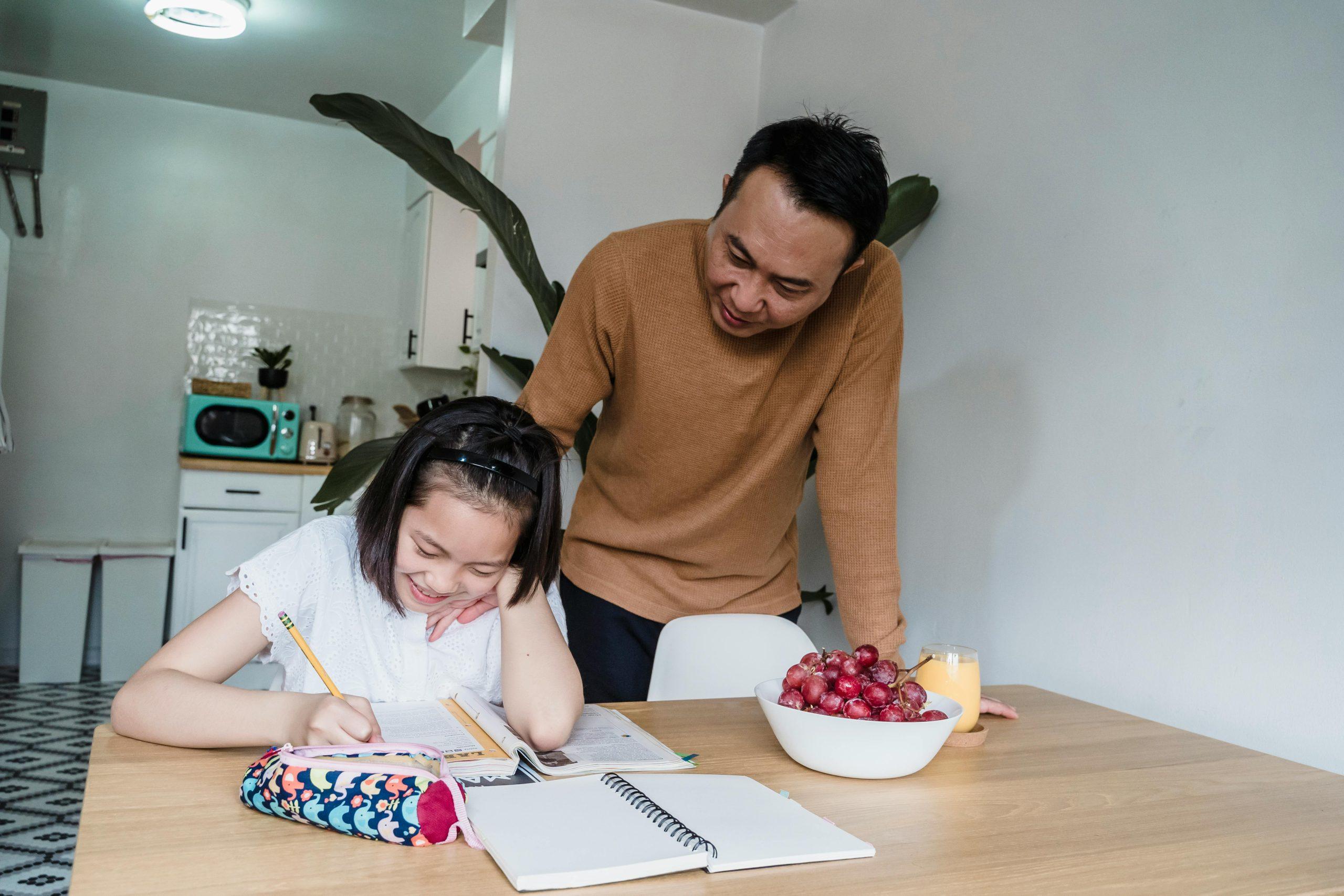
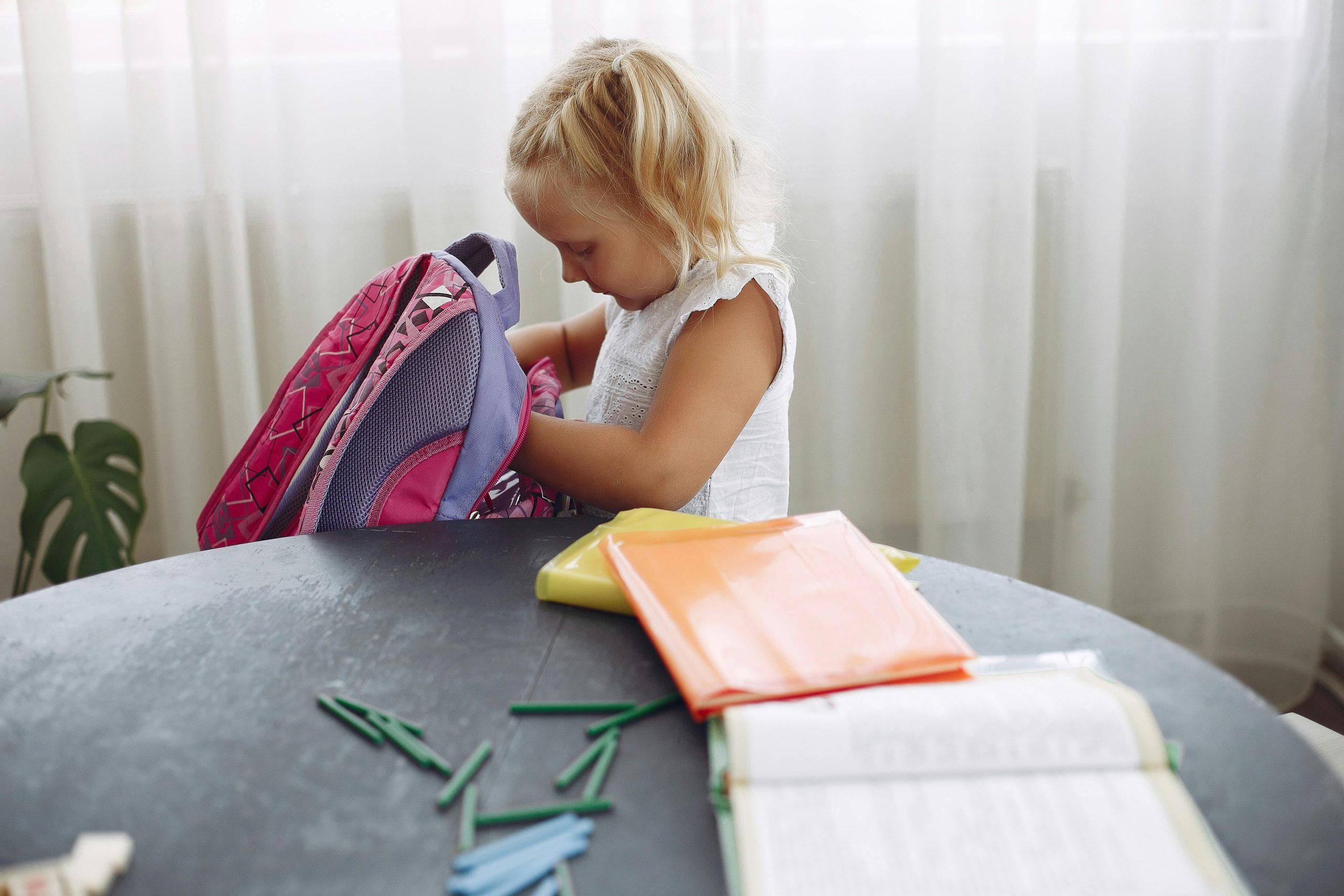
    Kids developing emotionally usually start wanting to do more by themselves. They might be keen to get dressed, decide on a snack, or finish a little job on their own. This being independent, even though it will mean more errors and sometimes pretty big feelings, is a normal and good thing as they grow.

    Family experts say that children get more self-assurance when adults have sensible boundaries, but don’t do everything for them. Being able to have secure opportunities to attempt things, mess up, and have another go are helpful to children. Independence feels possible and not scary with comforting, predictable patterns.

    Signs parents may want closer support for child development

    Kids all develop at their own speed, yet certain things happening repeatedly could be important to think about. If a child is consistently having trouble being comforted, doesn’t show much feeling, or gets very upset by lots of typical daily events, you might want to talk to a doctor who specializes in children or their growth. It isn’t about deciding something perfectly normal is broken, but about seeing when a little extra help could be useful.

    Parenting support groups frequently advise moms and dads to consider a repeating trend instead of just one bad day. Shifts in how someone sleeps, continuing to be very closed-off, or often reacting with anger in different locations, all indicate a child likely needs more help to be steered in the right direction. Getting help with this early on can make both a child’s schedule and the person looking after them much smoother.

    Frequently Asked Questions

    Q: What are emotional milestones in early childhood?
    A: Emotional milestones in early childhood are common signs of emotional growth, such as comfort-seeking, naming feelings, showing empathy, and handling frustration a little better over time.

    Q: At what age do children start showing empathy?
    A: Many children begin showing early empathy during the toddler and preschool years. It may appear as concern, imitation of care, or noticing when someone else is upset.

    Q: Is it normal for toddlers to have strong emotions every day?
    A: Yes, strong emotions are common in toddler behavior because language and self-control are still developing. What often changes over time is how quickly the child recovers and responds to support.

    Q: How can parents support emotional growth?
    A: Parents can support emotional growth by naming feelings, keeping routines steady, offering calm comfort, and giving children simple ways to solve small problems.

    Key Takeaway

    As young children grow, they start to go to people for comfort, begin to say how they feel, develop sympathy for others, get better at handling being annoyed, and become more on their own. Kids all get these abilities at their own pace, yet there are typical ways they progress which mums and dads will likely notice in their normal day to day. Children usually do better emotionally when things happen at roughly the same time each day, grown ups react in a relaxed way, and they have people they completely trust. If you’re worried about something and it’s happening at nursery, at home, and everywhere in between, then getting support for a child’s early development can give families a more confident path.

    INTERNAL LINKING SUGGESTIONS

    • How daily routines support healthy toddler behavior
    • Common preschool social skills parents often notice first
    • What family communication teaches children about feelings