Why Children Often Respond Better to Screen Limits When Alternatives Are Ready
- April 14, 2026
- 0
When families put limits on how long people can be on devices, things usually go a lot better if the time on the device leads directly into a




When families put limits on how long people can be on devices, things usually go a lot better if the time on the device leads directly into a

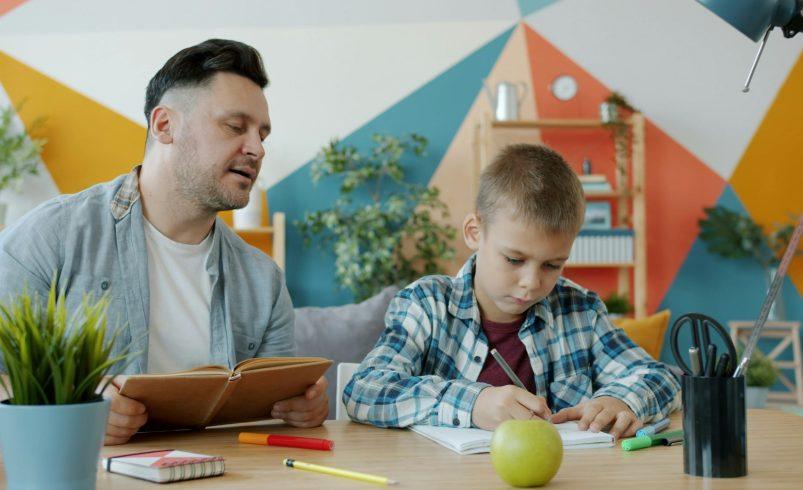
When families put limits on how long people can be on devices, things usually go a lot better if the time on the device leads directly into a definite, do-able activity. But when a child is simply told to stop using a screen with no idea of what’s after that, arguments are much more likely. Experts in family and media say children are generally more agreeable about stopping screens if something else is prepared, as the changeover feels more organized and isn’t just a sudden removal of something they like. Often, the problem isn’t just the screen time finishing, but the unsure feeling and sad mood that can come if nothing interesting fills the gap.
This is important because kids find screens really engaging, you know what to expect from them, and they’re easy to start using. It can be hard to stop doing something so all-consuming when what comes next seems undefined, dull, or emotionally hard. According to those who study how children grow, changing from one thing to another is easier for kids if they are going towards a clear next activity, instead of moving from fun into nothing. In lots of families, having alternatives all set to go lowers stress because they help with focusing, with having a normal pattern to the day, and with managing feelings, all at the same time.
Children usually handle transitions better when they can picture what comes next. If a device is turned off and the only message is that screen time is over, the child may focus fully on the disappointment of the ending. If the screen ends and the child already knows that snack, outdoor time, a game, reading, or a family task comes next, the transition often feels less abrupt.
Family routine specialists often note that children rely on sequence more than adults realize. A visible next step gives the child something to move toward instead of leaving the child emotionally stuck in what has just been taken away. This does not remove all frustration, but it often reduces how large the frustration becomes.
We often find screen time satisfying as it is instant, it holds our attention, and we know what to expect. So, when that time is over and there isn’t something immediately to do instead, a child will likely feel only the disappointment of it being gone. This makes everyday things around the house – dinner, tidying up, or getting for bed – seem even less desirable. The difference is much stronger as the fun has stopped and there’s nothing nearly as obvious to fill the space.
Experts in children’s behaviour commonly say that having something else to do is useful, as it makes this shift in feeling not so harsh. The child might still want the screen, but they won’t feel quite so upset if a reasonable activity is already prepared. Lots of families find that changing things in this way makes the change feel more like simply going from one part of the day to another, and less like something is being taken away.
Credit: Pexels/ Ketut Subiyanto
When kids stop using devices, they frequently require a bit of time to start concentrating on what’s happening around them. Screens are good at locking in attention, particularly if what’s on them is moving quickly, gets you involved, or really makes you feel something. Because of being so involved in the screen’s world, a child won’t necessarily be able to listen, figure things out, or come up with their own ideas right away. At those times, even something as easy as changing activities can be more difficult for them than we realize.
Experts in child development say doing something else helps, and a big part of the reason is that it gives their attention a definite place to go. If they don’t have this new focus, a child can be stuck in their mind, half on the screen and half on the rest of their day. A planned activity will help a child get their thoughts organized in a more relaxed way, by providing a clear route and purpose for the move from one thing to another.
Kids generally do best when you don’t just make up a new thing to do at the last minute, but link what comes next to things they do regularly. For instance, screen time can finish and then it’s onto dinner, being outside, a bath, reading, a snack, or something calm you do over and over. This being something they can count on helps with changing activities because they begin to understand it’s just what usually happens at home, not a random break in their day.
Experts on media and families frequently say that it’s predictability that’s important, since children find it easier to have faith in things that happen the same way each time. If the alternative is always different, the finish of one activity can still feel unstable. But when they know the order of things, they’re often less likely to push back because they can guess what’s coming.
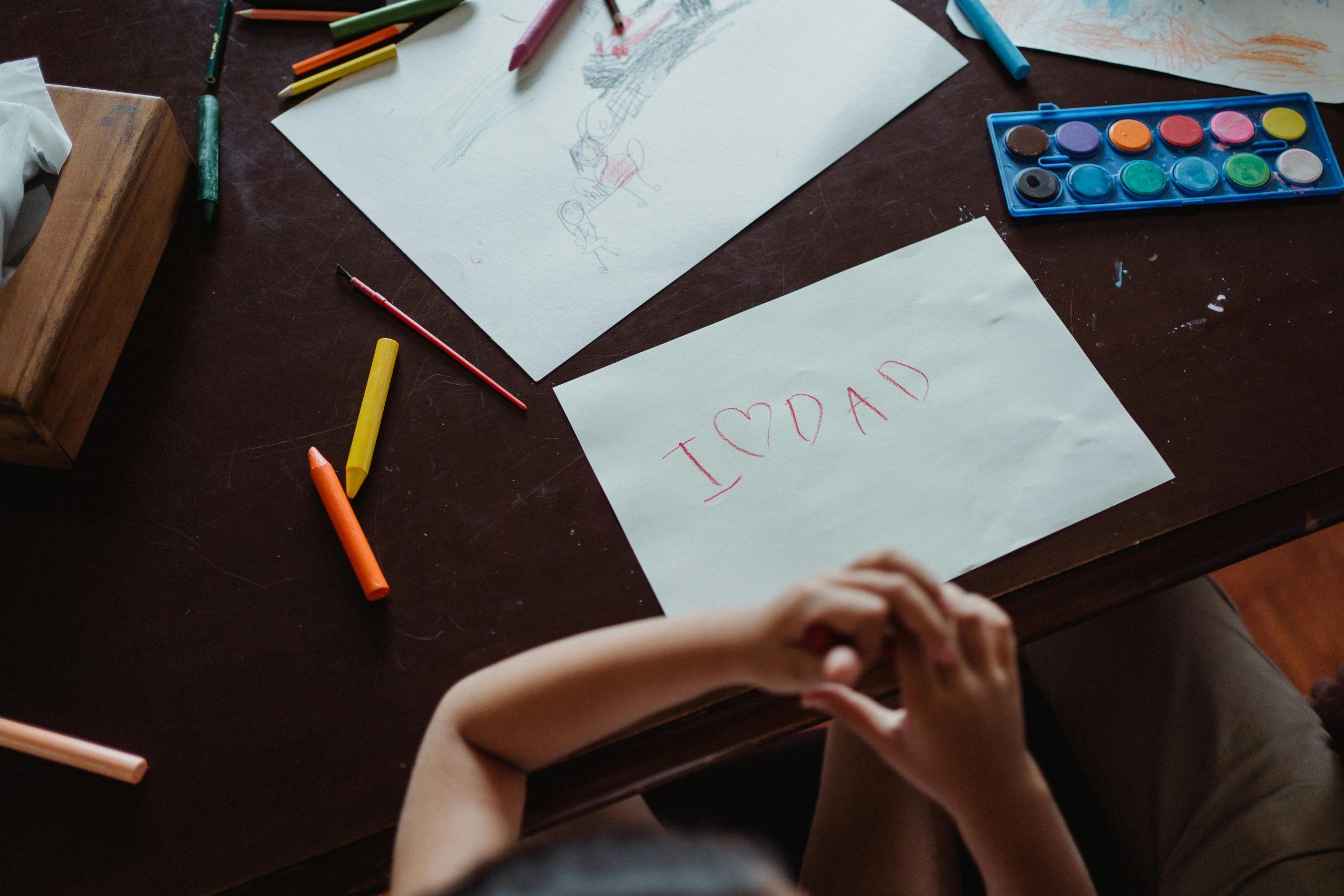
Parents often think that if they want their kids to do something instead of looking at screens, it has to be just as exciting. But that isn’t usually the case. Children actually do better with something that’s straightforward, ready to go, and won’t overwhelm their feelings, rather than something that’s supposed to be amazingly fun. Things like crayons and paper already being out, a little to eat, a walk with the family, building with blocks, a jigsaw puzzle, or helping with chores they know are often all it takes to get a child to switch from a screen.
Experts in how children grow up say that it isn’t the fanciness of the alternative that’s important, it’s how easy it is for the child to start doing it. If a child can get into the activity without a lot of difficulty, the change is more likely to go smoothly. In a lot of families, simpler activities are more successful than complicated ones, because they’re easier to do again and again and the child feels more secure about them.

Credit: Pexels / Yan Krukau
Having something else for kids to do doesn’t just benefit them, it eases things for grown-ups by giving the change a definite shape. If you haven’t thought of a plan, you’ll probably end up repeating yourself, getting into arguments, or deciding at the very last second what’s happening, and your child will become more and more frustrated. That whole process of limiting screen time can really wear everyone down emotionally.
Those who are experts in family schedules frequently say adults are much better at sticking to rules if the framework for those limits is already established. Because you have a prepared alternative, you won’t be in a tough spot, trying to figure out what to do next during a change that’s already hard. A lot of the time, this is what allows parents to be more relaxed and to manage the restriction for a longer period.
Having something else for kids to do doesn’t just benefit them, it eases things for grown-ups by giving the change a definite shape. If you haven’t thought of a plan, you’ll probably end up repeating yourself, getting into arguments, or deciding at the very last second what’s happening, and your child will become more and more frustrated. That whole process of limiting screen time can really wear everyone down emotionally.
Those who are experts in family schedules frequently say adults are much better at sticking to rules if the framework for those limits is already established. Because you have a prepared alternative, you won’t be in a tough spot, trying to figure out what to do next during a change that’s already hard. A lot of the time, this is what allows parents to be more relaxed and to manage the restriction for a longer period.
Children often respond better to screen limits when alternatives are ready because clear next steps reduce uncertainty, soften the feeling of loss, and help attention shift more smoothly. Ready alternatives do not need to be elaborate, but they usually work best when they are simple, familiar, and tied to the rhythm of the day. Families often see less conflict when the end of screen time leads into something visible instead of an empty gap. Over time, repeated predictable transitions can make device limits feel easier for both children and adults.