
How to Talk to Children After a Hard Day Without Adding More Stress
- April 13, 2026
- 0
When a child is upset, noticeably quiet, angry or has pulled into themselves when they get home, parents naturally want to jump in and help. However, the very




When a child is upset, noticeably quiet, angry or has pulled into themselves when they get home, parents naturally want to jump in and help. However, the very
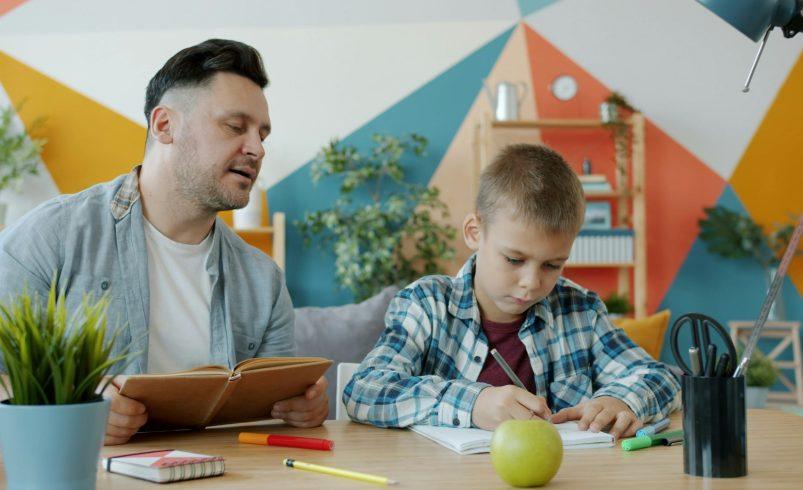
When a child is upset, noticeably quiet, angry or has pulled into themselves when they get home, parents naturally want to jump in and help. However, the very first thing an adult does can make the stress better or worse. It’s a really good idea to figure out how to speak to kids after a difficult day, and that is because they don’t generally require solutions right this minute. What they do frequently need is to simply feel a sense of calm and closeness with you.
Family therapists generally say that a bad day will show itself in children in a lot of different ways. Some children will talk and talk and talk, others will become totally closed off, while some will get annoyed by little problems. These reactions aren’t necessarily the child’s way of refusing to talk. A lot of the time they’re still thinking through what happened during the day. Being calm in how you respond can create a safe emotional space for your child and help your family talk to each other more openly.
Kids get stressed from school, things they do, or being with friends in ways adults don’t always realize initially. A little argument with someone they like, being humiliated at school, a hard assignment, or just feeling overwhelmed emotionally can bother them for a long time. And if adults start firing off a lot of questions or seem overly anxious, the child probably will feel more stressed, not as if they’re being helped.
People who really understand good families say kids need to be able to talk about difficult stuff at their own pace to feel emotionally secure. That’s why staying calm when you talk with them after a tough day is so important. You’re not trying to get all the details right away; what you are doing is creating an environment where they’ll eventually feel comfortable enough to tell you about it.
When a kid is already overwhelmed with feelings, how families talk to each other usually has to shift. A child who will typically respond to questions might shut down and not say much. A generally placid child could overreact to something you ask them to do. These kinds of shifts can make adults want to do a lot of talking, but the child will more likely need a bit of time to get calm first.
Those who specialize in children and their behavior say that being stressed makes it harder for a child to really hear you, get their ideas in order, or say what’s going on. Because of this, when and how you talk to them, and your voice while you’re at it, are as important as what you are actually saying.
Instead of jumping right to fixing things, one of the best things you can do initially is just be calm and be with them. Simply being near them, a little snack, a soft way of speaking, or allowing a moment of quiet can help their body and feelings calm down. And when things are calmer, it’s generally a lot easier to actually talk.
People who work with families and children will tell you that kids are much more likely to be truthful if they feel safe, in body and emotionally. A calm start to things helps a child to feel they have your backing before you ask them to discuss something hard.
When a child is exhausted or emotionally overwhelmed, a lot of specific questions at once can be daunting. Brief questions are generally more successful. Instead of immediately asking for everything that happened, something like “Was it a difficult day?” or “Would you like to discuss it now, or later?” is easier for them to respond to.
Family communication specialists will usually advise giving your child the opportunity to answer a little at a time. They might require things to go slower before they’re prepared to explain everything, and this method frequently preserves the confidence between you and your child much more effectively than pressing for all the details right away.

Credit: Seljan Salimova / Unsplash
Lots of grown-ups jump to giving advice as a way of being helpful. But a child who’s had a rough day generally needs someone to really get what they’re feeling first, the emotion behind what happened. They could be ashamed, let down, furious, or anxious. Just identifying that feeling is often a lot more useful than at once telling them what to do or how to fix it.
In fact, family therapists frequently say children will listen to what you suggest after you’ve shown them you’re listening. Saying something like “That sounds frustrating” or “You must have felt that was unfair” builds a safe emotional space for the child to be themselves, and you don’t even have to completely agree with their version of events.
When grown-ups are told about something bad that happened, their first impulse is frequently to offer advice. But going on and on with a lecture tends to shut kids down. If a child figures out every time they mention a tough day they’ll be lectured, they’ll likely be less open and say less next time.
People who really know how to have good relationships in families usually say that when you talk about things is important. There’s likely a time for lessons later, but at the beginning of a conversation, it’s generally better to listen, help your child relax, and find out what is going on for them.
Kids don’t always want to start talking immediately when they’ve had a tough day. Many of them will benefit from doing something else first, like being active, having a snack, being still, or sticking to their usual routine, before they can properly say what’s on their mind. And understanding when they are ready to talk isn’t the same as not noticing them; it’s about realizing they’ll probably be able to communicate things more easily in a bit.
Experts in how children grow and learn generally suggest going back to the subject in a relaxed way. A follow-up during dinner, on a walk, at bedtime, or during a calm time in the house frequently gets you a more truthful conversation than a quick one as they come in the door.
Very often, the initial aim isn’t to fix what’s wrong, it’s just to reduce how upset everyone is. After your child has relaxed a little, you can go back over the situation and figure out if they require encouragement, help with finding a solution, or a sensible thing to do now. It’s generally during this later discussion that you can give much better advice.
Experts in how families talk to each other say that having this later conversation strengthens confidence. It lets kids understand that grown-ups don’t shy away from difficult subjects, but they won’t push for a talk until the child is prepared for it.
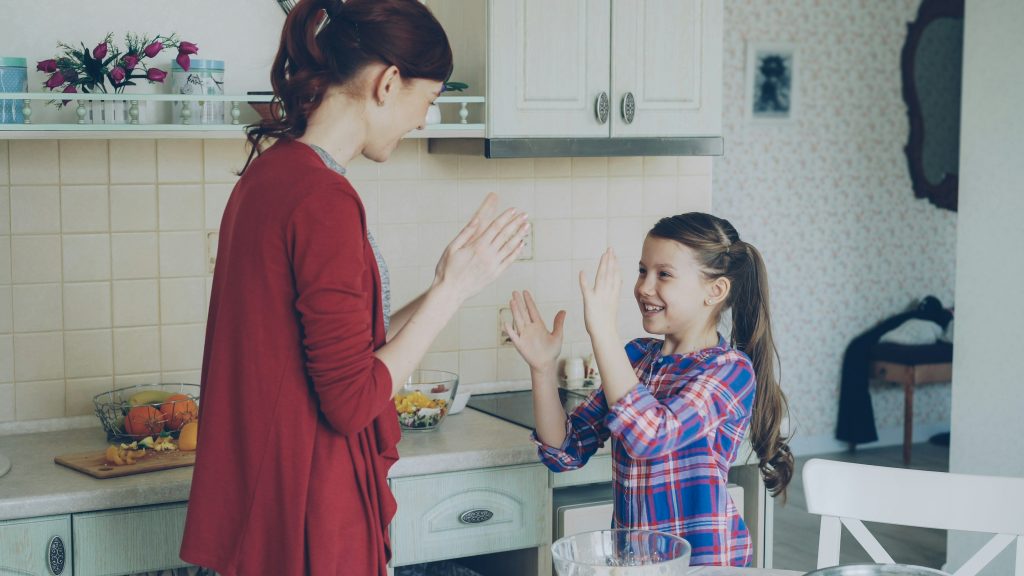
Credit: Vitaly Gariev / Unsplash
Certain things we do without realizing it can stop a child from talking. Things like firing off questions rapidly, telling a child their feelings aren’t important, putting their issue alongside much larger difficulties, or showing you’re annoyed. And even if you mean to help, what you say can sound as if you don’t care when a child is already upset.
Those who know about families generally say to avoid saying things that make a child move on from how they’re feeling. A child who is told “it’s nothing” might then start keeping worries to themselves instead of talking about them. A child will feel secure emotionally, and that’s true even with little problems, if they feel as though you truly listen and think their feelings matter.
Things generally go more smoothly in a relationship when grown-ups get better at speaking to their kids, with a calmer voice and at a good moment, especially after a difficult day. Kids then start to understand they can discuss those hard days without being overly scared or stressed. And because of that, they’re more likely to tell you about their concerns, errors, or annoyances later on.
Those who really know about building a trusting connection between parents and children say good communication comes from lots of normal, repeating interactions. One peaceful discussion won’t fix everything, but lots of peaceful talks, over a length of time, really define how secure the relationship is.
Q: How should parents talk to children after a hard day?
A: Parents often help most by starting with calm presence, asking simple questions, and listening to feelings before moving into advice or solutions.
Q: What if a child does not want to talk after a hard day?
A: Some children need time before talking. A calm later check-in often works better than pushing for details immediately.
Q: Why do children get irritable after a hard day?
A: Children may get irritable after a hard day because they are tired, emotionally overloaded, or still trying to process stress from school or social situations.
Q: Does listening first really improve family communication?
A: Yes, listening first often improves family communication because children are more likely to open up when they feel emotionally safe and understood.
When you’ve had a tough day, knowing how to speak with your kids can actually lower your stress levels and help everyone in the family get better at talking to each other as time goes on. Kids usually do best when you start by being peaceful and relaxed, asking them things in a straightforward way and showing you get how they’re feeling, rather than immediately starting to tell them what to do or how to fix it. With a better sense of when to bring things up and really, truly listening to what they say, you’ll develop a much safer emotional space and a closer, more trusting relationship with your child. In fact, a difficult day is much more easily talked about if your child feels you’re on their side from the beginning.