Homework transitions can be one of the hardest parts of the day for many families. A child may come home tired, hungry, distracted, or emotionally overloaded, then suddenly face another task that requires sitting still, focusing, and following directions. What looks like resistance to homework is often resistance to the transition into homework.
Family experts often explain that school-age children do not move from one demand to the next as smoothly as adults expect. A long school day already uses attention, self-control, and social energy. Understanding why homework transitions feel hard can help families build routines that reduce stress instead of increasing it.
Why homework transitions often feel harder than the homework itself
Many children do not react mainly to the assignment. They react to the shift from school life into home life and then back into school-type work again. The brain is being asked to change gears quickly, often without enough time to recover first. That can make even a simple worksheet feel much bigger than it really is.
Child development specialists often note that transitions are demanding because they require stopping one activity, adjusting expectations, and preparing for the next task. Homework transitions ask children to do all of that while already tired. This is one reason after-school stress often shows up right before homework begins.
How a long school day affects homework transitions
A school day includes many hidden demands. Children must listen carefully, follow group routines, manage peer interactions, wait their turn, and keep moving through academic tasks for hours. Even children who enjoy school often come home with less attention and patience than adults realize.
Experts in child learning often explain that homework stress grows when adults treat the afternoon like a fresh start. For the child, it is usually not a fresh start. It is the continuation of a long day. Homework transitions become easier when families recognize that the child may need recovery before more structured work begins.
Why homework transitions can trigger strong emotions at home
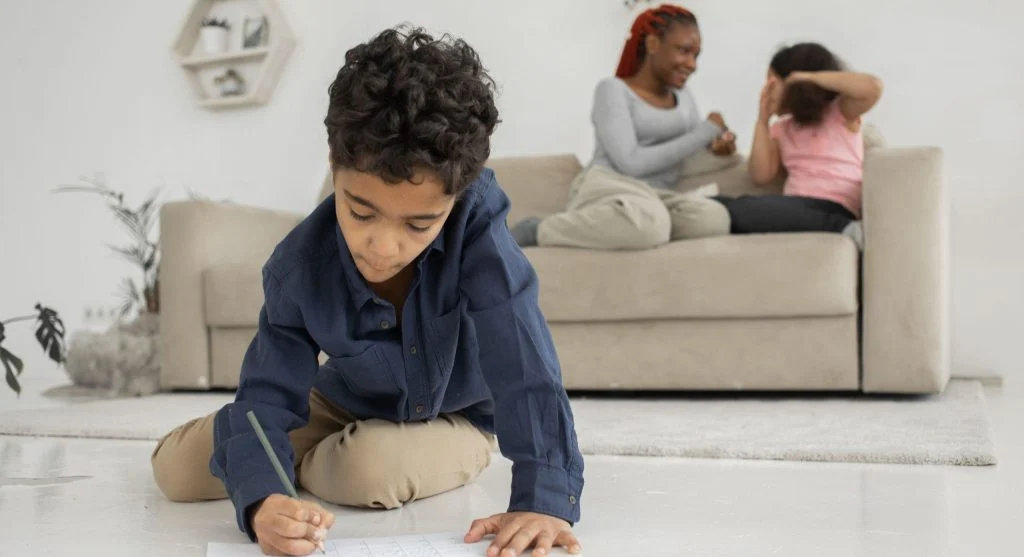
Some children become irritable, others shut down, and others try to avoid the moment completely. A child may argue over a snack, keep playing instead of sitting down, or suddenly need to do several unrelated things first. These reactions are often signs that the transition feels too abrupt or too heavy.
Family therapists often explain that emotional reactions during homework transitions are common because the child is balancing fatigue, unfinished thoughts from school, and the pressure of one more task. When adults understand this, they are often better able to respond with structure instead of frustration.

Credit: Photographer / Unsplash
How after-school routine patterns shape homework transitions
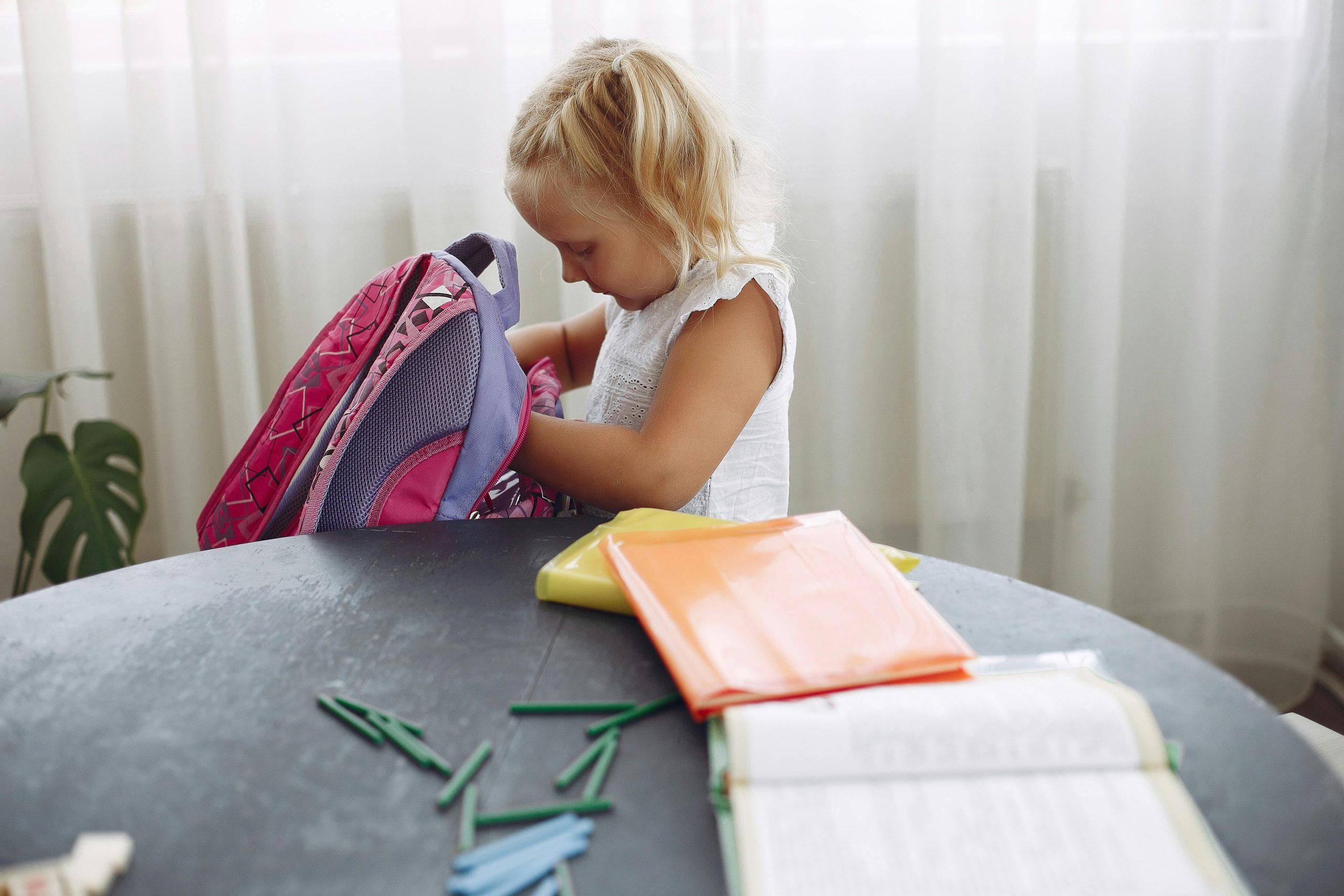
Homework transitions usually improve when the after-school routine has a clear order. For many children, a predictable sequence such as snack, unpacking the bag, a short break, and then homework works better than a vague afternoon where no one knows exactly when work begins. The routine lowers uncertainty, and lower uncertainty often reduces resistance.
Family organization experts often note that routines work best when they are repeated often enough to feel familiar. Children usually respond better when they know homework is part of the afternoon rhythm rather than a sudden demand that appears at different times each day.
Why some children need movement before homework transitions
Some children come home needing movement more than quiet. Sitting in school for long stretches can leave the body restless even when the mind is tired. A short walk, outdoor play, stretching, or simple indoor movement can help release tension and make the shift into homework more manageable.
Researchers who study attention often explain that movement can improve readiness for focused work. Homework transitions may become easier when the child first gets a chance to reset physically rather than being asked to stay seated again right away.
What family experts often recommend for better homework transitions
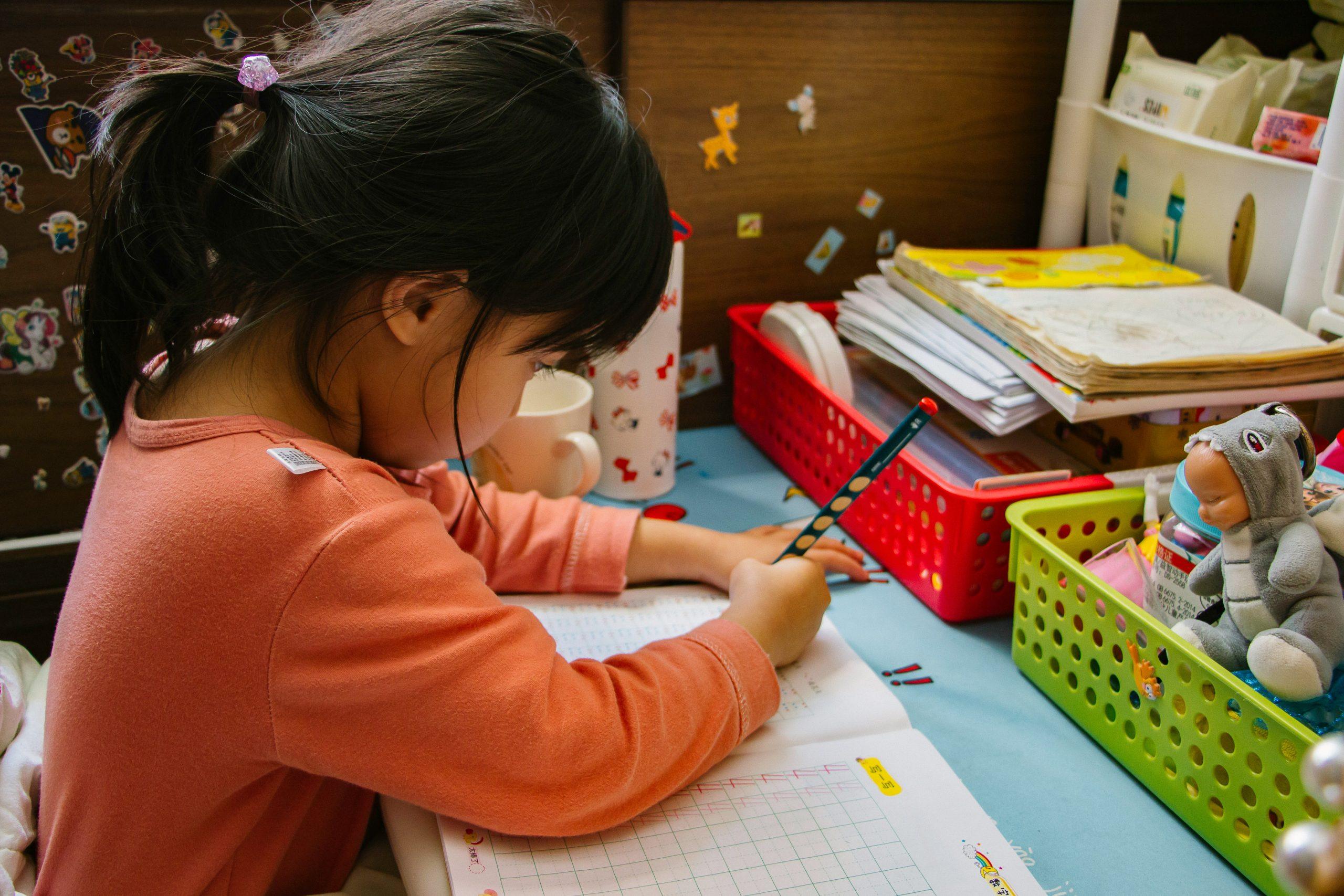
Family experts often recommend a short reset period, a predictable homework start time, and a prepared homework space. They also suggest keeping directions short and clear. Children usually do better when adults say what happens next in simple language instead of turning the moment into a long negotiation.
Experts in school-age routines often note that support should match the child’s age and needs. Some children need direct help starting the first task. Others only need a visible routine and a quiet place to work. Better homework transitions usually come from matching the routine to the child rather than expecting all children to handle the shift the same way.
Why timing matters as much as motivation
Adults sometimes assume that children who resist homework are not motivated enough. In many cases, timing matters more than motivation. A child may be fully willing to do homework later in the evening but unable to manage it well the moment school ends. That does not always mean homework should be delayed for hours, but it does mean timing deserves attention.
Family wellness professionals often recommend watching patterns across several days. If homework transitions go badly at one time and better at another, the issue may be routine timing rather than attitude. A small change in schedule can often improve the whole tone of the afternoon.

Credit: kampos production / Unsplash
How families can improve homework transitions over time
Families usually improve homework transitions by changing one or two parts of the routine first. It may help to add a snack, shorten the decompression period, move the homework start time slightly, or make the first homework step smaller. Improvement often comes from practical changes rather than more reminders.
Child development experts often note that progress is gradual. A child may still resist sometimes, but the transition may become shorter, calmer, and easier to recover from. That kind of progress still matters because it makes daily life more manageable for the whole family.
Frequently Asked Questions
Q: Why are homework transitions so hard for children?
A: Homework transitions are often hard because children are moving from a long school day into another structured task without enough time to recover.
Q: What helps with homework transitions after school?
A: A predictable after-school routine, a snack, a short reset period, clear timing, and an organized homework space often help with homework transitions.
Q: Should homework start right away after school?
A: Not always. Many children handle homework transitions better after a short break that helps them recover from the school day first.
Q: Why does a child get upset before homework begins?
A: A child may get upset before homework begins because of fatigue, hunger, transition difficulty, or the pressure of facing one more demand after school.
Key Takeaway
Homework transitions are often hard because children are shifting from a long school day into one more structured demand without enough recovery. Families usually help most by creating a predictable after-school routine that includes rest, food, and a clear homework start. Small changes in timing and structure often reduce homework stress more effectively than repeated pressure. Over time, stronger homework transitions can make the whole afternoon feel calmer and easier to manage.