9 School Readiness Skills That Help Children Adjust More Smoothly
- April 8, 2026
- 0
When children start school, getting used to how things are done, what’s asked of them and getting on with the other kids is easier if they have certain

When children start school, getting used to how things are done, what’s asked of them and getting on with the other kids is easier if they have certain
When children start school, getting used to how things are done, what’s asked of them and getting on with the other kids is easier if they have certain abilities. And these aren’t just about knowing the alphabet and counting; they’re about being able to talk and share, manage their feelings, concentrate, and do things in a particular order. If families have a wider idea of what it means to be ready for school, they can help their kids in a better way before their first day.
Those who work with young children frequently say school readiness isn’t about being flawless. Kids are good at different things when they start, and they’ll continue to learn and improve at school. However, particular skills do help with the change to school and help children to feel more at ease in a place that’s all new.
Starting school means kids are in a brand new place with rules for being in a group, things they have to share with others and activities with a set order. Having “school readiness” abilities is what helps them deal with all of this without getting so upset. If a child is able to listen, be their turn, get assistance when needed, and do straightforward patterns of doing things, they will likely adjust to school much more easily.
Experts in how children grow and learn regularly point out that being emotionally and socially prepared is just as important as knowing things academically. Acknowledging how valuable these wider abilities are can help moms and dads think about the whole adjustment to school.
Being able to do what you’re told is really important for starting school. At school, kids have to do things like get in a line, sit, put things away, or go with everyone to something else. If a child gets and does simple directions, they can join in much more easily.
Teachers generally suggest helping with this at home with the kinds of things you do all the time. Give your child two little instructions during playtime or when tidying up and you’ll help them feel more at ease being told what to do.
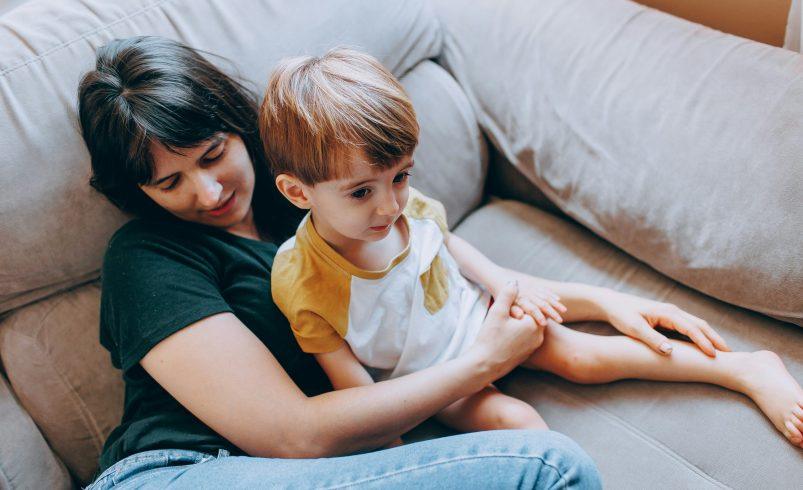
When kids begin school, they’re suddenly with people other than their usual parents or family. For some children, and particularly those who haven’t been on their own much, this is hard. Knowing how to deal with a quick farewell at the door actually helps a child feel safe when starting school.
Professionals who work with families say this ability isn’t something kids get all at once. They gain it slowly and are helped by things like brief times with other adults they trust, or by doing things with groups of people they already know, all of which encourages them to feel more sure of themselves.
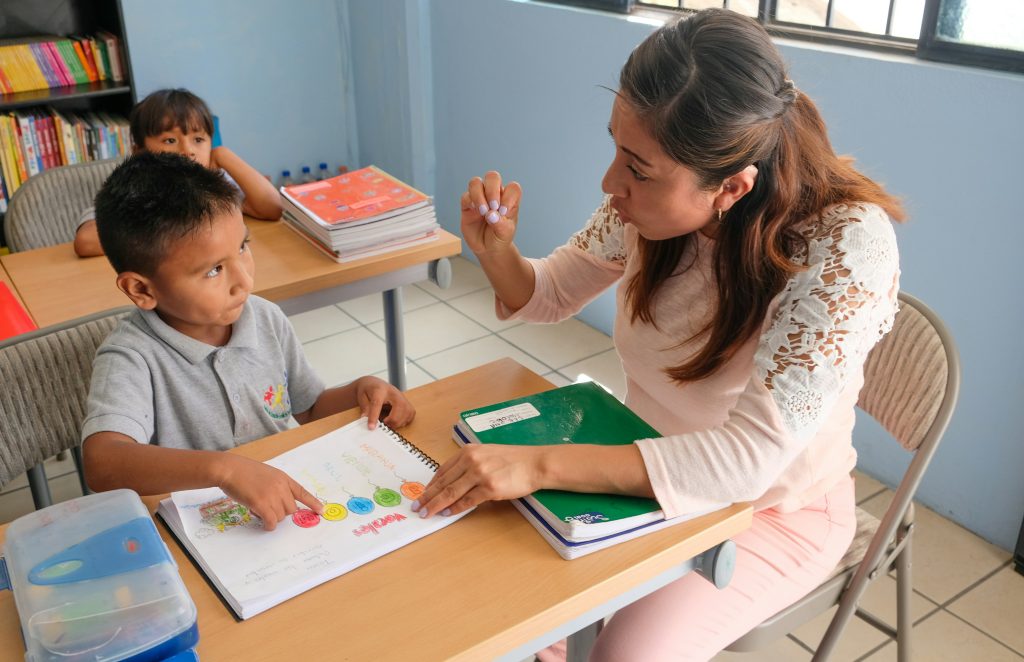
Credit: Ronald Felton / Unsplash
Kids don’t have to have a lot of big words to start school, but it really helps them if they can say what they require. Being able to say “I need help”, “I’m thirsty”, or “I don’t get it” will make things simpler during the school day for the child, and for their teacher.
In fact, speech and language experts frequently emphasize that communicating well is central to being ready for school. When they can explain things clearly, children are more confident and have less frustration while they’re doing schoolwork.
Kids are always with other kids in the classroom. In group stuff, they have to be patient, have a turn, and be mindful of the other children. And these things are really important for starting school, as they help with working together and learning the social side of things.
Actually, people who study how children behave say you can build those skills with games, make believe play, and things you do as a family. Doing these kinds of things over and over gets children used to what’s expected of them when they are with a group.
School is full of times that can be annoying for kids. They might have to wait to go, be given something tricky to do, or be told to hold on for a little bit. Being able to deal with these little upsets is actually one of the biggest things that gets a child ready for school, and it’s important for them to be able to learn and join in.
When experts in child development talk about kids getting better at handling frustration, they say it happens with encouragement and doing something many times. Kids get this ability by having another go, by asking someone to help, and realizing that many things aren’t simple immediately.
When kids have a pattern to their day at school, they have a better idea of what’s going to happen. Knowing what to expect at snack time, when to tidy up, for quiet periods, and during changes in activity actually makes children feel safer and more comfortable in the classroom.
Because of this, people who know a lot about how young children learn usually suggest easy routines at home that are similar to how things are done at school. This way, children get a grasp of the order of things and what is asked of them, even before they get to school.
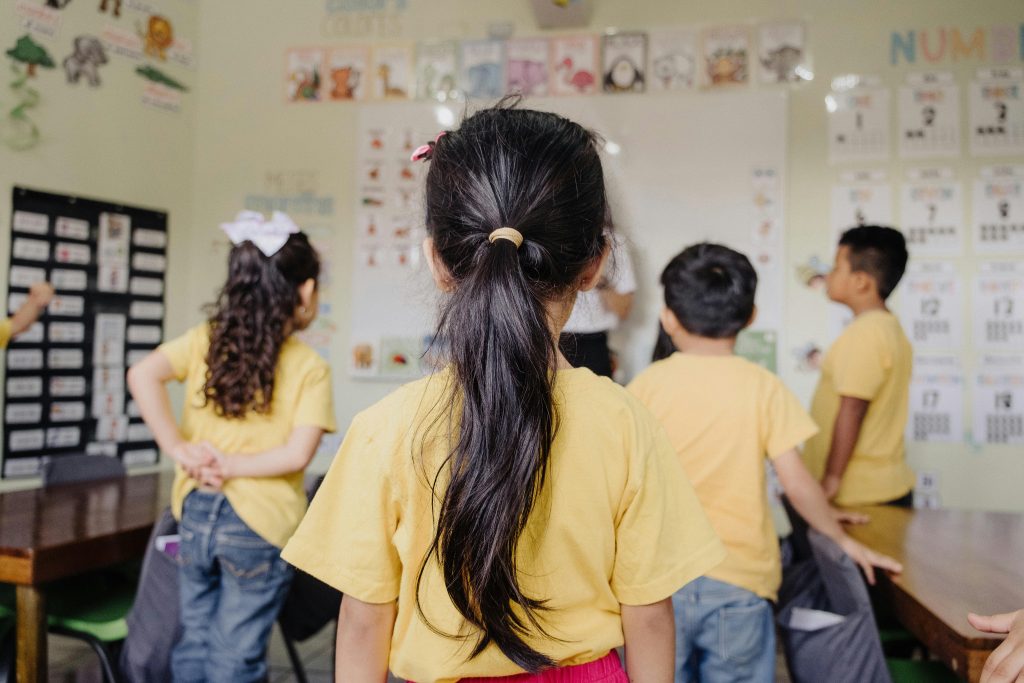
Credit: Shelby Murphy Figueroa / Unsplash
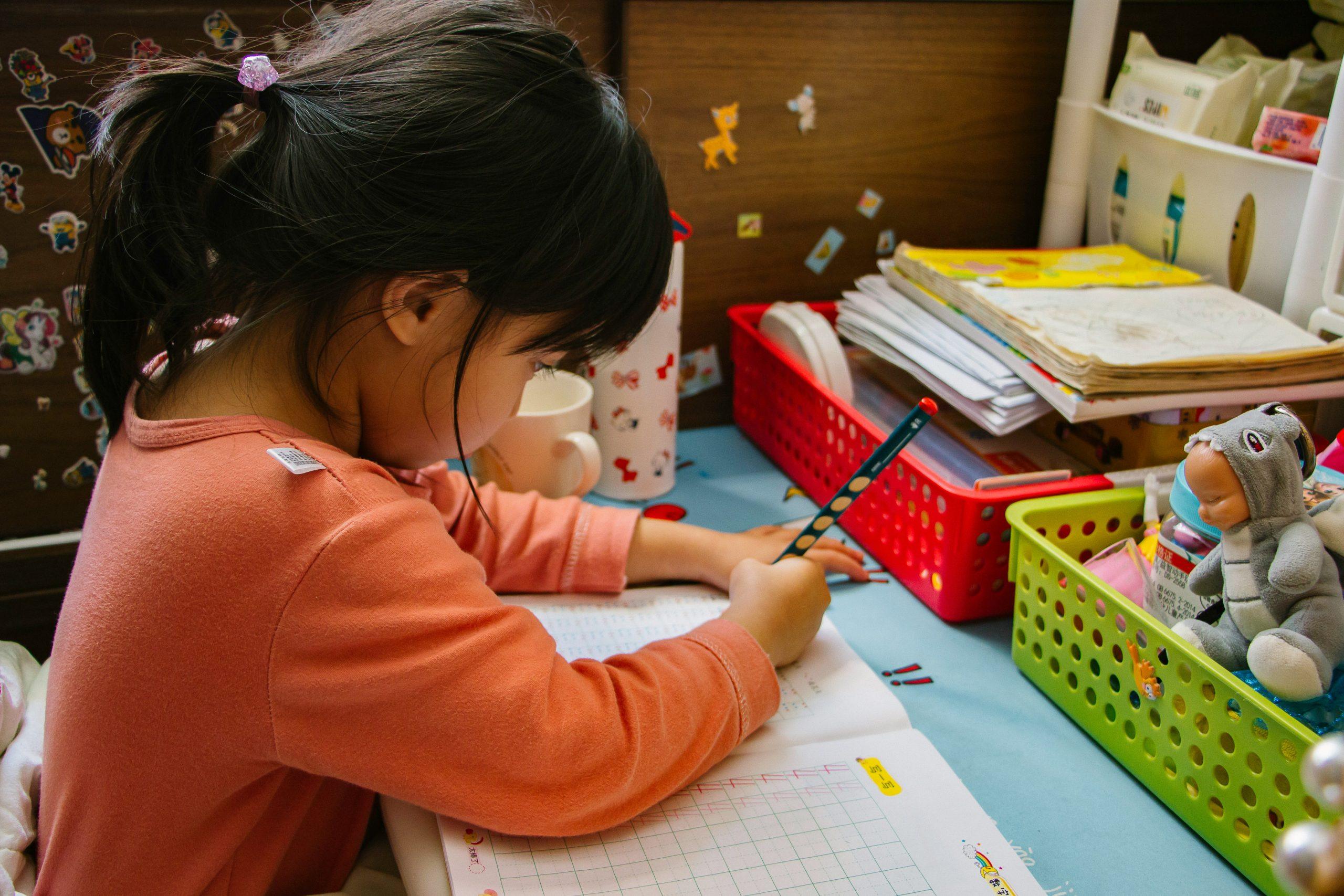
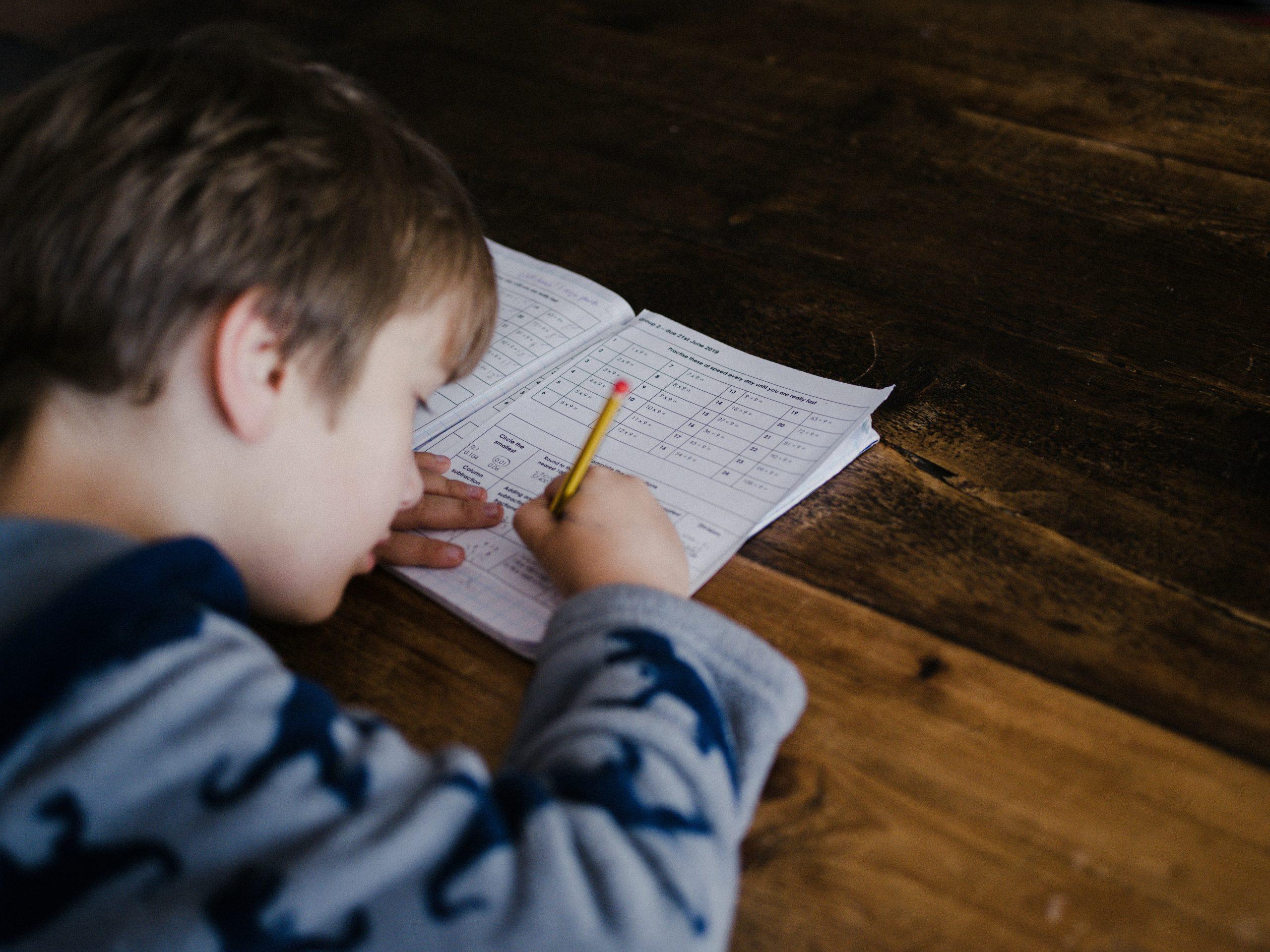
Kids don’t have to be perfectly quiet and motionless for ages before their school day even begins. However, being able to concentrate on a little story, an easy thing to do, or something with the whole group for only a short while is generally useful for them. It means they’ll be able to get involved when the teacher is doing something with the class.
Teachers and other experts in education have frequently observed that how long someone can pay attention builds slowly, and is different depending on how old they are. Reading, doing puzzles, and short times of being shown what to do are all straightforward ways to improve that ability.
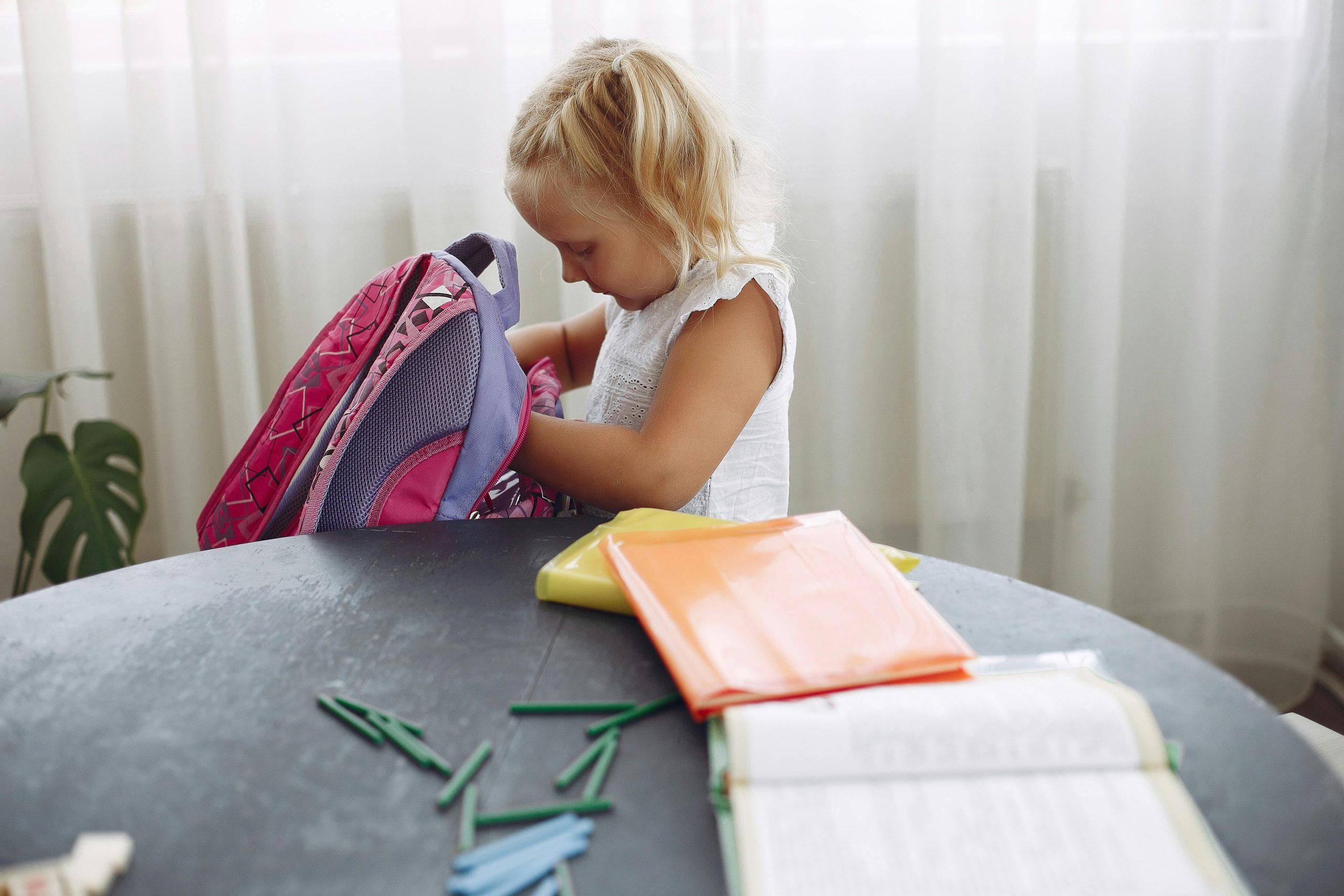
When kids can do things for themselves, school is usually easier to get through. They do well with washing their hands, dealing with easy bits of clothing, opening their lunchboxes, and doing other things a child of their age should be able to do each day.
Teachers of young children will commonly say that being independent makes kids more confident. Plus, handling these normal, everyday things means they won’t need a grown-up to help them all the time when the classroom is hectic.
Being curious is a really great base for actually learning things. Kids who wonder about stuff, investigate what things are made of, and are keen to try new things usually get used to school life pretty easily. This way of thinking helps with both learning your letters and numbers, and with believing in yourself.
When people who study how young children learn talk about being ‘ready’ for school, they say it isn’t just how many skills a child has. It’s also being willing to get involved, watch what’s going on, and not giving up when something is unfamiliar.
You can help your child get ready for school just by doing things with them in the normal course of the day, and with easy things to do. When you read with your child, give them little instructions to follow, get them into the habit of tidying up, and chat with them, you’re actually getting them prepared for what school will be like. This doesn’t need to be all structured or feel as if you’re putting them on the spot.
Those who know about these things say it’s better to do a little bit regularly, than to try to teach a lot all at once. Little things you do each day are normally what help a child settle into school most successfully.
Q: What are school readiness skills?
A: School readiness skills are the social, emotional, communication, and early learning abilities that help children adjust to school successfully.
Q: Are school readiness skills only about academics?
A: No, school readiness skills also include following routines, handling frustration, communicating clearly, and participating in group activities.
Q: How can parents support school readiness at home?
A: Parents can support school readiness through reading, routines, turn-taking games, communication practice, and simple self-care tasks.
Q: Do children need all school readiness skills before starting school?
A: No, children continue developing these skills after school begins. Readiness is about building a helpful foundation, not reaching perfection.
When kids have the skills to be ready for school, they can deal with what happens in the classroom, get along with other children, and start learning much more easily. These skills are about being able to talk, pay attention, manage their feelings, and do things on their own. And families can help with school readiness just by doing things together every day at home. Because of these skills, going to school is generally easier and causes children less worry.