Why Children Lose Focus After School and What Often Helps Most
- May 1, 2026
- 0
Many families notice that children lose focus after school even when they seemed to manage the school day well. A child may come home and drift from one

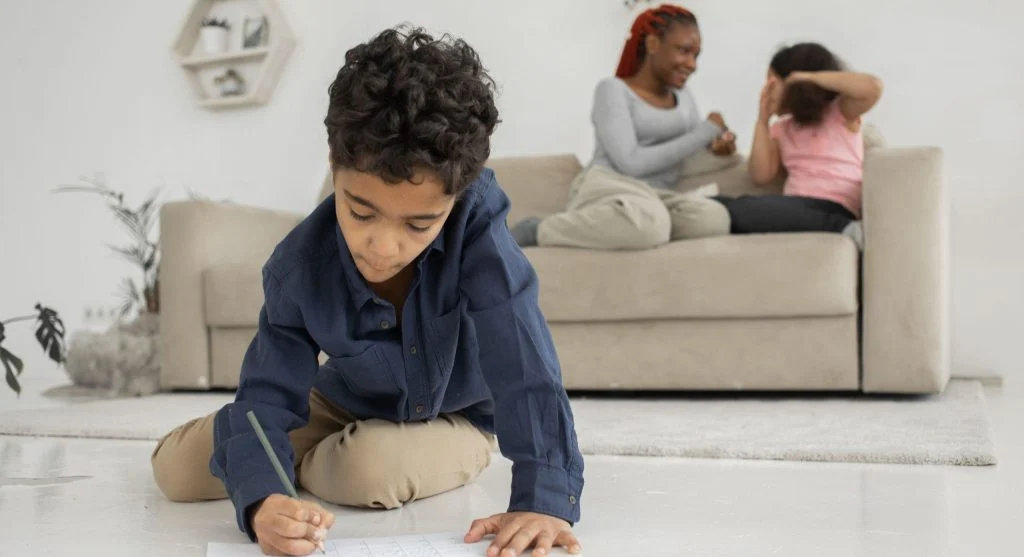
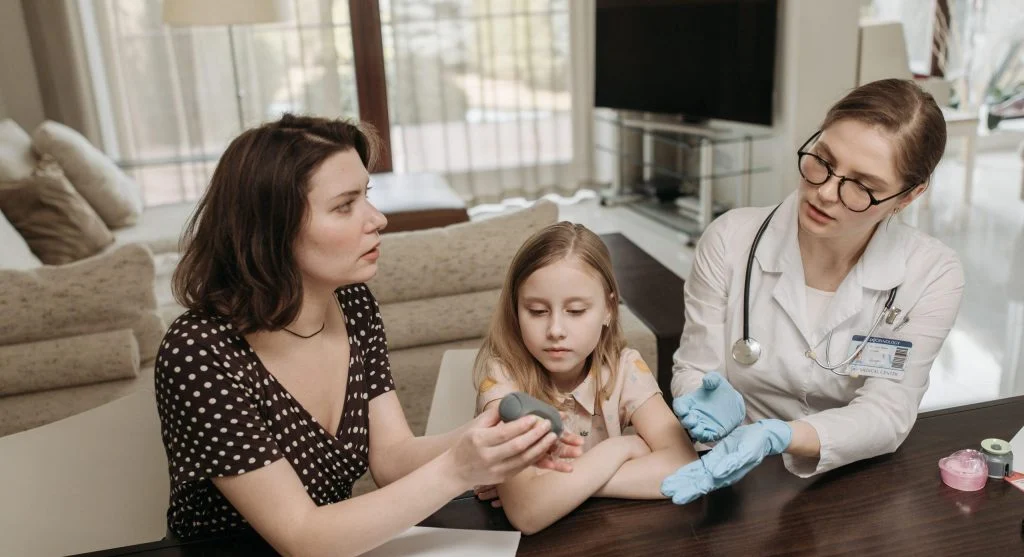
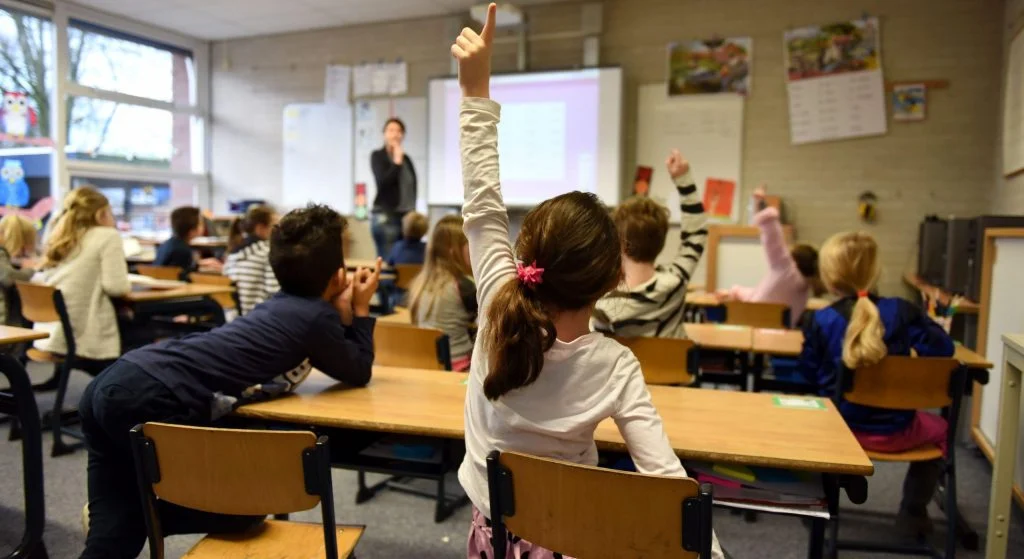
Many families notice that children lose focus after school even when they seemed to manage the school day well. A child may come home and drift from one
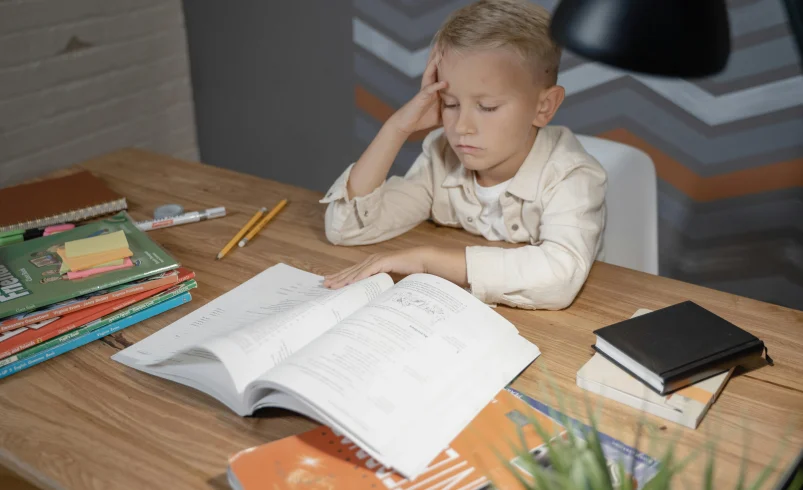
Many families notice that children lose focus after school even when they seemed to manage the school day well. A child may come home and drift from one task to another, forget simple steps, stare at homework without starting, or become distracted by very small things. These moments often leave adults wondering why concentration seems so much weaker at home than at school.
Family experts often explain that when children lose focus after school, the problem is not always lack of effort. In many cases, the child is mentally tired, emotionally full, hungry, or still adjusting from one environment to another. Understanding why children lose focus after school can help families build calmer routines that support better attention and easier evenings.
A school day uses much more attention than many adults realize. Children spend hours listening, waiting, transitioning, following group directions, and managing academic tasks. Even children who enjoy school often use a great deal of mental energy just to stay on track for the day.
Child development specialists often note that children lose focus after school because attention is not unlimited. After many hours of structured demands, the brain often has less energy left for homework, chores, and organized conversation. This is especially true when the child has not had enough time to recover first.
Fatigue after school does not always look like obvious sleepiness. It often shows up as irritability, distraction, arguing, silliness, or emotional sensitivity. A child who seems active may still be mentally tired. In those moments, focus often becomes much harder to hold.
Experts in child learning often explain that school-day fatigue affects working memory, patience, and task initiation. That means the child may know what needs to happen next but still have trouble starting or staying with it. This helps explain why children lose focus after school during tasks that usually look simple.
After school, children are not only tired. They are also moving from one environment into another. Home has different rules, different noise levels, and different expectations. That transition alone can make attention feel less steady during the first part of the afternoon.
Family therapists often explain that transitions are demanding because they ask the child to shift both mentally and emotionally. When children lose focus after school, the transition itself may be part of the reason, not only the homework or routine that follows.
Credit: Anastasia Shuraeva / Pexels
Hunger is one of the fastest ways to make attention weaker. A child who comes home ready for a snack may struggle to listen, wait, or focus on any later task until that basic need is met. Noise, sibling activity, screens, and clutter can add even more pressure to an already tired brain.
Family wellness professionals often note that children lose focus after school more easily when the home environment immediately adds several new demands. A snack, a calmer space, and fewer competing distractions often help much more than adults expect.
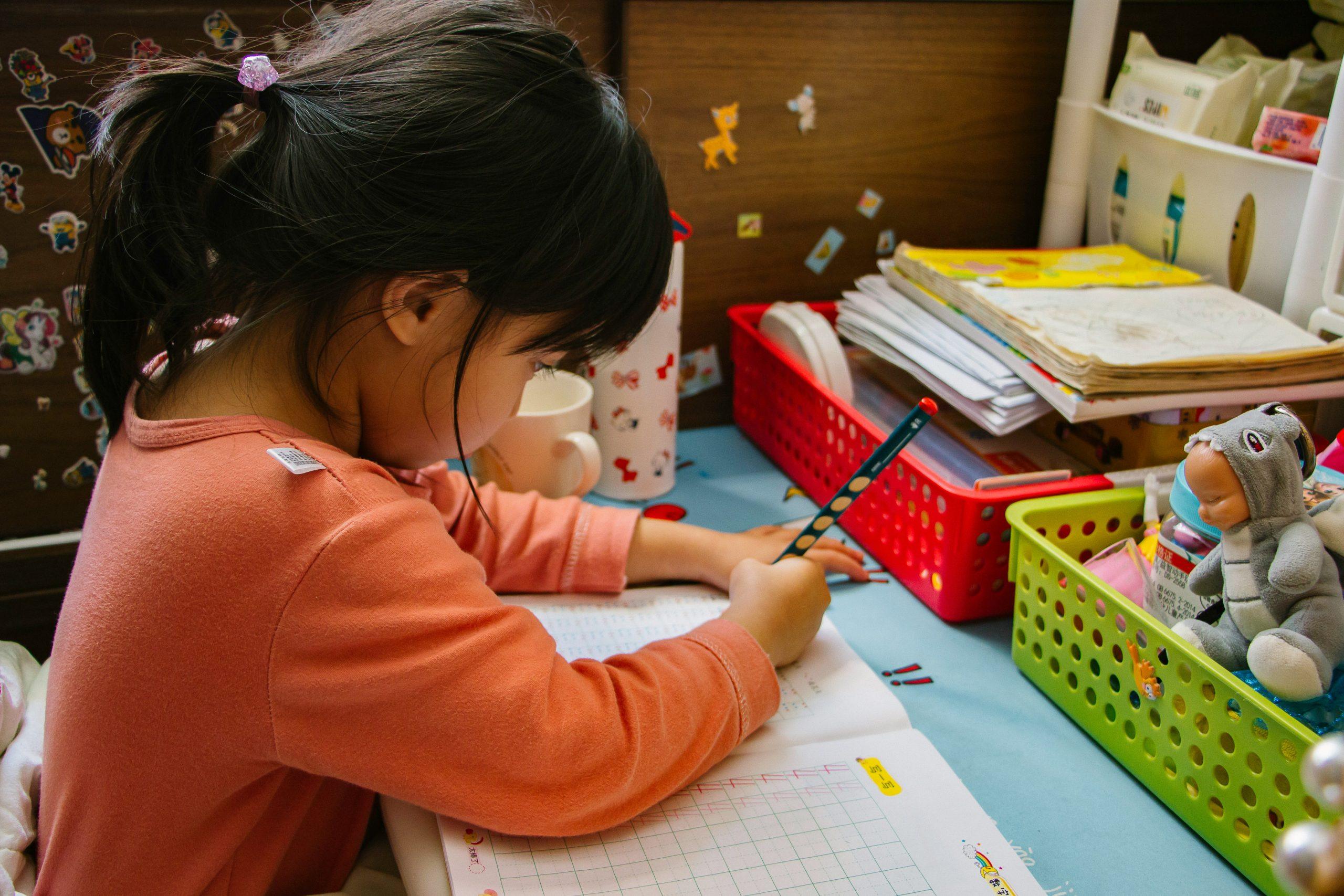
Homework asks children to return to a school-style task after already spending many hours in that mode. Even when the assignment is short, the child may react strongly because homework feels like one more demand before there has been enough recovery. This can make homework habits look weaker than they really are.
Experts in school-age routines often explain that attention after school is often tied to timing, not only motivation. Some children need a short break first. Others need movement or food before they can sit down and think clearly again. Stronger homework habits usually grow when the routine matches the child’s actual energy pattern.
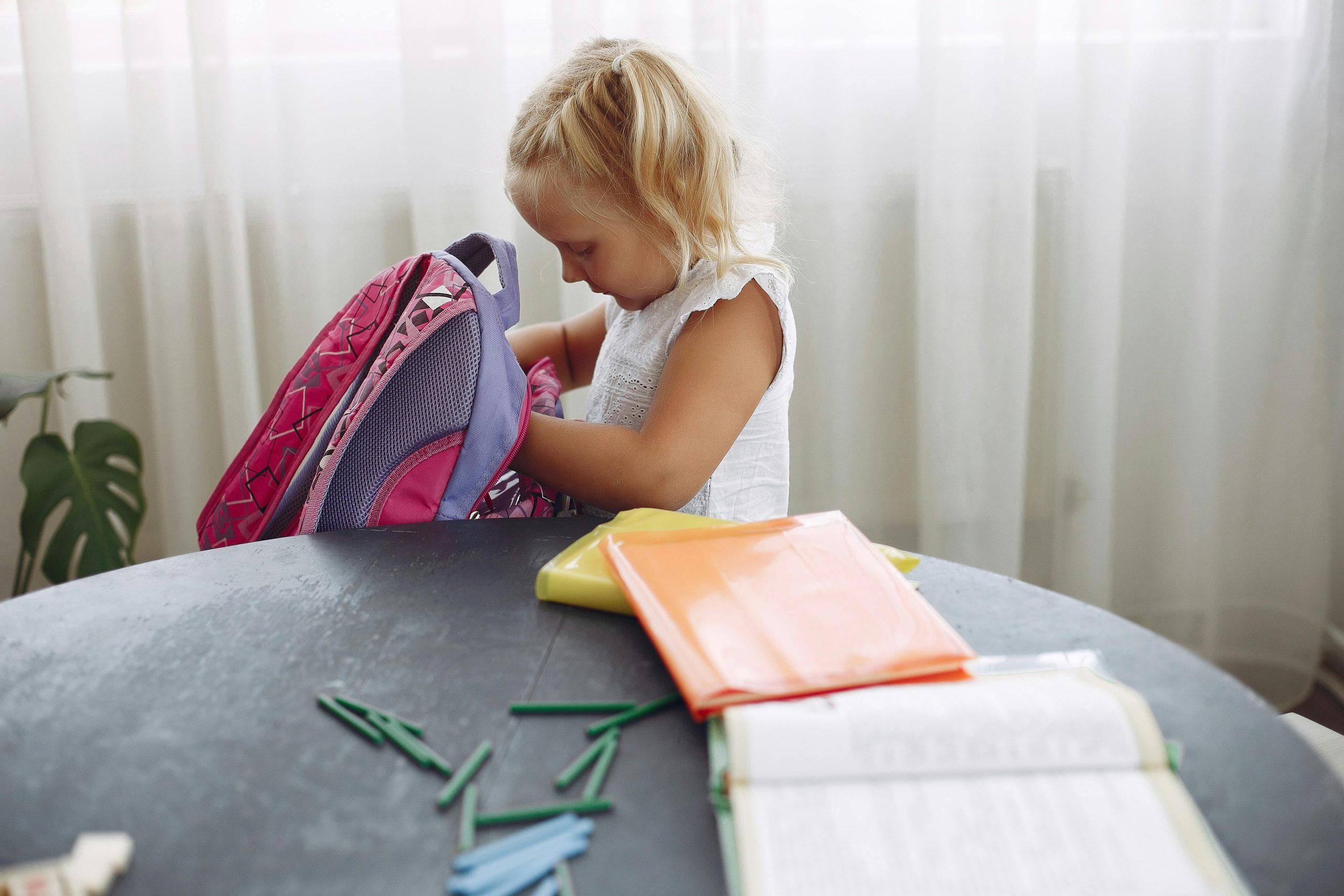
Family experts often recommend a short after-school reset before new demands begin. This may include unpacking the bag, having a snack, drinking water, changing clothes, or taking a few quiet minutes. A short reset often helps the child move from school mode into home mode with less stress.
Child development professionals often note that children lose focus after school less often when adults lower the first set of demands. The child may not need a full afternoon off. The child may simply need a predictable recovery point before concentration is expected again.
Routines help because they reduce decision-making. If the child knows that snack comes first, then a break, then homework, the brain does not need to keep figuring out what happens next. That saved mental energy can make later focus easier to access.
Family organization experts often explain that routines do not create attention on their own, but they create better conditions for attention. When the afternoon follows a familiar pattern, children often settle more quickly and show steadier participation in the tasks that matter.
If focus regularly collapses after school, it often helps to look at the whole sequence of the afternoon. The issue may be hunger, timing, noise, screen use, lack of movement, or a homework start that comes too soon. One small change in the order of events can sometimes improve the whole evening.
Experts in family routines often recommend watching patterns for several days instead of judging one difficult afternoon. If children lose focus after school at the same point each day, that pattern usually gives useful clues about what needs to change.

Credit: Katerina Holmes / Pexels
Most families improve after-school focus by adjusting one or two parts of the routine rather than trying to fix everything at once. Adding a snack, reducing noise, creating a clearer homework start time, or giving the child a short movement break can all help. Small changes usually matter more than long reminders about paying attention.
Experts in homework habits often note that attention improves gradually when the routine supports it consistently. A child may still have hard days, but the afternoon often becomes more predictable, calmer, and easier to manage. Over time, that often leads to better focus and less daily tension at home.
Q: Why do children lose focus after school so easily?
A: Children often lose focus after school because the school day already uses a large amount of attention, self-control, and emotional energy.
Q: What helps children focus better after school?
A: A snack, a short break, calmer surroundings, movement, and a predictable after-school routine often help children focus better after school.
Q: Does losing focus after school mean a child is lazy?
A: Not usually. In many cases, losing focus after school reflects mental fatigue, hunger, or transition stress rather than lack of effort.
Q: Should homework happen right away if a child loses focus later?
A: Not always. Many experts recommend a short reset first so the child can recover enough to focus more effectively afterward.
Children lose focus after school for many understandable reasons, including mental fatigue, hunger, transition stress, and the simple strain of a long structured day. Family experts usually recommend calmer after-school routines with time to reset before new demands begin. Small changes in timing, food, movement, and environment often help more than repeated reminders. Over time, these supports can make afternoons feel more balanced and easier for the whole family.
Word Count: ~1,085 | Images: 1 Featured + 2 In-Body = 3 Total
All images: Landscape orientation
Readability: 6th to 8th grade
INTERNAL LINKING SUGGESTIONS