How to Turn Lost Paper Problems Into a Simple Family School System
- June 10, 2026
- 0
Many families do not struggle with school paperwork because there is simply too much paper. They struggle because the paper has no reliable path through the house. A


Many families do not struggle with school paperwork because there is simply too much paper. They struggle because the paper has no reliable path through the house. A
Many families do not struggle with school paperwork because there is simply too much paper. They struggle because the paper has no reliable path through the house. A worksheet lands on the kitchen table, a permission slip disappears under a backpack, and a signed form never makes it back into the folder. By the time adults realize something is missing, the deadline may have already passed.
Family experts often explain that paper problems are usually system problems, not effort problems. Children may want to do the right thing, but if papers do not have a clear route from school bag to home and back again, they often get lost somewhere in the middle. A simple family school system can reduce stress, prevent missed forms, and make school organization feel much less chaotic.
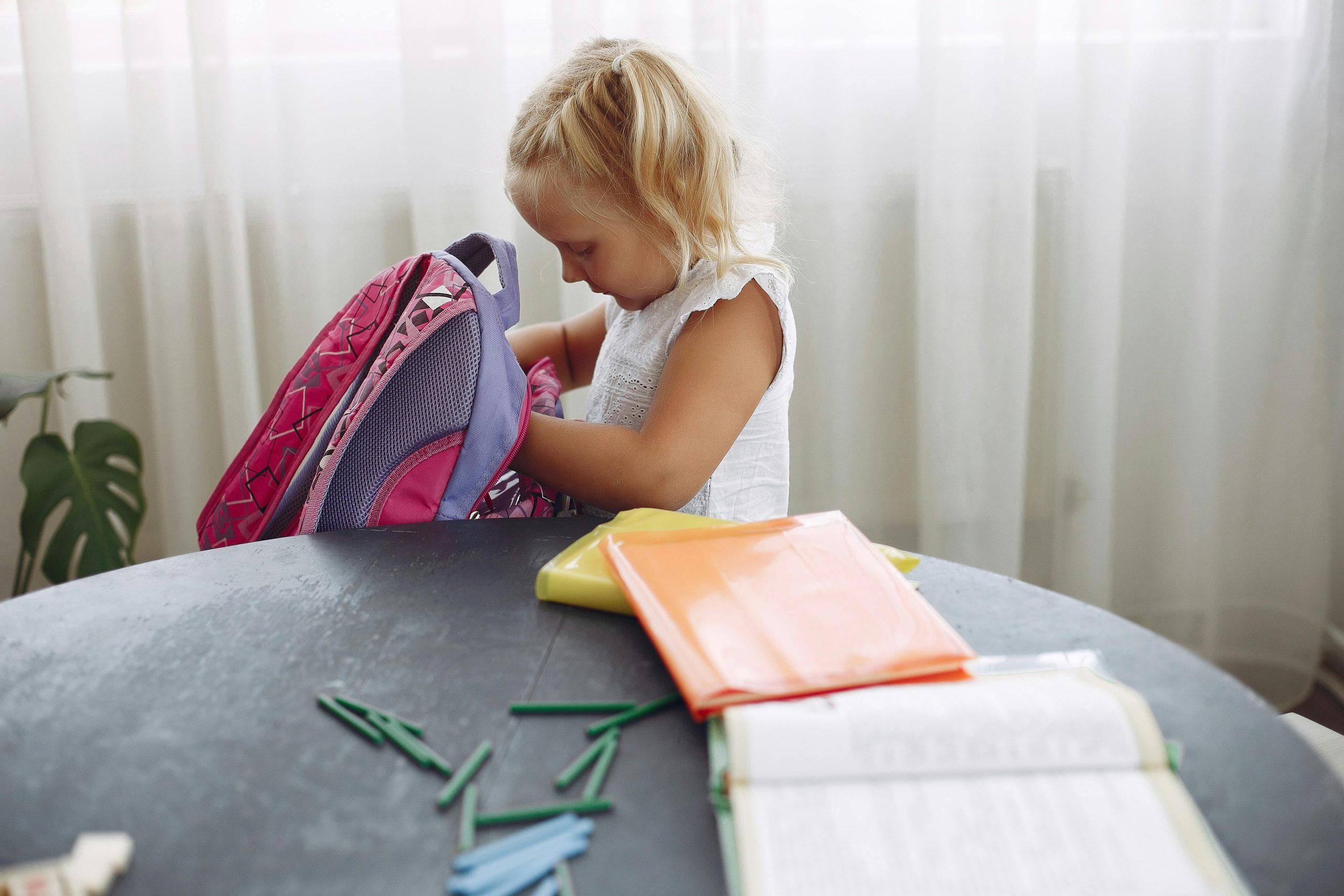
School papers are often handled during rushed transitions. Children come home tired, hungry, or distracted. Adults may be starting dinner, helping siblings, or still thinking about work. In that moment, a paper that should go in one clear place often ends up wherever the child drops the backpack first.
Home organization specialists often note that lost paper problems repeat because papers have too many possible stopping points. A worksheet may move from the backpack to the counter, then to a table, then under another pile, then back into the wrong folder. Each extra stop increases the chance that nobody remembers where it went.
A good family school system turns paper handling into a predictable path. Instead of relying on memory, it creates a visible routine. The child knows where papers go after school. The adult knows where to check for forms that need attention. Finished or signed papers then have one place to wait before going back into the backpack.
Experts in school readiness often explain that children usually do better when tasks are physical and visible. A paper tray, return folder, or school station can answer questions before adults need to ask them out loud. This lowers both clutter and conflict.
The first step is choosing one location where all school papers go as soon as the child gets home. This may be a tray on the counter, a wall pocket by the entry, or one folder in a family command area. The key is that the space is easy to reach and used every day.
Family routine experts often explain that the paper spot should be close to the natural after-school path. If the system is too far away or hidden in a room nobody passes through, it will not last. Convenience matters more than appearance at the beginning.
Many paper systems fail because they are too detailed. Families often do better with only a few categories. One area can be for “needs parent,” one for “finished and return,” and one for “keep at home.” That is usually enough to stop the most common paper confusion.
Experts in family organization often recommend keeping categories simple because children are more likely to use them. A child can usually sort between these three choices much faster than between many tiny categories that feel too similar.
A family school system works best when paper handling happens at the same time each day. Some families do this right after snack. Others do it when backpacks are unpacked. The exact timing matters less than making it a repeatable part of the return-home routine.
Child development specialists often note that children follow routines more consistently when they happen in the same order. If unpacking the bag, checking papers, and placing papers in the home station always happen together, the system becomes easier to remember and maintain.
Parents often miss forms because they assume children will mention them. In reality, many children forget to explain what a paper needs or when it is due. It often helps to create one brief adult check time each day. This may take only a few minutes, but it can prevent surprise deadlines later.
Family wellness professionals often recommend doing this check at a calm time instead of waiting until morning. A quick evening review often works well because adults can sign, respond, or return items before the next school day begins.
One of the biggest paper mistakes happens after the form is completed. A paper gets signed, then left on a counter instead of returning to the school bag. That is why a return zone matters. Once something is finished, it should go directly into one clear place that connects back to the backpack.
Experts in school organization often explain that families should not assume finished means done. A paper is only done when it has returned to the child’s school system. One clear waiting place helps bridge that final step.
Some families try to solve paper problems by telling children to keep everything in the backpack. This often creates clutter inside the bag and makes it harder to see what matters. A better approach is to let the backpack act as the transport tool, while the home station handles sorting and review.
Home routine experts often note that the backpack should carry papers, not organize them. When the bag becomes both transport and filing cabinet, important forms are much easier to miss.
Systems usually weaken when papers are allowed to land in several rooms, when adults skip the short review too many days in a row, or when categories become too complicated for the child to use. The system can also fail if school papers get mixed with household mail, receipts, and unrelated clutter.
Family communication experts often recommend noticing where the paper flow still breaks. If papers never leave the backpack, the after-school routine needs support. If signed papers do not return to school, the return zone may need to be more visible. The system often improves through small adjustments rather than a full replacement.

A strong family school system does not mean adults do everything forever. It gives children a structure they can gradually use more independently. Over time, a child may begin sorting papers correctly, noticing return items faster, and remembering the sequence with fewer reminders.
Experts in child responsibility often explain that independence usually grows through visible routines, not only through lectures about being organized. When children can see the steps clearly and repeat them often, school organization becomes more realistic and less stressful.
Q: What is a simple family school system?
A: A simple family school system is a home routine with one paper station, a few clear categories, and a predictable path for papers moving from school to home and back again.
Q: Why do school papers get lost so easily?
A: School papers often get lost because they move through rushed transitions and do not have one clear place to go once children get home.
Q: How can families stop missing permission slips and school forms?
A: Families often do best by creating one paper station, sorting forms by purpose, checking papers daily, and giving return papers a clear waiting spot.
Q: Should children help manage the school paper system?
A: Yes, many children can help sort papers and place them in the right sections, especially when the system stays simple and easy to repeat.