Why Small After-Dinner Walks Can Quietly Improve Family Life
- July 6, 2026
- 0
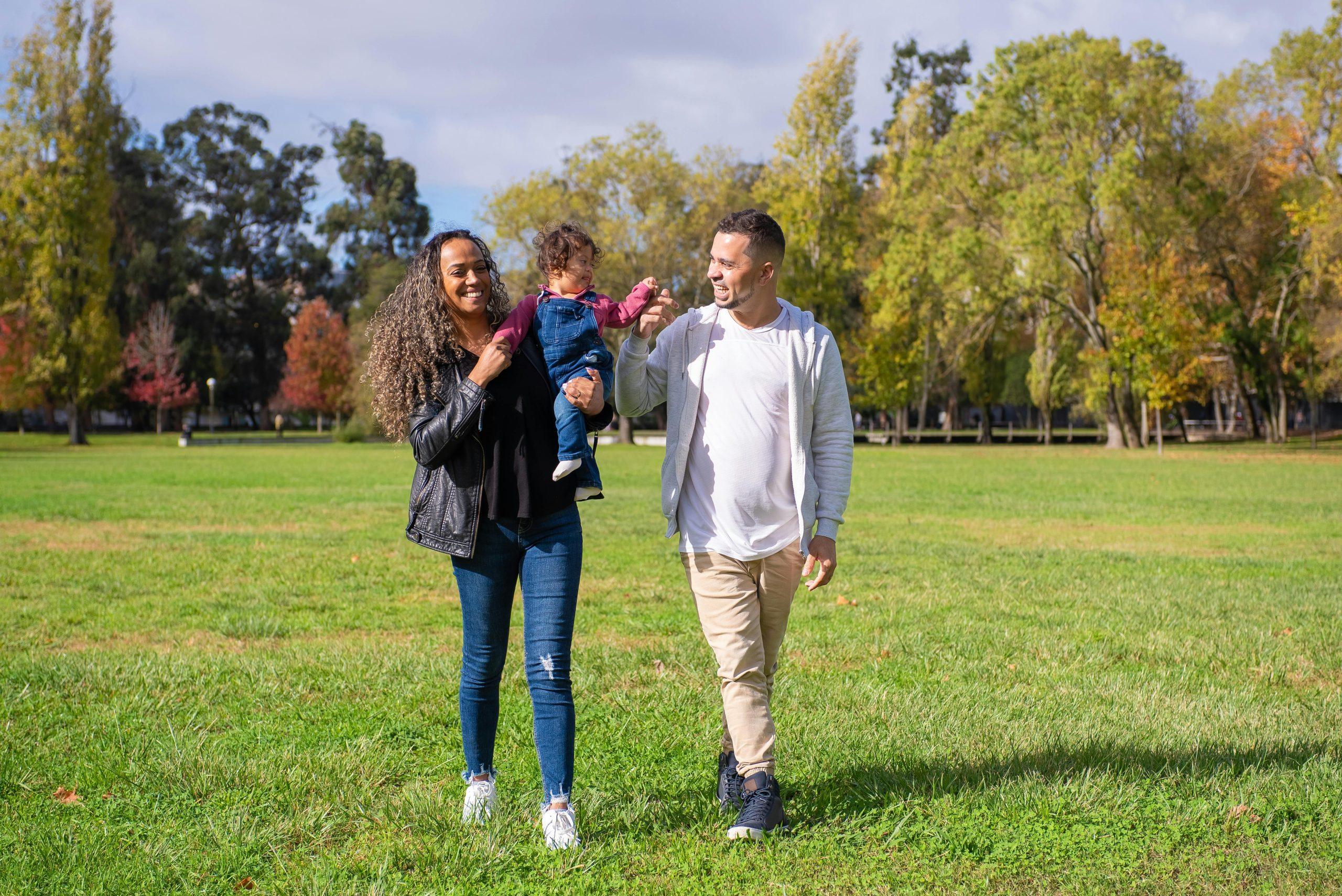
Many families look for bigger ways to feel more connected. They think about vacations, special outings, or weekend plans that take time, money, and energy to organize. Yet



Many families look for bigger ways to feel more connected. They think about vacations, special outings, or weekend plans that take time, money, and energy to organize. Yet
Many families look for bigger ways to feel more connected. They think about vacations, special outings, or weekend plans that take time, money, and energy to organize. Yet some of the most helpful family habits are much smaller than that. A brief walk after dinner, even one that lasts only ten or fifteen minutes, can change the emotional tone of the whole evening in ways adults often do not expect.
Family experts often explain that small after-dinner walks work because they create a gentle shift between one part of the day and the next. Dinner is over, but bedtime has not started yet. The family is no longer rushing, but may still be carrying stress, noise, or leftover energy. A short walk gives everyone a way to reset together without making the evening feel crowded with one more big activity.
By dinner time, many households are carrying the weight of the full day. Children may be full of school stories, social tension, screen habits, or restlessness. Adults may be finishing work thoughts, cleaning up, and trying to prepare for what still needs to happen before bed. Even when everyone is home, the family may not actually feel settled yet.
Family wellness specialists often note that evenings can become emotionally heavy when there is no clear transition out of the busiest part of the day. The family may move directly from eating into chores, homework, devices, or bedtime pressure without a real pause. A short walk can provide that missing middle space.
A walk does not need to be long to be useful. Simply getting outside together changes movement, sound, and attention. Indoors, family stress often gets trapped inside tasks and noise. Outdoors, people tend to move more naturally, talk more casually, and carry less intensity in the same moment.
Experts in family lifestyle habits often explain that small after-dinner walks help because they lower pressure without requiring anyone to “have a talk” or “do something special.” The family is simply moving side by side, and that side-by-side rhythm often softens the end of the day.
Many parents notice that children open up more easily during movement. A child who says very little at the table may suddenly start sharing something halfway down the block. This happens partly because walking reduces the intensity of face-to-face conversation. The child is not sitting under direct attention in the same way.
Child development experts often explain that movement can make feelings easier to express. A child may talk more freely when the body is occupied and the conversation feels less formal. This is one reason after-dinner walks can quietly improve family communication without anyone planning a deeper discussion.
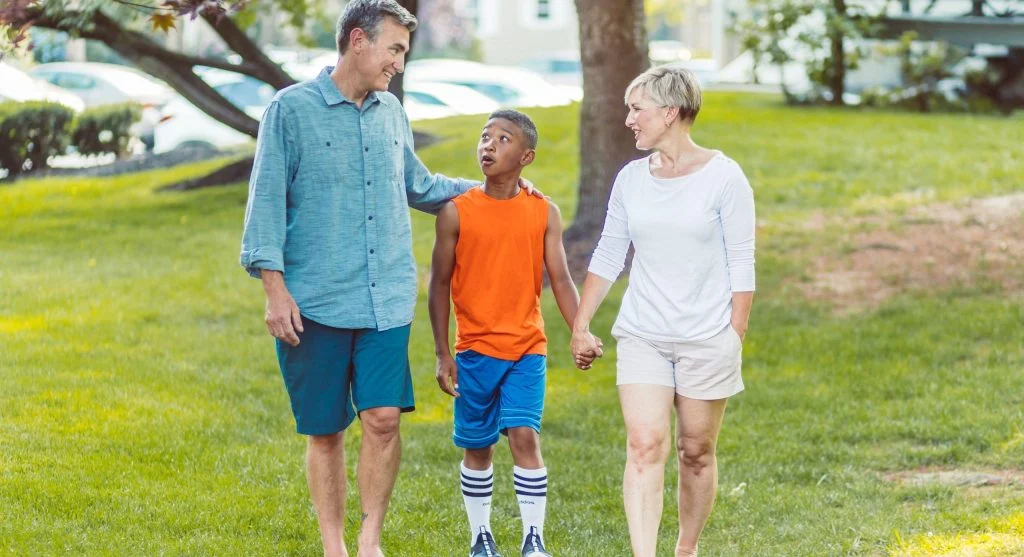
Children often reach evening with energy that has not fully settled, even if they also look tired. Sitting indoors after dinner can sometimes make that restlessness worse. Siblings may start arguing, children may bounce between activities, and bedtime can feel more abrupt because the body never had a gentle release of energy.
Experts in child behavior often note that small after-dinner walks can help because they give restless energy somewhere simple to go. The child is not being asked to perform, focus, or transition instantly into quiet. The body gets one more natural movement period before the evening closes down further.
Many parents avoid weeknight family activities because they sound like too much work. A walk feels different. It does not need equipment, a full plan, or a perfect mood from everyone. It can be short. It can be quiet. It can happen even when the day was not especially good.
Family routine experts often explain that low-pressure habits last longer because they fit real family life. A short walk can happen on an ordinary evening without turning into one more item on the family’s mental to-do list.
One reason evenings become tense is that bedtime often feels like a hard stop. Children may go straight from dinner, screens, or noisy indoor movement into brushing teeth and trying to settle down. A short walk creates a softer bridge. The body moves, the family reconnects, and the mind begins shifting away from the main activity of the day.
Experts in bedtime routines often note that small after-dinner walks can make bedtime smoother because they help the evening change shape gradually instead of suddenly. That gradual shift often reduces resistance later, especially in children who struggle with transitions.
After-dinner walks are not only for children. Many adults feel mentally crowded at the end of the day and may not fully realize how much they need a reset too. Stepping outside, moving the body, and leaving the house for a short time can lower some of the mental heaviness that builds indoors across a busy day.
Family wellness professionals often explain that the value of this habit is shared. When adults feel slightly calmer, the whole household usually benefits. Even a small improvement in adult patience and energy can change the emotional tone of the rest of the evening.
Many families assume a walk needs to be long enough to “count.” Others think everyone has to be in the mood or that the weather has to be ideal. Sometimes parents worry the walk will take too much time from cleanup, homework, or bedtime. In reality, the walks that help most are often the shortest and simplest ones.
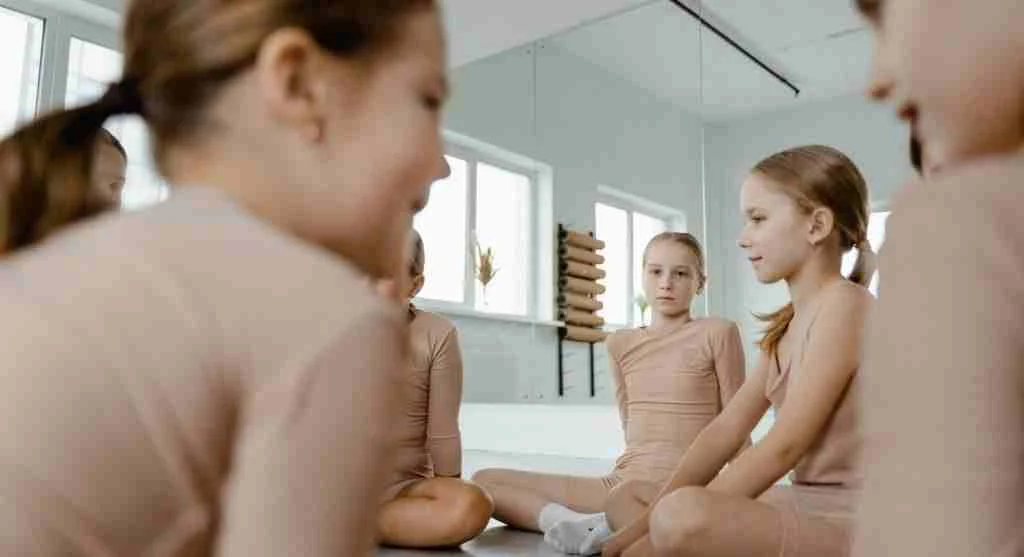
Experts in family lifestyle patterns often recommend letting the walk stay small. It may only mean going to the corner and back, circling the block once, or walking while one child rides a scooter. The point is not exercise goals. The point is the shared transition.

Most habits last when they are tied to something that already happens. After-dinner walks often work best when they follow the same moment most evenings, such as right after the table is cleared or before the final part of the bedtime routine begins. Families may also find it easier to keep the habit when they stop expecting everyone to be equally excited every time.
Family experts often recommend focusing on repeatability over enthusiasm. A small walk that happens regularly usually helps more than a bigger walk that only happens when the whole family feels motivated. Consistency is what turns the walk into part of family life instead of a rare extra activity.
Children often remember repeated feelings more than dramatic plans. They may not think of the walks as important while they are happening, but later those evenings can become part of what home felt like. The route, the air, the easy conversation, and the regularity can all become emotionally meaningful over time.
Experts in family connection often explain that small after-dinner walks matter because they teach children what ordinary togetherness feels like. That kind of memory can be built quietly and without much effort, which is part of what makes the habit so powerful.
Q: Why are small after-dinner walks good for families?
A: They often help because they create a calm transition between dinner and bedtime, reduce restlessness, and support natural family connection without much pressure.
Q: Do after-dinner walks need to be long to make a difference?
A: No. Even short walks can help if they create a predictable pause and a calmer rhythm in the evening.
Q: What if children do not want to talk during the walk?
A: That is fine. The value often comes from the shared movement and calmer atmosphere, not only from conversation.
Q: Can after-dinner walks help bedtime go better?
A: Yes, they often help by releasing energy, reducing tension, and making the shift into bedtime feel less sudden.
Key Takeaway: Small after-dinner walks can quietly improve family life by creating a gentle reset between the busy day and the final part of the evening. Families often benefit most when the walk stays simple, short, and easy to repeat. Over time, this small habit can support calmer nights, better connection, and a more settled feeling at home.