Why One Shared Family Calendar Spot Often Makes Weekly Life Easier
June 6, 2026
0
Many families do not feel stressed because their schedule is unusually full. They feel stressed because information is scattered. One event is saved on a phone, another is
Many families do not feel stressed because their schedule is unusually full. They feel stressed because information is scattered. One event is saved on a phone, another is mentioned out loud, one paper stays in a school folder, and a reminder is remembered only when everyone is already late. By the middle of the week, the problem is not only busyness. The problem is that no one can clearly see the week in one place.
Family experts often explain that one shared family calendar spot can make daily life easier because it turns planning into something visible. Instead of relying on memory, scattered texts, or repeated verbal reminders, the household has one reliable place that answers what is happening and when. That kind of visual order often lowers stress more than families expect.
Why Weekly Confusion Builds So Quickly in Family Life
Family schedules usually include more than appointments. They include school events, sports gear days, library return dates, early dismissals, meal changes, family visits, practice times, and home tasks that affect the rest of the day. When these details live in too many different places, adults and children can lose track of what matters most.
Home organization specialists often note that weekly confusion grows quietly. A family may manage well on Monday and Tuesday, then start forgetting key details by Wednesday because the schedule was never gathered into one visible system. A shared family calendar spot helps stop that drift before it turns into household tension.
What a Shared Family Calendar Spot Actually Does
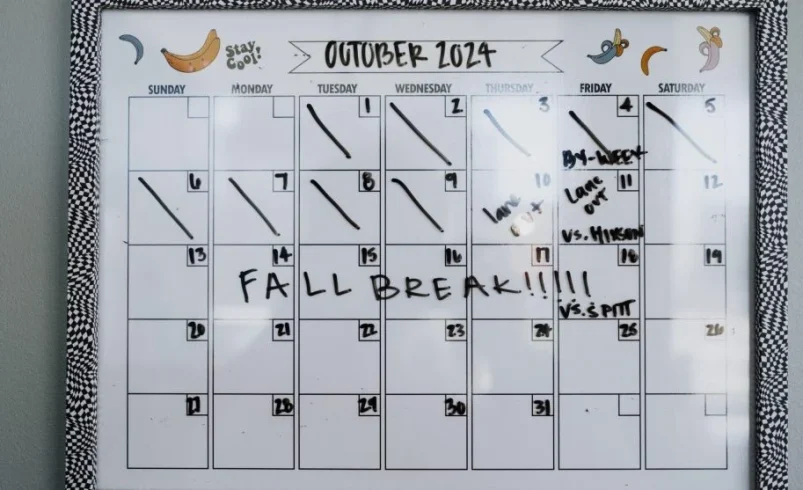
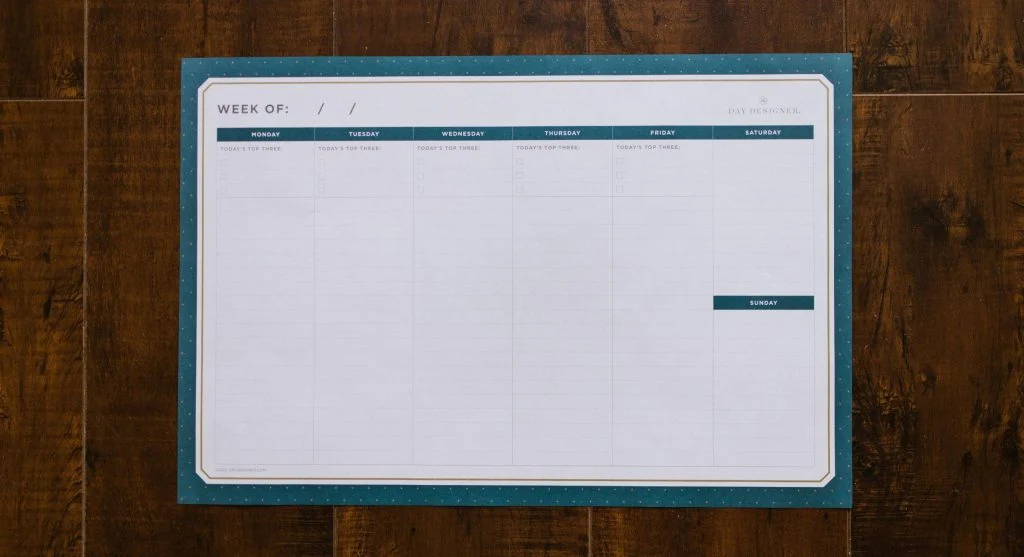
A shared family calendar spot is not just a calendar on a wall. It is one place in the home where the week becomes visible and usable. It may include a paper calendar, a dry-erase board, a note area for changing plans, and perhaps a place for school reminders that affect the schedule. The key is that it gives family members one common reference point.
Experts in family systems often explain that visibility changes behavior. When the week is easy to see, children begin understanding what is coming, adults catch conflicts earlier, and reminders do not need to depend on repeated mental effort alone.
Why One Shared Family Calendar Spot Works Better Than Scattered Reminders
Verbal reminders disappear quickly. A child may hear about picture day during breakfast and forget it by afternoon. An adult may mention a dentist visit while unloading groceries and then assume everyone remembers. Spoken reminders can help, but they do not stay present long enough to carry a busy week on their own.
Family wellness professionals often explain that a shared family calendar spot works because it remains available after the conversation ends. People can return to it, double-check it, and use it as part of the routine instead of depending on perfect memory.
Children often handle the week better when they know what to expect. A visible calendar spot can help them see that there is a school event tomorrow, sports practice after school, or a different pickup plan on Friday. This kind of preparation can reduce resistance because fewer parts of the week feel sudden.
Child development specialists often note that predictability supports emotional stability. A child who sees the week more clearly may ask fewer repeated questions and feel more included in family life. The calendar spot becomes part of how the family communicates security and structure.
Why the Location of the Calendar Matters So Much
A family calendar can be perfectly designed and still fail if it lives in the wrong place. If it is tucked in a quiet room that nobody passes during the busiest parts of the day, it will not shape routines very well. A shared family calendar spot usually works best where people naturally pause, such as the kitchen, entryway, or near the place where school items are handled.
Experts in home routines often explain that useful systems live where real life happens. Families usually do better when the calendar is placed in a high-traffic area rather than a neat but rarely used part of the home.
What Should Be Included in a Simple Family Planning Spot
The best planning spot is usually clear, not crowded. Many families do well with a calendar, one notepad for quick schedule changes, and a space for school items that affect the week. Some also add a short meal note or one section for items that need to go out the door on certain days.
Home routine experts often recommend keeping the area focused. If the planning spot fills with unrelated mail, decorations, and random papers, it stops being easy to read. The purpose is not to create a huge command center. It is to make the week visible in a simple way.
How One Shared Family Calendar Spot Helps Adults Too
Adults often carry the schedule mentally, which can become exhausting. One visible planning area reduces how much information has to stay in one person’s head at all times. That alone can lower household tension. Instead of answering the same schedule questions repeatedly, adults can refer back to one trusted system.
Family communication experts often note that shared visibility can reduce resentment as well. When the week is visible to everyone, planning feels more like a household process and less like one adult silently carrying every detail alone.
What Often Weakens This Kind of System
A shared family calendar spot often stops working when it is updated too rarely, filled with too much information, or treated as decoration instead of a daily tool. It can also weaken if digital plans and paper plans do not match, leaving the household unsure which version is correct.
Experts in family organization often recommend keeping the system simple enough to maintain every week. A smaller accurate calendar is usually much more useful than a larger beautiful one that nobody updates after three busy days.
How Families Can Make the Calendar Spot Part of Normal Life
The system works best when families look at it regularly instead of only during crisis moments. A short evening glance, a quick Sunday planning check, or a morning look before leaving the house can keep the calendar connected to everyday life. The more naturally it fits the family rhythm, the more useful it becomes.
Experts often recommend building one tiny habit around the calendar spot first. Some families check tomorrow’s schedule after dinner. Others review the week on Sunday afternoon. One small repeated habit often helps the whole system stay active.
Frequently Asked Questions
Q: What is a shared family calendar spot?
A: A shared family calendar spot is one visible home location where the family can see important weekly plans, school events, schedule changes, and reminders in one place.
Q: Why does one shared calendar help family life?
A: It helps because it reduces forgotten details, lowers repeated verbal reminders, and gives both adults and children one clear view of the week ahead.
Q: Where should a family calendar spot go?
A: It usually works best in a high-traffic place such as the kitchen, entryway, or near the area where school items and daily routines are handled.
Q: What should families put in a shared calendar area?
A: Many families include a weekly calendar, a spot for schedule notes, and a small place for school reminders that affect the household routine.
Key Takeaway
One shared family calendar spot often makes weekly life easier because it turns scattered plans into one visible, reliable routine. Families usually benefit most when the system stays simple, accurate, and placed where everyday life already happens. Over time, this kind of planning area can reduce forgotten events, lower stress, and help children and adults feel more prepared for the week ahead.