When families have a solid routine, things are more predictable at home which can really lessen everyone’s daily stress. Kids generally thrive knowing what to expect, and parents tend to feel a lot calmer when the things they do over and over again happen in a familiar order. A routine doesn’t have to rule every minute of the day, but a bit of order helps the whole family get through the day more easily and with less of a muddle.
Experts in getting families organized say routines help with how people behave, with managing their time, and with handling their feelings. When things happen in a pattern you can count on, you’re likely to have fewer arguments about mealtimes, going to bed, getting ready for school, or doing chores. A family routine that actually works is typically uncomplicated, achievable and is based on what the family already does.
Why a family routine helps children and adults feel more settled
Kids usually need things to happen over and over to really grasp what’s asked of them. When mornings, mealtimes, homework, and going to bed are generally in the same sequence, they have to do less thinking about what comes next, and that often means they’re less likely to object and changes in activity are easier to manage.
Actually, routines help grown-ups too. Having a daily plan you can count on means fewer things you have to decide about at the last minute, not having to be asked to do things over and over, and less tension from hurrying. Therapists who work with families frequently point out that a routine makes for a more relaxed atmosphere for talking, because things don’t feel as frantic.
How to create a family routine by starting with pressure points
Don’t start by trying to make a perfect timetable. Instead, tackle the most difficult times of the day. Mornings, when everyone is getting ready, after school, or at bedtime are usually the trickiest for families. These are the times a straightforward routine for the whole house will really help.
Professionals who work with families advise making a list of when arguments or difficulties occur most. When you know exactly where the tension lies, you can then create a routine to deal with it. This way you’re being sensible, and not getting bogged down in a lot of specifics.
Step 1: Choose a few anchor points for the family routine
Certain parts of the day happen regularly, around the same time each day. Waking up, eating breakfast, relaxing after school, having dinner and going to bed are typical of these. They’re what give a daily schedule its shape.
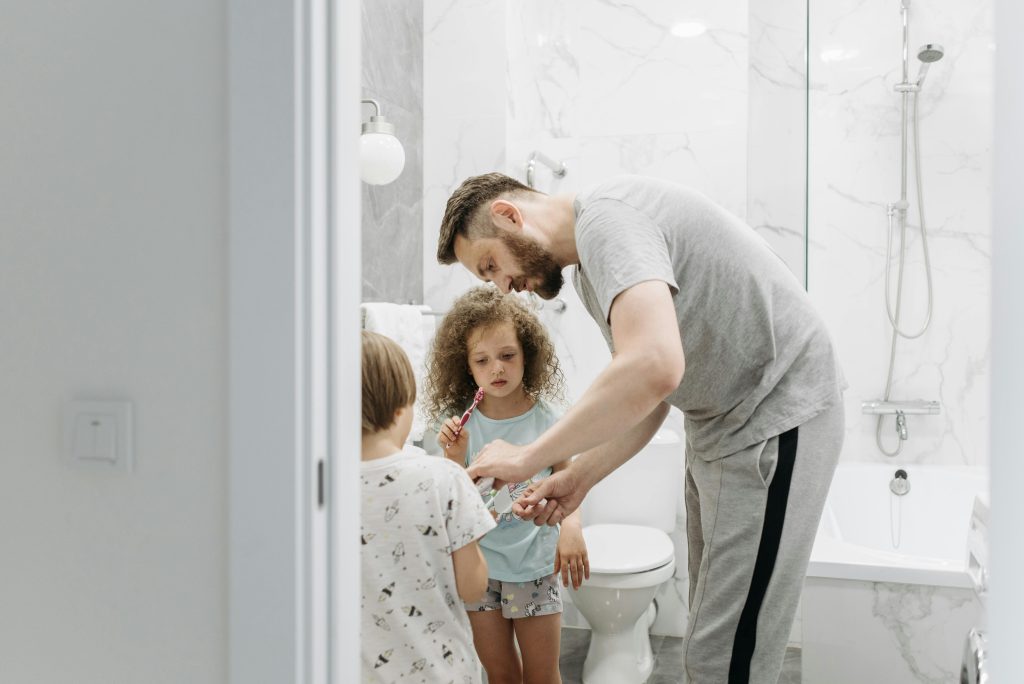
Things go more smoothly with a family routine if these regular points are kept roughly as they are. Many experts in parenting suggest the order of these should be consistent, even if the exact time of each shifts a bit. This provides the family with a structure that doesn’t feel overly rigid.
Credit: Photographer Name / Pexels
Step 2: Keep the daily schedule easy to understand
Kids generally do better with a few things to do one after another, rather than a huge number of things they’re told to do. So, after school could be snack time, then relaxing, doing homework, playing and finally having dinner. At bedtime you could have a bath, put on pajamas, read a book, and then turn off the lights.
Experts in how children grow and learn say routines are simpler for kids to manage if they happen in the same order every time. We’re not aiming for the day to be robotic, but to lessen confusion and the number of arguments.
Step 3: Build in transition time instead of rushing every task
Lots of daily plans fall apart because things are scheduled right on top of each other – people don’t have a moment to change gears. Kids require a little while to get from thinking about school to being at home, or from playtime to sitting down for dinner. In fact, adults pretty much always need a similar period of readjustment after working or going to do things, and so do we.
Family experts frequently advise including little breaks within your everyday schedule. A ten minute gap to get from one activity to the next can really make a home run more smoothly and continue working for the long term.
Step 4: Give children a clear role in family organization
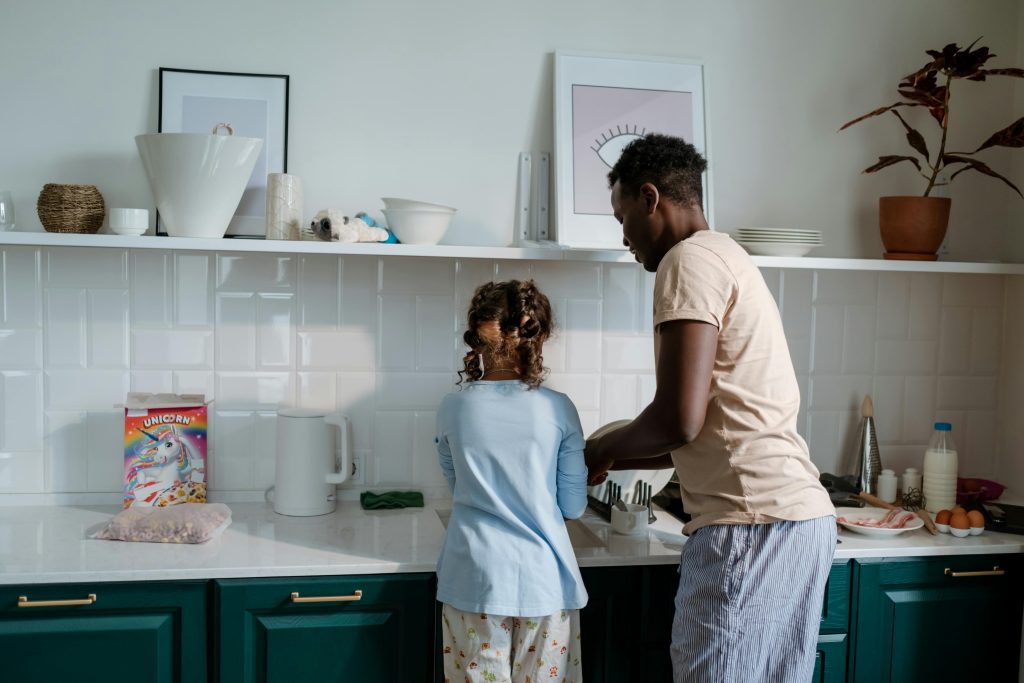
Kids tend to be much more willing to work with you if they understand what they’re supposed to do as part of the normal flow of things. That could be anything from putting their shoes where they belong to packing their bag, taking their plate to the sink, or doing a little bit to help around the house. These little things help them learn to be responsible and make everyone feel as though the routine is something they’re all doing together.
Family experts say kids don’t have to be given huge responsibilities in order to feel as if they are part of things. In fact, doing the same simple things over and over is generally more effective than rarely doing a large task.
What makes a family routine more likely to last
For a family routine to actually keep going, it needs to be in sync with how your life is. It has to work with when people are at work, what the kids have going on at school, how everyone feels at different times of day, and how old the children are. A routine that looks great when it’s written down, but isn’t at your family’s speed, will likely disappear quickly.
And most people who know about these things say to look over your routine maybe a week or two after starting it. If something in the routine is consistently causing headaches, it could be broken down into a smaller task, done in a different order, or you might just need to build in a bit more time to move from one thing to the next. A truly effective routine can be altered without completely collapsing.
Credit: Photographer Name / Pexels
Frequently Asked Questions
Q: What is a good family routine?
A: A good family routine is a simple daily pattern that helps the household move through meals, school, chores, and bedtime with less stress.
Q: How strict should a family routine be?
A: Most experts recommend a flexible structure rather than strict control. The sequence matters more than exact timing in many homes.
Q: Can a family routine help behavior?
A: Yes, a family routine can help behavior by making expectations clearer and reducing uncertainty around common daily tasks.
Q: How long does it take for a new routine to work?
A: Many families need at least one to two weeks of repetition before a new daily schedule starts to feel familiar.
Key Takeaway
When families get into a rhythm, it’s most successful if that rhythm is easy to do, fits how life actually is, and is especially focused on the trickiest times of day. Having definite starting points, quick steps to get things done, and little jobs for everyone will make the family more organised but won’t add to anyone’s burden. Kids tend to do better when they have a good idea of what will happen during the day. And a solid routine for the family lowers stress, because of everyone understanding what is going to occur next.