How to Help Children Prepare for a Big School Day Without Adding More Pressure
June 12, 2026
0
A big school day can mean many different things to a child. It might be a test, presentation, school trip, class performance, sports event, picture day, or simply
A big school day can mean many different things to a child. It might be a test, presentation, school trip, class performance, sports event, picture day, or simply a day the child has been thinking about with worry for a while. Adults often try to help with reminders, extra encouragement, and more preparation. Yet sometimes that support accidentally adds pressure instead of building confidence.
Family experts often explain that children usually prepare best when adults create steadiness rather than intensity. A child facing an important school day often needs practical help, emotional calm, and a sense that the family believes the day can be handled. Understanding how to prepare for a big school day without increasing stress can help families support children in a way that feels useful instead of overwhelming.
Why Big School Days Can Feel Much Larger to Children Than to Adults
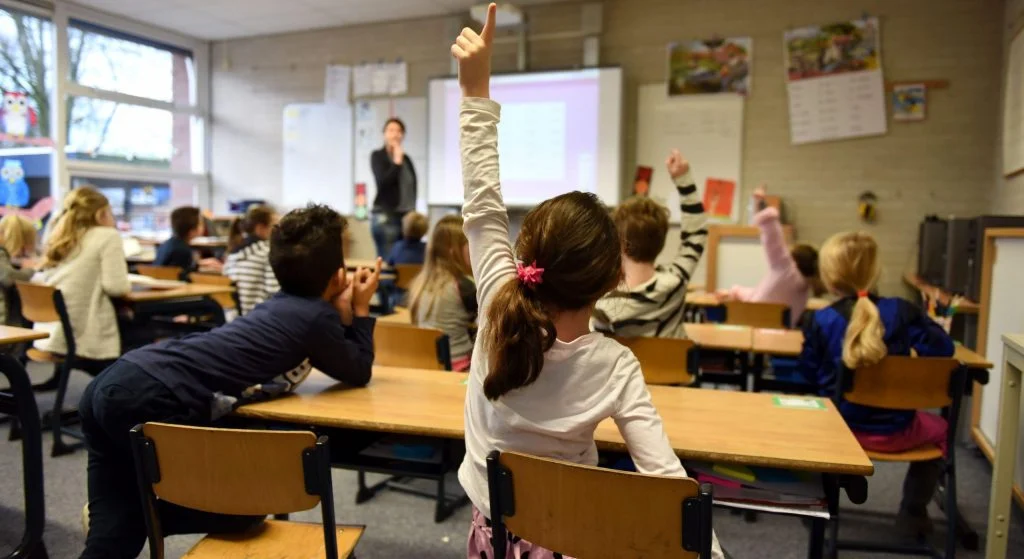
Adults often see one school event as part of a much larger week. Children often experience it more personally. A presentation may feel like a measure of confidence. A test may feel like proof of ability. A field trip may feel exciting and unsettling at the same time. Because children are still learning how to place events in perspective, a single school day can carry much more emotional weight than adults first realize.
Child development specialists often note that anticipation can be harder than the event itself. A child may spend hours imagining what could go wrong, how others will act, and whether the day will feel manageable. This is one reason preparation matters so much. Good preparation can lower uncertainty before the day even begins.
Why Too Much Parent Energy Can Accidentally Raise Child Stress
Parents often show love by getting more involved. They remind, recheck, repeat, and talk through every possible detail. While that comes from care, children sometimes read extra adult energy as a signal that the event must be scary or difficult. The child may think, “If my parent is this focused on it, maybe something really could go wrong.”
Experts in family communication often explain that children watch adult tone as much as adult words. A calm, confident atmosphere often helps more than a highly alert one. Preparation works best when it feels supportive, not urgent.
Step 1: Clarify What the Child Thinks Is Big About the Day
Not every child worries about the same thing. One child may be focused on speaking in front of classmates. Another may care most about forgetting lunch, missing the bus, wearing the wrong clothes, or being separated from a friend during an event. It helps to understand what part of the day actually feels big from the child’s point of view.
Family therapists often recommend asking smaller questions instead of broad ones. A question such as “What part of tomorrow feels biggest to you?” often gives clearer information than simply asking whether the child is nervous.
Step 2: Make the Practical Details Visible Before Bedtime
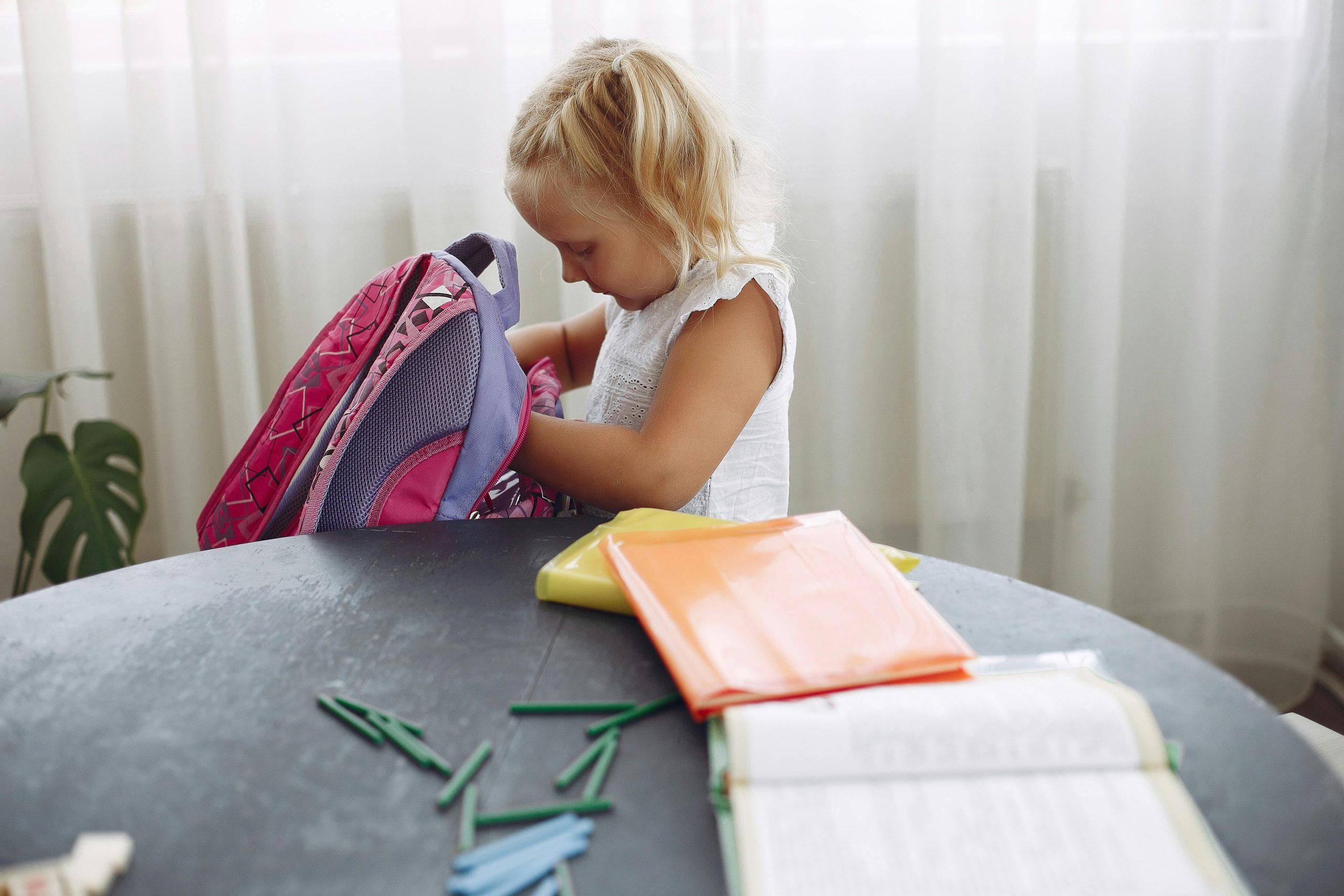
Children often feel calmer when the physical preparation is already done. A bag packed, papers signed, clothes ready, lunch plan known, and needed materials placed in one spot can reduce a surprising amount of school stress. These tasks may seem simple, but they help by removing uncertainty from the next morning.
Home organization experts often explain that children usually sleep more easily when the next day looks more prepared. Visible readiness tells the child that the day already has some structure around it, which often lowers last-minute worry.
Step 3: Keep Preparation Conversations Shorter Than You Think
Parents often assume that more talking equals more support. Yet long preparation talks can make the event feel larger and larger. It often helps to say enough, then stop. A child who already understands the plan may not benefit from hearing the same reassurance in several different forms.
Experts in school stress often note that short, calm preparation usually works better than repeated emotional review. The goal is to leave the child feeling ready, not mentally crowded by too many words.
Step 4: Focus on One Helpful Plan, Not Every Possible Problem
When adults try to prepare children for everything that could go wrong, children often leave the conversation carrying even more scenarios than before. It usually helps more to talk through one or two likely support plans. For example, what to do if the child feels nervous before a presentation, or where to put a permission slip so it does not get lost.
Child behavior experts often explain that children usually handle big school days better when preparation feels manageable. One useful plan creates steadiness. Too many backup plans can create mental clutter.
Step 5: Support Confidence Without Demanding Confidence
Parents sometimes say “You’ll be great” or “There is nothing to worry about” because they want to build courage. For some children, those lines help. For others, they can feel too far from what the child is actually feeling. If the child is clearly worried, being told to feel confident may create pressure instead of relief.
Experts in emotional development often recommend calm confidence from the adult without forcing the same feeling from the child. A response such as “You can feel nervous and still get through the day” often helps more because it leaves room for the child’s real emotion while still offering steadiness.
Step 6: Protect the Morning From Unnecessary Extra Stress
A big school day morning is usually not the best time for new lessons, long lectures, or extra household pressure. Children often do better when the morning is simpler than usual, not more intense. This might mean protecting extra time, using familiar breakfast choices, or keeping sibling conflict lower if possible.
Family wellness professionals often explain that children facing an important day need the morning to feel predictable. When the home atmosphere stays calmer, the child has more energy available for the school challenge itself.
Step 7: Think About the After-School Landing Too
Parents often focus only on getting children out the door, but the return home matters too. Big school days can leave children tired, relieved, disappointed, proud, or emotionally full. It often helps to prepare for that landing. A child may need food, quiet, movement, or simple connection before discussing the event in detail.
Experts in after-school support often note that some children want to talk right away, while others need time first. Planning for the after-school emotional landing can help families respond more supportively and with less confusion.
Preparation usually becomes less useful when adults overtalk, overcheck, or bring visible worry into the room. It also becomes harder when the child is expected to feel only positive emotions. A child may be excited and nervous at the same time, and that mix is often completely normal.
Experts in parenting through challenge often recommend watching whether support is making the child calmer or more activated. If the child looks more overwhelmed after preparation, the family may need less discussion and more quiet practical help.
How This Kind of Support Helps Over Time
Children do not only learn from the outcome of one important school day. They also learn from how the family helps them approach it. When adults prepare with steadiness, children slowly build a stronger internal message: hard days can be handled, big feelings can be carried, and support does not have to feel like panic.
Family experts often explain that this matters beyond one event. Over time, children who experience calm preparation often grow more able to manage presentations, tests, transitions, and emotionally important days with stronger self-trust and less overwhelm.
Frequently Asked Questions
Q: How can parents help children prepare for a big school day?
A: Parents often help most by clarifying the child’s main concern, handling practical preparation early, keeping the tone calm, and avoiding too much pressure.
Q: Should parents talk a lot the night before an important school event?
A: Not usually. Many experts recommend shorter, steadier preparation conversations instead of repeated long talks that can make the event feel bigger.
Q: What if a child feels nervous about an important school day?
A: Feeling nervous is common. It often helps to acknowledge the feeling, make a simple plan, and show calm confidence without demanding that the child feel perfectly ready.
Q: Why is after-school support important on big school days?
A: Big school days can leave children emotionally tired or full. A calm after-school landing can help them process the day more easily and feel supported afterward.
Key Takeaway
Preparing for a big school day works best when families lower pressure instead of adding more of it. Calm practical steps, shorter conversations, and emotional steadiness often help children feel more capable than repeated reminders or visible adult worry. Over time, this kind of preparation can build stronger confidence for future school challenges too.