Why Children Push Back More When Adults Repeat the Same Reminder Too Often
- July 2, 2026
- 0
Many parents know the pattern all too well. A child is asked to put on their shoes, grab a backpack, clear the table, brush their teeth, or come




Many parents know the pattern all too well. A child is asked to put on their shoes, grab a backpack, clear the table, brush their teeth, or come

Many parents know the pattern all too well. A child is asked to put on their shoes, grab a backpack, clear the table, brush their teeth, or come to dinner. The first reminder gets little or no response. The second sounds more serious. By the third or fourth, the child is frustrated, the parent is losing patience, and a simple request has turned into a disagreement.
Family experts often explain that repeating reminders does not always encourage children to cooperate. In many households, too many reminders actually increase resistance. What begins as a helpful prompt can gradually become background noise, emotional pressure, or the start of a power struggle. Understanding why children often push back when the same reminder is repeated can help families reduce everyday conflict and build routines that require less stress.
Parents usually repeat reminders because they are trying to keep the day on track. Time is moving, the child has not started the task, and the adult wants to avoid bigger problems later. From a parent’s perspective, repeating the instruction feels reasonable. If the child did not respond the first time, saying it again seems like the next logical step.
Parenting specialists often point out that repeated reminders usually come from urgency, not poor intentions. Parents are not trying to nag they are trying to manage family life. However, when reminders become the main way routines function, they can unintentionally create more resistance than cooperation.
The first reminder often feels like simple information. By the third or fourth, it can feel very different. Children notice much more than the words themselves. They also respond to tone, timing, and the emotional energy behind the message. As reminders continue, what once sounded like guidance may begin to feel like pressure or constant supervision.
Child development experts often explain that children push back more when adults repeat the same reminder too often because each repetition changes how the message feels emotionally. The task stays the same, but the interaction becomes heavier. As a result, what began as simple hesitation may turn into active resistance.
Some children hear repeated reminders so frequently that they gradually stop paying attention to them.
Instead of encouraging action, repeated prompts become part of the background sounds of everyday life. Parents may believe they are reinforcing the message, while children learn that nothing really needs to happen until several reminders have been given.
Family routine experts often note that reminders lose their effectiveness when they replace predictable structure. If a child expects four or five reminders before action is actually expected, the first few naturally lose their meaning.
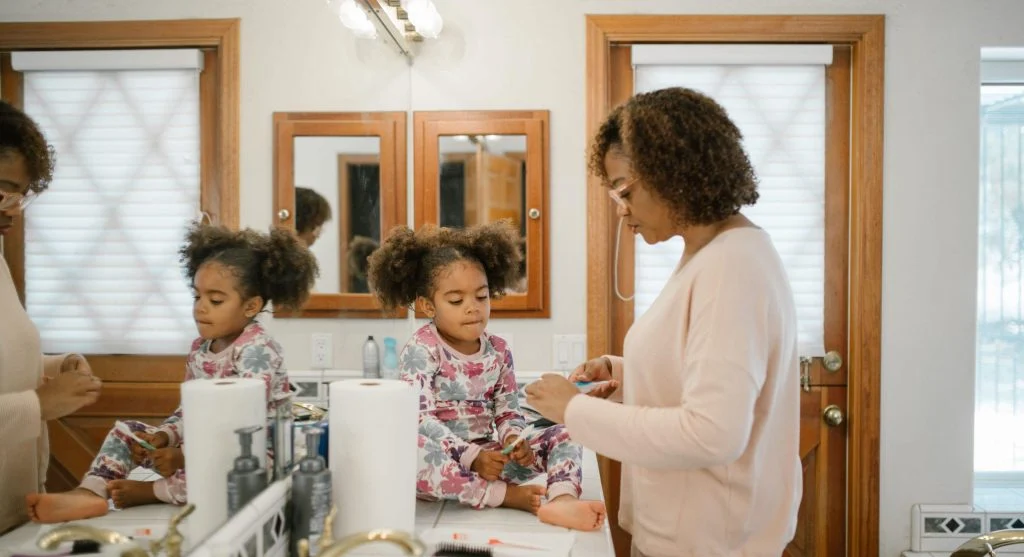
Children often become more resistant when they feel closely monitored.
Even when the original request is perfectly reasonable, constant reminders can create frustration. Eventually, the child may begin reacting less to the task itself and more to the feeling of being repeatedly directed.
Family therapists often explain that children push back more when adults repeat the same reminder too often because the interaction begins to feel like a struggle over independence rather than a simple request about shoes, homework, or cleaning up.
Not every child reacts to reminders in the same way. Some children tolerate repeated prompting with little difficulty, while others are far more sensitive to interruptions, tone, or feeling pressured. Children who are tired, overstimulated, or struggling with transitions may also become frustrated much more quickly.
Child behavior specialists often note that temperament plays an important role. A child who values independence may experience repeated reminders as a loss of control, while another child may simply tune them out altogether. Understanding these differences helps parents respond more effectively.
Repeated reminders usually happen during the busiest parts of the day before school, after school, during dinner, or at bedtime. Unfortunately, these are also the times when children often have the least emotional and mental capacity left. More talking during these moments can sometimes overwhelm rather than help them.
Family wellness professionals often explain that children push back more when adults repeat the same reminder too often because their attention and emotional resources may already be stretched. Another instruction can simply feel like one more demand added to an already full moment.
Parents usually hope repeated reminders will teach responsibility. Sometimes they teach something different.
Children may begin waiting for the third or fourth reminder before taking action. Over time, they can become dependent on adult prompting instead of developing their own routines and internal responsibility.
Experts in child development often explain that children build independence more successfully through consistent routines than through constant verbal reminders. When adults provide every prompt, children have fewer opportunities to practice remembering for themselves.

Rather than increasing the number of reminders, family experts often suggest strengthening the routine itself.
This might include:
Giving one clear reminder.
Using a visual routine chart.
Moving closer to the child instead of raising your voice.
Making the next step easier to see and understand.
Creating predictable transitions between activities.
Many parenting professionals note that children respond better to calm, consistent guidance than to repeated instructions delivered with increasing frustration.
Children usually need fewer reminders when family routines become more predictable.
If shoes always go in the same place, backpacks are unpacked after school, bedtime follows the same order each night, and cleanup happens consistently, routines begin guiding behavior without requiring constant verbal prompting.
Home routine specialists often explain that predictable systems reduce conflict because children learn what comes next without relying on repeated reminders from adults.
Many parents fall into repeated reminder cycles simply because they are trying to keep family life running smoothly. That does not mean they are doing something wrong. Often, the solution is not becoming stricter it is making the routine itself more supportive.
Instead of asking, “Why won’t my child listen?” it can be more helpful to ask, “How can I make this routine easier to follow with fewer reminders?”
That shift in perspective often changes the atmosphere of everyday family life.
Q: Why do children push back more when adults repeat reminders too often?
A: Children often push back more because repeated reminders can feel like pressure, background noise, or loss of control rather than helpful guidance.
Q: Do repeated reminders help children remember tasks better?
A: Not always. In many cases, too many reminders weaken the impact of the message and teach children to wait for several prompts before acting.
Q: What works better than repeating the same reminder many times?
A: One clear reminder, stronger routines, visual supports, and making the next step more visible often work better than repeating the same instruction again and again.
Q: Are repeated reminders always harmful?
A: No, but when they become the main way family routines work, they often create more tension and less independence over time.
Children often push back more when adults repeat the same reminder too often because the instruction gradually becomes associated with pressure, frustration, and emotional resistance rather than simple guidance. Families often experience smoother routines when they rely less on repeated verbal prompts and more on consistent structure, predictable routines, and clear expectations. Over time, thoughtful systems can encourage stronger cooperation while reducing everyday conflict and helping children develop greater independence.