Why Children Sometimes Freeze When They Know the Answer at School
- July 7, 2026
- 0
Many parents hear some version of the same story from teachers or children themselves. A child studies the material, understands it at home, and can explain it clearly

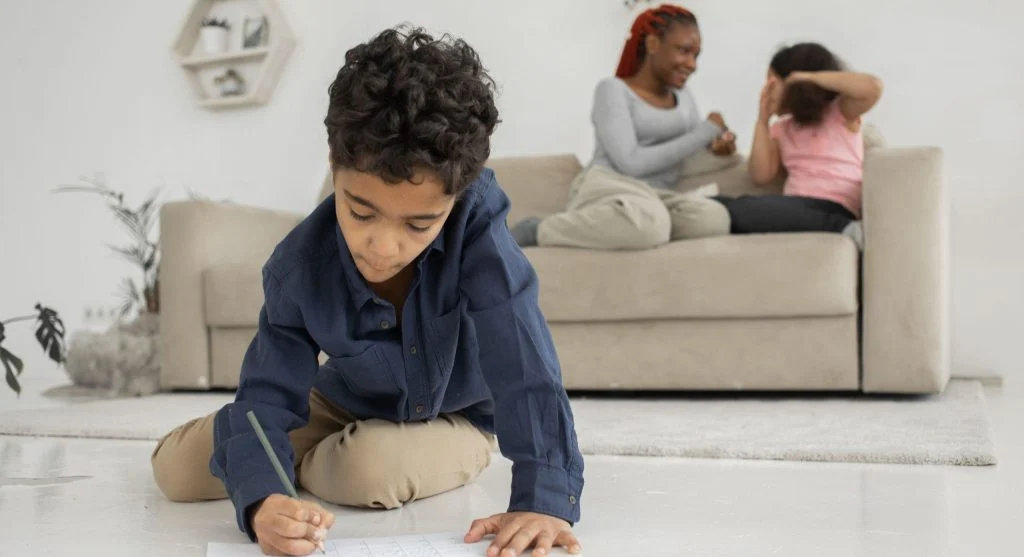

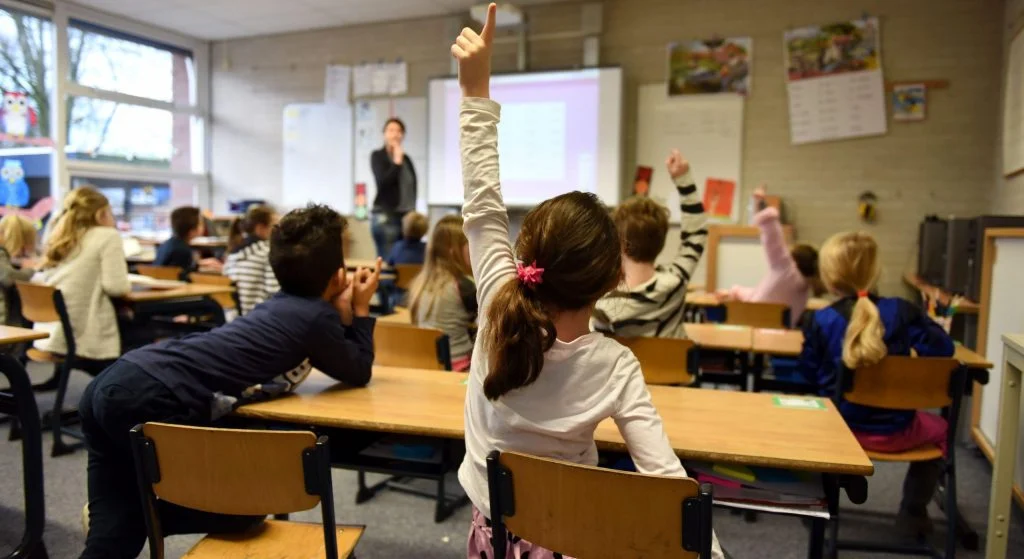
Many parents hear some version of the same story from teachers or children themselves. A child studies the material, understands it at home, and can explain it clearly
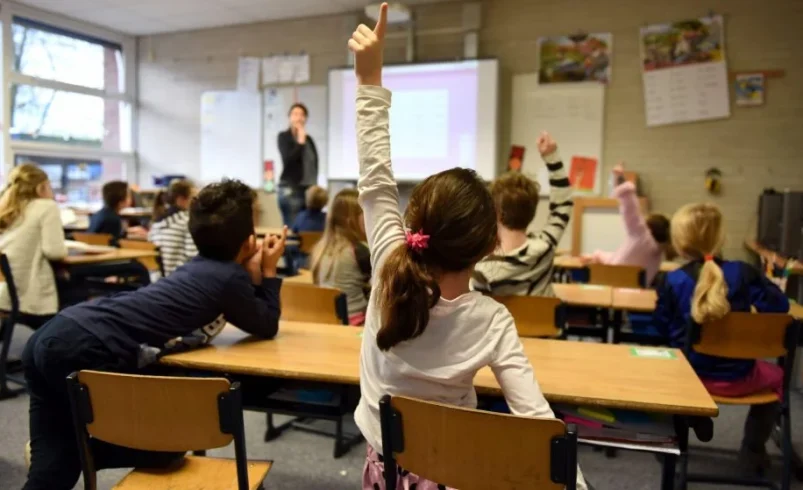
Many parents hear some version of the same story from teachers or children themselves. A child studies the material, understands it at home, and can explain it clearly in a quiet setting. Then school happens. The teacher asks a question, the child is called on, or the class turns toward the student, and suddenly the answer seems to disappear. What was obvious a moment ago now feels unreachable.
Family experts often explain that when children freeze when they know the answer at school, the issue is not always academic. In many cases, it is social, emotional, or physical. The child may know the material quite well but struggle with being observed, speaking under pressure, or managing the sudden spotlight of classroom attention. Understanding that difference can help families support confidence without assuming the child is not trying hard enough.
Adults often group these two things together. If a child understands the lesson, adults may expect the answer to come out easily in class. But classroom performance includes much more than knowledge. It also includes timing, confidence, social comfort, verbal recall under pressure, and the ability to think while being watched by others.
Child development specialists often note that children freeze when they know the answer at school because performance demands can interrupt recall. The answer may still be there, but the pathway to expressing it gets blocked by stress, self-consciousness, or fear of making a mistake out loud.
Some children can handle private thinking but struggle when attention turns toward them. Even a warm classroom can feel intense if the child suddenly becomes the center of the room. A teacher pauses. Other students look over. The child becomes aware of the silence. That social spotlight can make a simple question feel much bigger than it actually is.
Experts in school-age development often explain that children freeze when they know the answer at school because the body reacts to visibility. The child may not only be thinking about the answer. The child may also be thinking about voice, mistakes, classmates, and what happens if the response comes out wrong.
Some children do not freeze because they know nothing. They freeze because they care too much about getting it exactly right. If the child is not fully certain about every word, staying quiet may feel safer than risking a flawed answer in front of others. In that way, strong standards can make classroom speaking harder instead of easier.
Family therapists often explain that children freeze when they know the answer at school because perfectionism turns ordinary participation into a high-stakes event. The child may believe a small mistake will feel far larger than it actually would in the room.
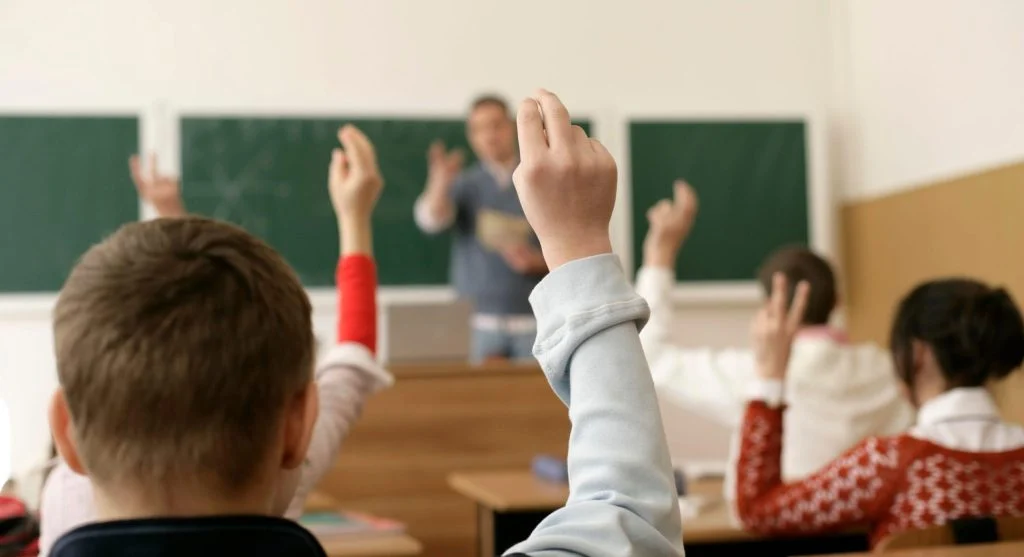
Classroom answering often happens quickly. A teacher asks a question and expects a response within a short window. Some children think well but not instantly. They may need a few extra seconds to organize the answer internally before speaking. If the room feels rushed, that small extra need can make the child appear blank even when understanding is present.
Experts in learning support often note that children freeze when they know the answer at school because retrieval speed and understanding are not identical. A child may grasp the idea but still need more processing time than the classroom moment easily allows.
During the school years, children often become more aware of how peers respond. They may worry about laughter, correction, whispering, or simply being the one everyone turns to watch. Even if no one in the room is unkind, the child’s awareness of peer judgment can still be powerful.
Experts in peer development often explain that children freeze when they know the answer at school because social belonging matters deeply. The fear is not always about the teacher’s judgment. It is often about what classmates might think if the answer sounds awkward, incomplete, or different from what others expected.
Parents and teachers sometimes assume that a child who freezes must not have studied enough, must not care, or should simply be pushed harder to speak up. In reality, many children are already putting in significant effort. The freeze is often a sign that the child’s stress is outrunning the child’s speaking confidence, not that the child is refusing to engage.
Family wellness professionals often explain that children freeze when they know the answer at school because emotional readiness and academic readiness do not always grow at the same speed. A child can be prepared for the content while still unprepared for the performance part of the moment.
Family experts often recommend supporting classroom participation in smaller steps instead of treating it like an all-or-nothing skill. Some children do better when they practice answering out loud at home, rehearse shorter responses first, or build confidence through lower-pressure classroom participation before speaking in bigger moments.
Experts also often recommend noticing the exact pattern. Does the child freeze only when called on unexpectedly, only in large groups, only in timed situations, or only in subjects that feel high-pressure? That detail matters because the support usually works better when it fits the specific pressure point.
Some children speak more easily when the classroom tone feels slower, warmer, or more predictable. Others benefit from being given a few extra seconds, a chance to write first, or an invitation to answer without feeling abruptly put on display. The same child may look quite different in two different classroom environments.
Experts in classroom confidence often note that children freeze when they know the answer at school less often when adults understand how they participate best. Support does not always mean reducing expectations. Sometimes it means changing how the path into participation is structured.

Most children do not move from freezing to full classroom ease overnight. Confidence usually grows through repeated successful experiences that feel manageable rather than overwhelming. One small answer, one calm response, one class moment that goes better than expected can begin to change what the child expects from speaking aloud.
Child development experts often explain that the goal is not forcing boldness as quickly as possible. The goal is helping the child experience speaking as something survivable, then more comfortable, and eventually more natural. That kind of growth often lasts longer than confidence built through pressure alone.
It is common for children to hesitate in class sometimes, especially during socially sensitive years. Still, patterns matter. If a child becomes highly distressed, avoids school participation entirely, or feels deeply ashamed after small classroom speaking moments, families may want to look more closely at anxiety, classroom fit, or the child’s broader stress load.
Professionals who support children often encourage adults to notice whether the freezing is occasional, situation-specific, or spreading across more parts of school life. That information helps guide the kind of support that may be most useful.
Q: Why do children freeze in class even when they know the answer?
A: Children often freeze because classroom speaking involves pressure, visibility, confidence, and social awareness in addition to knowing the material.
Q: Does freezing mean a child is not prepared?
A: Not always. Many children understand the lesson well but struggle with the performance side of answering in front of others.
Q: What helps children participate more confidently at school?
A: Smaller speaking steps, practice at home, calmer teacher support, and understanding the specific pressure point often help children participate more confidently.
Q: Should adults push children harder to answer out loud?
A: Not usually as the only strategy. Many experts recommend steady support and gradual confidence-building rather than relying mainly on pressure.
Children sometimes freeze when they know the answer at school because classroom participation requires more than academic understanding alone. Families usually help most by recognizing the social and emotional side of speaking in class and by supporting confidence in smaller, steadier ways. Over time, that kind of support can help children connect what they know with what they feel able to say out loud.