
8 Simple Evening Family Activities That Help Children Wind Down
- April 30, 2026
- 0
Evening family activities can shape how the entire household feels at the end of the day. Many families move straight from dinner to bedtime, which can leave children




Evening family activities can shape how the entire household feels at the end of the day. Many families move straight from dinner to bedtime, which can leave children
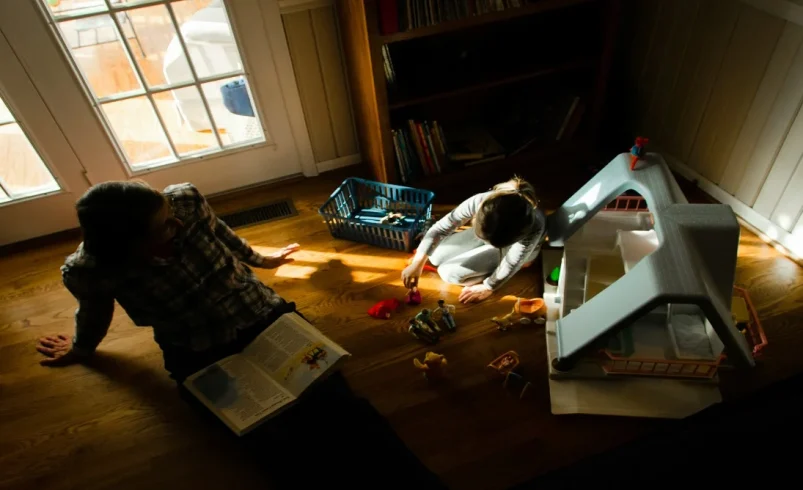
Evening family activities can shape how the entire household feels at the end of the day. Many families move straight from dinner to bedtime, which can leave children overstimulated, restless, or unsettled. Adding a few simple shared activities can help the evening feel calmer without creating extra pressure in an already busy routine.
Family wellness experts often explain that children transition to rest more smoothly when the shift from daytime energy happens gradually. Calm, predictable connection plays a big role in that process. The most effective evening family activities are usually short, repeatable, and easy to fit into everyday life.
Children often carry a lot into the evening—school demands, sibling tensions, screen time, unfinished thoughts, and simple fatigue. When bedtime follows a rushed or noisy part of the day, settling down can be harder.
Child development specialists often note that routines help reduce emotional intensity by creating predictability. A consistent evening activity gives children a familiar way to slow down before bedtime begins.
Shared reading is one of the most reliable ways to create a calm transition. A specific place—a couch corner, a bed, or a blanket on the floor—can become part of the routine. Familiar settings help children relax more quickly.
Early learning experts often point out that reading supports more than language. It helps children shift focus, slow down, and settle physically, making it a strong bridge into bedtime.
A quiet walk after dinner can help children release leftover energy without becoming overstimulated. It also creates space for relaxed, side-by-side conversation, which often feels easier than direct discussion indoors.
Family relationship professionals often note that walking supports both movement and connection. When it becomes a regular habit, it helps signal that the day is coming to a close.
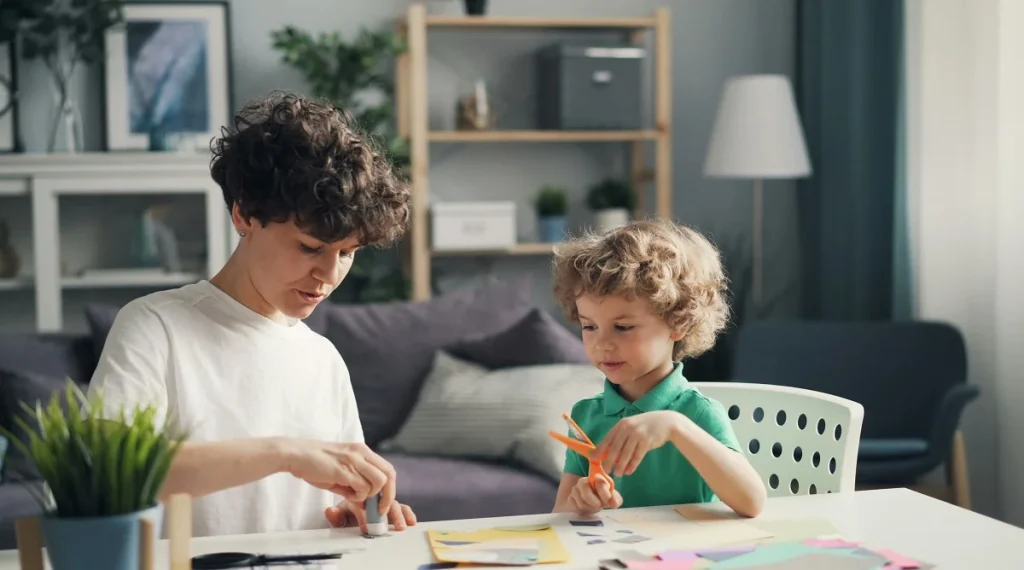
Drawing, coloring, or simple crafts can offer a calm but engaging way to wind down. Children often settle more easily when their hands are busy and the environment stays quiet. It also allows adults to be present without needing to organize anything complicated.
Experts in child wellness often explain that quiet creative activities support emotional regulation. They give children a focused, low-pressure way to transition out of the day’s energy.
Credit: Vitaly Gariev / Unsplash
A short reflection habit can help children wind down while making sense of their day. Some families share one good moment, one challenge, or something they appreciated. It doesn’t need to be formal—it can happen during cleanup, at bedtime, or in a few quiet minutes together.
Family therapists often explain that reflection helps children organize their experiences and notice positive moments without ignoring the harder ones. It also builds connection, since everyone has a chance to share something personal in a simple, low-pressure way.
Evening cleanup doesn’t have to feel rushed or stressful. In some homes, adding soft music and keeping the task short can help children shift out of active play more smoothly. Toys get put away, shoes return to their place, and shared spaces become calmer before bedtime.
Household organization experts often note that children respond better when cleanup is predictable and manageable. A tidier, quieter environment also makes the transition into bedtime feel more settled.
Some evening activities work best when they have a clear structure. A short puzzle, matching game, or quiet board game can offer connection without raising energy too much. These activities keep children engaged while also preparing them to stop when the activity is finished.
Child development professionals often explain that activities with clear endings help children practice transitions. They learn to stay with one task and then move on when it’s complete.
Many children open up most once the lights are off, but those conversations often go more smoothly earlier in the routine. Brushing teeth, putting on pajamas, or getting things ready for the next day can create natural moments for quiet connection.
Experts in family communication often note that side-by-side conversation feels easier for many children. Talking during a shared task gives them space to speak without feeling put on the spot.

Credit: Ikiik Studio / Unsplash
Some of the most effective evening family activities are also the simplest. A short song, a familiar phrase, a hug, a brief story, or a consistent goodnight routine can help children feel safe and settled. These small rituals become meaningful because they are predictable and easy to recognize.
Family wellness professionals often explain that repeated bedtime rituals support emotional security. When children know how the evening will end, they tend to relax more easily and move into sleep with less resistance.
Evening routines are more likely to stick when they don’t require too much effort from already tired adults. A short reading habit, a brief walk, or a quick reflection moment is often more realistic than a larger plan that feels difficult to maintain during the week. Smaller activities are easier to repeat, and repetition is what gives them long-term value.
Experts in family routines often suggest starting with one or two simple activities and using them consistently before adding anything new. This helps build a calmer evening rhythm without turning the routine into another source of pressure.
Q: What are good evening family activities for children?
A: Good evening family activities include shared reading, quiet drawing, short walks, calm games, gentle reflection, and simple bedtime rituals.
Q: Why do evening family activities help children wind down?
A: Evening family activities help children wind down because they slow the pace of the day, reduce overstimulation, and create predictable connection before bedtime.
Q: Do evening family activities need to take a long time?
A: No, many helpful evening family activities are short and simple, which often makes them easier to repeat consistently.
Q: What if children are too energetic at bedtime?
A: Many experts suggest using calming routines before bed, such as reading, quiet creative activities, or a short transition walk, so bedtime does not begin too abruptly.