Why Children Start Caring More About What Others Think During the School Years
July 6, 2026
0
Many parents notice a change during the school years that can feel sudden. A child who once wore anything, said whatever came to mind, or joined an activity
Many parents notice a change during the school years that can feel sudden. A child who once wore anything, said whatever came to mind, or joined an activity without hesitation may begin to act differently. The child may worry about looking silly, ask what classmates will think, hesitate before speaking, or care much more about whether others approve. Small social details that once seemed unimportant can suddenly carry real emotional weight.
Family experts often explain that when children start caring more about what others think, the shift usually reflects normal development rather than simple insecurity. During the school years, children become more socially aware, more able to compare themselves with others, and more sensitive to belonging. That can make confidence look more fragile for a while, even when the child is actually growing in important ways.
Why this stage often becomes stronger in middle childhood
As children grow, their world expands. They spend more time in group settings, notice social patterns more clearly, and begin understanding that other people are forming opinions too. A younger child may mainly focus on personal wants. An older child is more likely to ask how behavior, appearance, and performance are being seen from the outside.
Child development specialists often note that children start caring more about what others think because their social awareness becomes more layered. They are no longer only living inside their own experience. They are beginning to imagine how they appear in someone else’s mind, and that can change behavior in noticeable ways.
How school environments increase social self-awareness
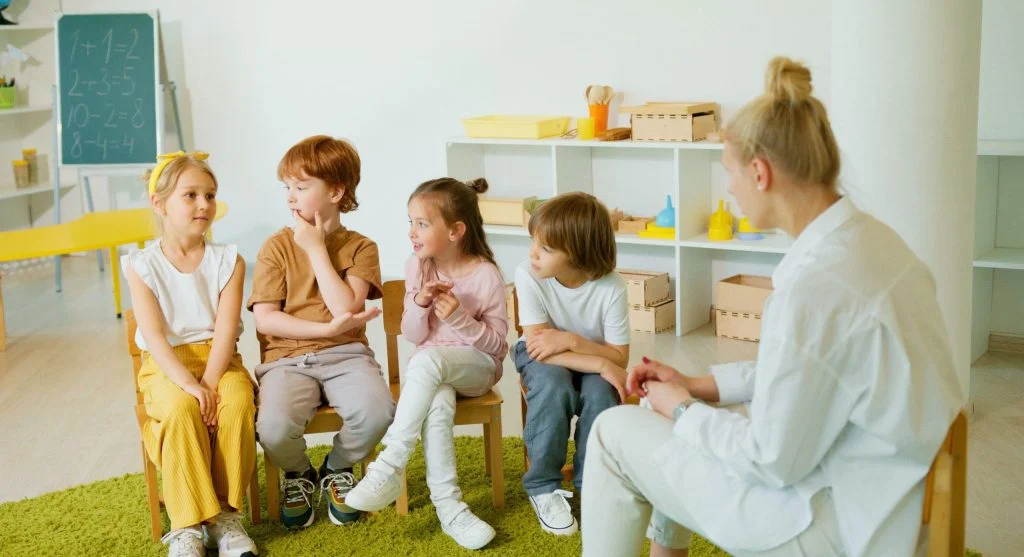
School places children in group life every day. They are seen by classmates, teachers, teammates, lunch partners, and other children moving through the same spaces. In that setting, comparison becomes easier and more frequent. Children notice who speaks confidently, who gets laughed at, who seems popular, and who moves through social situations comfortably.
Experts in school-age development often explain that repeated exposure to peers makes self-consciousness more likely. The child starts paying attention not only to what happens, but to what social meaning may be attached to it. This is one reason even ordinary classroom moments can feel emotionally bigger than adults expect.
Why children may suddenly become more cautious
When a child starts caring more about what others think, adults sometimes notice hesitation first. The child may avoid answering in class, change clothes repeatedly, stop singing out loud, or suddenly refuse an activity that once felt easy. This caution can look confusing from the outside because the child’s ability may not have changed at all.
Family therapists often explain that the child is often trying to avoid embarrassment rather than avoid the activity itself. The social risk begins to feel more visible, so the child becomes more careful about where effort and personality are shown openly.
Parents often expect social sensitivity to stay at school, but it rarely does. A child who spent the day worrying about peer reactions may come home irritable, quiet, self-critical, or more reactive than usual. Some children replay conversations. Others ask unusual questions about clothes, friendships, or how they seemed to others. A few may act more opinionated because they are testing social ground before facing it again outside the home.
Experts in family wellness often note that children start caring more about what others think in ways that can change mood long after the social moment ends. The family may see the emotional after-effect before they ever hear the actual story from school.
Why approval can suddenly feel so important
Belonging becomes more emotionally powerful during the school years. A child may not be chasing praise only for the sake of praise. Instead, approval can begin to feel tied to safety, connection, and confidence. Being liked, chosen, or understood by peers can carry much more meaning than it did before.
Experts in peer development often explain that children start caring more about what others think because approval begins to signal where they fit socially. This is a normal part of growing awareness, although it can make disappointments feel sharper too.
What parents often misunderstand about this phase
Adults sometimes respond to this stage with frustration. They may say the child should stop caring what others think, be more confident, or ignore everyone else. While the message is often meant to strengthen the child, it can miss the reality of the developmental shift. Children usually cannot simply switch off social awareness once it has arrived.
Parenting experts often note that this phase is not best handled by treating the feeling as weakness. The child usually needs help understanding the feeling, not being shamed for having it. Social awareness can be guided, but it cannot usually be erased by one strong speech.
How family support makes the biggest difference
Children often handle this stage better when home remains a place where they do not have to perform constantly. A calm home response can help the child recover from the pressure of peer life. Listening, noticing patterns, and helping the child name specific worries often work better than immediately pushing confidence slogans.
Family communication specialists often explain that children start caring more about what others think without necessarily knowing how to sort helpful social awareness from unhealthy overthinking. Parents often make the biggest difference by helping children separate ordinary social concern from harsh self-judgment.
Why some children seem more affected than others
Temperament, school setting, friend dynamics, and recent experiences all shape how strongly this stage appears. Some children are naturally more sensitive to tone, inclusion, and peer mood. Others seem less affected on the surface, even if they are still noticing plenty underneath. Past teasing, social disappointment, or frequent comparison can also make the stage feel heavier.
Experts in emotional development often note that children start caring more about what others think in different ways depending on personality. One child may grow quiet. Another may become perfectionistic. Another may start copying peers more closely. The outward behavior changes, but the deeper theme is often the same.
Caring what others think is not automatically harmful. In balanced form, it helps children develop empathy, social awareness, and thoughtful behavior. The challenge is helping them keep that awareness from turning into constant self-doubt. Over time, many children learn that other people’s opinions matter, but not all opinions deserve equal power.
Family experts often explain that this stage usually matures through repetition and perspective. Children slowly learn that one awkward moment does not define them, that not every social detail has lasting meaning, and that confidence can exist even while caring about relationships. That growth rarely happens all at once, but it often strengthens when families respond with steadiness rather than pressure.
Frequently Asked Questions
Q: Why do children suddenly care so much about what others think?
A: Children often care more about what others think during the school years because social awareness, comparison, and peer belonging become much more important during development.
Q: Is it normal for children to become more self-conscious as they grow?
A: Yes, becoming more self-conscious is common during middle childhood because children start imagining how others see them and what social moments might mean.
Q: How can parents help when a child worries too much about others’ opinions?
A: Parents often help most by listening calmly, naming the worry clearly, and helping the child keep social experiences in perspective without dismissing the feeling.
Q: Does caring what others think always hurt confidence?
A: Not always. In balanced form, it can support empathy and social growth, but it can hurt confidence when it turns into constant self-judgment or fear of embarrassment.
Key Takeaway
Children start caring more about what others think, the change often reflects normal social development rather than weakness. Families usually help most by treating the stage seriously, offering calm perspective, and keeping home a place where children can recover from social pressure. Over time, this support can help children build confidence that is thoughtful without becoming too fragile.