Summer family activities can help children stay engaged when the school year pauses and daily structure shifts. Long summer days bring more freedom, but they can also lead to boredom, screen tension, and uneven routines if there aren’t a few reliable plans in place. A simple set of repeatable activities can make the season feel more balanced without needing to fill every hour.
Family wellness experts often note that children tend to do best during school breaks when their days still include some rhythm, movement, and shared connection. Summer activities don’t need to be expensive or heavily planned what matters most is that they’re easy to repeat and fit into real family life.
Why summer family activities matter during school breaks
When school ends, children lose a structure that once guided meals, activity, focus, and social time. While the freedom can feel exciting at first, days can start to blend together, leading to restlessness. That’s where simple, repeatable activities can make a difference.
Child development specialists often point out that even during vacations, children benefit from some level of predictability. A few familiar activities throughout the week can support emotional balance, reduce boredom, and make the day feel easier to navigate. The most helpful routines usually blend enjoyment with gentle structure.
1. Backyard water play for easy movement and sensory fun
One of the simplest ways to keep children active is with water play at home. Buckets, cups, sprinklers, water tables, or washable toys can turn a hot afternoon into something engaging and refreshing. The mix of movement and sensory play helps children stay interested for longer periods.
Child wellness experts often explain that physical play supports mood and attention, especially during slower summer days. Water play also feels like a treat without needing much preparation or planning.
2. Weekly library visits that support a summer routine
A weekly trip to the library can become a reliable and calming part of the week. Children get to choose their own books, explore new interests, and sometimes join free programs. The outing itself adds a sense of routine and anticipation.
Early learning specialists often note that reading habits can fade during the summer if they’re not part of regular life. A consistent library visit keeps books present without making reading feel like a school task.
3. Nature walks with simple summer observation goals
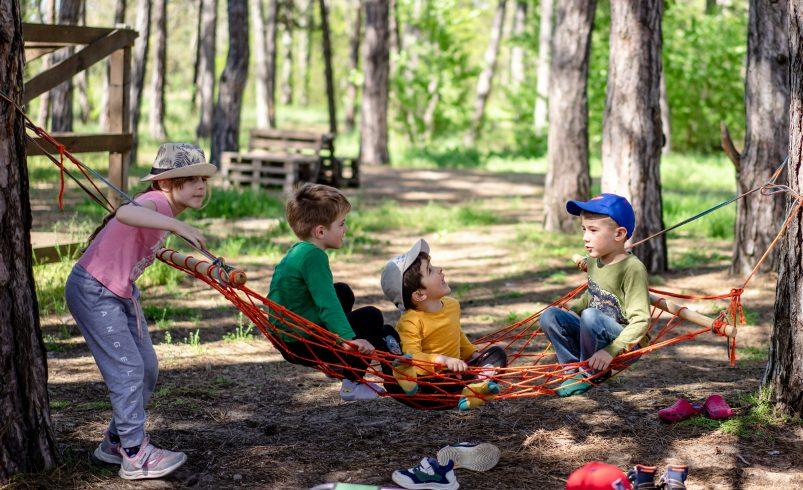
Walking becomes more engaging when children have something to look for. Families can turn a simple walk into an activity by noticing butterflies, flowers, birds, cloud shapes, or shaded areas. These small goals make the experience feel more interactive.
Researchers in early learning often highlight that outdoor observation supports attention, language development, and curiosity. Activities like this help children connect with the season while also getting movement into their day.

Credit: Maciej Karoń / Unsplash
4. Picnic lunches that change the feel of an ordinary day
Summer activities don’t always need a special destination. A simple picnic—whether in the yard, at a park, or even on the living room floor can make a regular meal feel new. Changing the setting often resets the mood of the day and helps break up routine in a gentle way.
Family lifestyle experts often explain that small changes like this reduce boredom without adding pressure. A picnic also turns mealtime into a shared experience, helping families slow down and connect rather than just move through another task.
5. Sidewalk chalk projects that support creativity outdoors
Sidewalk chalk is one of the easiest tools for summer activities because it combines creativity with movement. Children can draw roads, shapes, games, weather scenes, or entire imaginary towns. The activity can stay open-ended or become more structured depending on interest and age.
Child development experts often note that outdoor art encourages both imagination and physical activity. Children tend to stay more engaged when they can move freely while creating instead of sitting still for long periods.
6. Simple kitchen projects using summer foods
Summer makes food-based activities easier, especially with fresh fruit and simple no-cook options. Children can help wash fruit, make yogurt bowls, stir lemonade, or prepare items for a picnic. These small tasks allow participation without turning cooking into a complicated event.
Family routine professionals often explain that hands-on activities keep children engaged because they combine movement, conversation, and a clear result. Children also tend to feel more connected to meals when they’ve helped prepare part of them.
7. A weekly family evening outside
Longer daylight hours create more flexibility in the evening. A simple weekly tradition—like sitting outside after dinner, taking a short walk, watching the sunset, or having dessert outdoors—can become an easy and meaningful summer routine.
Family relationship experts often point out that small, repeated traditions build stronger connection than occasional big outings. A quiet weekly evening outside can give children a steady sense of rhythm and help make summer feel distinct and memorable.
Credit: Tim VanDoren / Unsplash
8. Rotating quiet time choices for the hottest part of the day
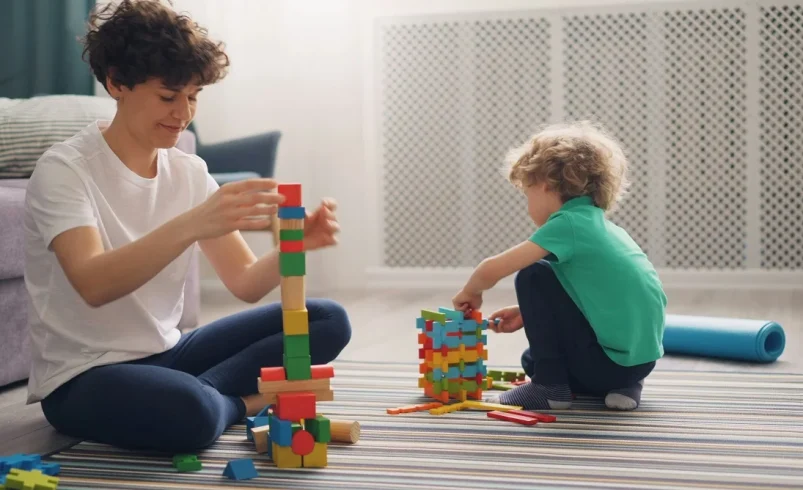
Summer doesn’t need to stay active from morning to night. A quiet time block during the hottest or most tiring part of the afternoon can help children reset. Rotating options like books, puzzles, drawing, audiobooks, or simple building activities gives children choice without letting the whole afternoon turn into screen conflict.
Family wellness professionals often note that calm breaks are especially helpful during school holidays. Children tend to regulate better when active parts of the day are balanced with quieter periods that allow them to slow down and recharge.
How to choose summer family activities that last
Summer activities tend to stick when they’re simple enough to repeat. Families often drop ideas that require too much planning, expense, or travel. Activities that fit real energy levels and daily routines are more likely to continue beyond the first week.
Experts in family routines often suggest choosing two or three reliable activities and returning to them regularly. This approach helps avoid both boredom and overload. Children usually respond best when there’s a mix of variety and repetition enough change to stay interested, and enough consistency to feel secure.
Frequently Asked Questions
Q: What are good summer family activities for children?
A: Good summer family activities include water play, library visits, nature walks, picnic lunches, chalk art, simple cooking projects, and calm evening time outside.
Q: How can families keep children engaged during school breaks?
A: Families can keep children engaged by using a few repeated summer family activities that mix movement, quiet time, creativity, and shared family connection.
Q: Do summer family activities need to be expensive?
A: No, many helpful summer family activities are low-cost and work best because they are simple enough to repeat often.
Q: Why do children still need routine in summer?
A: Children often still need routine in summer because structure supports emotional regulation, lowers boredom, and helps long break days feel more predictable.
Key Takeaway
Summer family activities can help children stay engaged by adding simple rhythm, movement, and connection to long school-break days. Water play, outdoor time, quiet routines, and repeated family traditions often make the season feel more balanced without overfilling the schedule. The most effective summer activities are usually the ones simple enough to repeat regularly. Over time, these steady patterns can help summer feel calmer, more structured, and more enjoyable for the whole family.
INTERNAL LINKING SUGGESTIONS
- 8 Simple Spring Family Activities That Support Outdoor Learning
- 9 Rainy Day Family Activities That Keep Children Engaged Indoors
- 8 Simple Evening Family Activities That Help Children Wind Down