Weekend traditions can help families feel more connected because they create shared moments that happen often enough to feel familiar. Many households move through weekends with a mix of chores, errands, activities, and screen time, yet still finish the day feeling scattered. A few simple traditions can give the weekend more shape without making it feel overplanned.
Family experts often explain that connection grows through repeated small experiences more than through rare elaborate events. Children often remember what usually happens with the family, not only what happens once in a while. That is why weekend traditions can support family connection in lasting ways, even when the tradition itself is very simple.
Why weekend traditions matter for family connection
Weekdays often move quickly. School, work, homework, meals, and bedtime routines can leave limited space for calm shared time. Weekends usually offer more flexibility, but they can also become disorganized if families move through them without any shared structure at all.
Family wellness professionals often note that weekend traditions help because they make connection more predictable. Children often feel steadier when they know there will be one or two familiar moments built into the weekend. These traditions do not need to take hours. They only need to happen often enough to become part of family life.
1. A Saturday morning breakfast that feels different from weekdays
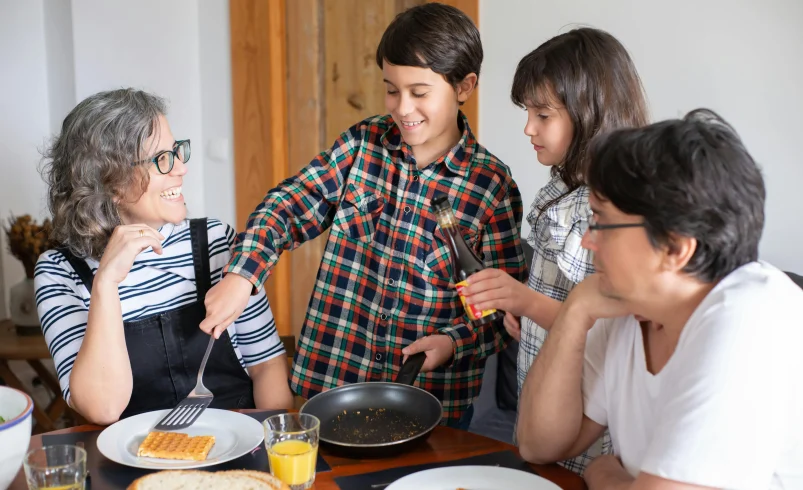
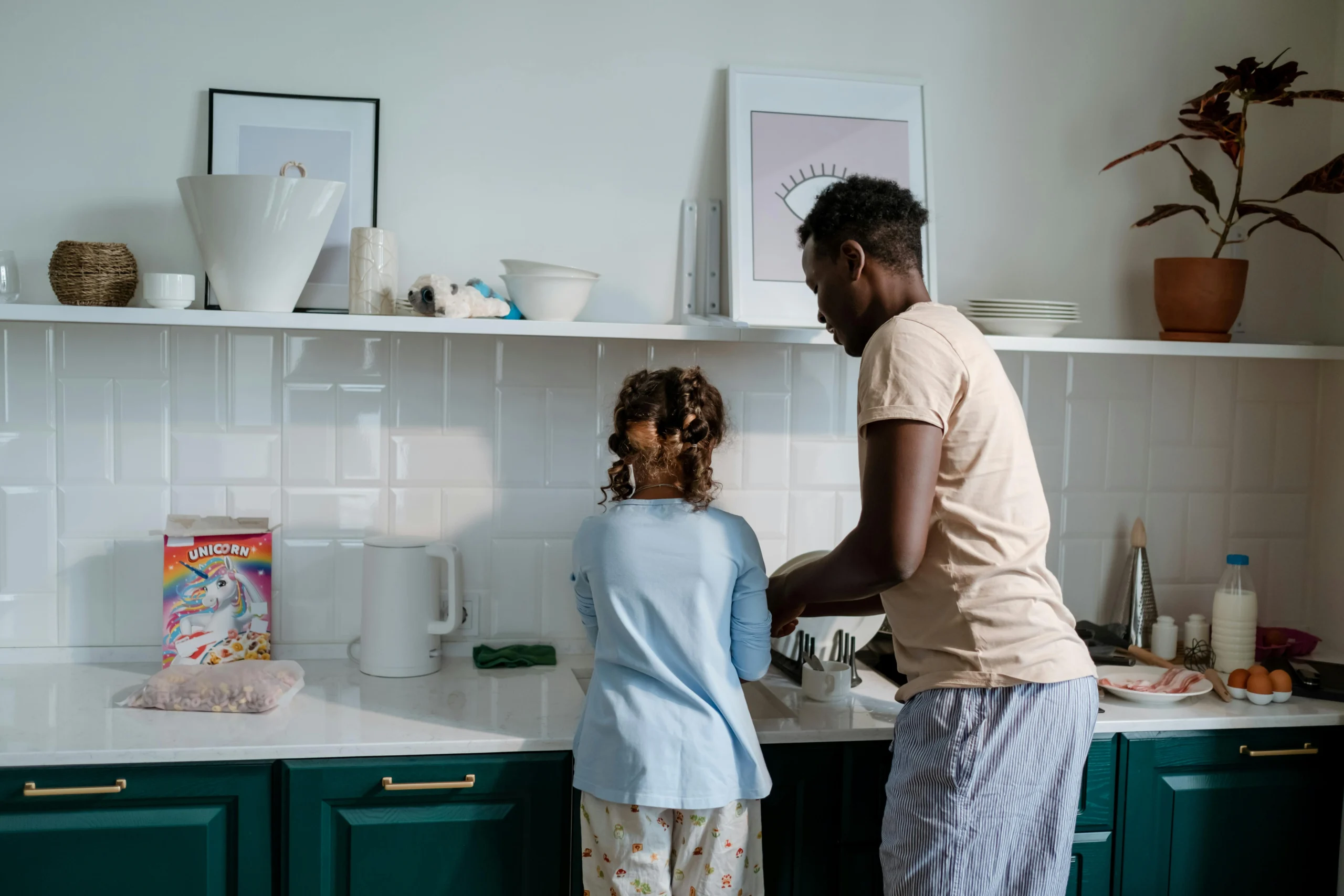
One of the easiest weekend traditions is a breakfast that feels slower or slightly more special than the weekday version. This does not need to involve complicated cooking. It may simply mean eating together longer, making one favorite item, or letting children help set up the meal.
Family lifestyle experts often explain that children notice the feeling around routines as much as the food itself. A calmer breakfast can help the whole day start with less hurry and more shared attention.
2. A regular weekend walk around the neighborhood or a park
A simple walk can become one of the most reliable weekend traditions because it is easy to repeat and easy to adjust for different ages. Some families walk after breakfast, others after dinner, and others after errands. The consistency matters more than the exact timing.
Experts in family wellness often note that walks support both movement and conversation. Children often talk more easily side by side than during direct sit-down conversations, which makes a walk useful for family connection as well as activity.
3. A short family reset before the weekend feels full
Some weekend traditions work best when they support the practical side of family life too. A short shared reset, such as tidying one main room, sorting school bags, or preparing for the week ahead, can help reduce stress later. When this tradition stays brief and shared, it often feels more manageable than a long cleanup session.
Home organization experts often explain that practical family traditions can still support connection. Shared responsibility often helps children feel included in family life rather than only directed by it.

4. A shared reading or story time for all ages
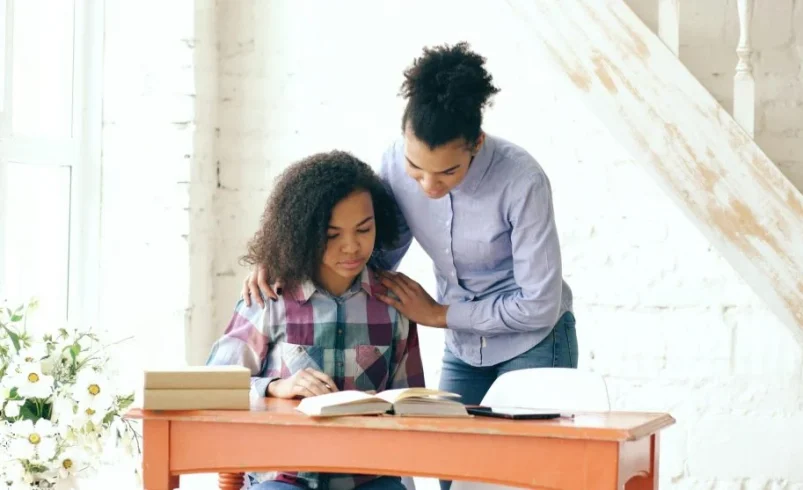
Weekend traditions do not have to be highly active. A shared reading time on the couch, in bed, or outside on a blanket can become a steady part of the family rhythm. Younger children may enjoy picture books, while older children may listen to a chapter read aloud or join a family audiobook routine.
Early learning specialists often explain that shared reading supports more than literacy. It also creates a calm shared experience where adults and children focus on the same thing together for a short time.
5. A weekly simple outing that stays familiar
Some families feel more connected when the weekend includes one small predictable outing. This may be a library visit, a bakery stop, a playground trip, or a park visit. The outing does not need to be long or expensive to matter. In many homes, its value comes from being expected and shared.
Family relationship experts often note that children usually respond well to repeated familiar outings because they combine novelty with security. The place may be the same, but the experience still feels meaningful because it belongs to the family’s routine.
6. A no-rush family hour with low pressure
Many weekends become packed too quickly, which can make children and adults feel more stressed instead of more connected. One of the most useful weekend traditions is a short no-rush hour where the family stays home, slows down, and avoids filling the time immediately with chores or screens.
Family therapists often explain that connection often improves when there is enough space for conversation and simple shared presence. A low-pressure hour can give children a chance to play nearby, talk, or settle into the family rhythm without feeling hurried.
7. A weekend meal children help prepare
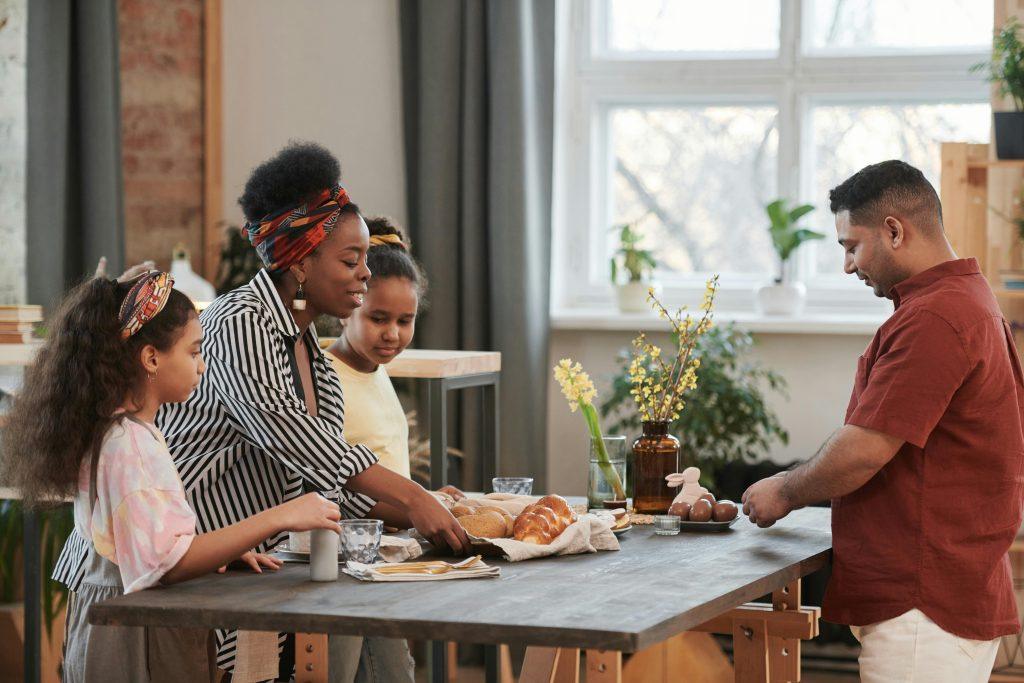
Food-based weekend traditions often work well because they bring people together around a shared task with a visible result. Children can wash produce, mix ingredients, set the table, or help choose a simple menu. The task becomes part of the tradition, not just the meal itself.
Experts in daily family routines often note that practical shared activities help children feel useful and connected at the same time. A meal tradition also gives the family a repeated moment to gather in a familiar way.
8. A Sunday evening tradition that prepares the family for the week
Weekend traditions often become even more helpful when they create a bridge into the new week. A Sunday evening walk, calendar check, backpack prep, family game, or simple dessert ritual can help the weekend end on a calmer note. This often reduces the abrupt feeling of moving from free time into Monday demands.
Family organization professionals often explain that the end of the weekend shapes the start of the week more than many people expect. A simple closing tradition can support both emotional connection and practical readiness at the same time.
How families can choose weekend traditions that actually last
The best weekend traditions usually fit the family’s real energy, budget, and schedule. Traditions that require too much planning often disappear during busier seasons. Smaller traditions tend to last because they are easier to repeat and easier for children to count on.
Experts in family routines often recommend starting with one or two traditions instead of trying to change the whole weekend at once. Once those moments feel natural, families often find it easier to build on them. Consistency usually matters more than complexity.
Frequently Asked Questions
Q: What are good weekend traditions for families?
A: Good weekend traditions include shared breakfasts, family walks, simple outings, reading time, cooking together, and short weekly reset routines.
Q: Why do weekend traditions help families feel more connected?
A: Weekend traditions help families feel more connected because they create repeated shared experiences that children can expect and remember over time.
Q: Do weekend traditions need to be elaborate?
A: No, many of the most helpful weekend traditions are simple, low-cost, and easy to repeat regularly.
Q: How can families start weekend traditions without adding stress?
A: Families often start best by choosing one or two small traditions that fit their real routine and repeating them consistently before adding more.
Key Takeaway
Weekend traditions help families feel more connected by turning ordinary shared moments into predictable parts of family life. Small repeated habits such as walks, breakfasts, reading time, and simple outings often support family connection more than rare elaborate plans. The most helpful weekend traditions are usually the ones families can repeat without extra pressure. Over time, those familiar moments can make weekends feel calmer, warmer, and more meaningful.