Why Children Say I Don’t Know and What Family Experts Notice
- May 20, 2026
- 0
Many parents feel stuck when children say I don’t know during ordinary conversations. It may happen after school, during a discussion about behavior, or when an adult asks

Many parents feel stuck when children say I don’t know during ordinary conversations. It may happen after school, during a discussion about behavior, or when an adult asks
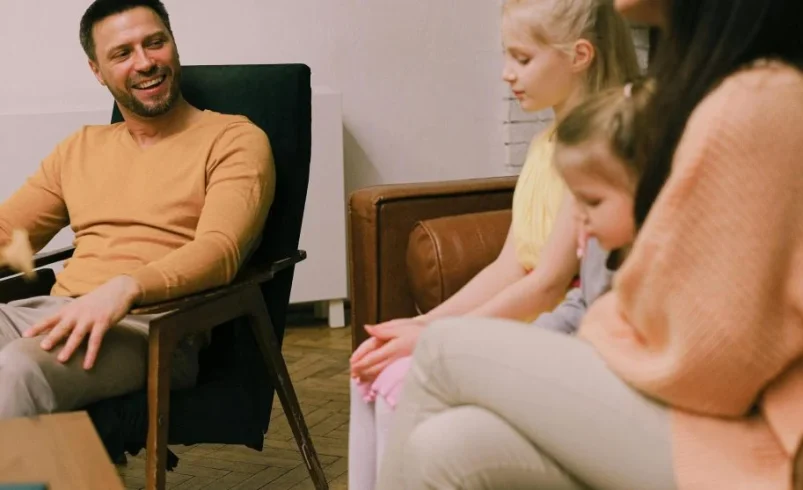
Many parents feel stuck when children say I don’t know during ordinary conversations. It may happen after school, during a discussion about behavior, or when an adult asks what happened between siblings. The phrase can sound dismissive, avoidant, or unhelpful, especially when adults are trying to understand something important.
Family experts often explain that when children say I don’t know, the answer is not always meant to block the conversation. In many cases, the child is overwhelmed, unsure how to explain the situation, or still sorting thoughts internally. Understanding why children say I don’t know can help families respond with better timing and calmer communication.
Adults often assume children should be able to explain feelings, events, and choices clearly once they are asked. Children do not always have that level of access to their own thinking in the moment. A child may feel something strongly but still struggle to describe it in words that make sense to another person.
Child development specialists often note that children say I don’t know because self-awareness and language do not always grow at the same speed. A child may genuinely not understand why a behavior happened or why a feeling rose so quickly. What sounds vague to an adult may actually be an honest limit in the child’s current ability to explain.
Strong emotion often makes thinking less organized. When a child is embarrassed, angry, tired, or worried, the brain may move into protection before reflection. In those moments, a clear explanation can feel out of reach. The child may answer with the shortest phrase available because that feels safer and easier.
Family therapists often explain that children say I don’t know more during emotional overload because the question itself may feel heavy. The child may hear it as pressure to explain immediately, even when the mind still feels scattered. This is especially common after arguments, mistakes, or stressful school moments.
Adults often ask children why they did something, hoping to help the child reflect. Yet that question can be difficult in the moment. A child may not fully understand why the toy was thrown, why the sibling was hit, or why the routine fell apart. The behavior may have happened too fast for the child to form a clear reason.
Experts in child behavior often note that children say I don’t know because many actions come from impulse, frustration, or overload rather than a carefully planned decision. Reflection usually becomes easier after the child is calmer and the moment is no longer active.
Sometimes the child truly cannot remember enough detail to answer well. This can happen after a long school day, a fast-moving conflict, or a busy routine with many steps. Adults may remember the event as obvious, but children may hold only pieces of what happened.
Researchers in child development often explain that memory is selective, especially under stress. Children say I don’t know at times because they are trying to answer from incomplete information. The child may remember feelings more clearly than sequence, or remember one moment but not the full context around it.
After school, many children are mentally tired before family conversation even begins. A broad question about the day may require the child to sort through many hours of events, social moments, instructions, and feelings all at once. That can make “I don’t know” feel like the simplest available answer.
Experts in after-school communication often explain that children say I don’t know more when questions are too large or too early. A child who cannot summarize the whole day might still answer a smaller question later about recess, lunch, or one easy and one hard moment.
Children often respond differently depending on how and when the question arrives. A calm question asked later may lead to more real conversation than a direct question asked during stress. Tone matters because children often decide whether a conversation feels safe before they decide what to say.
Family communication experts often note that children say I don’t know less often when adults sound curious rather than frustrated. Questions that come with urgency, disbelief, or visible irritation often make the child shut down faster. Gentler timing can create more room for thought.
Family experts often recommend making the question smaller and more specific. Instead of asking why the whole problem happened, it may help to ask what happened right before it, what part felt hardest, or what the child noticed first. Smaller questions often reduce pressure and give the child a clearer place to begin.
Experts also often recommend allowing pauses. Children say I don’t know less often when they feel they have time to think. A short silence, a calmer setting, or a side-by-side activity can help the child find words that were not available in the first seconds of the conversation.
Better communication often grows when adults stop treating I don’t know as the final truth or as proof of disrespect. In many cases, it is better understood as a signal. The child may need calmer timing, more emotional safety, or help breaking a large thought into smaller pieces.
Family wellness professionals often explain that children say I don’t know less often over time when they experience repeated calm conversations that do not rush or overwhelm them. When adults model patience, children often become more willing to think aloud and share more honestly.
Q: Why do children say I don’t know so often?
A: Children say I don’t know for many reasons, including emotional overload, weak memory for the moment, trouble finding words, or pressure from the question itself.
Q: Does I don’t know always mean a child is avoiding the truth?
A: Not always. In many cases, it reflects confusion, fatigue, or difficulty explaining something clearly rather than deliberate avoidance.
Q: What helps when children say I don’t know?
A: Smaller questions, calmer timing, brief pauses, and a less pressured tone often help children move beyond I don’t know.
Q: Should parents keep repeating the same question?
A: Many experts recommend changing the question instead of repeating it, since a more specific and calmer approach often works better.
When children say I don’t know, the answer often reflects stress, confusion, weak memory, or difficulty putting thoughts into words rather than simple refusal alone. Family experts usually recommend calmer timing, smaller questions, and more emotional space instead of repeated pressure. Better communication often begins when adults treat the phrase as useful information, not only as resistance. Over time, this approach can help children say more and feel safer doing it.