
7 Common Parenting Myths That Often Make Family Life Harder
- April 8, 2026
- 0
Lots of ideas about being a parent actually end up making things more stressful, not easier to understand. These ideas frequently appear to be good advice, but they




Lots of ideas about being a parent actually end up making things more stressful, not easier to understand. These ideas frequently appear to be good advice, but they
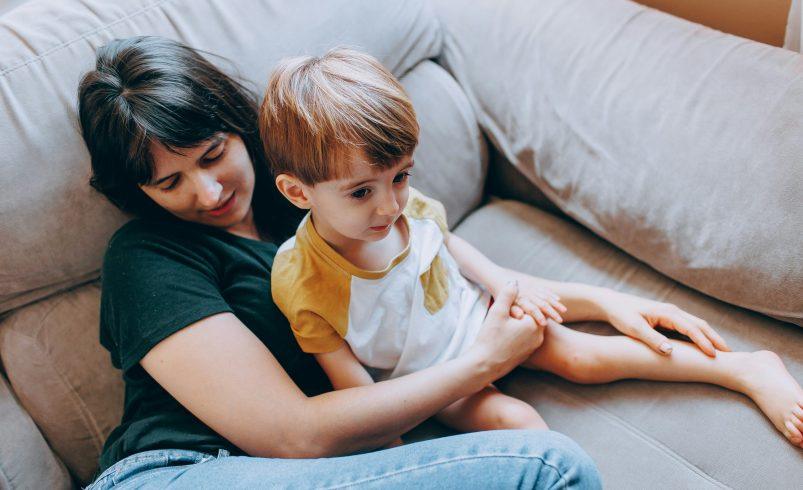
Lots of ideas about being a parent actually end up making things more stressful, not easier to understand. These ideas frequently appear to be good advice, but they typically set both mums and dads and their kids a standard that’s impossible to achieve. If parents think things at home should be peaceful, tidy and always the same, then normal difficulties come to feel like a reflection on how badly they are doing.
What experts in how children grow and learn say is that good parenting is about being steady, offering encouragement, and fixing things when they go wrong, it isn’t about being perfect. Kids learn and develop by being guided over and over again, not by having everything run as it should. Thinking about what we usually believe about parenting will allow families to swap out being hard on themselves with goals that are more down to earth and actually helpful.
Lots of things people say about raising kids make normal difficulties feel much worse. A kid who won’t go to bed, doesn’t remember what they’re told, or bickers with their brother or sister is often just being a kid, and isn’t necessarily causing a large issue for the whole family. What happens is, if grown-ups think their children should always do as they’re asked, they get disheartened by things that kids regularly do.
Family therapists commonly point out that when families have expectations that are too far from reality, it changes how everyone speaks to each other, how much patience people have, and how sure of themselves they are. If parents believe that something a lot of children go through shouldn’t be happening at all, they’ll likely have a bigger reaction. Trading in those inaccurate ideas about parenting for sensible, realistic information can lessen feelings of blame and make everyone in the family communicate better.
Lots of parents believe something that’s actually a pretty widespread mistake. Moms and dads are people too, and being a family is full of pressures, tiredness and annoyance. It’s important to be calm, but nobody – absolutely no adult – manages to be perfect all the time.
In fact, the way you get back to normal after losing your temper is often more significant, according to those who study how children grow. A gentle return to calm, saying you’re sorry clearly, or changing the way you’re speaking can teach a child a lot more than pretending parents are endlessly patient.
Kids absolutely need to be loved, but that doesn’t mean they don’t also need to know what they can’t do, to be reminded of things, and to have someone showing them the way. Children push to see how far they can go, they’ll absolutely forget what they’re supposed to do, and they get very upset, all because they’re figuring out how to manage their feelings and decide things for themselves.
And when experts in children’s behaviour have something to say about bad behaviour, they’ll usually say it doesn’t mean a child and their parent (or carer) don’t get along. More often than not, it’s simply how children grow, and how they keep learning what’s asked of them.
When children have a regular rhythm to their days, it makes them feel safe and comfortable, though it won’t magically make all difficulties disappear. Even in a well-run, predictable house, kids are likely to get frustrated, have trouble when changing from one activity to another, or sometimes have big emotional reactions.
Those who are experts in getting families organised suggest using routines to help, but don’t see them as a total fix. Routine gives a sense of steadiness, yet kids also require us to be understanding of their feelings, to be able to adapt, and for them to have the space to develop.

Credit: Jonathan Borba / Unsplash
Lots of moms and dads think that because a family is close, their kids will naturally get along well. But in fact, brothers and sisters usually bicker, don’t see eye to eye, and have a hard time with what’s fair. Being in each other’s space all the time and having to share their parents’ time often leads to arguments.
And as experts in family life point out, fighting between siblings isn’t necessarily a sign of a problem. It can actually be a place for kids to practice sharing, expressing what they want, and fixing things when they’ve upset each other, as long as a grown-up is there to help.
A really harmful belief about being a parent is thinking you have to be sure of everything to be strong. Things at home shift and change rapidly, and lots of times there isn’t a single, best way to handle something. Kids don’t require mom or dad to have all the answers instantly.
Actually, specialists in how children grow say that being carefully unsure can show kids how to solve problems. If a parent says something like, “I’m going to have to think about this a bit more”, they’re probably giving their child a more valuable lesson than they would with a quick reply.
Having simple rules is useful, but kids usually need to be told things many times. What a child is able to do at any given time is influenced by their concentration, how they are feeling, whether they’re hungry, being tired, and their age. Rules they’ve learned perfectly well might still require going over and over.
Experts in raising kids say constantly repeating yourself is what you’d expect. Kids aren’t like robots that will do something just because they’ve been told once. It takes time, doing something over and over, and someone being consistent for them to learn.
One of the most damaging things people believe about being a parent is that it can prevent families from getting the help they need. Just because you’re struggling with your kids doesn’t mean something is seriously broken. Loads of families find advice, thoughts from school, help from the community, or a professional to talk to really useful when things are hard.
Actually, people who work to help families thrive say getting support is a normal way to deal with issues. When you ask for a hand, it lowers the stress and can make life’s rhythms easier to handle for mums, dads, and the children.

Credit: Tamara Govedarovic / Unsplash
When people who study how children grow up talk to families, they generally suggest being steady in how you do things, talking things over, and having expectations that are within reach. Kids do well with a framework for their day, yet they also require you to understand their feelings, to say things multiple times, and the chance to figure things out on their own. What’s actually true about being a parent is usually less sensational than a lot of the ideas people have about it, but it’s a whole lot more helpful in dealing with things as they happen.
And experts also point out that good relationships within a family aren’t built quickly; they develop as time goes on. Getting back to normal after an argument, being able to change your plans, and remaining calm when you speak to one another are frequently far more important than attempting to have a flawless house and family life every single day.
Q: What are common parenting myths?
A: Common parenting myths are unrealistic beliefs about how children behave, how parents should respond, and what healthy family life should look like every day.
Q: Why are parenting myths harmful?
A: Parenting myths can create guilt, pressure, and unrealistic family expectations that make normal challenges feel like failure.
Q: What should replace parenting myths?
A: Parenting facts based on child development, realistic expectations, and steady support are often more helpful than rigid or idealized beliefs.
Q: Do child development experts expect perfect parenting?
A: No, child development experts generally focus on consistency, repair, communication, and emotional safety rather than perfection.
Lots of ideas we have about raising kids actually make things tougher at home, because they change typical difficulties into problems that feel like they shouldn’t be happening. What really helps is being there for your children, saying things over and over, talking with them, and fixing things when they go wrong, and not trying for everything to be perfect. Most of the time, families do better if they aren’t so strict in what they expect and are a more consistent, calming influence on their kids. When you swap those untrue ideas about parenting for a sensible grasp of how children are and what they need, everyday life at home will likely be much easier to handle and much more peaceful.