8 Changes Parents Often Notice During the Tween Years at Home
- April 10, 2026
- 0
As kids move into their tween years, you’ll probably see a shift in how they talk to you, how they’re feeling, their desire to do things themselves, and

As kids move into their tween years, you’ll probably see a shift in how they talk to you, how they’re feeling, their desire to do things themselves, and
As kids move into their tween years, you’ll probably see a shift in how they talk to you, how they’re feeling, their desire to do things themselves, and what happens at home each day. Lots of mums and dads say this is a period of change from the ages of being a little kid and nearly a teen, and it’s a time where they still need lots of help from you but also want to be more left alone and make their own decisions. These changes can catch you off guard because they don’t always happen in a neat, orderly way.
Those who study how children grow tell us that the tween years are all about becoming more aware of what’s going on with other people, being more easily affected by feelings, and figuring out who they are as an individual. They might appear very grown up at one point, and then like a little child a moment later.
Things with kids in the tween years seem much more changeable because they’re going through lots of different shifts all at the same time. They start to value things like being treated fairly, having their privacy and their friends, but they absolutely still need a normal rhythm to their days, to be told everything is going to be alright and a lot of help with actual things. Mum and Dad will probably find that the ways of dealing with things that used to work aren’t quite as effective anymore.
In fact, family therapists commonly point out that this period leads to a lot of confusing stuff happening daily. They will want to be more in charge of their homework or what they wear, however even little problems can feel too big. This combination of desires and reactions is perfectly typical for this age.
As tweens go through their years, one of the things that really stands out is them developing definite ideas of their own. They’ll probably have stronger feelings about things like rules, what’s fair, their clothes, their friends, and their leisure time. And it’s important to know these opinions aren’t necessarily about being disrespectful. A lot of the time, they show a tween is figuring out who they are and realising they can choose things for themselves.
Those who’ve spent a lot of time with this age group (parents of tweens are often included in this!) say they do best with having a reasonable number of options within pretty definite limits. This lets them be more independent, but it also lets parents still manage what’s going on.
When kids are in the tween years, friends frequently start to mean more to them than they did when they were little. A little argument with a friend can really bother them for quite a long time. Being part of a group, what their friends think of them, and how they measure up to others begin to affect the way they act, and do so in a much more obvious manner.
In fact, experts in how kids grow and change often say that this is why feelings can seem so much more intense. What happens with other people starts to feel a lot more important, even if to a grown-up it doesn’t appear to be a big deal.
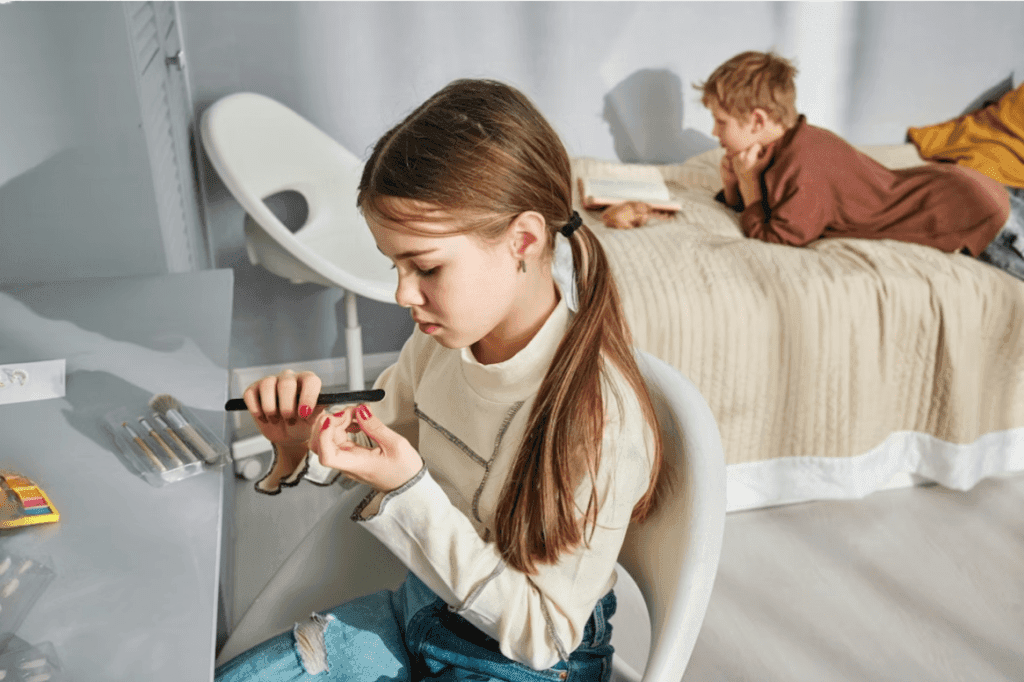
You’ll probably find your eleven to thirteen year old starting to ask for more alone time. Perhaps they’ll shut their bedroom door, want to be by themselves, or not tell you everything about what happened during the day. But that doesn’t necessarily mean they are drifting away from you. It’s much more likely to be their way of becoming more of an individual, and needing privacy to do that.
Experts in families say treating this need for privacy with respect can actually help you to trust each other. Kids thrive when their privacy increases at the same time as you still being able to talk to them openly, not instead of it.
Credit: Photographer / Unsplash
Tweens generally speak and write much better than little kids, but their ability to manage their feelings isn’t necessarily at the same level as their ability to talk about them. They might be able to say what’s bothering them pretty well, yet still get very upset when they’re embarrassed, let down, or told they’ve done something wrong. This difference can make things at home and school seem to go up and down.
Experts who work with children say that a lot of drama and intense feelings are completely typical for this age. And when things are heated, adults staying calm is actually more helpful than trying to talk everything through in a very detailed way.
Things that used to be part of a good everyday schedule from a couple of years ago might now seem overly restrictive or just not challenging enough. Your tween is likely ready to be in charge of more things with school, getting ready for bed or even basic chores around the house. But with a little less checking up on them, you may find out where they aren’t quite finishing what they start.
Family experts who know about organization usually say to change those routines slowly. And it’s important to understand that you aren’t trying to get rid of having a plan, but to adjust the plan to work better for how your child is doing right now.
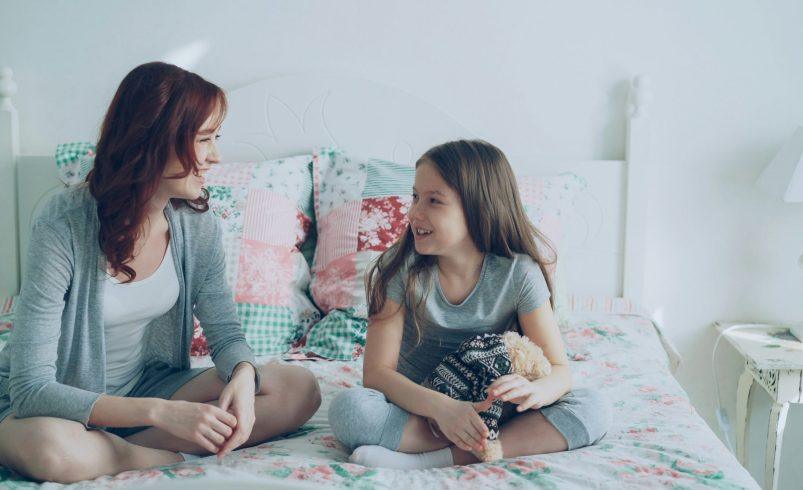
When kids are in the tween ages, moms and dads frequently find they aren’t told things quite as openly or easily as they used to be. Kids might give one-word answers, you might have a trickier time understanding what they’re feeling, and it could feel like getting a straight answer from them takes a lot longer. However, talking with your child is still very important in this period of their lives.
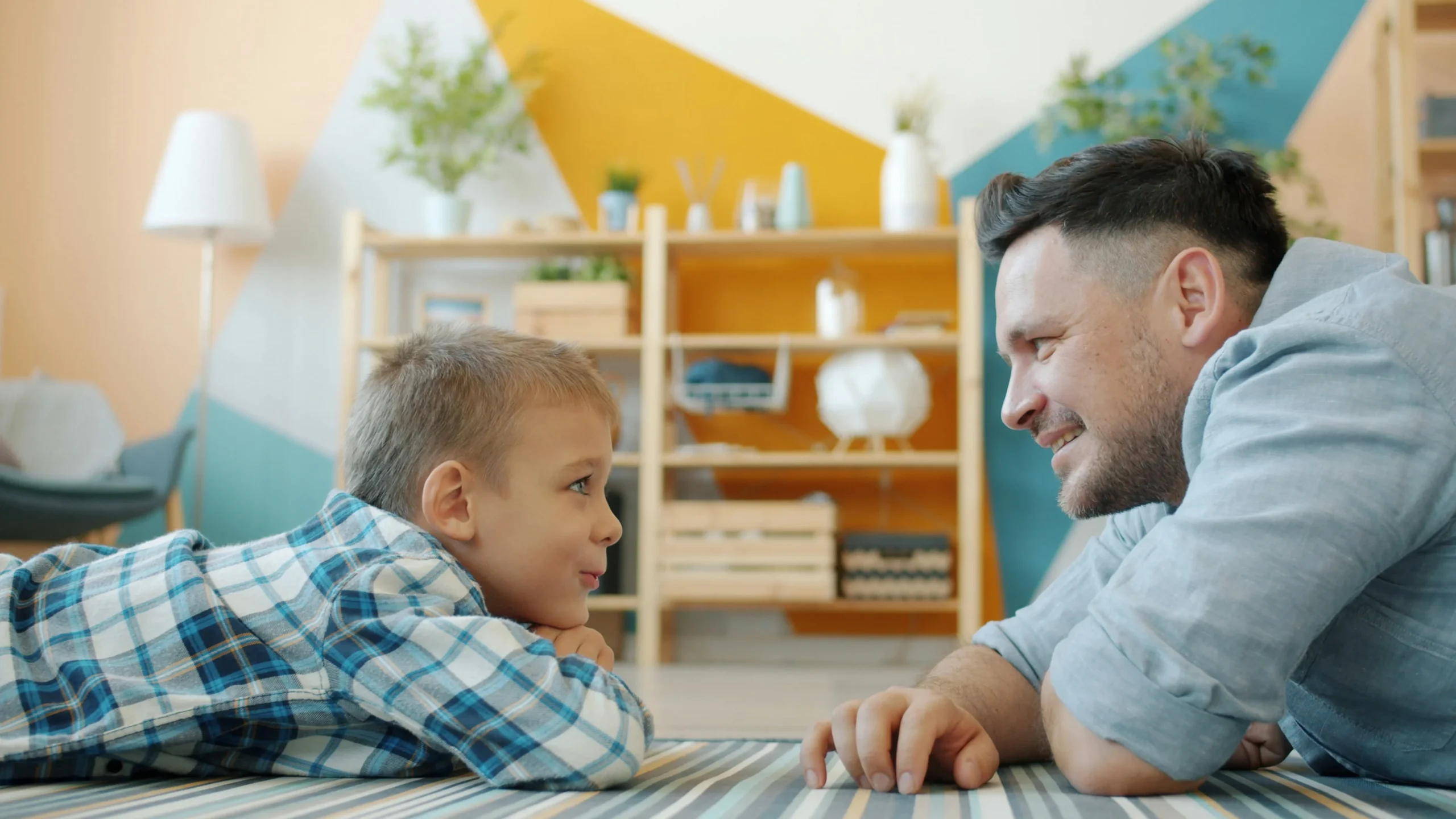
Family communication specialists who know what works usually say to try for a relaxed conversation while doing something together, rather than grilling them with lots of questions. Chatting in the car, while you’re walking, during meals or just with your day-to-day activities are often much better times for a good conversation than a scheduled, formal one.
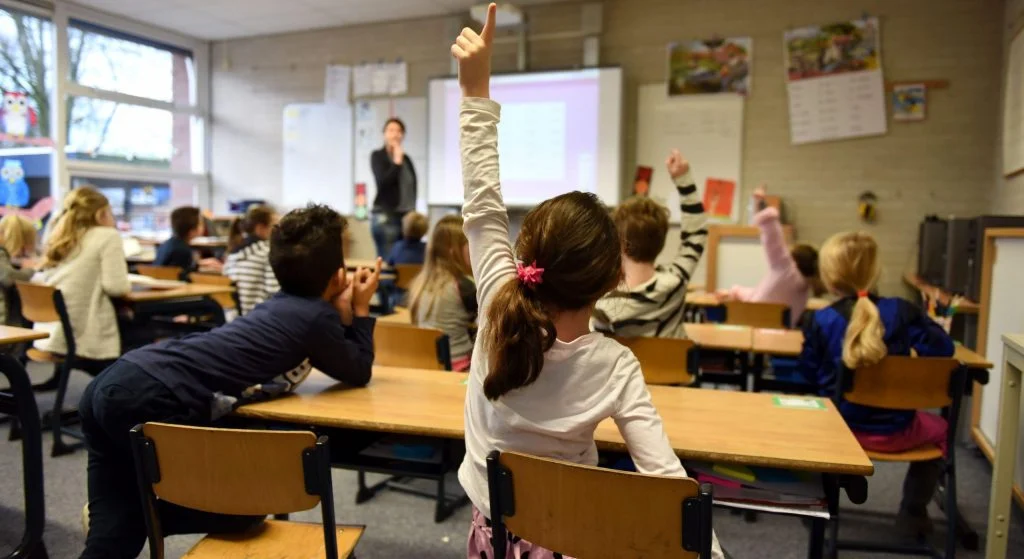
Kids between about 10 and 12 generally like being seen as more grown up, and a lot of the time they are more grown up. They’re likely to handle schoolwork, tasks around the house, or making plans for themselves with less help than previously. However, being forgetful and not doing things the same way each time are really typical while they’re learning. Becoming responsible doesn’t happen instantly.
Those who work in teaching and helping families say that kids are at their most responsible when they know exactly what’s expected of them. And, their freedom to do things on their own develops at a more even pace if they understand what they’re in charge of and what help they can still get.
Credit: Photographer / Unsplash
As kids get into their tween years, they start to be much more aware of themselves. They’ll measure up how they look, what they are good at, their clothes, and how well they do with friends with other kids their age. These comparisons, and they don’t always say anything about them, can really change how they feel about themselves and their general happiness.
Experts in how children grow and change say having a predictable and comforting life at home, with people speaking to each other without a lot of stress, is a good way to help a tween’s self-esteem at this time. It’s generally what they need for adults to pay attention to how hard they’re trying, how consistent they are, and what they are good at, instead of only what they achieve.
When kids are in that in-between stage (tween years), parents do best by being respectful while also having rules. They’re starting to want more of an opinion, more time to themselves and to do things on their own, and to be trusted with increasing responsibilities, yet they’re still happier with boundaries they can count on and a normal everyday flow. Getting both of those things makes them feel strong and safe.
Those who know a lot about raising tweens generally say to look at things as they happen over time, and not make a big deal out of every tricky day. Perhaps your child would be helped by getting more sleep, a more regular schedule, a little longer to get from one thing to the next, or a calmer way of talking things through. You’ll usually get a clearer idea of what’s going on by looking at how things usually are at home, rather than just one specific situation.
Q: What age are the tween years?
A: The tween years usually refer to the period between later childhood and the early teenage years, often around ages 9 to 12.
Q: Why does tween behavior change so much?
A: Tween behavior changes because children are developing stronger identity, social awareness, emotional sensitivity, and independence at the same time.
Q: Is it normal for tweens to want more privacy?
A: Yes, wanting more privacy is common during the tween years and often reflects growing independence rather than rejection of the family relationship.
Q: How can parents communicate better with tweens?
A: Parents often communicate better with tweens by staying calm, using short respectful conversation, and creating natural openings during daily routines.
As kids enter their tween years, you’ll likely see some fairly big shifts in how much privacy they want, their feelings, how they talk to people, what they’re responsible for, and how they understand social situations. Because of all this, things at home can start to feel a bit more chaotic, but that’s pretty typical when they’re growing up. Generally, parents are most effective by adjusting family habits, remaining calm, and finding a way to have both rules and more freedom for their child. Really knowing what to expect during this period can make it easier to figure out what your tween is doing and to be there for them.