What Changes Most in Parenting During the Tween Years
- April 6, 2026
- 0
Raising kids as they go into their tween years is generally not the same as when they were little. They’re starting to want to do their own thing,

Raising kids as they go into their tween years is generally not the same as when they were little. They’re starting to want to do their own thing,
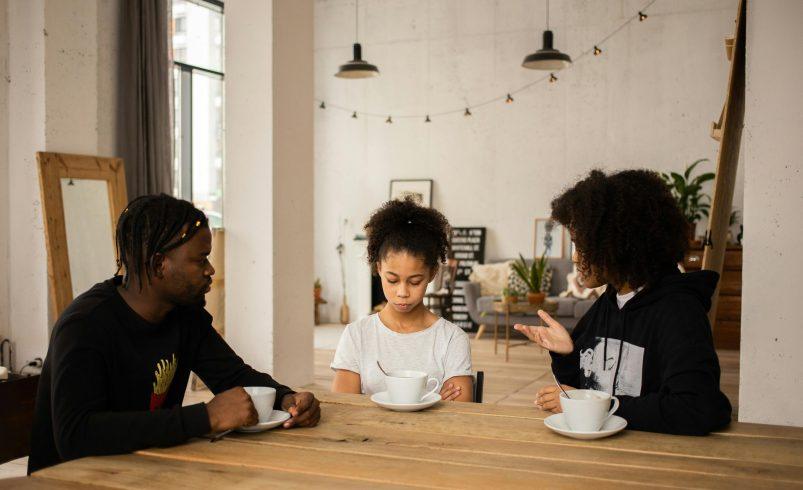
Raising kids as they go into their tween years is generally not the same as when they were little. They’re starting to want to do their own thing, yet they absolutely still require your backing, a sense of being safe, and some boundaries. It’s a tricky time because they’ll be quite adult in how they act at one point, and then really childish almost immediately afterwards. Families are most successful when they realize both of these kinds of behavior can be going on together.
Experts in how children grow think of the tween period as a path between being a child and being a teenager. During these years, with the way they start to understand their place in the world with others, feelings being stronger, and how they feel about themselves, things at home will be different. If parents have a clearer idea of what’s typical for a tween to go through, they can change to suit their child’s needs and won’t assume that ordinary growing up is a huge problem.
Kids between around ten and twelve are usually thinking a lot about being treated fairly, what’s private, how friends interact, and what people think of them. They’ll likely begin to desire more say in things like their clothes, what they do for fun, having their own space, and even how they describe their day to others. However, they’re still going to need adults to organize a lot of their lives.
Family therapists frequently say that this period means much more back and forth discussion than when they were younger. Mum and Dad aren’t managing absolutely everything they do, but they’re still very important for setting limits, providing help, and deciding things.
When you’re talking to your child as they get to the tween stage, you’ll probably have to change how you speak to them. If they think you’re monitoring them too closely or are pushing them, just asking them straight out what’s going on won’t be as effective. Little chats happening at the same time as other things – in the car, with dinner, or while walking – are frequently easier for a tween than a sit-down, proper discussion.
Family experts who know about good relationships at home generally say to really listen and don’t immediately jump in to fix everything. As their world gets more complicated and they are spending more time with friends, tweens are often figuring out if they can still be emotionally secure at home.
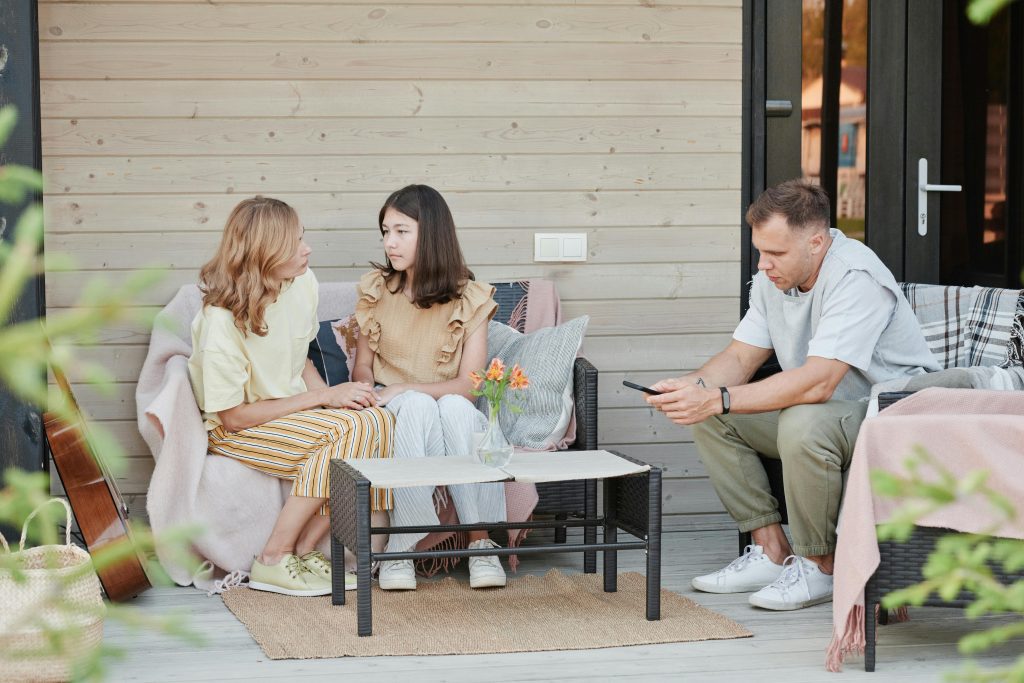
As kids become tweens, they’ll typically start wanting to have a bigger voice in how their days go, who they hang out with, what they do for fun, and the decisions they make. That’s just how they begin to be more independent. However, being independent is easiest and most successful with boundaries.
People who teach parents frequently say that having some set ways of doing things allows tweens to deal with their new freedom in a more secure manner. So, a kid might decide when to finish their homework, but it is still expected that the homework will be completed.
Credit: Julia M Cameron / Pexels
During this time, parents frequently find their kids react much more strongly to things. They might get embarrassed more easily, become very quick to defend themselves, or really feel what’s happening with friends. But these changing emotions don’t necessarily indicate a problem. More often, they show that a tween is starting to understand things on a deeper level and is becoming more sensitive.
Experts in children’s behaviour typically tell parents to remain calm when these things happen. Responding in a calm way gives tweens the chance to learn to deal with big feelings without being ashamed or becoming panicked.
Lots of parents think that routines aren’t so important anymore when their kids get past being little, but that’s not true. Tweens still really need to eat at roughly the same time, have help with school, get enough sleep, and do their chores around the house. Having a routine keeps helping them manage their emotions and just get through the day.
Experts in getting families sorted generally suggest routines that match a tween’s age. They won’t likely require as much direct help as when they were smaller, but if the day has a sensible shape to it, things will go a lot more easily.
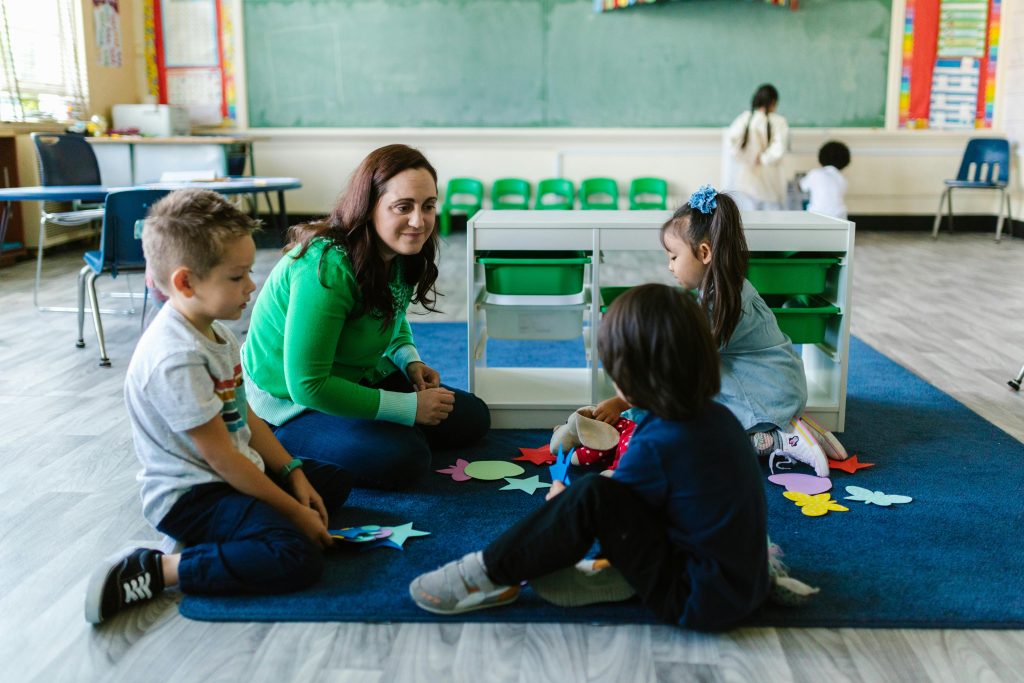
When kids are between about ten and thirteen, it’s a really good opportunity to help them become more responsible, bit by bit. They can start to look after more of what they need for school, do simple jobs around the house, and get used to being expected to do things by a certain time. Doing these things both boosts their self-assurance and makes them understand they need to be accountable.
People who study how children grow up generally say you should connect responsibility to what they do regularly, instead of to what happens when they’re told off. Consistently helping out with things each day, or nearly each day, will teach them about growing up much more effectively than just being given a talking to from time to time.
Credit: RDNE Stock project / Pexels
Q: What age are the tween years?
A: The tween years usually refer to the period between late childhood and the early teen years, often around ages 9 to 12.
Q: Why is parenting during the tween years challenging?
A: Parenting during the tween years can feel challenging because children want more independence while still needing support, structure, and reassurance.
Q: Do tweens still need routines?
A: Yes, tweens still benefit from routines around sleep, school, chores, and family time because structure supports stability and self-management.
Q: How can parents talk to tweens more effectively?
A: Many experts suggest listening more, lowering pressure, and choosing relaxed moments for conversation instead of turning every talk into a formal discussion.
As kids become tweens, you’ll likely need to find a slightly different way to be both there for them and let them do things on their own. Tween years come with feelings that are much more intense, a much keener understanding of what’s going on with other people, and a building desire to be independent. Families tend to get along best if everyone continues to talk to each other, they still have a normal schedule, and their children get more to do as they show they can handle it. In fact, parenting a tween isn’t about stepping back, but about changing how you offer help.