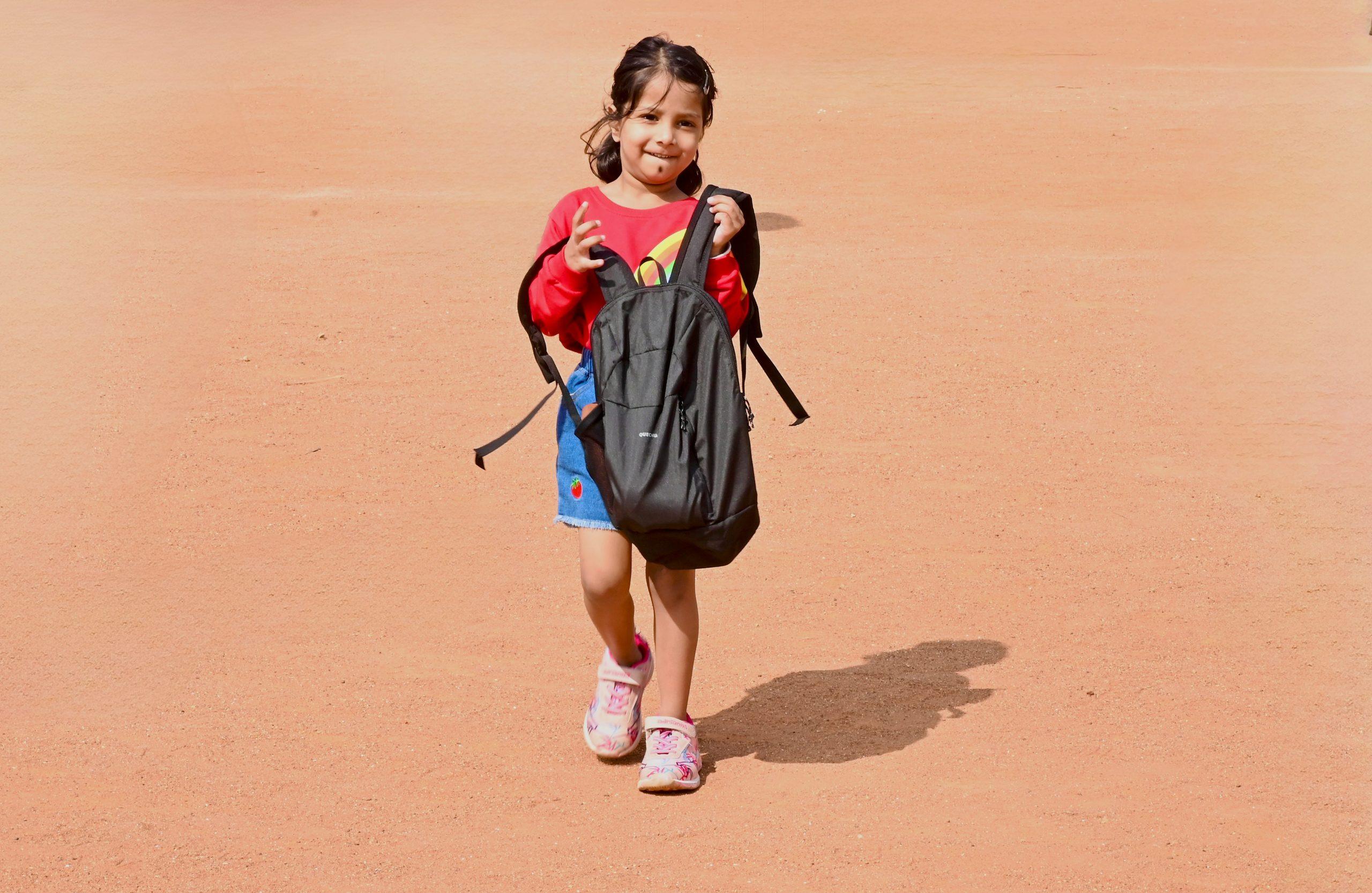
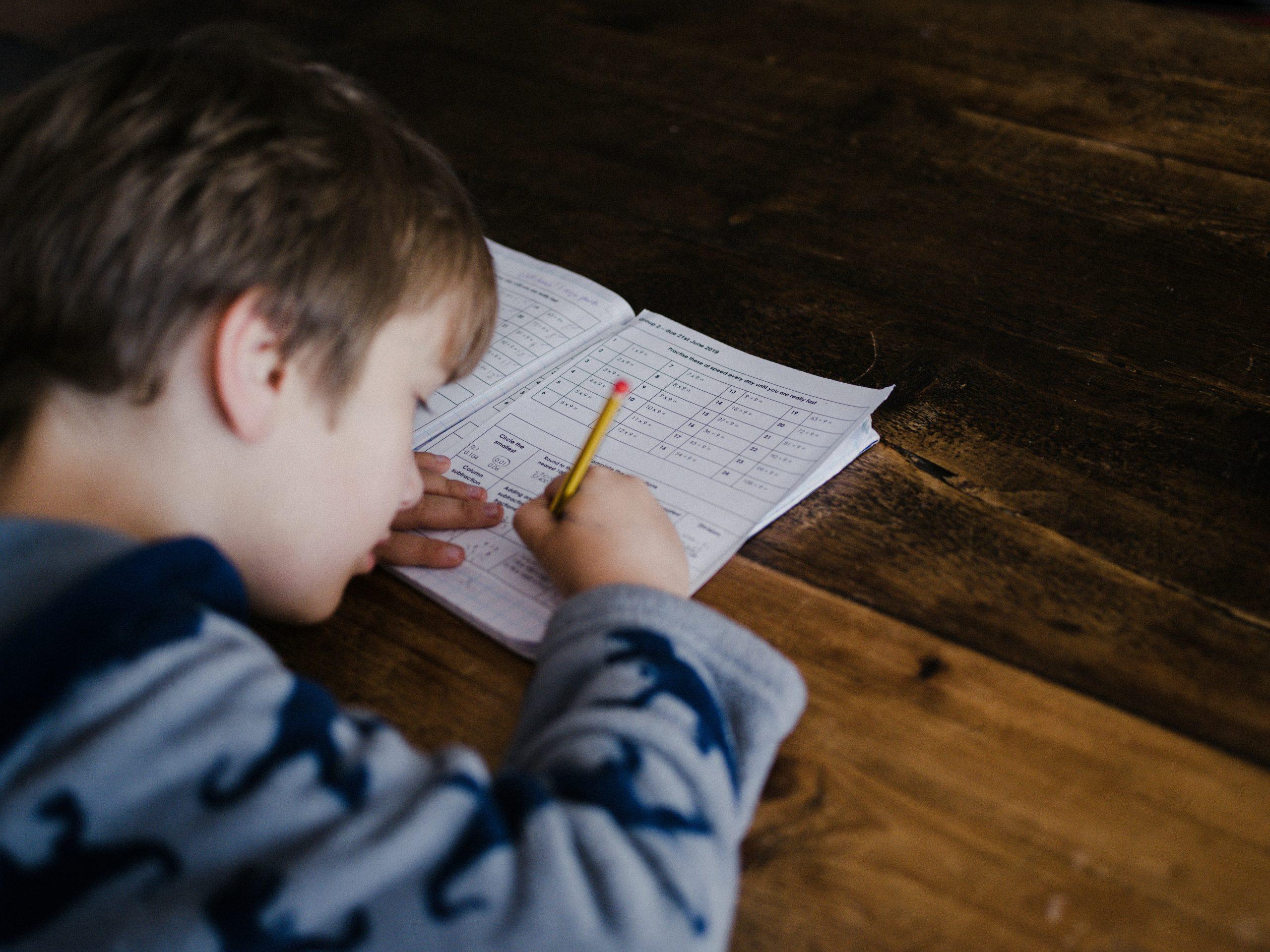
Being ready for school isn’t just about knowing the alphabet and counting; kids also require social skills, emotional strength, and practical know-how to get along in a classroom, do what they’re asked, and cooperate with classmates. Looking at school readiness in a fuller way supports families in building their child’s self-assurance along with their education.
Those who work in early education frequently say kindergarten readiness is about being able to do things, not about being flawless. A child doesn’t have to have completely learned everything before their first day. Being able to be involved, bounce back when things are difficult, and get used to being in a group are more important.
Why school readiness skills matter before the first school year
When kids have good school readiness skills, they usually start school feeling much more self-assured. This leads to adjusting to school more easily, being able to communicate with their teachers, and getting into good learning routines from the start. Importantly, being in a group isn’t as scary for them.
Experts in how children grow and learn say that it’s much simpler for children to get into the academic side of things if they can concentrate on what’s being said, be able to take turns, and look after things like going to the bathroom. In fact, doing with managing their behaviour and getting involved is just as important for doing well in school as knowing a lot about reading and writing early on.
1. Following simple directions in classroom routines
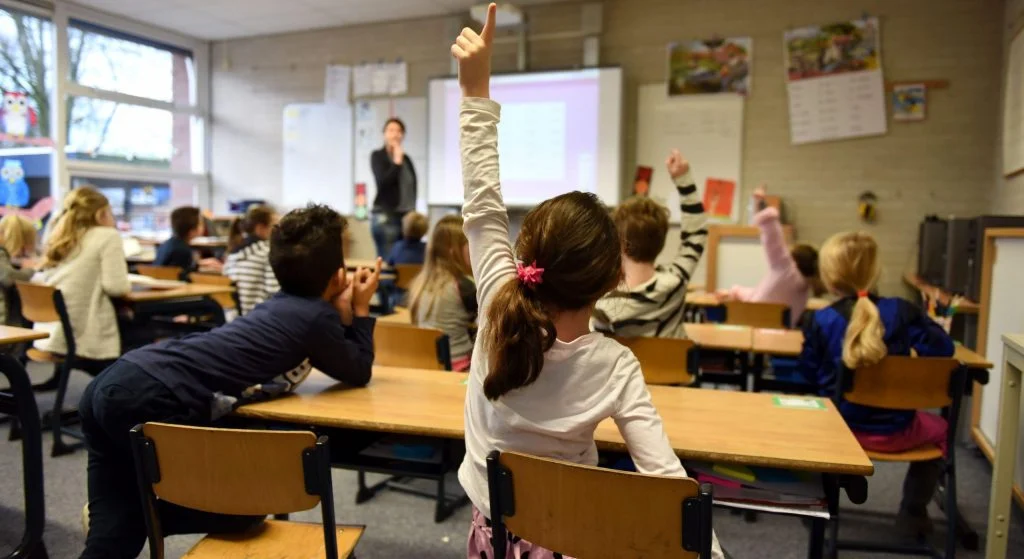
Being able to do what you’re asked in one or two steps is really important when a child starts school. Teachers in class frequently tell lots of kids what to do at the same time. Kids who can listen, then do as they are told, find it simpler to get involved in what’s going on.
You can help with this at home just by what you do every day. Telling your child to put their shoes away, wash their hands, or perhaps get their coat and sit at the table will allow them to work on hearing what’s said and doing things in the right order, all without any special learning.
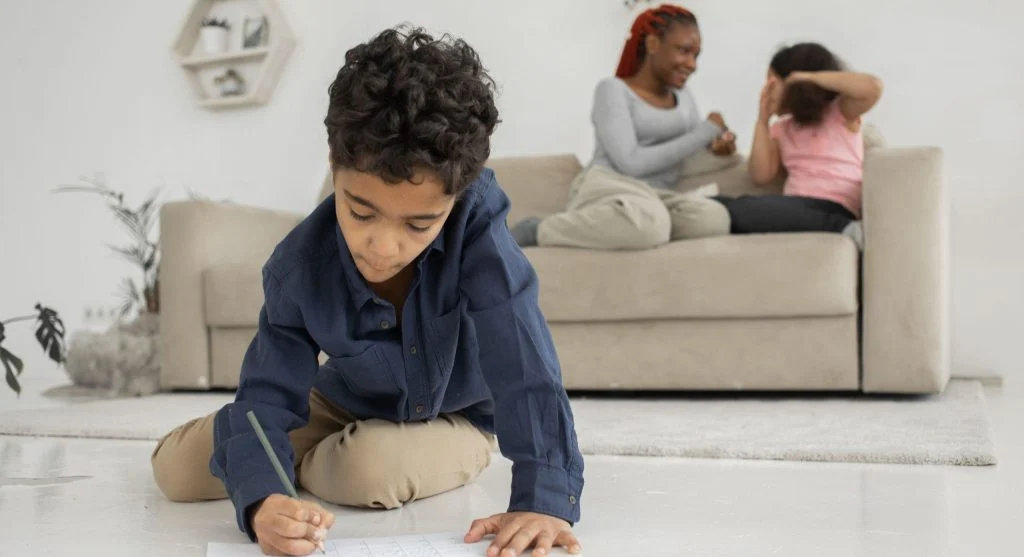
2. Managing short separations from caregivers
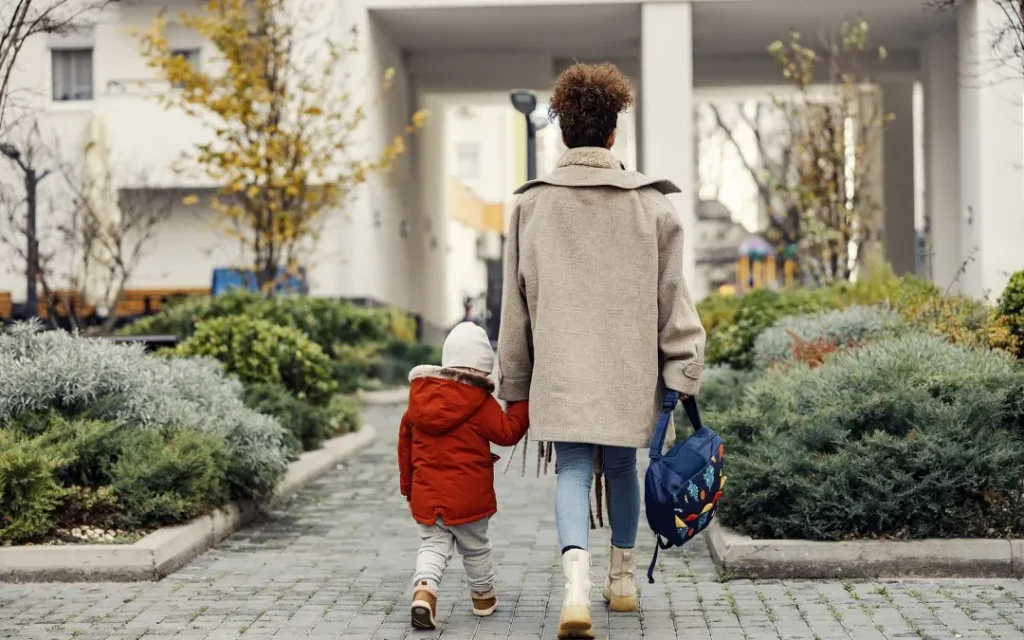
When kids begin school, they’ll be out of the house and in a different place for a while. It’s perfectly alright if they aren’t happy about being left right away, but it’s good for them to be able to calm down after you say goodbye. That way they’ll feel more sure of themselves and won’t be upset for ages at drop off.
Family experts and those who work with young children generally advise little bits of being apart before school even begins. Doing this gives children a chance to learn to rely on the adults in their lives to be predictable in their leaving and coming back.

Credit: Photographer Name / Platform Name
3. Using basic self-help skills during the school day
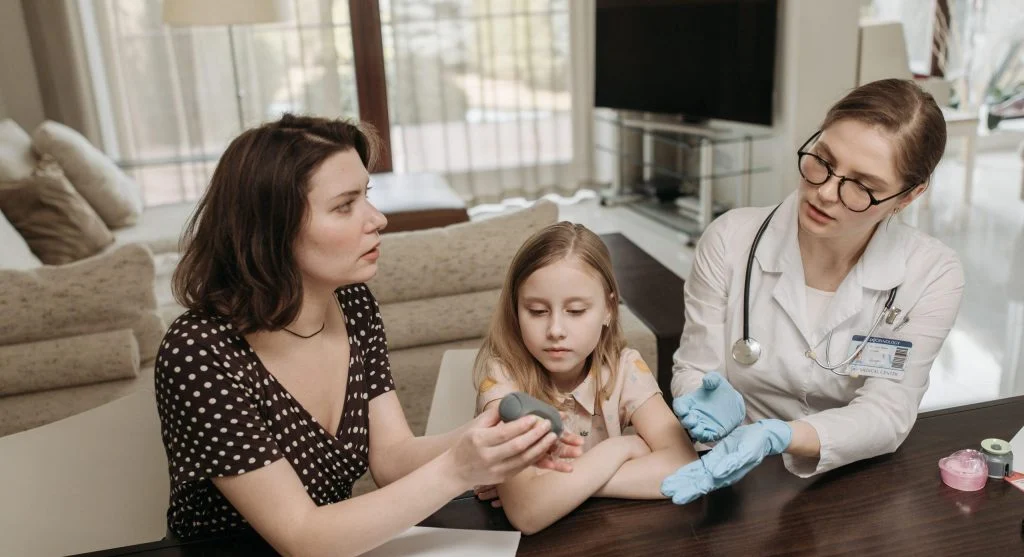
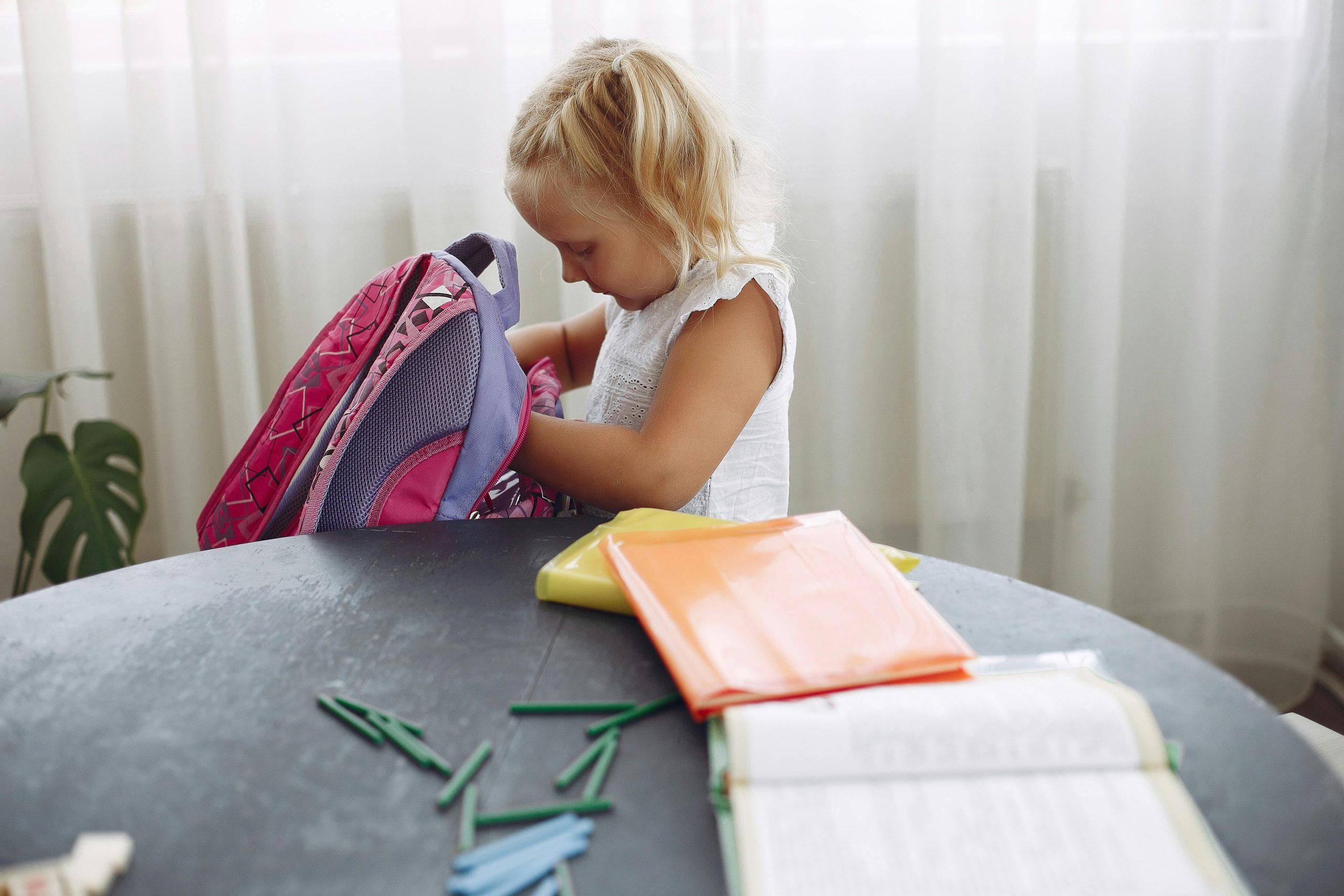
When children start doing things for themselves, like washing their hands, getting things out of packets, going to the toilet more and more on their own, and getting dressed in easy clothes, it makes things a lot less hectic when the classroom is busy. Teachers who work with young kids have discovered that being able to do these things also builds a child’s confidence. Being in charge of little bits of their day to day lives makes a child feel more able to cope with everything going on at school.
4. Taking turns and sharing space with others
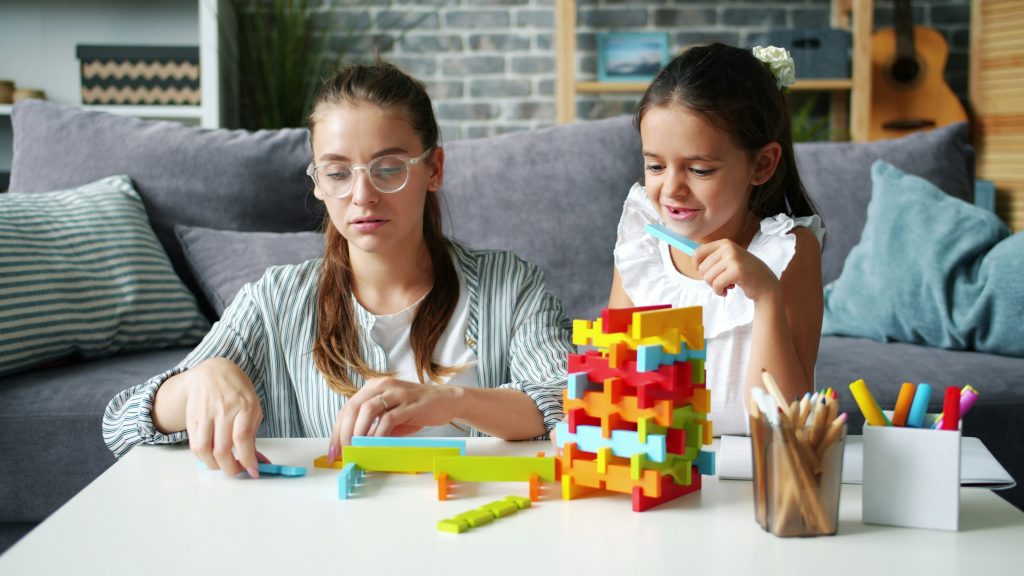
When kids learn with others, they have to pay attention to what everyone else needs. Being able to have a turn, being okay with holding on for a little bit, and sharing things are really important for starting school, as classrooms are places where kids use spaces and focus on things together.
The people who study how we grow socially have discovered that we get good at these things by doing them over and over. Board games, doing things with the family, and even just playing in a group with friends can all help children get used to waiting and working with each other.
5. Expressing needs with clear language
Kids don’t have to be super talkative to have a good start at school, but being able to get their basic needs across really helps. Saying things like “I need help”, “I am thirsty”, or “I do not understand” means teachers can usually support them more easily during lessons.
In fact, speech therapists and other professionals who work with kids as they grow frequently suggest that families get into the habit of asking for things in a straightforward way during normal activities. That way, children will have the words they need when they get to school.
6. Handling small frustrations without shutting down
In a classroom, you’ll have to wait your turn, things will shift around, kids will get things wrong, and not everything will work perfectly initially. Being able to handle a little bit of being bothered is a really key thing for a child to have before starting school. Children who can stop for a moment, get someone to assist them, or have another go are generally able to get used to new things more readily.
And those who study young children’s behavior all say pretty much the same thing: kids develop this ability with encouragement, not being pushed. Little opportunities at home to figure things out for themselves can really help them be ready for the difficulties of learning when they’re young.

Credit: Photographer Name / Platform Name
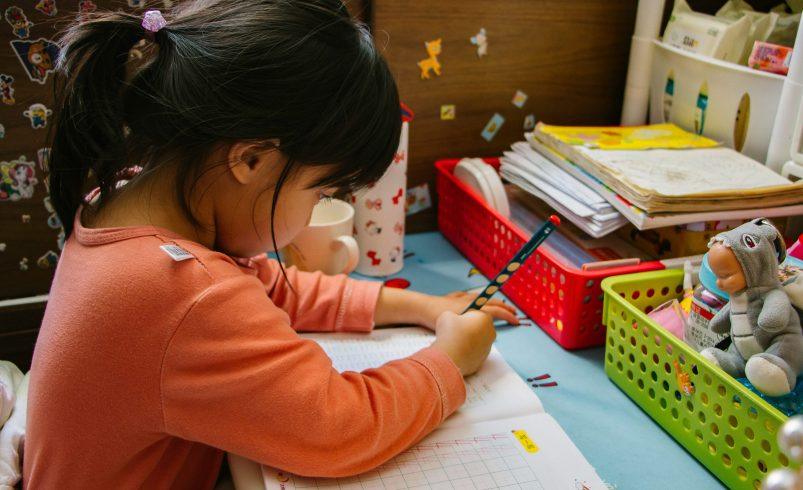
7. Sitting for short periods during group learning
Kids aren’t really designed to be still for ages, yet they are frequently asked to be in a small group for a little while. Being seated, paying attention and being involved in a quick something-to-do is how they get with songs, stories and what the teacher wants them to do in class.
Teachers understand this is something that improves slowly. And you can easily work on this at home – perhaps by listening to a short story as a family or completing one activity while sitting down before starting the next.
8. Recognizing basic routines and transitions
At school, things happen in a certain order: kids get there, then have group time, a snack, playtime, their lessons, and finally, they tidy up. Knowing when one thing stops and the next starts can make the day seem less chaotic.
People who really know about family routines (and have looked at this a lot!) frequently recommend using charts with pictures or just plainly telling kids what’s coming next at home. Using these methods will help children become comfortable with moving from one thing to another prior to starting school.
9. Showing curiosity and willingness to try
When little ones are curious, it helps them learn from the start, no matter where they are. If a child asks ‘why’ a lot, investigates things, or attempts something they haven’t done before, they’re developing a really robust attitude toward learning. And this is possibly as important as knowing the basics before school.
Teachers frequently mention that being interested in things, paying attention, and being happy to have a go are very good ways for children to get ready for kindergarten. What’s important is not for kids to be right all the time, but for them to be comfortable and secure enough to actually learn.
Frequently Asked Questions
Q: What are school readiness skills?
A: School readiness skills are the practical, social, emotional, and early learning abilities that help children adjust to classroom routines and participate in school.
Q: Is kindergarten readiness only about academics?
A: No, kindergarten readiness also includes self-help skills, listening, communication, and handling small frustrations in a group setting.
Q: How can families support school readiness skills at home?
A: Families can support school readiness skills through routines, short directions, reading together, simple chores, turn-taking games, and practice with transitions.
Q: Should parents worry if a child is not perfect before school starts?
A: No, school readiness is about steady growth. Teachers and child development professionals generally expect children to arrive with mixed strengths.
Key Takeaway
When kids are ready for school, they can generally listen well, talk to people, be away from their parents without being overly upset, do things for themselves, handle being frustrated, and are interested in finding things out. Actually, children with these kinds of strengths usually begin school with more self-assurance than those who just know their letters and numbers. And families can help with getting a child prepared for kindergarten by including these things in their normal day and with a little practice each day. Kids develop these important skills when they feel secure, when they think they can do things, and when they are told to not give up.