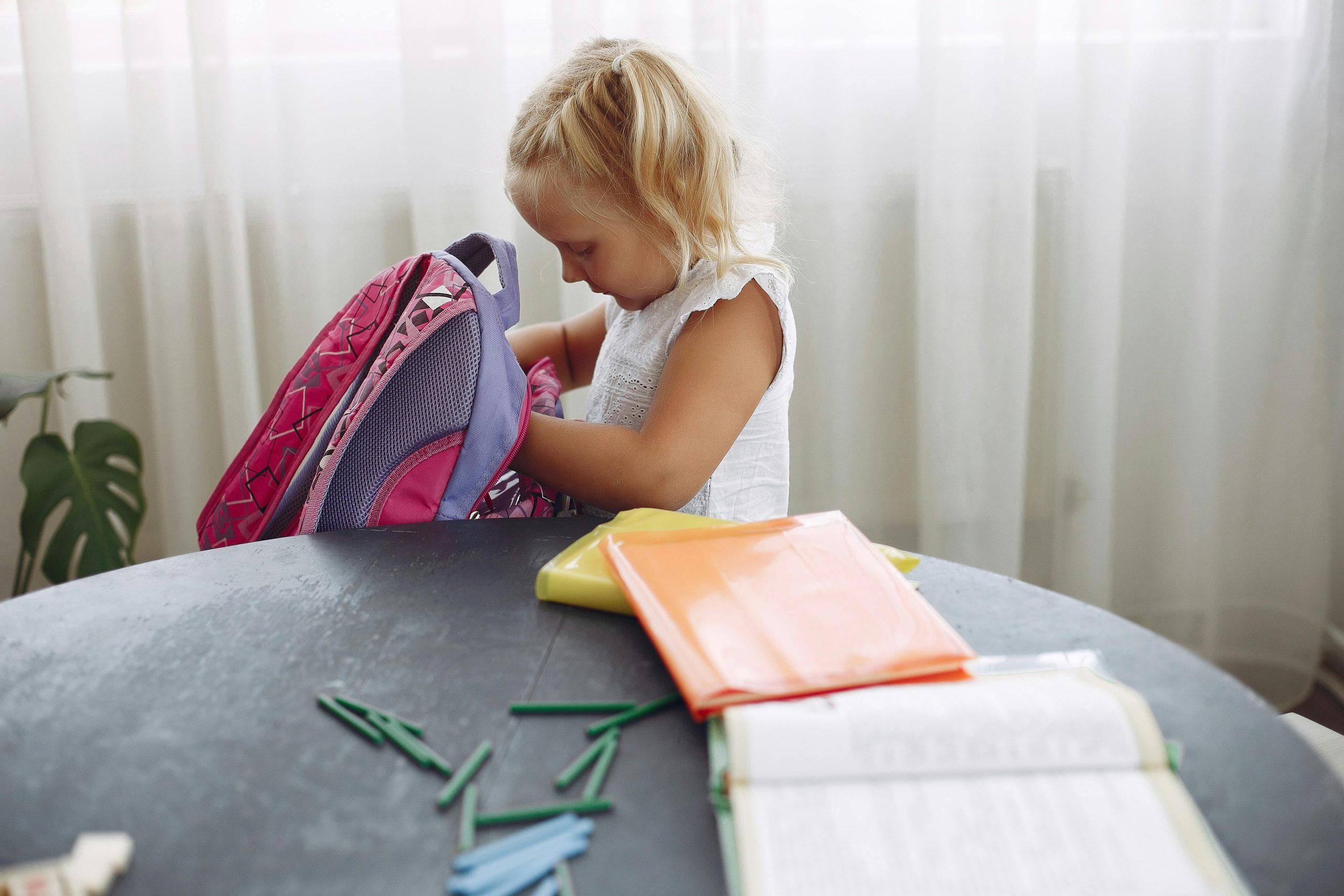
Weekday mornings with school are crazy for both kids and parents. Lots of families find themselves constantly telling each other things, with things getting left behind and a mad dash to get out the door. But a straightforward checklist is often the answer, transforming a hectic routine into steps a child can grasp and do on their own.
Experts in getting kids ready for school say children thrive on routines when they can actually see what’s expected of them and do it the same way each time. A checklist assists their memory, stops them being unsure of what to do, and teaches them the order of things to do before heading out. And as time goes on, using a school morning checklist can give children more faith in themselves and improve how well they can manage their own needs.
Why school morning checklists help children build independence
Lots of little things happen very quickly with morning routines. Before kids head out the door, they have to wake up, get their clothes on, brush their teeth, have breakfast, get their bag together, and put their shoes on. And even if they do know all those things to do, they can forget what order to do them in, or get sidetracked.
Children generally do better with routines if the things to do are broken down into steps they can actually see. A checklist for the school-getting-ready time means you won’t have to remind them so much, and helps them understand what’s coming up.
How a school morning routine becomes easier with visual structure
It’s generally much smoother in the morning if kids can see what they need to do, rather than just being told. Things you say get forgotten pretty fast, particularly if a child is just waking up or not paying attention. A checklist is there to look at, and provides a real thing for them to do.
Professionals who help families get organised say that having a visual plan for things makes everyone calmer because parents don’t have to give the same directions over and over. This helps kids to be more willing to do what’s asked, and cuts down on the stress that happens when you’re rushing to get out the door.
Step 1: Keep school morning checklists short and realistic
Checklists for school mornings that really work are straightforward. A huge list can be stressful, and this is particularly true for little kids. Families generally get on better with just a few steps, covering what’s absolutely needed to get going in the morning.
When it comes to getting children prepared for school, people who know about these things suggest sticking to what you do every day, and not piling on lots of extra things that only happen now and then. A shorter list is easier to hold in your mind, to do over and over, and ultimately, to just become something you do without thinking.
Step 2: Put the checklist where the child actually needs it
Where you put a checklist is important. It’s generally more helpful to have it by the bedroom door, on the bathroom mirror, on the kitchen table or by the front door, rather than somewhere out of the way. Kids will be more inclined to use it if it’s right there when they need it for their routine.
People who work with families frequently say that things around us that remind us of something are what really make a routine happen. When a child can see the checklist as they are doing something, it feels like a normal part of getting ready in the morning, not another thing to be overlooked.

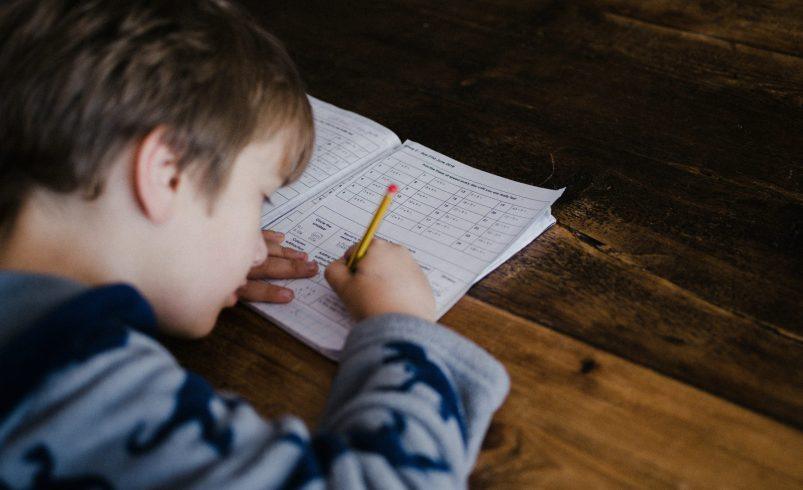
Credit: Tim Mossholder / Unsplash
Step 3: Use words or pictures that match the child’s age
Little kids usually do better with checklists for their school mornings that have pictures on them. Things like a picture of getting dressed, brushing teeth, breakfast, and a packed bag can help the routine go smoothly. Children who are older, though, are likely to find a few words for each step more helpful.
Children with speech or learning difficulties are often explained to be more likely to actually use something if it fits where they are at in growing and learning. A checklist needs to be easy to understand and do, not too complicated for their age or too babyish.
Step 4: Practice the checklist before expecting full independence
Kids don’t generally get self-sufficient simply by having a list of things to do stuck up on the wall. They will likely need to go through the steps of the list multiple times, with a grown up helping them. Doing this over and over helps them understand what each thing on the list means they have to do.
And those who study how children learn generally suggest going over the list at a more peaceful time of day, or even not when they are actually doing the routine itself. If they can practice it, getting ready for school will be a lot more normal when you expect them to do it all by themselves.
Step 5: Let the checklist do some of the reminding
When people doing the routine have it down, they can start having the kids look at the checklist for themselves, instead of being told each step. Asking “What’s next on your list?” is generally more helpful than going through all the instructions again. That way the routine itself is what’s being remembered, not the adult constantly correcting the child.
Experts in how families talk to each other say this change helps kids be more self-sufficient as they start to monitor how they are doing. Plus, it means fewer arguments between parent and child because the routine isn’t tied to someone being told what to do over and over.
Step 6: Expect distraction and build in extra time
Even if you have a really good, steady way of doing things, things won’t always go perfectly. Kids will get distracted, be a little slow at times, or occasionally leave something behind. This doesn’t mean the checklist isn’t working. It’s generally because they’re still getting used to how the morning flows.
Experts in children’s behaviour typically advise adding a bit of extra time to your day. School morning checklists are most effective when children have enough time to manage them, without being rushed and stressed.
What often weakens school morning checklists over time
Checklists can get useless when they get really, really long or have tons of tiny steps, or just don’t fit with how things normally happen. If a kid’s daily checklist includes things they don’t really do every single day, it’s going to be confusing for them. And a checklist that you’re altering all the time probably won’t be helpful for long.
Experts in getting families organized usually say to look at your school-morning checklists every couple of weeks. When a certain part of the morning is always where everything falls apart, maybe that step needs to be easier, happen at a different time, or have the kids practice it specifically. Usually, little changes are much more successful than completely starting over with a new plan.

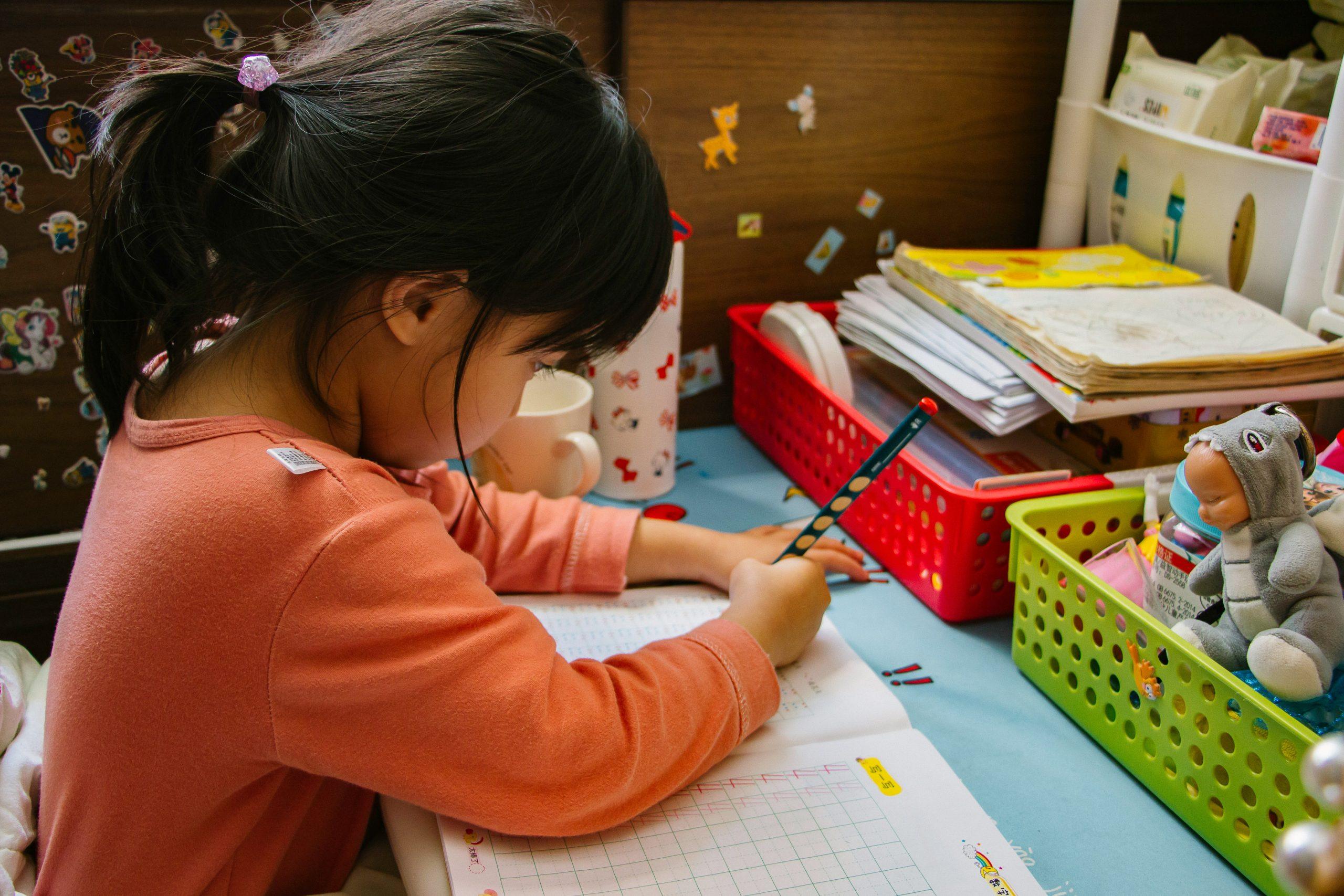
Credit: Vitaly Gariev / Unsplash
How school morning checklists support long-term school readiness
School morning checklists aren’t just for getting kids out of the house. They actually help children form the kinds of habits that get them ready for school: doing things in order, keeping track of their belongings, and being in charge of things they do over and over. And what’s good is these skills aren’t limited to just mornings; they’re valuable throughout life.
What those who study how young children learn say, is that kids get more self-sufficient through doing things lots of times with a little help. A child who can get through their usual morning things needing you to tell them less and less is also learning to plan, remember things, and manage themselves in their everyday life.
Frequently Asked Questions
Q: What should be on school morning checklists?
A: School morning checklists usually include core daily tasks such as getting dressed, brushing teeth, eating breakfast, packing a bag, and putting on shoes.
Q: At what age can children use school morning checklists?
A: Many children can begin using simple school morning checklists in early childhood, especially when the list uses pictures and adult support at first.
Q: How do checklists help with child independence?
A: Checklists help with child independence by making expectations visible and allowing children to follow steps with less direct prompting.
Q: Why do school mornings still feel hard even with a checklist?
A: School mornings can still feel hard because children may be tired, distracted, or still learning the routine. Practice and extra time often help the checklist work better.
Key Takeaway
Kids find getting ready for school a lot less frantic, and a lot more straightforward, if they have a list of things to do. These lists are most helpful if they aren’t too long, suit the child’s age, are somewhere they can be seen, and have been tried out with a parent helping at first. As time goes on, using a checklist each morning for school will help children get ready for school, be more responsible, and manage themselves better. In fact, a much smoother start to the school day is often all about having expectations that are easy to understand and do.