How to Build Consistent Homework Habits That Reduce Daily Stress
- April 7, 2026
- 0
How kids get into the habit of doing homework is really important for handling all their school stuff at home. If there isn’t a set plan, homework can



How kids get into the habit of doing homework is really important for handling all their school stuff at home. If there isn’t a set plan, homework can

How kids get into the habit of doing homework is really important for handling all their school stuff at home. If there isn’t a set plan, homework can easily become upsetting for kids and their moms and dads. Doing things in a similar way each time will make this time of day easier to deal with.
Experts in education say homework habits aren’t just about finishing the work. They also help with being tidy, concentrating, and deciding how to use their time. And with these abilities, children are generally much more secure in what they do every day.
Kids usually do a better job when they know exactly what’s expected of them, and when things happen the same way fairly regularly. Having a homework time you can count on helps avoid misunderstandings, and can also cut down on disagreements each day.
People who really understand how kids learn will tell you that habits are formed by doing something over and over. Because of this, if homework is always at the same time in the same spot, it’s simpler for children to begin and get it done.
You don’t need to overthink things to get a routine going. For kids to settle in after school, just having them do things in a simple order – a snack, a little break, their homework, and then time to play – is a good start.
Most of the time, people who are really good at getting families organised say you should do the same routine nearly every day. When kids know what to expect, they’re less likely to complain and can concentrate more easily.
When kids have homework at the same time every day, they know what’s going to happen. And that time should match how much energy your child has and what their day is like.
A lot of people who know about these things say it’s a good idea to let your child have a little rest after school before they begin their work.
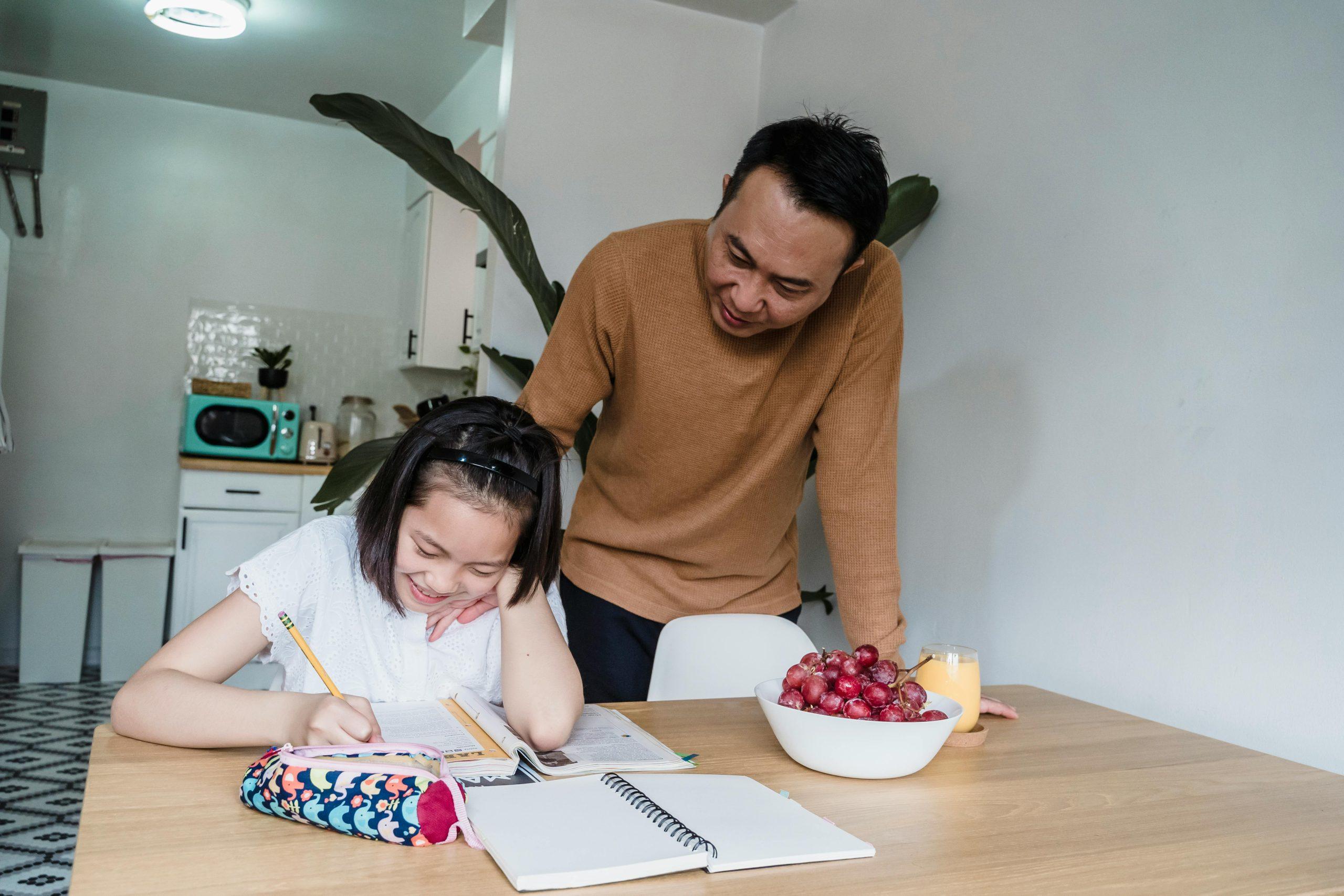
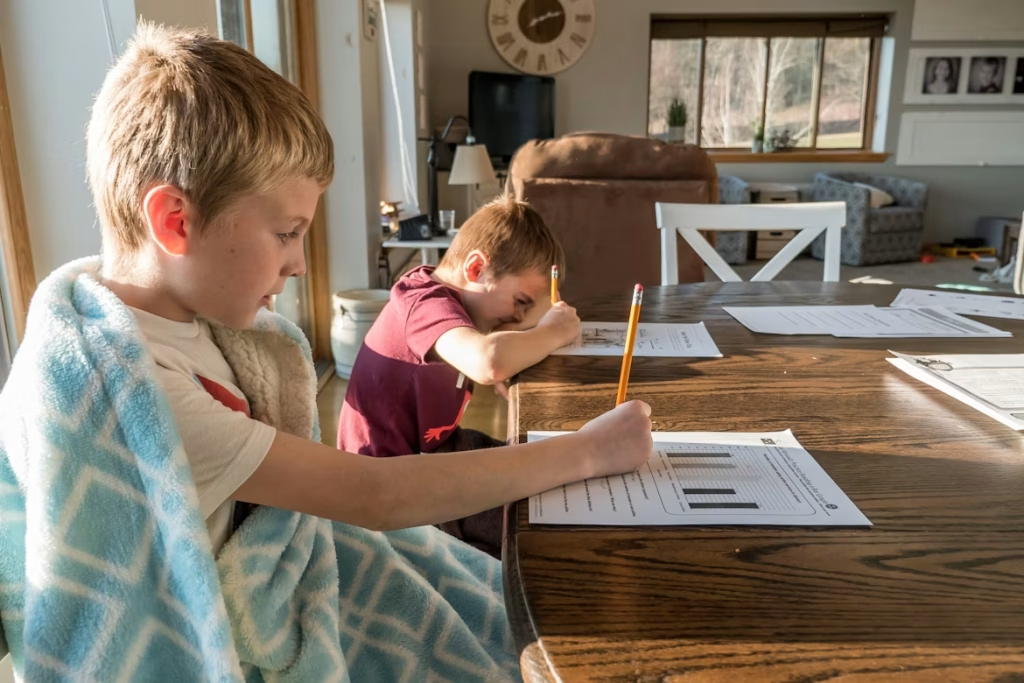
A tidy and arranged workspace makes it easier to focus. It doesn’t require a whole other room, a calm table with the things they need will usually do.
Teachers and others in education frequently point out that the surroundings are very important for kids to form good ways of studying.

Credit: Getty Images / Unsplash
Big school projects can be really daunting. Breaking them down into smaller steps is a good way to get started.
People who know a lot about how kids learn frequently say that doing a little bit of work then having a quick rest will help a child concentrate.
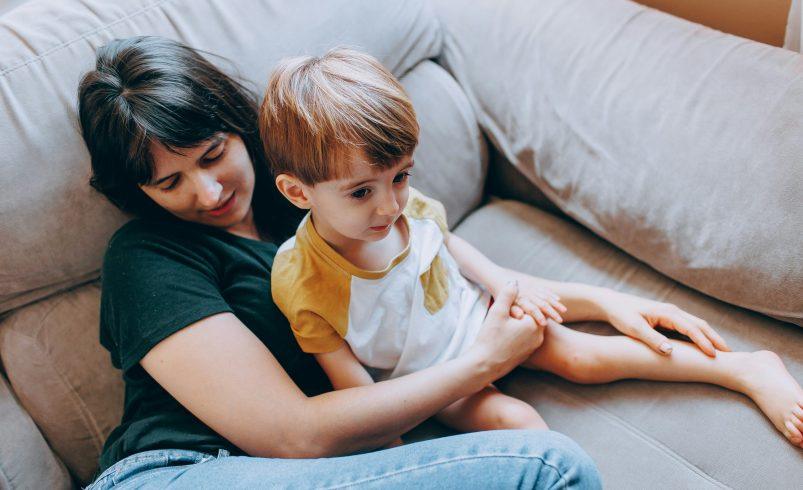
Kids do well when they learn to be in charge of their schoolwork, but they will likely still require some help with harder things.
And when they do need it, experts recommend you offer support, but don’t do the work for them.
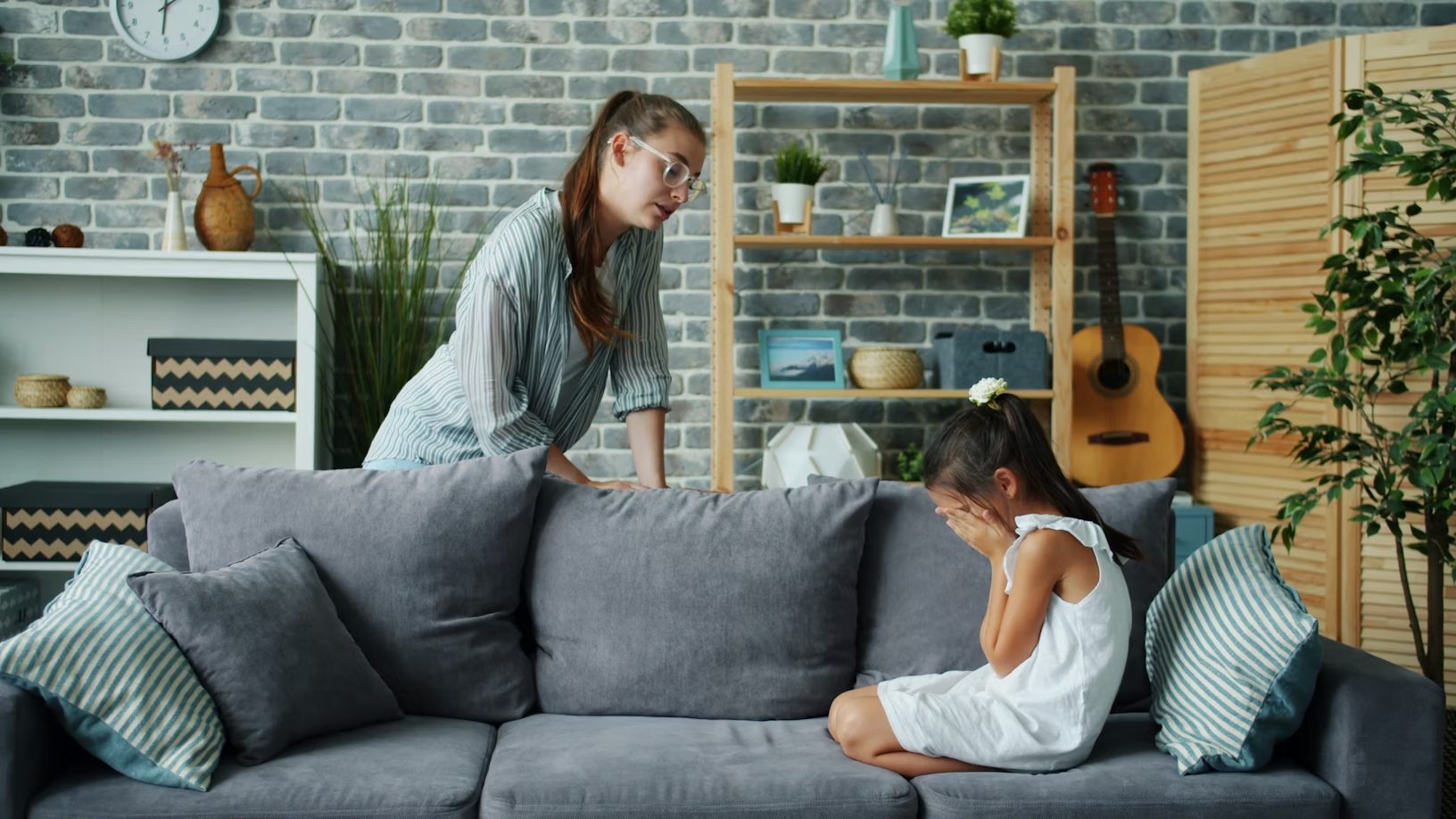
Homework can be a source of tension when you find yourself constantly nagging or getting annoyed with each other. Staying calm with your words will help everyone concentrate.
When families talk openly, according to those who study how families get along, it leads to fewer arguments and people being more willing to work together.
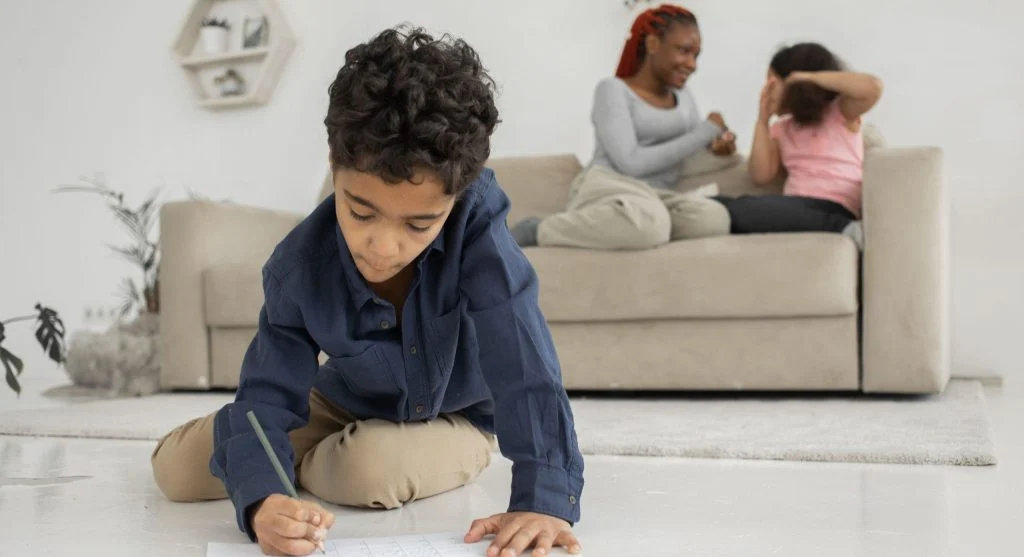
Things like not having a regular time for homework, lots of things to get in the way, and not being sure of what’s required all make doing homework more difficult.
If you change these habits, professionals say, your child’s schoolwork and how they feel about it will both get better.
Credit: Jessica Lewis 🦋 thepaintedsquare / Unsplash
It’s better to do things the same way most of the times, than to try for perfect. And your after-school routine will likely have to be tweaked a bit as school gets harder or the workload changes.
Teachers and others who work in education suggest looking at these routines fairly often and changing little things about them as necessary.
Q: What are good homework habits for children?
A: Good homework habits include consistent timing, a quiet workspace, and breaking tasks into smaller steps.
Q: How long should homework time be?
A: Homework time varies by age, but many experts suggest short focused periods with breaks.
Q: How can parents reduce homework stress?
A: Parents can reduce stress by creating routines, keeping communication calm, and reducing distractions.
Q: Should parents help with homework every day?
A: Parents can offer support when needed but should encourage children to complete tasks independently.
When kids have a way of doing their homework, they’re able to deal with all their school stuff with less worry and feel much more able to handle it. A straightforward routine, a tidy place to work, and everyone knowing what’s expected of them are all important for steadily getting things done. Over time, little changes to how things are done can help concentration and lower arguments each day. A good homework routine makes for a calmer, more organised life at home.