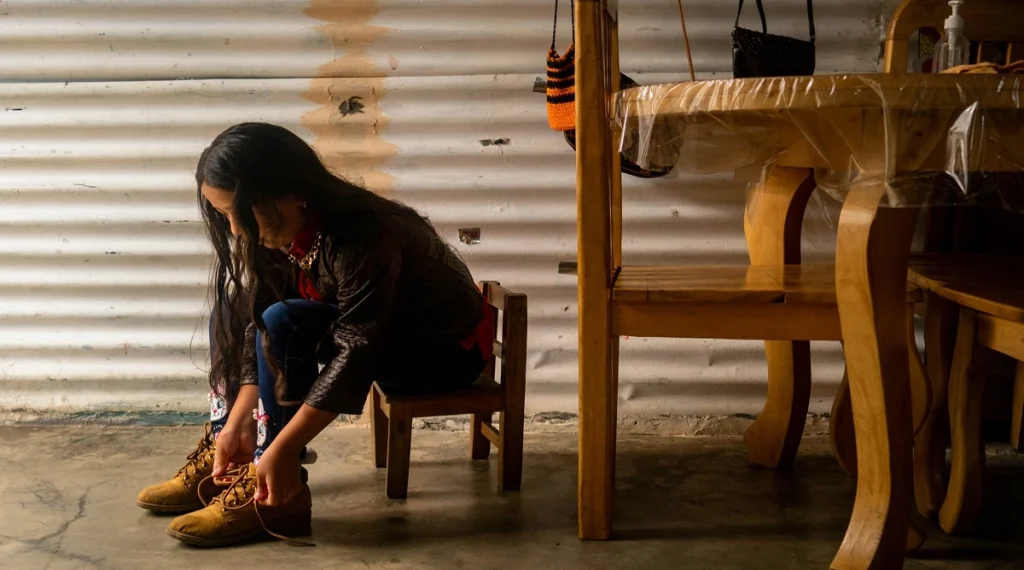
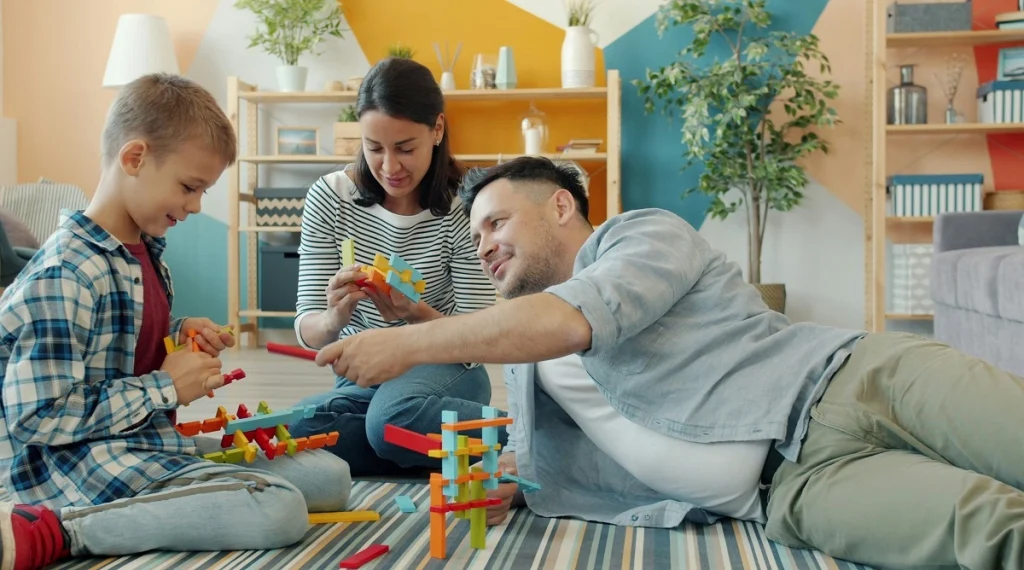
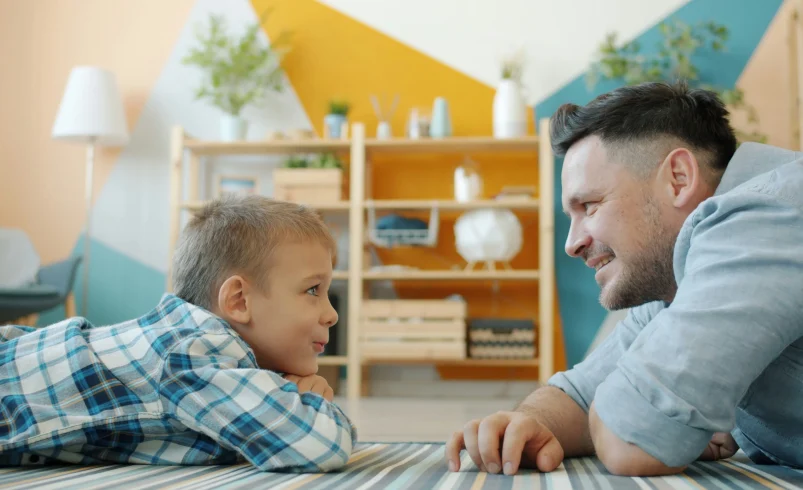
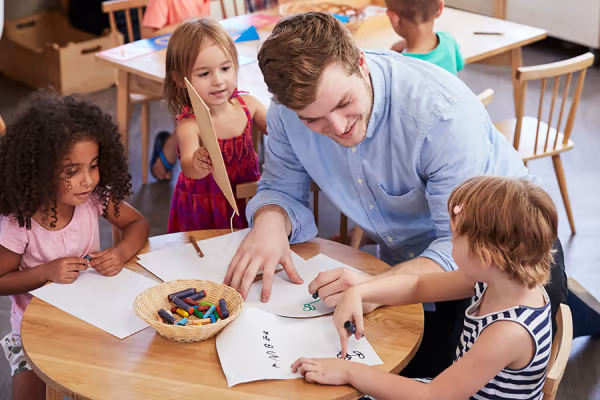
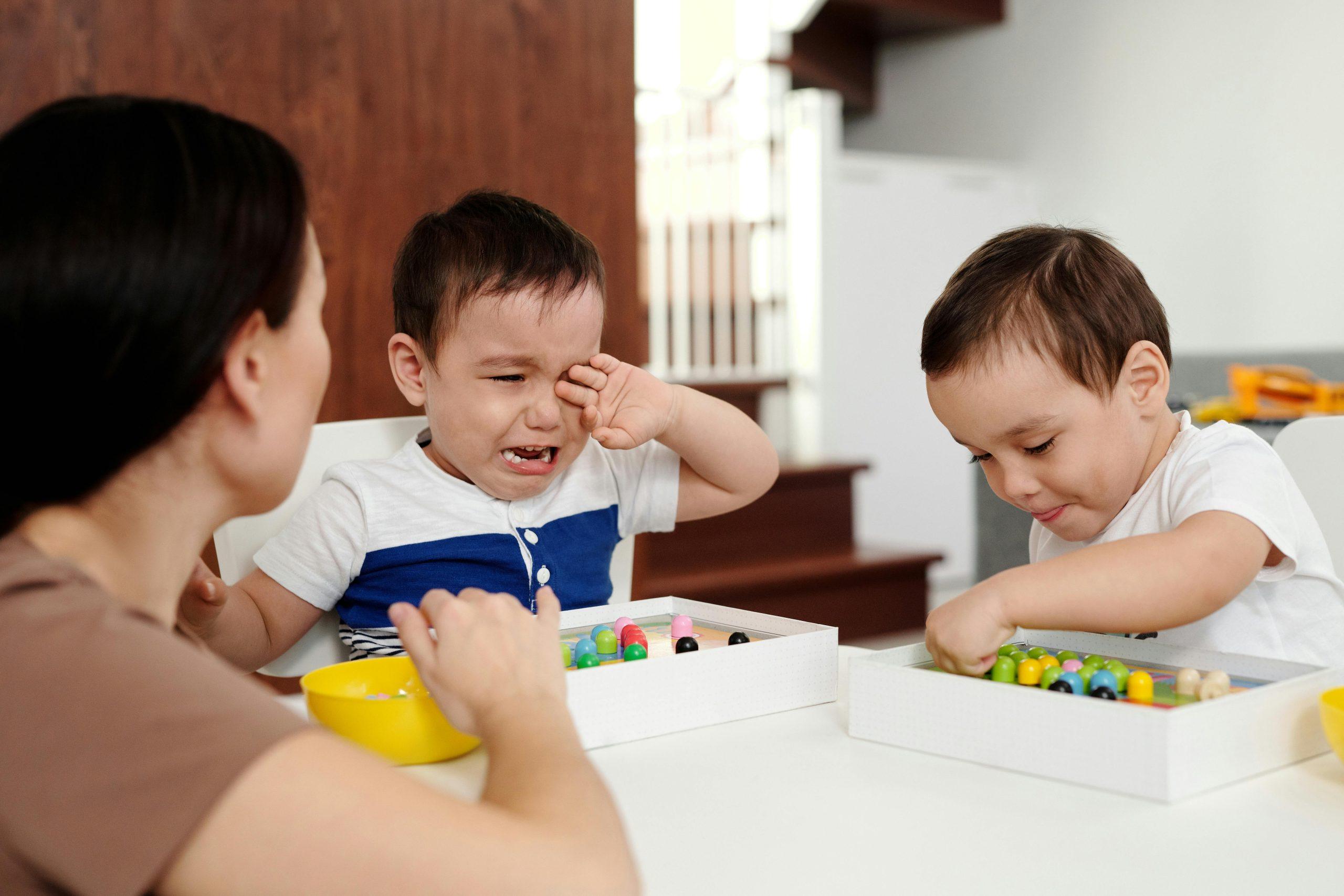
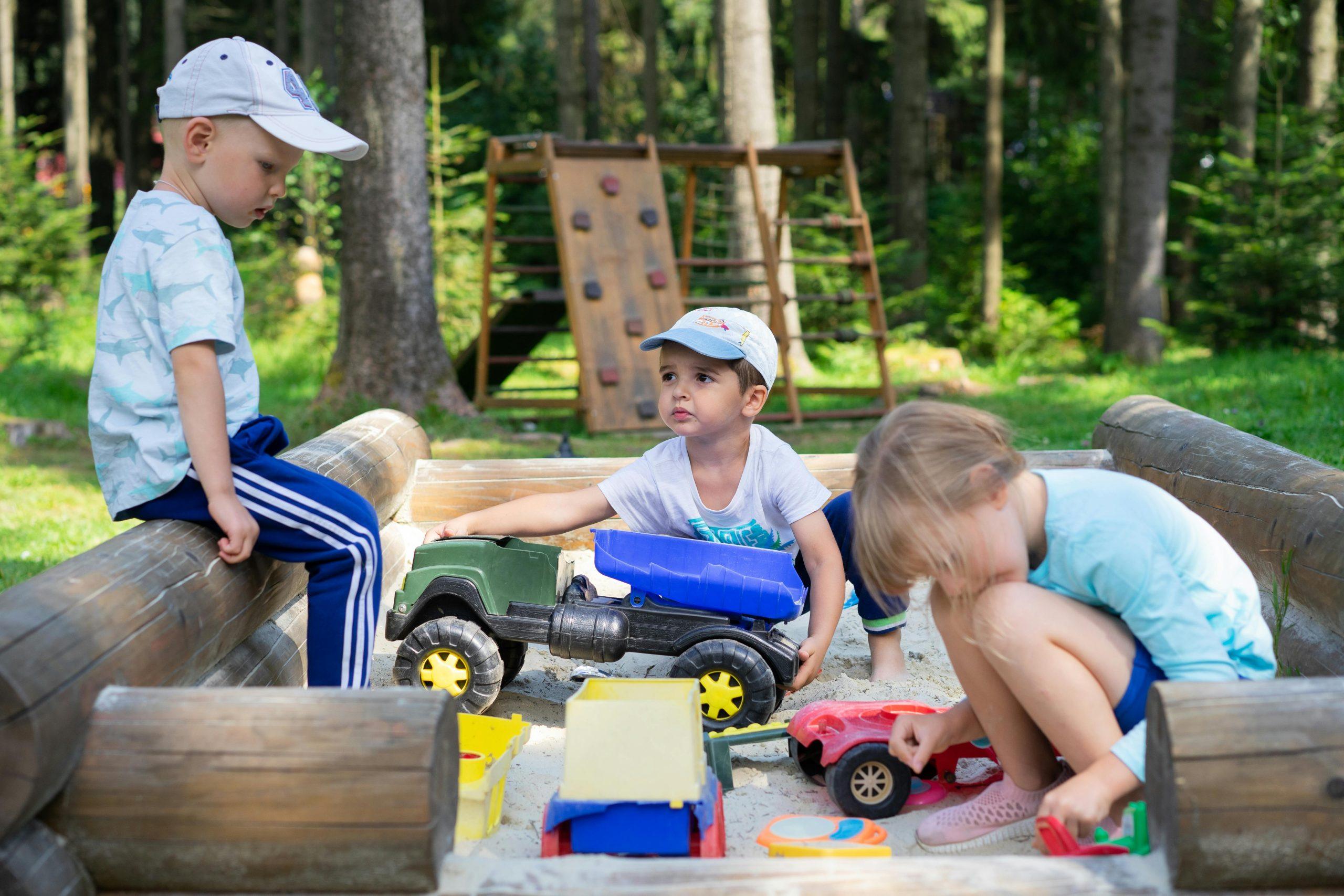
Children build confidence in quiet, everyday ways, and one of the most overlooked is through simple responsibilities at home. When a child puts their shoes away, carries a plate to the sink, packs a school bag, or feeds a pet, they’re doing more than finishing a task. They’re learning what it means to be capable, to follow a routine, and to trust their own effort.
Child development specialists often point out that confidence grows through repeated experience, not just praise. When children are given responsibilities they can handle—and enough support to succeed—they start to see themselves as capable. These small moments may seem ordinary, but over time they shape independence at home and support emotional growth.
Why Children Build Confidence Through Real Daily Responsibilities
Confidence becomes stronger when children can see that what they do actually matters. Completing a small task and noticing the result helps them connect effort with outcome. Instead of feeling directed all day, they begin to feel useful and involved.
Researchers in child development often note that real responsibilities have a deeper impact than praise alone. Encouragement is important, but confidence tends to grow more steadily when children can take action, repeat it, and improve over time.
How Daily Responsibilities Support Child Development at Home
Daily responsibilities do more than build self-esteem. They also strengthen memory, attention, awareness of routine, and the ability to handle small frustrations. When a child remembers to bring a water bottle, tidy a space, or get ready for the next part of the day, they’re practicing skills that support overall child development.
Family routine experts often explain that these habits gradually build independence at home. As children become more capable, they rely less on constant direction from adults. This not only supports their growth but can also reduce stress in the household and encourage more active participation in daily life.
Why Small Tasks Often Work Better Than Big Expectations
It’s easy to assume that confidence grows through big responsibilities, but in most cases, children build it more effectively through smaller, manageable tasks. When expectations are too large, children may feel overwhelmed or discouraged. Smaller jobs give them a real chance to succeed and try again.
Child behavior professionals often recommend starting with tasks that match a child’s age and daily routine. When a child can complete one simple responsibility consistently, they’re more likely to feel ready—and willing—to take on something bigger later.

Credit: Shelby Murphy Figueroa/ Unsplash
What Kinds of Tasks Help Children Build Confidence Most
Tasks that happen every day tend to be the most effective because they give children a chance to practice and see their own progress. Simple responsibilities like putting clothes in a hamper, clearing a spot at the table, packing part of a school bag, watering a plant, or helping with a snack can all build a sense of capability. When a task is predictable and clearly theirs, children often feel more secure and more willing to take ownership of it.
Early childhood experts often point out that these repeated, practical roles also help children feel like they belong. They begin to see themselves as contributors to family life, not just followers of instructions. That shift can strengthen both confidence and cooperation over time.
How Adults Can Support Independence at Home Without Taking Over
It’s common for adults to step in when a task becomes slow, messy, or imperfect. But confidence usually grows when children are allowed to try, make mistakes, and try again with gentle support nearby. Guidance is important, but taking over too quickly can limit a child’s chance to feel capable.
Family therapists often describe supportive involvement as staying present without controlling the outcome. A parent might give a reminder, show how something works once, or stay close by—but the child benefits most from completing as much of the task as possible on their own.
Why Routine Matters When Children Build Confidence
Confidence develops through repetition, which is why routine plays such a key role. A task done once may feel new or uncertain, but a task done regularly becomes familiar. Over time, children begin to think, “This is something I can do,” rather than something they only attempted once.
Family organization specialists often explain that routines remove guesswork and make success easier to repeat. When responsibilities are tied to the same time each day, children are more likely to remember them and feel confident completing them independently.
What Often Slows Confidence Growth in Children
Confidence can be harder to build when tasks change frequently, expectations aren’t clear, or most feedback focuses on mistakes. Constant correction may make children hesitant, especially if they already feel unsure. Clear expectations and steady, supportive feedback tend to create better conditions for growth.
Child development experts also note that comparison can slow progress. When children hear more about how others are doing than about their own improvement, they may become cautious instead of motivated. Confidence grows best when children can measure their progress against their own past efforts.
Credit: Vitaly Gariev / Unsplash
How Confidence From Home Responsibilities Can Help Beyond the Home
Children who feel capable at home often carry that sense of confidence into other areas of their lives. A child who can manage small routines independently is more likely to approach schoolwork, friendships, and group activities with a willingness to try. The confidence built through everyday responsibilities at home can support greater resilience in new or challenging situations.
Education and family support professionals often explain that these small, consistent successes help shape how children respond outside the home. While daily responsibilities don’t solve every difficulty, they do create regular opportunities for children to experience themselves as capable and improving. Over time, that steady sense of growth can influence how they handle challenges in many parts of life.
Frequently Asked Questions
Q: How do children build confidence at home?
A: Children build confidence at home by completing manageable daily responsibilities, seeing the results of their effort, and repeating tasks often enough to feel capable.
Q: What daily responsibilities are good for children?
A: Useful daily responsibilities may include putting away shoes, helping with meals, packing part of a school bag, tidying a small area, or caring for simple household items.
Q: Why do small tasks matter so much in child development?
A: Small tasks matter because they support independence, attention, routine awareness, and the feeling that effort leads to success.
Q: Should parents help when a child struggles with a task?
A: Yes, parents can support with calm guidance, but children often build confidence best when adults avoid taking over the task too quickly.
Key Takeaway
Children build confidence through small, everyday responsibilities that give them regular chances to contribute, practice, and improve. These tasks support child development by strengthening independence at home, building awareness of routine, and helping children connect effort with results. Adults often support this process best by choosing tasks that are manageable and offering guidance without stepping in too quickly. Over time, these simple, consistent moments can lead to strong and lasting confidence.
INTERNAL LINKING SUGGESTIONS
- Why Frustration Tolerance Matters in Early Childhood Development
- 8 Social Skills Children Often Build Through Everyday Family Life
- How to Build a Weekly Family Reset Routine That Cuts Household Stress