8 Social Skills Children Often Build Through Everyday Play
- April 6, 2026
- 0
Kids usually pick up on how to get along with others not in classes, but in the course of just being with each other. When they play games
Kids usually pick up on how to get along with others not in classes, but in the course of just being with each other. When they play games
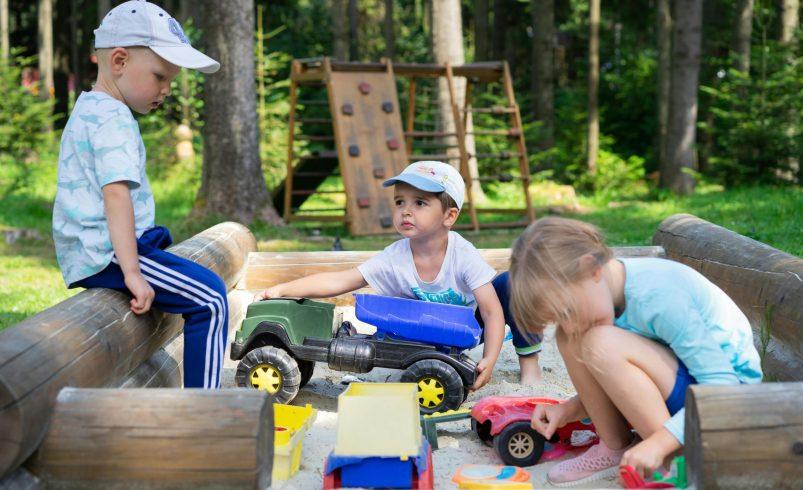
Kids usually pick up on how to get along with others not in classes, but in the course of just being with each other. When they play games together, make up stories, solve problems as a team or even have little arguments, they’re actually growing and changing. This kind of experience teaches them how to react to those around them, deal with their feelings and be a part of a group.
Actually, specialists in how children grow say that common or garden play provides lots of opportunities for children to use and develop social skills over and over in different situations. This going over things is important as learning to be social happens slowly, in stages. It’s not as if kids learn to work with others, understand how someone else is feeling, and talk to each other at the same time.
How a child grows in their social skills impacts how well they settle into school, get along with friends, get on with their family and control their emotions. Kids who are able to be patient, share with others, understand how someone else is feeling and bounce back after an argument usually have an easier time in groups.
Child development experts frequently point out that playing is where children learn these things naturally. During play they have a good reason to talk to each other, to come to agreements, and to deal with difficulties as they happen.
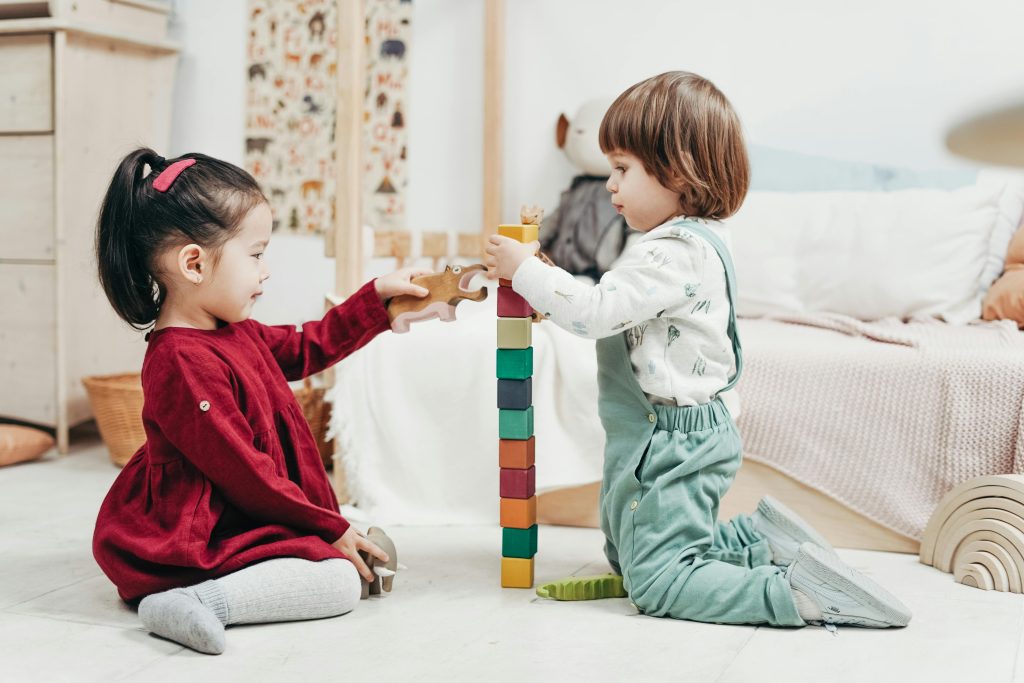
When kids play, one of the most obvious social skills they get better at is waiting for their turn. This happens as they share toys, have a go in a game, or while a group is doing something and they need to hold on for a moment. In doing these things, children begin to understand how to be involved with others.
And learning to take turns also builds patience and a sense of what’s just. Experts in child development say that doing something over and over is much more important than being good at it right away.
When kids are playing, they’re usually getting good at reading people; they pick up on how someone’s face looks, how they say things, and how they’re standing or moving. These clues tell them if a person is engaged, bothered, thrilled or if they want to be left alone. And experts in how we learn socially say being able to do that means children can change how they act to get along with others in a group.
Credit: cottonbro studio / Pexels
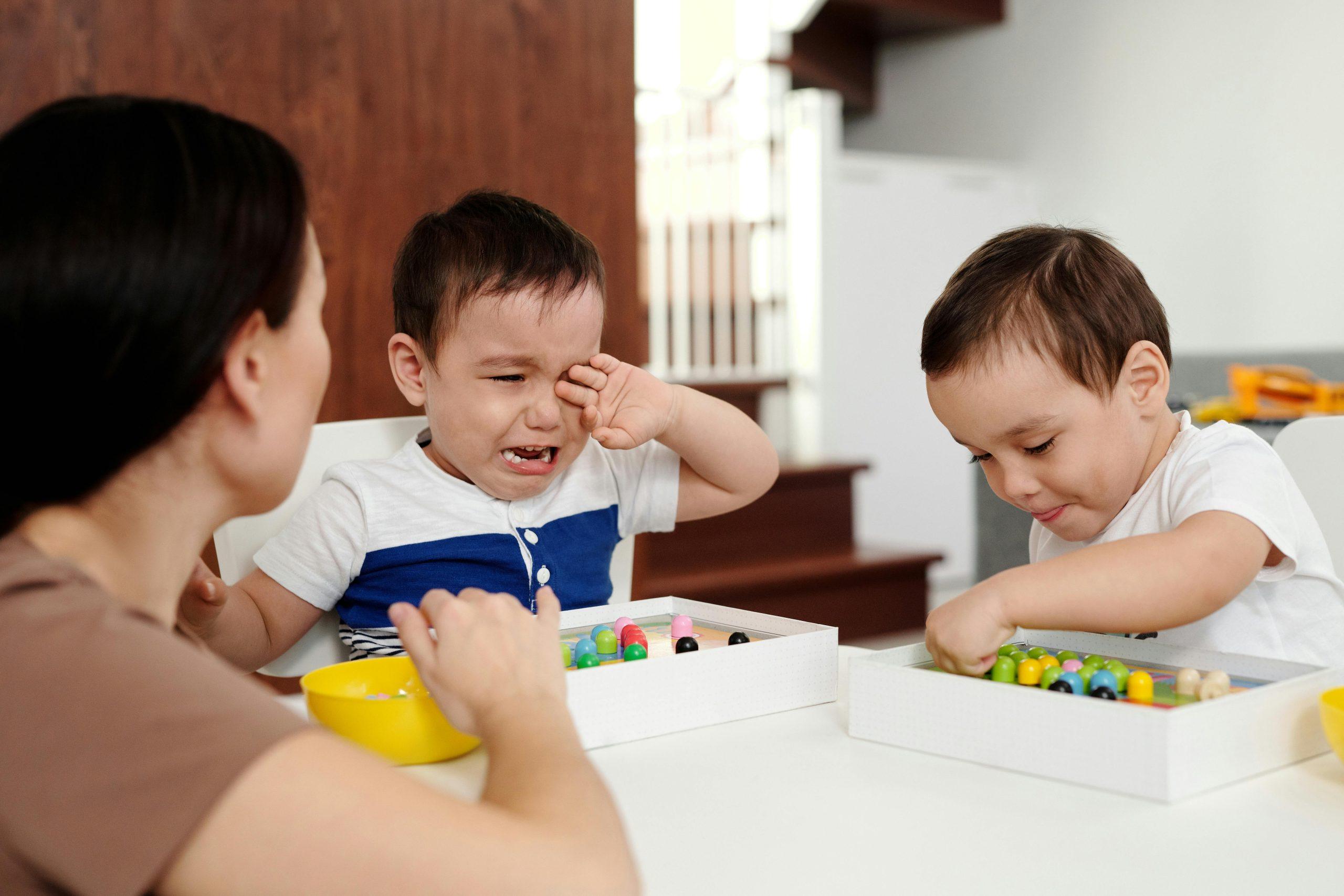
Kids have little bumps in their social lives all the time when they’re playing. Maybe two of them both want the same thing, or they don’t agree on how the game should be played, or they have different thoughts on what should happen in their make-believe world. These times are good opportunities for figuring things out.
Family therapists frequently say that if a grown-up is there to offer encouragement, kids can get from arguing to working together, but the adult shouldn’t do everything for them.
When kids play, they’re naturally using words to get things, offer suggestions, and reply to the people they’re with. And doing that helps them feel more sure of themselves when they’re talking.
In fact, people who work with children’s speech and how they grow often think of play as important. It’s because it gives language a genuine reason to be used; kids aren’t just answering questions from an adult, they’re being part of something they’re doing with someone else.
It’s frustrating when you don’t win, when you have to wait your turn, or when someone suggests something else. Games give kids lots of chances to deal with little letdowns like those. And child psychologists frequently point out that getting better at handling these situations is just as important for feelings and emotions as it is for getting along with others.
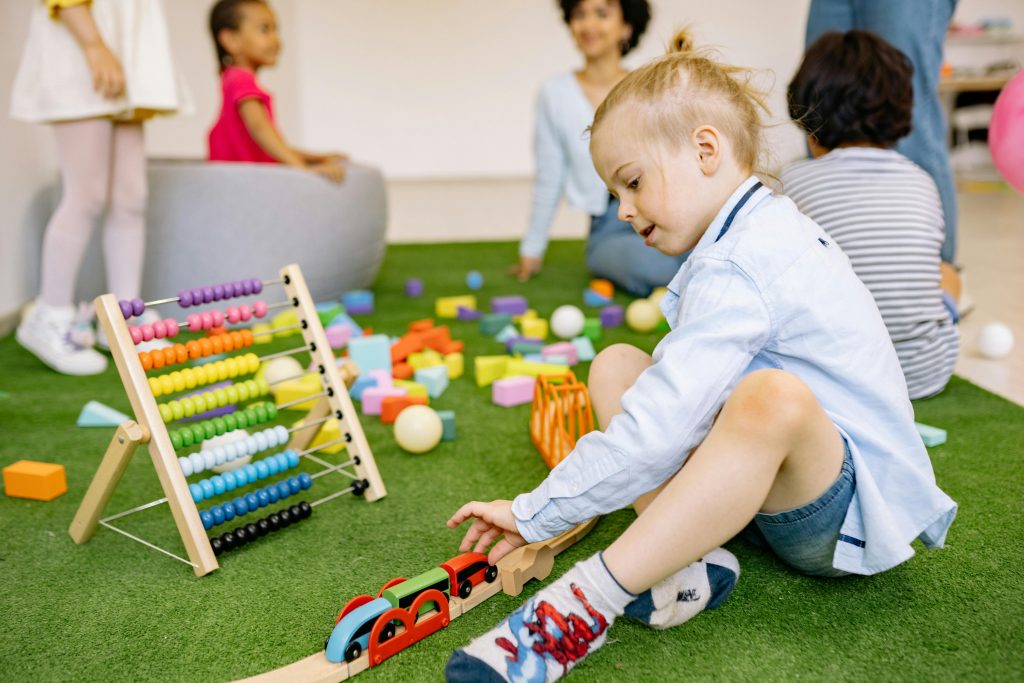
Kids figure out how to get into games nicely too. They might stand and observe for a bit, then ask if they can be included, or do what everyone else is doing initially and then suggest their own contribution.
Those who study how we develop socially say that knowing how to join a group is really important for both school and making friends.
Credit: Yan Krukau / Pexels
When kids are playing, they usually start to realize how what they do makes other kids feel. They might react when another child gets frustrated, or attempt to make a sad friend feel better. People who study how children grow think of these situations as first indications that empathy is developing, and this happens with all the times they are with others and sharing things.
Play doesn’t always go as planned, and actually, that’s a good thing. When something goes wrong, kids get the chance to attempt things another way, say sorry, start over or rejoin what everyone else is doing.
Those who work with families will tell you ‘repair’ – fixing things after an argument – is one of the most important things a child can learn for relating to people throughout their life. It shows them that even when you disagree, you can still be close to someone.
Q: What social skills do children learn through play?
A: Children often learn turn-taking, sharing, communication, empathy, problem-solving, and repair through everyday play.
Q: Why is play important for child development?
A: Play supports child development by helping children practice social learning, emotional regulation, creativity, and cooperation in a natural setting.
Q: Does pretend play help social development?
A: Yes, pretend play often helps children practice language, cooperation, flexibility, and perspective-taking with others.
Q: Should adults step into every conflict during play?
A: Not always. Many experts suggest guiding when needed while still giving children chances to practice problem-solving with support.
How kids get along with others at school, with their friends, and at home – is very much based on the social skills they learn when they play. Playing every day helps with things like waiting for your turn, understanding how someone else is feeling, joining in with a group, talking to people, and making up after arguments. Experts in how children grow and learn think these times are important. They offer kids lots of opportunities to actually do social learning as it happens. And, generally, these social skills become strong with lots of time spent together doing things, not because anyone is pushing them to perform.