7 Emotional Milestones Parents Often Notice in Early Childhood
- April 5, 2026
- 0
When little kids hit certain points in their emotional development, it gives mums and dads a sense of how they are starting to show what they feel, learning

When little kids hit certain points in their emotional development, it gives mums and dads a sense of how they are starting to show what they feel, learning
When little kids hit certain points in their emotional development, it gives mums and dads a sense of how they are starting to show what they feel, learning to trust others, and reacting to those around them. Importantly, how they develop emotionally impacts their behaviour, how they learn, and how they get on with people at home and in the classroom. Knowing what to expect as these things change will probably make families a little calmer and more sure of themselves in how they deal with things.
Experts in how children grow tell us emotional development isn’t a simple, direct route. Some children are pretty good at controlling themselves early on, but others require a longer period and a helping hand. Despite this, many of the emotional steps of early childhood do follow fairly predictable patterns that parents will see in their everyday lives.
How kids develop emotionally is what determines how they deal with stressful situations, being soothed, boundaries and when things are different. When a little one can say they’re sad, or happily show they’ve done something to be proud of, they’re gaining abilities for figuring things out later on. Although these little happenings appear straightforward, they’re what good ways of getting along with others are built on.
Experts in how children grow up say emotional abilities are also important for things like sleep, what happens at mealtimes, how they play and being prepared for school. Kids who feel secure and as though someone understands what they’re going through will bounce back from being annoyed at something much faster. This isn’t to say they won’t have strong feelings. Instead, they gradually discover how to experience those feelings and then deal with them.
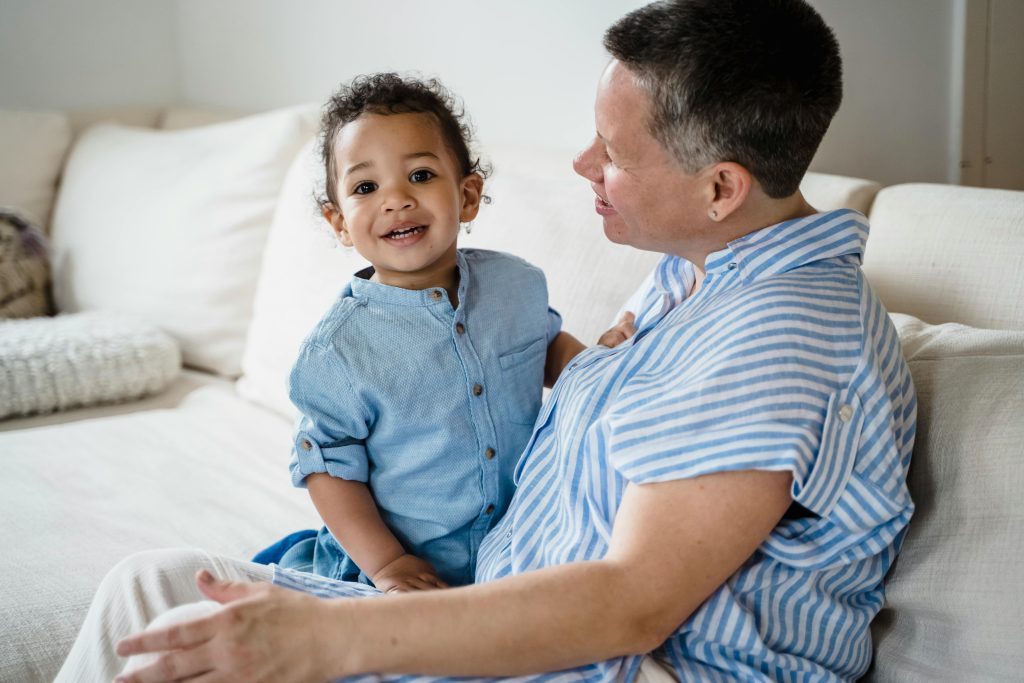
Very early on in developing emotionally, children look for comfort. When babies and young children are tired, frightened or just too much to handle, they will usually go to a parent or someone else they know well. That’s perfectly normal for how kids grow, and not a sign of being frail. It means the child has found someone they believe will keep them safe.
As time passes, children bounce back more quickly from being comforted. They might still be upset and complain, but the way they calm down is more systematic. Family therapists frequently say this sort of thing actually helps them cope with difficulties later in life. Because kids believe someone will be there for them, they feel braver to go out and investigate things.
Credit: George Pak / Pexels
Kids go through big emotional changes as they grow up and a really important one is figuring out what they are feeling. When they are younger, they usually show you how they feel by crying, yelling, holding on tight, or by laughing. After a while, they start to actually tell you, with easy words like happy, mad, scared, or sad. And when they can do this, both kids and the adults around them understand each other better.
Those who study how we talk and children act say that knowing the words for feelings actually helps children to calm down. If a child can say “I’m mad”, that’s a first move towards understanding what’s happening inside of them. The feeling will likely still be very strong, but the child is starting to tell the emotion from what they do about it.
Young children show empathy pretty early on, though it’s not very polished at first. A little kid might pat a person who’s crying, offer a toy to a sibling who is down, or get a concerned look on their face when another child is upset. These things don’t mean they’re emotionally developed, but they do indicate they are starting to recognize how other people are feeling.
Lots of interactions every day, according to those who research how we develop socially, make this ability stronger. And parents can really encourage this by just saying what they observe; using simple words like “Your brother is sad because his block tower fell” makes a direct and easy link between what happened and the emotion it caused.
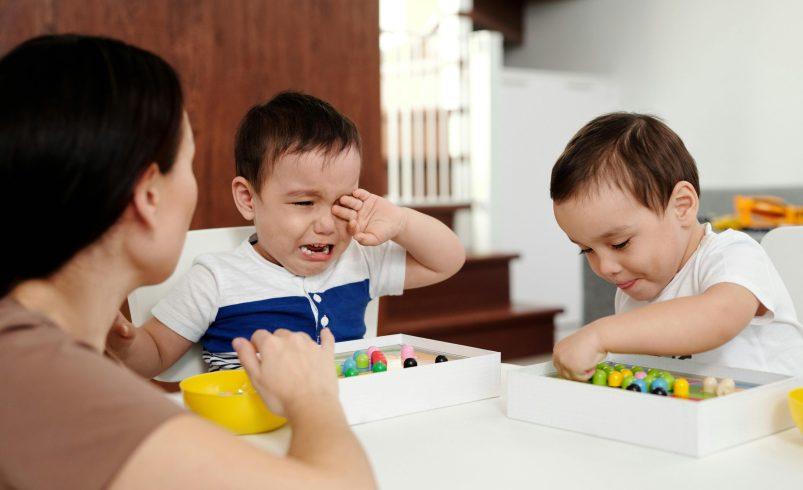
How much disappointment someone can take before falling apart is frustration tolerance and as little kids, it takes a long time to get better at it. Things like being made to wait, being told to do something later, or having to retry after something doesn’t work are really difficult for them when they’re small.
People who understand how young children learn frequently tell moms and dads that kids learn to control themselves by doing things over and over, not because they’re pushed to. Little ones who get to wait a short while, figure out little issues for themselves, and get help to get over the upset often get to be much better at dealing with things. You’ll likely see this as quicker outbursts, smoother shifts from one activity to another, or an increased ability to just stop for a second before doing something.

Credit: Photographer Name / Pexels
As kids mature emotionally, they typically get a much firmer need to do things by themselves. They’ll likely want to get dressed, decide on a snack, or finish a little job without anyone’s assistance. This move toward being independent will probably mean they get things wrong more often and have bigger feelings about it, but it’s a normal and good part of growing up.
Experts in how families work say that kids feel more sure of themselves when adults provide boundaries, but don’t do everything for them. Kids do best with opportunities to experiment safely, mess up, and then have another go. And when things are done the same way with a lot of support, being on your own doesn’t seem so scary.
Kids all develop at their own speed, yet there are certain tendencies you’ll want to think about more carefully. If a child continuously seems uncomfortable, doesn’t show much emotion or gets very upset by lots of ordinary things, it’s a good idea to talk to a children’s doctor or specialist in how children grow and learn. We aren’t trying to say anything typical is wrong, but simply to see if a child might benefit from some added help.
Parenting support programs generally advise looking at what happens repeatedly, as opposed to focusing on just one bad day. Changes to how a child sleeps, being withdrawn for a long period of time, or often acting aggressively in different places could mean the child needs a little more direction. Getting help early can make life and schedules simpler for the child and the adults caring for them.
Q: What are emotional milestones in early childhood?
A: Emotional milestones in early childhood are common signs of emotional growth, such as comfort-seeking, naming feelings, showing empathy, and handling frustration a little better over time.
Q: At what age do children start showing empathy?
A: Many children begin showing early empathy during the toddler and preschool years. It may appear as concern, imitation of care, or noticing when someone else is upset.
Q: Is it normal for toddlers to have strong emotions every day?
A: Yes, strong emotions are common in toddler behavior because language and self-control are still developing. What often changes over time is how quickly the child recovers and responds to support.
Q: How can parents support emotional growth?
A: Parents can support emotional growth by naming feelings, keeping routines steady, offering calm comfort, and giving children simple ways to solve small problems.
As babies and little kids grow, they start to do things like go to people when they’re upset, be able to say how they feel, understand how others are feeling (that’s empathy), learn to deal with being annoyed, and become more on their own. These emotional abilities all progress at their own pace, however you’ll often find them happening in ways that mums and dads can notice in their normal day-to-day. A child’s emotional health is normally encouraged by a predictable schedule, a parent who stays level-headed when dealing with things, and people the child truly trusts. If you’re worried about something in lots of different places, then getting help from specialists in early childhood development can give families a clearer path to go on.