The early elementary years often bring clear shifts in how children think, learn, communicate, and handle daily routines. Many parents notice their child becoming more independent in some ways while still needing steady support in others. This stage can feel consistent one week and uneven the next.
Child development specialists often explain that this period is shaped by growing school demands, increasing social awareness, and stronger language skills. Children begin managing more of their day outside the home, yet they still rely on routines, reassurance, and repeated guidance. Understanding this balance can help parents respond with steadier expectations.
Why the Early Elementary Years Feel Different From Preschool
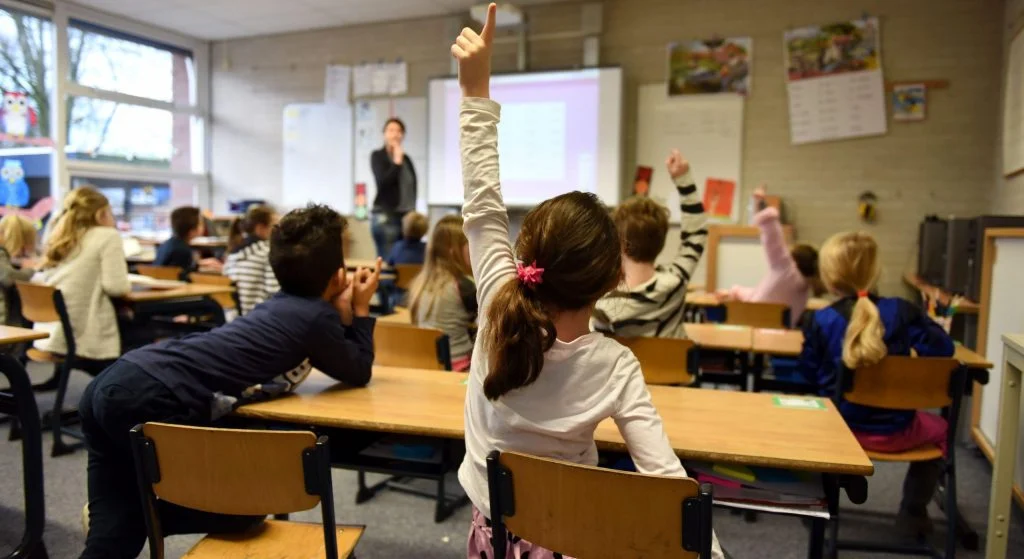
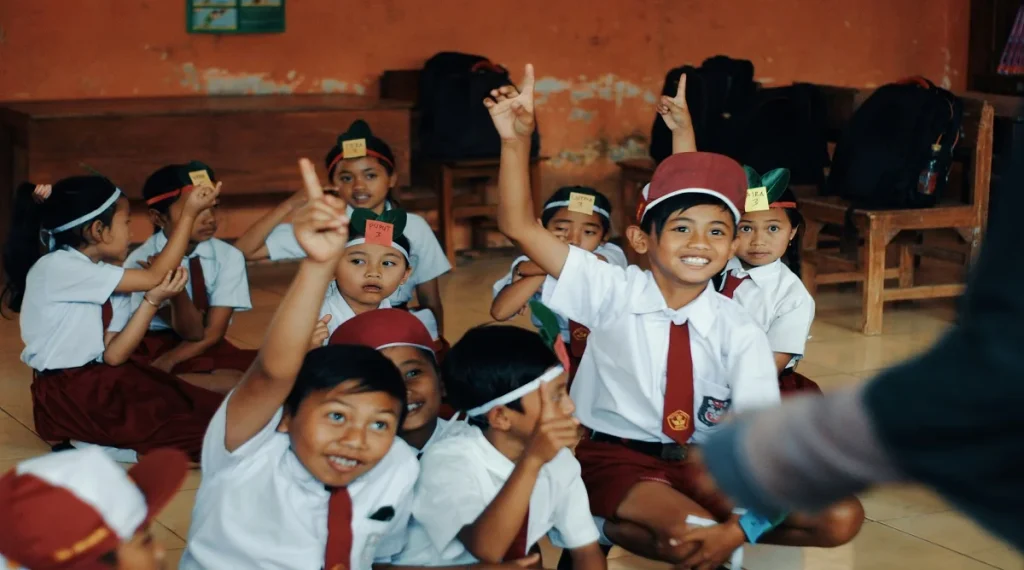
This stage often feels different because children spend more time in structured environments and are expected to manage more on their own. They may need to follow classroom routines, keep track of materials, complete simple assignments, and handle more peer interaction than before. These expectations often carry over into life at home.
Family therapists often note that development at this stage is uneven. A child might read independently or remember school rules well, yet still struggle with frustration, transitions, or emotional control. This pattern is a normal part of child development.
1. School Routines Start Shaping Home Life More Strongly
One of the biggest changes is how school structure begins to influence daily routines at home. Wake-up times, homework, lunch habits, school forms, and bedtime all become more important as children adjust to a more demanding weekday schedule.
Experts in parenting school-age children often explain that home routines play a bigger role once school begins. Predictable mornings, after-school time, and evenings help children settle, recover, and prepare for the next day.
2. Children Often Want More Independence but Still Need Reminders
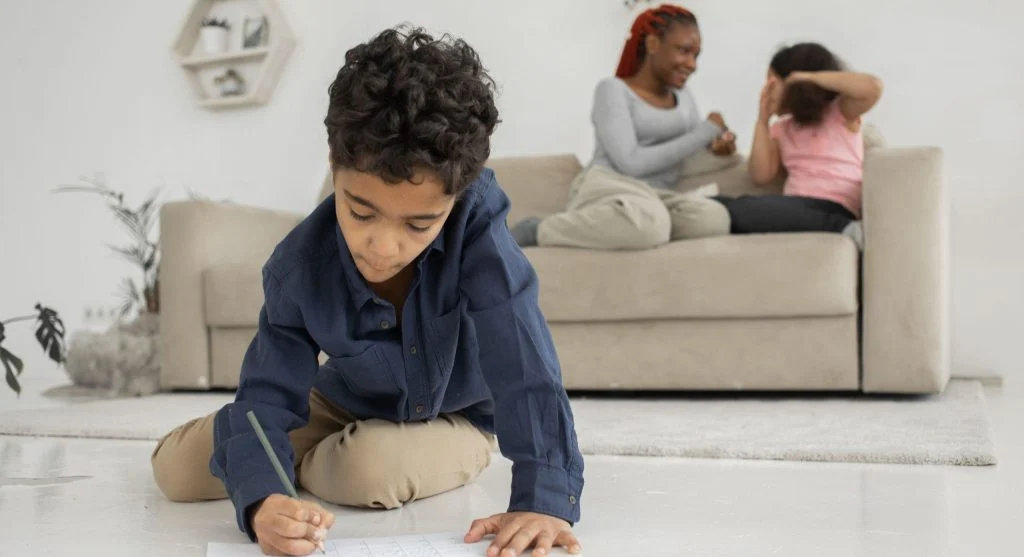
During these years, children often want to take on more responsibility. They may want to dress themselves, manage their school items, complete homework, or handle small situations independently. At the same time, they still need reminders for many daily steps.
Child development experts often point out that this mix can feel frustrating for both sides. Children feel more capable, but the habits that support consistent independence are still developing. Clear routines and manageable responsibilities usually work better than expecting full independence too quickly.
3. Peer Relationships Begin Affecting Mood More Noticeably
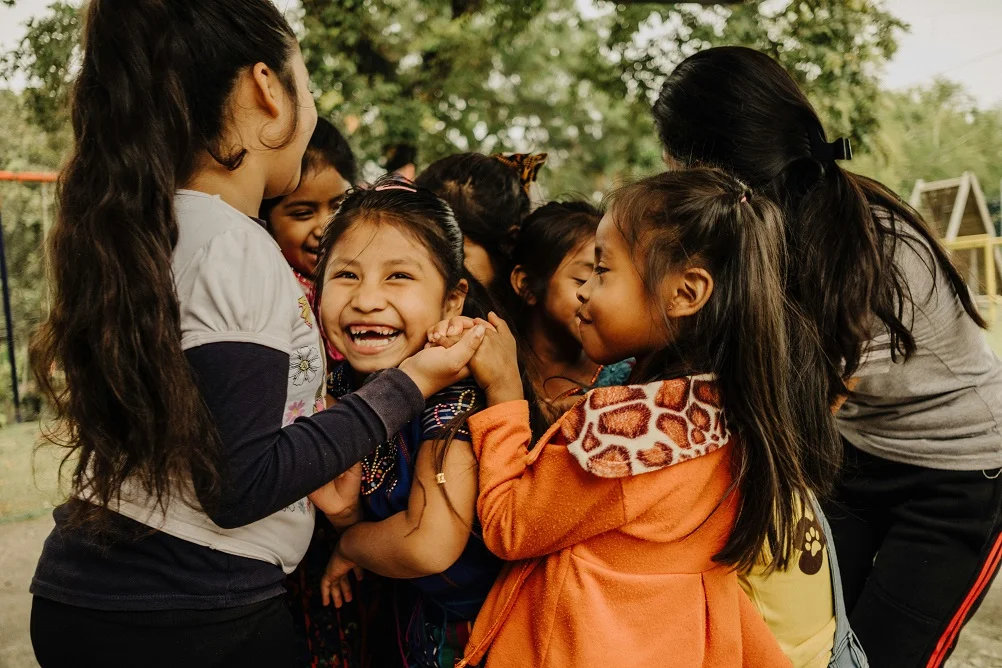
Friendships and peer interactions start to have a stronger emotional impact during the early elementary years. A disagreement at school, a change in routine, or feeling left out during play can affect a child’s mood long after the school day ends.
Professionals who study school-age children often note that social awareness grows quickly at this stage. This is why a child may come home more sensitive, quiet, or irritable than expected.

Credit: Shelby Murphy Figueroa / Unsplash
4. Learning Challenges Can Begin to Affect Confidence
As schoolwork becomes more visible, children often start comparing themselves to others or noticing where learning feels easier or harder. Reading, writing, math, attention, and task completion can all shape how capable a child feels during the early elementary years.
Education specialists often explain that confidence at this stage is built through everyday experiences rather than single results. Children tend to benefit more when adults notice effort, progress, and problem-solving strategies instead of focusing only on right answers.
5. Emotional Expression May Become More Verbal but Not Always Calmer
During these years, many children develop stronger language skills, which helps them describe their feelings more clearly. Even so, intense reactions don’t simply disappear. A child may be able to explain frustration and still struggle to manage it in the moment.
Child behavior professionals often point out that improved language doesn’t automatically mean full emotional regulation. Children still need support in recognizing feelings, calming down, and working through disappointment in manageable ways.
6. Responsibility Grows Through Repeated Daily Practice
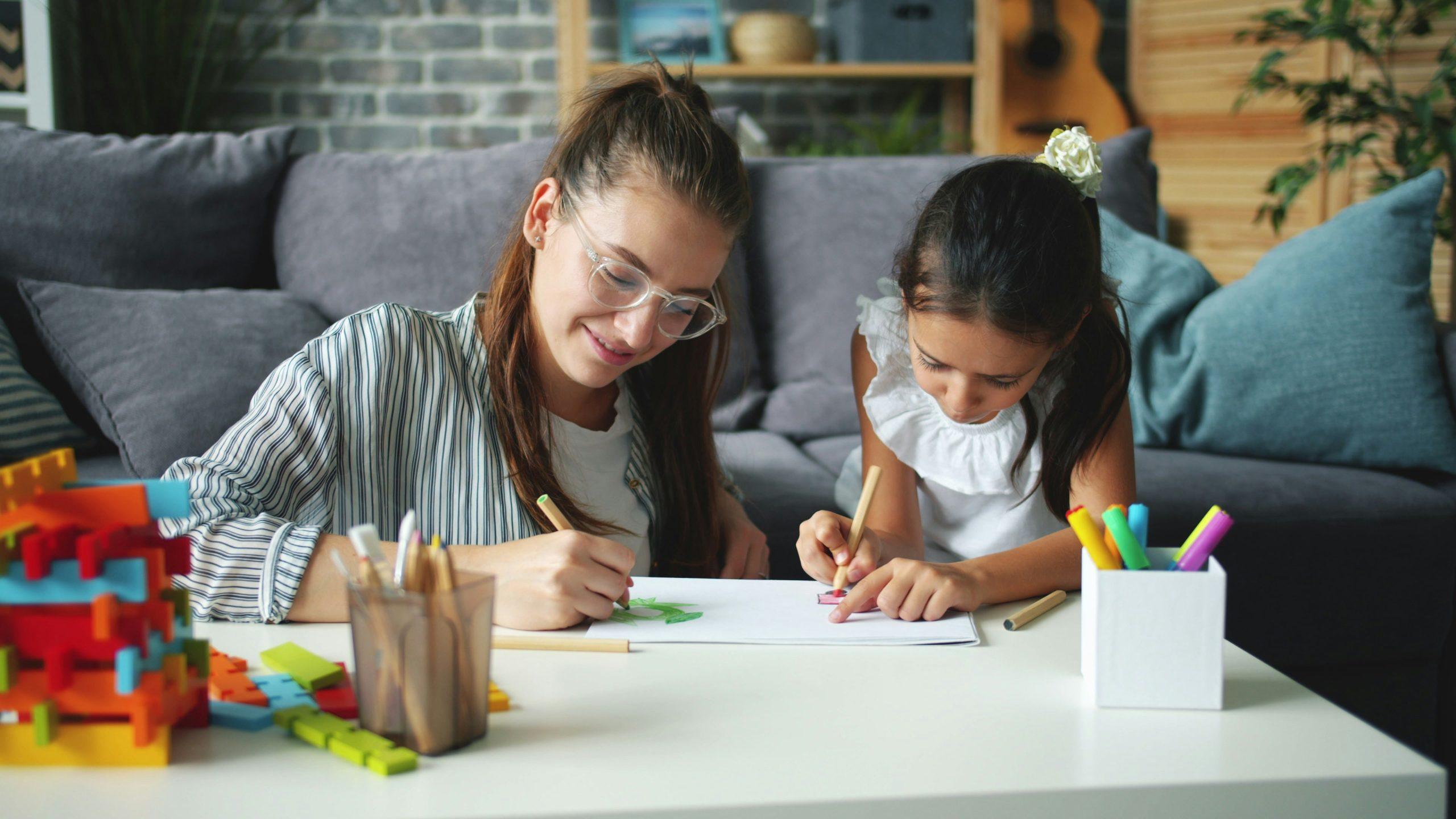
The early elementary years are an important time to build responsibility through simple, repeated routines. Tasks like packing a folder, checking a water bottle, putting away shoes, or clearing a plate may seem small, but they help children develop consistency and follow-through.
Family organization experts often note that responsibility grows best when expectations are clear and repeated. Children usually learn more from steady daily habits than from occasional large tasks that change frequently.
7. Children Often Need More Recovery Time After School Than Adults Expect
Many parents expect school-age children to come home ready to move straight into homework or chores. In reality, this stage often brings hidden fatigue from classroom demands, social interaction, noise, and sustained attention. A child may hold it together all day and then release that tension at home.
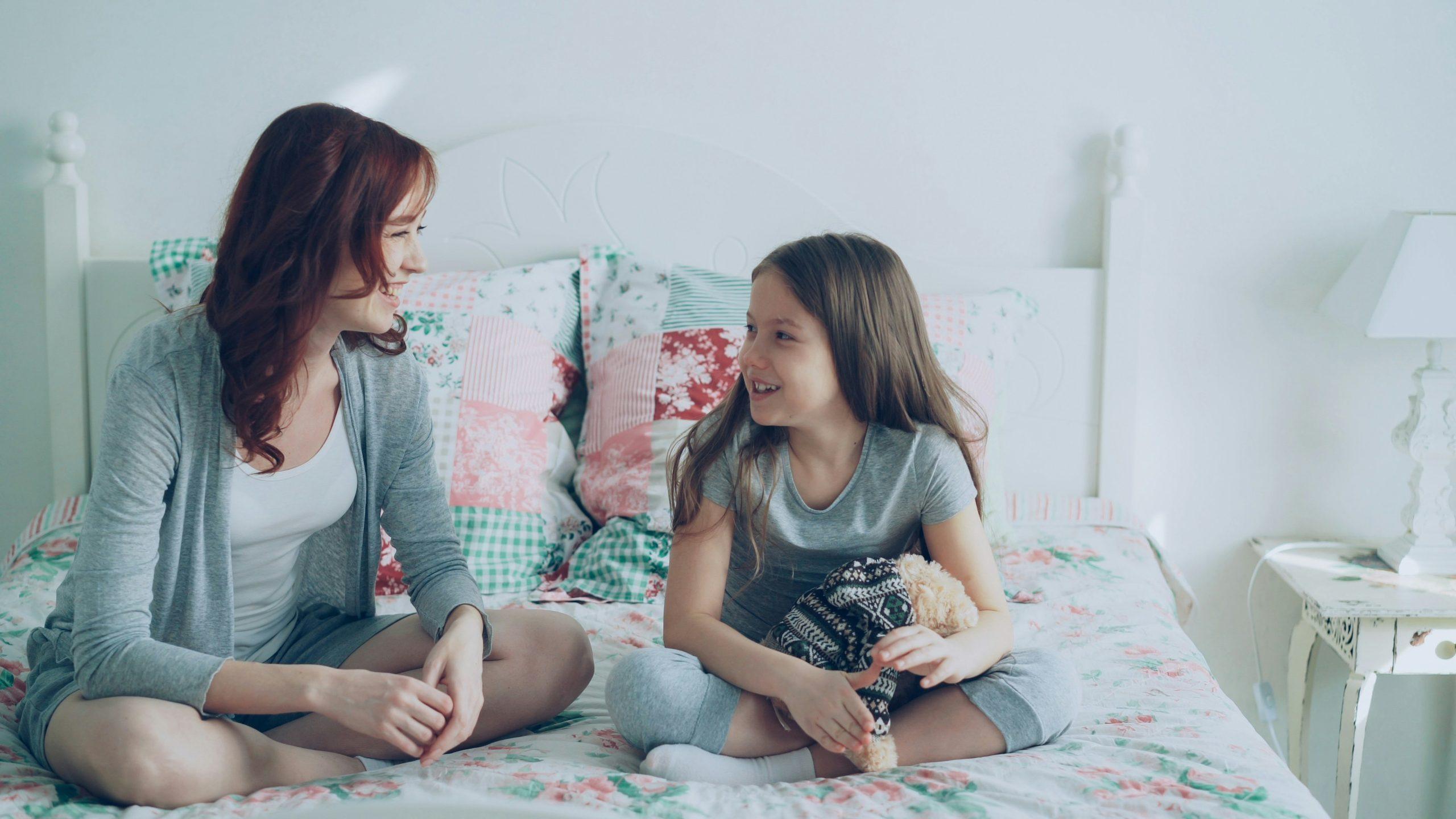
Family wellness professionals often suggest allowing a short decompression period before starting the next part of the day. A bit of quiet time, a snack, or relaxed play can help children transition from school to home with less stress.

Credit: Husniati Salma / Unsplash
How Parents Can Support Children During the Early Elementary Years
Parents often support this stage best by balancing structure with patience. School-age children tend to do well with predictable routines, small and manageable responsibilities, calmer transitions after school, and steady emotional support. This combination helps them feel both guided and capable as they adjust to growing expectations.
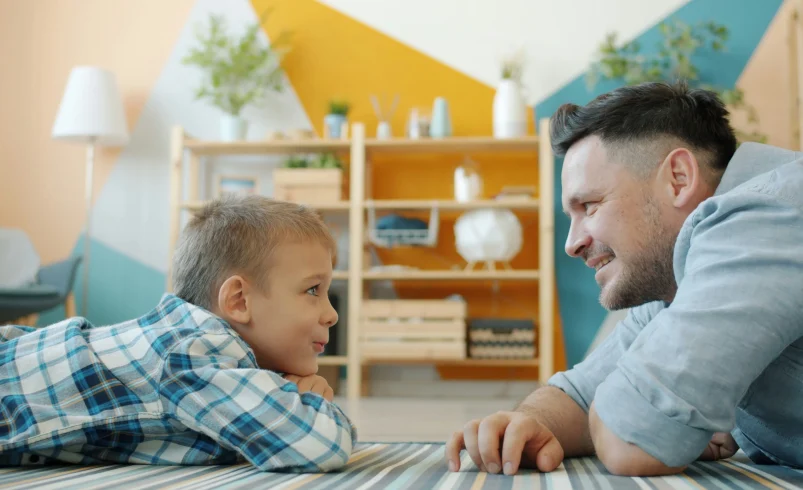
Experts in parenting school-age children often recommend looking at patterns rather than reacting to each difficult day on its own. A child may benefit from more sleep, a clearer homework routine, better preparation habits, or simply more time to talk and unwind after school. Stepping back and observing the full week often leads to more helpful solutions than focusing on a single tough moment.
Frequently Asked Questions
Q: What age are the early elementary years?
A: The early elementary years usually refer to the first years of primary school, often around ages 5 to 8, though the range can vary.
Q: Why do school-age children seem more emotional after school?
A: School-age children may seem more emotional after school because they are managing attention, routines, learning, and social interaction for many hours before coming home.
Q: Is it normal for children to want more independence in the early elementary years?
A: Yes, wanting more independence is common during the early elementary years, even though children still need reminders and routine support.
Q: How can parents support school-age children at home?
A: Parents often support school-age children best with predictable routines, calm communication, after-school decompression time, and repeated daily responsibilities.
Key Takeaway
The early elementary years often bring clear changes in routines, independence, school demands, emotional expression, and peer awareness. Children at this stage may seem more capable in some areas while still needing steady support in others. Parents often help most by creating predictable routines and allowing time for recovery after school. Understanding this phase can make daily family life feel more manageable and less uncertain.
INTERNAL LINKING SUGGESTIONS
- 9 School Readiness Skills That Help Children Adjust More Smoothly
- 8 After-School Habits That Support Better Focus During Homework Time
- Why Children Forget School Items and What Experts Say Helps