Why Children Seek More Independence Before They Can Manage It Fully
- April 27, 2026
- 0
Many parents notice that children seek more independence before they are fully ready to manage it well. A child may want to choose clothing, pack a bag, handle




Many parents notice that children seek more independence before they are fully ready to manage it well. A child may want to choose clothing, pack a bag, handle
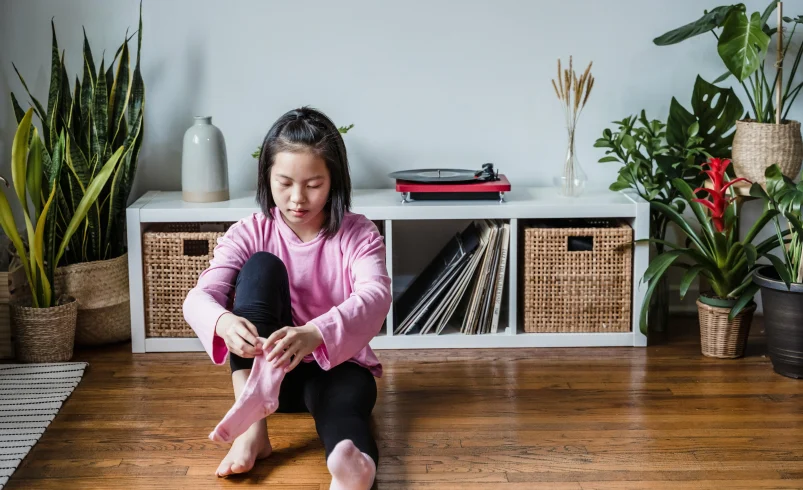
Many parents notice that children seek more independence before they are fully ready to manage it well. A child may want to choose clothing, pack a bag, handle homework alone, or take over parts of a routine without help. At the same time, that same child may forget steps, lose track of time, or need several reminders to finish what was started.
Child development experts often explain that this pattern is common across several child development stages. The desire for independence often grows before the skills required to manage it become steady. Understanding why children seek more independence can help families respond with better support instead of assuming the child is simply being difficult or unrealistic.
Children often want more control because growing up includes a stronger need to feel capable. A child begins noticing that older siblings, classmates, or adults manage daily tasks with less help. That awareness often leads to a natural wish to do more alone, even before the full skill is in place.
Researchers in child development often note that this desire is an important part of growth. Wanting more independence usually shows that the child is moving toward stronger self-confidence and personal responsibility. The challenge is that motivation and ability do not always grow at the same speed.
A child may genuinely want to handle a routine alone and still struggle to complete it well. Managing responsibility requires more than willingness. It also depends on attention, memory, planning, emotional regulation, and the ability to recover after a mistake. These skills often continue developing for years.
Family therapists often explain that this gap creates confusion for adults. The child sounds ready and may even insist on doing the task without help, but the actual follow-through remains inconsistent. This does not usually mean the child was pretending to be ready. It often means the child is in the middle of learning.
Home is usually the safest place for children to test independence. A child may ask to pour a drink, set an alarm, organize a bag, or manage a bedtime step with less help because home feels familiar and less risky than other settings. These requests often appear more strongly during the school-age years.
Experts in parenting school-age children often explain that home routines provide a daily place to practice growing responsibility. Children can repeat the same task many times and begin to understand what works and what still needs support.
 Credit: prinka / Unsplash
Children often handle independence best when they feel calm and organized. During tired, hungry, or rushed parts of the day, the same child may need much more help. This can make independence look inconsistent from one moment to the next.
Child behavior specialists often note that independence is not only a practical skill. It is also an emotional one. A child may know how to do something but still need help using that skill when frustrated or under pressure. This is one reason routines matter so much during this stage.
Adults are often surprised when a child asks for more responsibility right after forgetting something important. Yet children do not usually interpret mistakes the same way adults do. A child may still feel highly motivated to try again even after failure, especially if the goal feels tied to being older, more capable, or more trusted.
Family wellness professionals often explain that this is not always overconfidence. In many cases, it reflects healthy persistence. Children often keep reaching for independence because the desire to grow remains strong even when the skill still needs work.
Many families struggle to find the right balance. Too much adult control can frustrate children and limit practice. Too little support can lead to repeated failure and tension. A middle approach often works best. Adults can stay nearby, simplify the routine, and allow the child to do the parts that are manageable.
Experts in healthy family relationships often recommend gradual support. A parent may set out the supplies while the child completes the task, or the child may do the routine while the adult checks at the end. This helps children build skill without feeling abandoned to handle everything alone.
Support often works best when it is clear and repeatable. Children may benefit from visual checklists, consistent timing, smaller steps, or predictable reminders tied to the same part of the day. These supports reduce the number of things the child must manage at once.
Home organization experts often explain that children seek more independence most successfully when the environment makes follow-through easier. A backpack hook, a visible morning chart, or one place for shoes and papers can make a large difference. Good support does not weaken independence. It often helps it grow.

Most children do not become consistently independent in one sudden step. Progress usually happens in parts. First the child wants the responsibility, then attempts it with help, then handles some parts more reliably, and only later manages the full routine with less support. Growth often looks uneven before it looks steady.
Child development experts often remind families that this gradual path is normal. When children seek more independence, the goal is not instant perfection. The goal is building enough practice, routine, and support that the child becomes more capable over time.
Q: Why do children seek more independence before they are ready?
A: Children often seek more independence because the desire to feel capable and trusted grows before the planning, memory, and follow-through skills are fully developed.
Q: Is it normal for school-age children to want more responsibility?
A: Yes, it is common for school-age children to want more responsibility as they move through normal child development stages.
Q: How can parents support growing responsibility at home?
A: Parents often support growing responsibility by giving children manageable tasks, using clear routines, and staying involved enough to guide without taking over.
Q: Does needing help mean a child is not independent?
A: No, many children are building independence while still needing support, reminders, and structure during the learning process.
Children seek more independence because growing up naturally includes a stronger wish to feel capable and trusted. That desire often appears before the full skill needed to manage responsibility well. Families usually help most by offering structure, smaller steps, and calm support instead of expecting instant follow-through. Over time, children seek more independence more successfully when practice and support grow alongside responsibility.
INTERNAL LINKING SUGGESTIONS