Why Children Forget School Items and What Experts Say Often Helps
May 30, 2026
0
Many families feel frustrated when children forget school items even after daily reminders. A lunch box stays on the kitchen counter, a library book remains under the bed,
Many families feel frustrated when children forget school items even after daily reminders. A lunch box stays on the kitchen counter, a library book remains under the bed, or a signed paper never makes it back into the backpack. These small mistakes can create real stress because they often show up at the busiest part of the morning.
Family experts often explain that when children forget school items, the problem is not always carelessness. In many cases, the child is managing too many steps at once, relying on memory instead of routine, or moving through a rushed transition before the brain is fully organized. Understanding why children forget school items can help families use stronger systems instead of repeating the same frustration every day.
Why children forget school items more often than adults expect
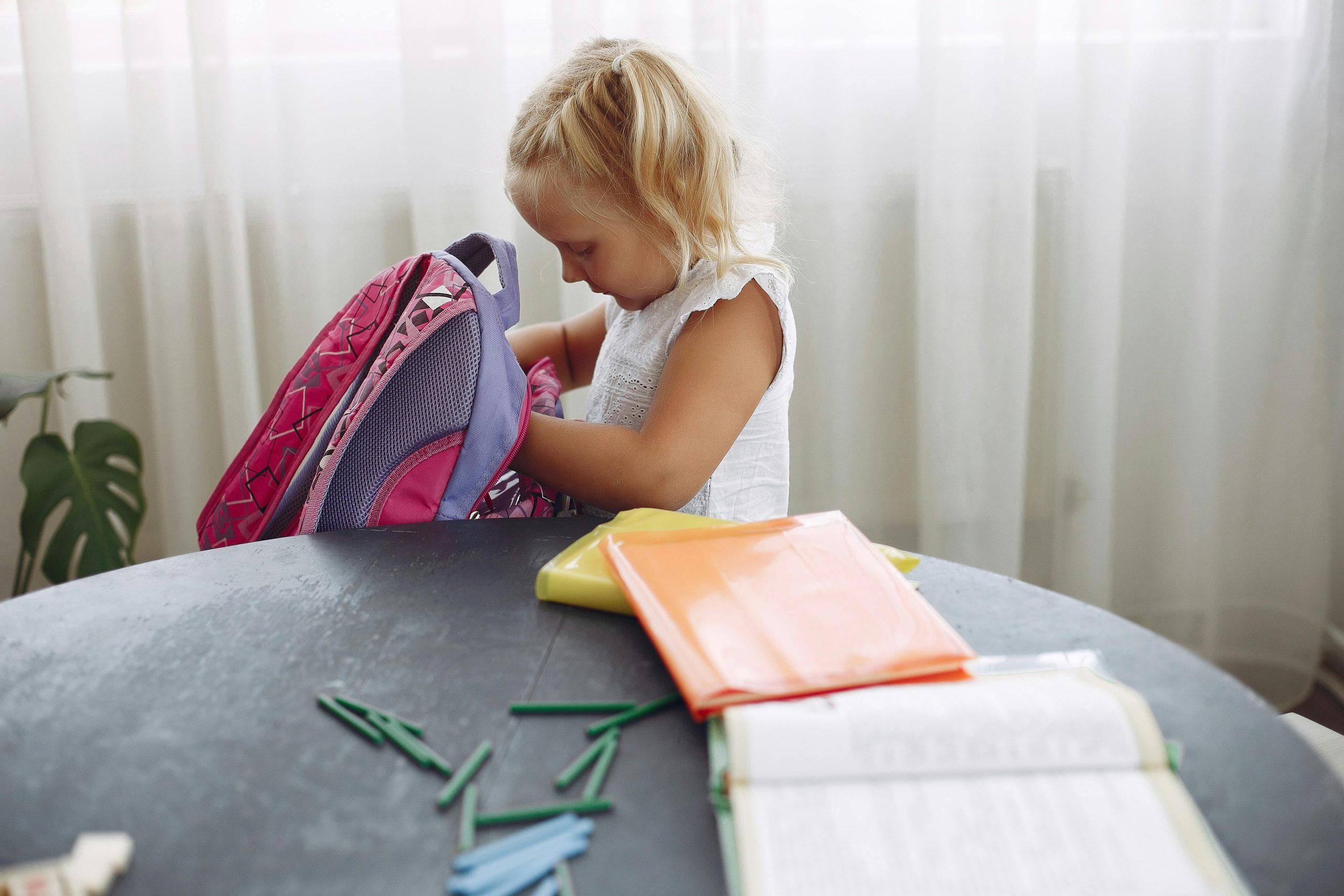
Adults often see school preparation as one simple routine, but children usually experience it as a chain of small tasks. A child may need to remember homework, place it in the right folder, pack the folder, find a water bottle, bring a lunch box, wear the right shoes, and keep track of anything special for that day. Even one missed step can lead to a forgotten item.
Child development specialists often note that working memory, planning, and follow-through are still developing during the school years. This is one reason children forget school items even when they understand what should happen. The child may know the task well but still struggle to hold the full routine in mind during a rushed morning.
How school routines affect why children forget school items
School routines become easier when the same steps happen in the same order often enough to feel automatic. When mornings are different every day, children often have to rebuild the routine from scratch. That makes forgotten items more likely because the child cannot rely on a familiar pattern.
Family organization experts often explain that children forget school items less often when the home routine supports memory. A predictable order for packing, dressing, and leaving often reduces mental overload. Instead of trying to remember everything at once, the child begins to lean on the routine itself.
Why mornings are a common time for forgotten items
Mornings place several demands on children at once. They may still be sleepy, moving slowly, thinking about school, reacting to siblings, or trying to finish breakfast while adults keep an eye on the clock. In that environment, even simple items are easy to miss.
Experts in family wellness often note that children forget school items more often during time pressure because stress weakens attention and task sequencing. The child may move quickly but not carefully. What adults experience as urgency, the child may experience as confusion.
How environment shapes whether children forget school items
Children often do better when important items have obvious homes. If papers move from table to table, shoes land in several rooms, and lunch items stay in different spots each day, the child has to rely on memory alone. That increases the chance of missed steps.
Home organization professionals often explain that families usually improve follow-through by making the environment answer more of the routine. A backpack hook, a paper tray, and one visible place for daily essentials often reduce forgotten items more effectively than verbal reminders alone.
Why children forget school items more when tasks are delayed
Some items are forgotten because the task connected to them was put off until the last minute. A library book still needs to be found, a form still needs a signature, or gym clothes still need to be packed. Delayed tasks create extra morning pressure and make forgetting much more likely.
Family therapists often explain that families do best when important school steps happen before the morning rush begins. A routine that starts the evening before often helps children forget school items less often because the brain has more space to notice what is missing.
What family experts say often helps most
Family experts often recommend using visible systems and repeated check points instead of relying on reminders delivered from across the room. A short checklist, one paper station, a backpack area, and a night-before review often make the biggest difference. These systems reduce the number of things the child must remember under pressure.
Experts in child follow-through often note that children forget school items less often when adults support the routine calmly and consistently. The goal is not to create perfect mornings. The goal is to build a pattern that works often enough to lower stress and improve daily success.
How parents can support without taking over everything
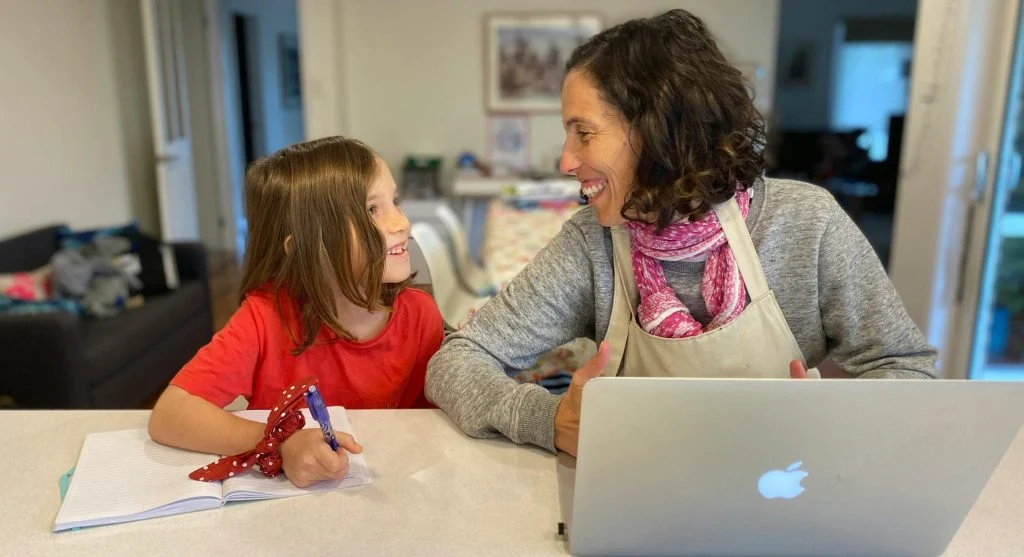
Many adults worry that helping too much will prevent independence. In reality, support often works best when it is shared rather than total. A child may pack the bag while the adult checks the list. The child may place papers in the folder while the adult asks one short question about what still needs to go in.
Child development professionals often explain that independence grows best when support is reduced gradually. Families usually help most by building strong systems first and then letting the child carry more of the routine over time. This often works better than expecting full responsibility too early.
When families may need to adjust the whole routine
If children forget school items again and again, the problem may not be one missing object. It may be the whole routine around preparing for school. Families may need to move packing earlier, simplify the entryway, create a better paper system, or shorten the number of morning decisions.
Experts in family routines often recommend watching where the process breaks down most often. If the child always forgets papers, the paper step needs more support. If lunch items stay behind, the lunch routine may need a more visible place. Practical changes usually help more than repeated warnings about being responsible.
Frequently Asked Questions
Q: Why do children forget school items so often?
A: Children often forget school items because working memory, planning, and routine follow-through are still developing, especially during busy mornings.
Q: What helps children remember school items better?
A: Clear routines, visual checklists, one place for daily items, and night-before preparation often help children remember school items better.
Q: Should parents check the backpack every day?
A: Many families find daily checks helpful while routines are still developing, then reduce support gradually as the child becomes more consistent.
Q: Do forgotten school items mean a child is irresponsible?
A: Not always. In many cases, forgotten school items reflect routine overload, weak systems, or developmental challenges with memory and sequencing.
Key Takeaway
Children forget school items for many understandable reasons, including routine overload, weak systems, time pressure, and still-developing memory skills. Family experts often recommend visible setups, calmer routines, and night-before preparation instead of relying only on reminders. Small systems often reduce daily stress more than repeated warnings. Over time, these changes can help children forget school items less often and feel more successful during school routines.