Why Children Suddenly Want to Do Things Themselves Even When It Takes Longer
June 12, 2026
0
Many parents notice a stage when children suddenly want to do things themselves, even when the task clearly goes faster with help. A child may insist on pouring
Many parents notice a stage when children suddenly want to do things themselves, even when the task clearly goes faster with help. A child may insist on pouring the drink, packing the bag, buttoning the coat, carrying the plate, or choosing how to arrange something. Sometimes the effort ends in pride. Other times it ends in frustration, a mess, or a long delay when the family needed to move quickly.
Family experts often explain that this stage is usually not about making life harder for adults. It often reflects a healthy developmental push toward competence, control, and confidence. Children are trying to discover what they can do, how much influence they have, and what it feels like to manage small parts of life for themselves. Understanding that bigger goal can help families respond with more patience and better structure.
Why Independence Often Appears Before Skill Is Fully Ready
One of the most confusing parts of this stage is that desire often grows faster than ability. A child may feel deeply ready to do a task alone long before the fine motor skill, attention, or planning needed to do it well is fully in place. This mismatch is what makes the stage feel both exciting and exhausting at the same time.
Child development specialists often note that this is how growth usually works. Children reach forward before they are polished. Wanting to try is often part of how the skill develops in the first place. The child is not waiting for perfect readiness. The child is practicing readiness by trying.
How Doing Things Alone Supports Confidence
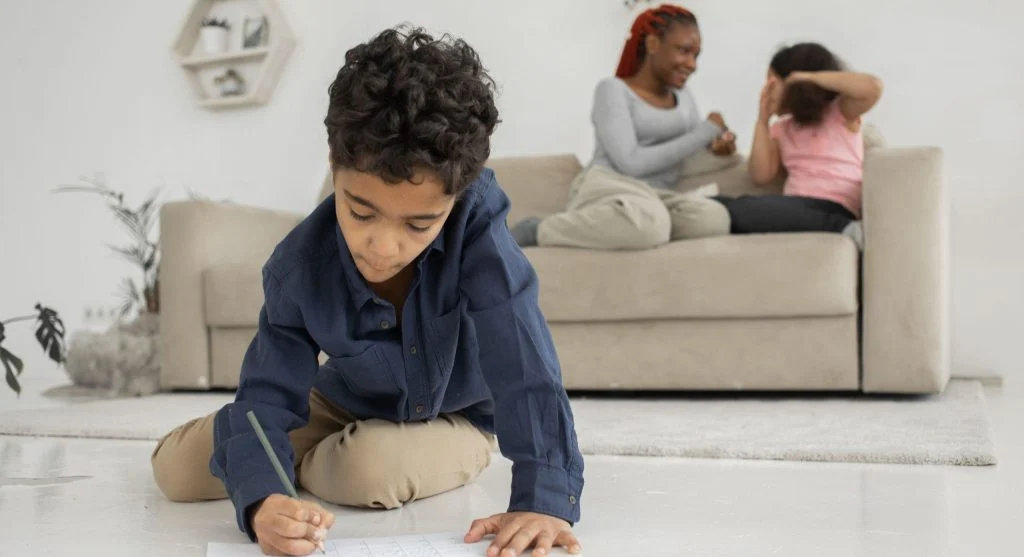
When children complete even a small task independently, the emotional effect can be much bigger than adults expect. The task may seem ordinary to a parent, but to the child it can feel like proof of growth. Carrying a cup without spilling, opening a container alone, or fastening a shoe can create a real sense of accomplishment.
Experts in early development often explain that children suddenly want to do things themselves because success in practical tasks helps build a stronger internal sense of “I can.” That feeling matters. It supports motivation, persistence, and the willingness to try again after mistakes.
Why This Stage Can Create More Conflict in Daily Routines
Family life often runs on timing. Adults need to leave the house, clean up meals, get through bedtime, or finish school preparation without everything taking twice as long. This is exactly where independence pushes can create stress. The child wants the task for growth. The adult wants the task completed efficiently.
Family therapists often explain that conflict usually comes from this difference in purpose, not from bad intentions on either side. The child is reaching for autonomy. The adult is trying to keep daily life functioning. Both needs are real, which is why the moment can become tense so quickly.
Why Children Often Refuse Help Once They Start Trying
Many parents notice that once a child begins an independent task, help is not always welcome. Even useful support can be rejected quickly. This can seem unreasonable, especially if the child is visibly struggling. Yet the refusal often makes sense from the child’s point of view. Help may feel like interruption, correction, or proof that the child is not actually capable after all.
Experts in emotional development often explain that children may resist help because the emotional goal is ownership, not only success. The child wants to feel, “I did it,” not only “it got done.” That difference matters a great deal during this stage.
How Mistakes Become Part of the Learning Process
This stage naturally includes spills, delays, uneven results, forgotten steps, and repeated attempts. Adults often see the mistake and rush to prevent it. Children often see the mistake and still want another chance. That can be hard to tolerate during busy parts of the day, but mistakes are often part of what teaches the next round of better coordination and judgment.
Child behavior experts often note that children suddenly want to do things themselves because the act of trying teaches far more than passive watching. A child who spills while pouring is still learning about speed, angle, grip, and attention. Not every mistake is a sign that the child is not ready to practice.
Why Emotional Reactions Can Get Big During This Stage
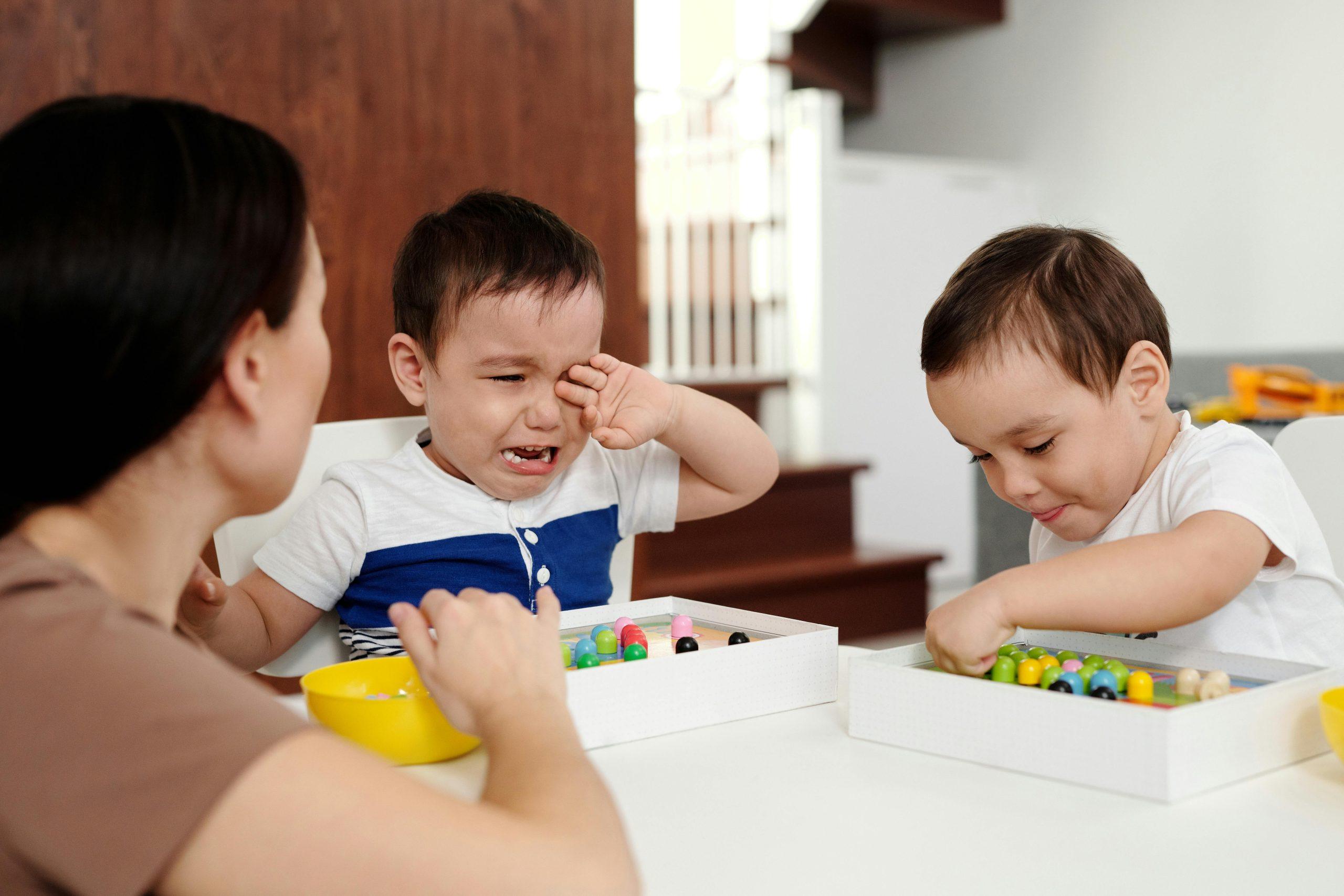
Because independence matters emotionally, small setbacks can trigger big reactions. A child may insist on doing something alone and then burst into tears when it goes badly. This can confuse adults. The child wanted autonomy so badly, yet now seems overwhelmed by the very process of having it.
Family wellness professionals often explain that the intensity comes from how much meaning the child has attached to the task. The child is not only dropping the spoon or missing the zipper. The child is colliding with the gap between desire and current ability. That gap can feel painful in the moment.
What Parents Often Misunderstand About This Stage
Adults sometimes assume that children are trying to control the home when they insist on independent tasks. While control can be part of the picture, the deeper need is often developmental. The child is working on mastery, not only power. In other cases, adults assume the child should be allowed to do everything independently once the interest appears. That expectation can also backfire when the child becomes overwhelmed.
Experts often recommend seeing this stage as guided independence. Children usually need chances to try, but they also need adults to decide when a task fits the moment and when the family needs a faster path.
How Families Can Support Independence Without Turning Every Task Into a Battle
Many families do best by choosing low-pressure moments for practice. A child can pour during a relaxed snack instead of a rushed dinner. Shoes can be practiced five minutes earlier than necessary. Coats can be attempted before the whole family is waiting at the door. These small timing changes often protect both learning and household peace.
Home routine experts often explain that children suddenly want to do things themselves most successfully when families create room for practice on purpose. If every attempt happens only in the most rushed moments, independence can start feeling stressful for everyone involved.
Children rarely stay in the same version of this stage for long. With practice, many become more skilled, more realistic, and more open to small amounts of support. They begin understanding which tasks they can manage well and which still need help. That growth often comes slowly through repeated chances to try rather than through one lesson or one big success.
Family experts often explain that when children suddenly want to do things themselves, they are showing the early roots of independence, not the finished form. Over time, steady support, calm boundaries, and real practice often turn this difficult stage into one of the most useful parts of development.
Frequently Asked Questions
Q: Why do children suddenly want to do things themselves?
A: Children often want to do things themselves because they are developing independence, confidence, and a stronger sense of personal ability and control.
Q: Should parents always let children do tasks alone if they ask?
A: Not always. Many experts recommend offering chances to practice when time allows while still stepping in during rushed or unsafe situations.
Q: Why do children get upset after insisting on doing something alone?
A: They may feel frustrated by the gap between what they want to do and what they can do well right now, which can create big emotions quickly.
Q: What helps children grow more independent without more daily conflict?
A: Calm support, practice during low-pressure moments, simple guidance, and realistic expectations often help children grow independence more smoothly.
Key Takeaway
When children suddenly want to do things themselves, the behavior often reflects healthy growth in confidence, identity, and independence. Families usually help most by giving practice opportunities, protecting low-pressure moments for learning, and staying calm when ability does not yet match desire. Over time, these repeated chances can turn frustration into real skill and stronger self-belief.