How to Respond When a Child Says That’s Not What Happened During a Hard Family Moment
July 7, 2026
0
Many parents run into the same difficult moment after conflict. An adult describes what happened, and the child quickly says, “That’s not what happened,” or “That’s not what
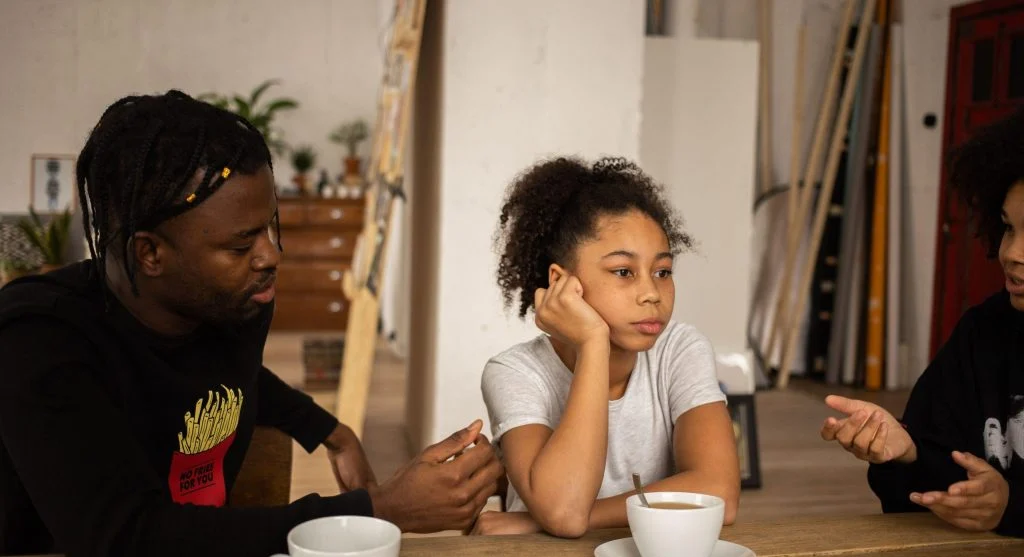
Many parents run into the same difficult moment after conflict. An adult describes what happened, and the child quickly says, “That’s not what happened,” or “That’s not what I meant,” or “You’re not listening.” The parent may feel irritated right away, especially if the situation seemed clear. From the adult point of view, the facts may look obvious. From the child’s point of view, something important may feel missing, misunderstood, or emotionally misnamed.
Family experts often explain that these moments are not only about accuracy. They are also about perspective. Children and adults can live through the same event and still carry very different versions of what mattered most. Knowing how to respond when a child says that’s not what happened can help families reduce defensiveness, understand each other better, and repair hard moments more effectively.
Why these conversations become tense so quickly
Disagreement about what happened often touches two sensitive things at once. First, there is the event itself, which may already include frustration, hurt, or misbehavior. Second, there is the feeling of being misread. When a child hears an adult describe the moment in a way that feels incomplete or unfair, the child may react strongly even if some parts of the adult version are true.
Child development specialists often note that children are especially reactive when they feel their intention has been replaced by an adult conclusion. The child may not be denying the whole event. The child may be pushing back against the meaning attached to it.
Why children and adults often remember the same moment differently
Adults usually focus on behavior, sequence, and impact. Children often focus on feeling, intention, and the part of the story where things changed for them emotionally. A parent may say, “You yelled and refused to listen.” The child may be thinking, “I was already upset before that, and no one noticed.” Both people may be describing real parts of the same event, but they are not standing in the same place inside it.
Experts in family communication often explain that memory is not only a factual recording. It is also shaped by emotion, attention, and personal meaning. This is one reason a child may insist the adult version is wrong even when the adult feels certain.
How feeling misunderstood can become the child’s biggest problem
Sometimes the original issue stops being the main issue. The child may become more upset about being described unfairly than about the actual behavior that started the conversation. Once that happens, the discussion can derail quickly. The adult tries to correct the behavior. The child tries to correct the story. Both people begin feeling unheard.
Family therapists often explain that when a child says that’s not what happened, the child may be asking for emotional accuracy more than factual victory. The child may want the adult to understand the inner experience, not only the outward action.
Step 1: Slow the conversation before arguing over details
When a child says the adult version is wrong, many parents respond by repeating the facts more forcefully. This often makes the child dig in harder. It usually helps more to slow the moment down first. A parent does not have to agree immediately. The goal is to make space before the conversation turns into a fight over who is correct.
Experts in conflict repair often recommend pausing long enough to show that the child will get a chance to speak fully. This simple slowing down can reduce the urgency both sides feel to defend themselves right away.
Step 2: Listen for what part of the story the child is trying to fix
The child may not be rejecting everything the adult said. Often the child is trying to correct one specific part. It might be the child’s intention, the beginning of the event, the feeling underneath the behavior, or the reason the child reacted so strongly. If parents listen for that exact point, the disagreement often becomes easier to understand.
Family communication experts often note that children say that’s not what happened when they feel one part of the story carries the wrong emotional meaning. Finding that part can change the whole conversation.
Step 3: Separate behavior from intent
This step often helps more than parents expect. A child may need the adult to understand that bad behavior does not always equal bad intent. For example, a child may have slammed a door, but not been trying to scare anyone. A child may have interrupted rudely, but not been trying to be cruel. The behavior still matters, but the meaning behind it may feel very different to the child.
Experts in parent-child trust often explain that children calm down faster when adults can say, in effect, “I see that your intention was not the same as the impact.” This does not excuse the behavior. It helps the child feel accurately seen while still holding responsibility.
Step 4: Reflect the child’s perspective before correcting the facts
Many children become much more open to hearing adult guidance once they feel their version has been heard clearly. A short reflective statement can help. This may sound like noticing that the child felt ignored, embarrassed, or already upset before the conflict grew. Once the child feels understood, the adult often has more room to address the behavior itself.
Experts in emotional development often recommend this sequence because children rarely absorb correction well when they still feel invisible inside the story being told about them.
Step 5: Keep the adult point without turning it into a courtroom
Listening to the child’s version does not mean giving up the adult view. Parents still need to name what happened, what impact it had, and what needs to change. The key is to do this without turning the conversation into a trial with two opposing witnesses. The goal is shared understanding, not verbal victory.
Family experts often explain that a stronger conversation sounds more like, “I understand what it felt like for you, and I also need you to understand what happened on my side.” That kind of wording keeps both truths in the room at the same time.
Step 6: Look for the point where both versions overlap
Even when two accounts sound very different, there is often some overlap. Both people may agree that the moment escalated, that feelings got big, or that something hurt. Finding one shared part of the story can reduce defensiveness and make repair more possible. From there, the family can work on what needs to happen next instead of staying trapped inside the disagreement about the past.
Experts in family repair often note that children respond better when adults look for connection points rather than treating the child’s perspective as a threat to adult authority.
These conversations usually get harder when adults interrupt too fast, insist on total agreement before moving forward, or treat the child’s perspective as manipulation every time. They also get worse when the child is forced to accept an adult summary that feels emotionally false. Even if the behavior was clearly wrong, the child may keep fighting simply because the story still feels wrong from the inside.
Professionals who support families often encourage adults to remember that being the parent does not require winning every interpretation battle. It requires guiding the child through both truth and relationship at the same time.
How these moments can strengthen communication over time
When handled well, these hard conversations can actually build trust. Children learn that they do not have to agree with every adult description silently in order to be heard. Parents learn more about how the child experiences conflict from the inside. Over time, this can lead to calmer repair and less defensive arguing because the family gets better at making room for both behavior and perspective.
Family experts often explain that good communication is not built only in easy moments. It also grows when children discover that even after a hard event, their inner version of the story still matters enough to be heard.
Frequently Asked Questions
Q: Why does my child say “that’s not what happened” during conflict?
A: Children often say this because the adult version may miss their intention, feeling, or emotional experience, even if some parts of the facts are accurate.
Q: Should parents correct the child immediately if the story seems wrong?
A: Not always. Many experts recommend listening first for what the child is trying to clarify before moving into fact correction or consequences.
Q: Does hearing the child’s version mean excusing bad behavior?
A: No. Parents can hear the child’s perspective while still naming the behavior, its impact, and what needs to change.
Q: What helps these conversations go better?
A: Slowing down, separating intent from behavior, reflecting the child’s perspective, and looking for overlap between both versions often helps these conversations go better.
Key Takeaway
When a child says that’s not what happened, the disagreement is often about emotional meaning as much as factual detail. Families usually do best by slowing down, listening for the child’s perspective, and then holding both the child’s experience and the adult’s expectations in the same conversation. Over time, this approach can improve repair, trust, and the quality of hard family communication.