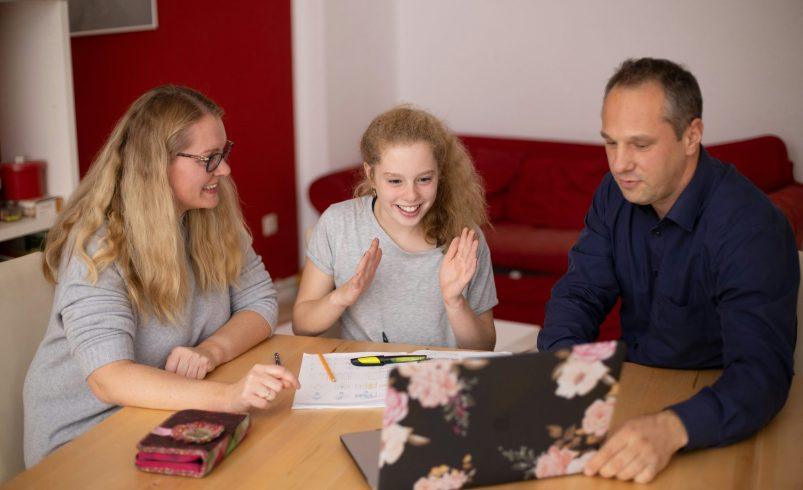
“Family communication tips” are essential for building stronger bonds within your home. Just talking clearly isn’t enough for a family to communicate well—it’s also about how thoroughly everyone listens to each other. Kids, a lot of the time, figure out if a house is a secure and comfortable emotional space by how grown-ups react when they talk, when they have something to complain about, ask something, or are upset. Family therapists will tell you that family communication tips, like really listening, can create trust and emotional safety within the family.
Just talking clearly isn’t enough for a family to communicate well, it’s also about how thoroughly everyone in the family listens to each other in everyday life. Kids, a lot of the time, figure out if a house is a secure and comfortable emotional space by how grown-ups react when they talk, when they have something to complain about, ask something, or are upset.
Family therapists will tell you that really listening to each other is one of the best ways to create trust within the family. When children feel they’re being listened to, they’re usually more inclined to be helpful, get over disagreements, and continue to open up as they get older. Improving family communication isn’t necessarily about altering everything about how your family is, a small number of regular listening practices can make a difference.
Why family communication improves when listening comes first
Kids often go quiet and don’t share their thoughts if they think someone will jump in, criticize them quickly, or just hurry them up. It’s not typically because they’ve got nothing on their minds; more often, they’re worried about whether what they say will actually be valued.
Family relationship specialists frequently say that being listened to makes people less likely to get defensive. And when kids do feel heard, they’re generally much more open to advice, being told what they’ve done wrong, or comforting words. This improved listening makes getting along with the family work better during peaceful times, and during harder ones too.
1. Pausing before answering
When you’re really listening, one of the best things you can do is wait a tiny bit before you say anything. Moms and dads (or anyone listening to a child!) will often start to form what they’re going to say as soon as they hear their kid’s words. But holding off for just a moment gives you room to grasp what the child is saying.
In fact, experts in children and how they behave say quick replies can seem like you’re not really valuing what’s being said, even if you are trying to be helpful. Pausing for a second demonstrates you’re paying attention, and it makes you less likely to blurt something out.
2. Looking at the child while they speak
When kids get your full attention, they feel like what they’re saying is important. Simply looking at them, or at the very least, facing them completely, really shows them you think the talk is worthwhile. This is particularly true when they’re upset or something doesn’t make sense to them.
Kids are very aware when you’re not concentrating on them, and those who advise families on how to communicate well often say so. A mom or dad might be hearing the words a child is saying, but if they’re looking at something else while doing so, the child is likely to feel as though they aren’t really being listened to.
3. Listening without interrupting the first sentence
Lots of grown-ups jump in when someone is talking because they’re sure they know what the issue is. Kids, though, generally require a moment to describe things, particularly if they’re distressed or ashamed. Cutting them off too quickly will likely stop them from continuing.
And in fact, people looking at the link between how parents and children trust one another say that letting children finish speaking without being disturbed helps them get their ideas in order. As a result, the whole discussion will probably go a lot better.

Credit: Tamara Govedarovic / Unsplash
4. Reflecting back what was heard
Basically, reflecting back what someone says is an easy way to be sure you get what they mean. A parent could say something like, “You were sad when the game was over,” or “So, school was a struggle for you today?” You aren’t necessarily saying you agree with everything they’re saying. What you are doing is letting them know you’ve understood their message.
Family therapists say that really listening and repeating things back like that improves how families talk to each other and lowers the chances of things being confused. Kids will usually settle down more quickly if someone describes what they’ve been through and gets it right.
5. Separating listening from immediate problem-solving
When kids are distressed, grown-ups usually are eager for a fast answer to whatever’s wrong. However, most of the time, children require you to understand how they feel before they want you to tell them what to do. If you immediately start offering solutions, they can feel like you’re pushing them along or that what they’re saying isn’t important.
People who really know about good families will say to really listen all the way through, before you start on the solving part. A child is generally far more open to sensible suggestions once they’ve been truly listened to.
6. Not turning every conversation into a lesson
It’s true that some talks do require you to steer things, but you don’t have to have a really detailed explanation for everything. Kids will frequently clam up and stop telling you things if they feel like every little thing they say is going to turn into a telling off. And if that happens, over a long period of time, it’s going to get harder and harder to actually talk to each other in the family. People who work with kids and how they grow are usually saying that a quick, encouraging answer will keep them being open with you. Of course, you will still need to educate them, but when you do that is just as important as the education itself.
7. Noticing emotions under the words
Kids don’t always tell you how they’re really doing. What they say about a brother or sister, a teacher, or even something they’re not allowed to do might really be about being ashamed, let down or anxious. Really good listening means picking up on the feeling that’s being expressed, even if it isn’t stated directly.
And child psychologists say that when you figure out what feelings are really going on with your child, you’ll have a closer, more trusting relationship. It makes them feel like you truly get them and encourages them to understand their own emotions.

Credit: Vitaly Gariev / Unsplash
8. Returning later if the moment is too tense
You don’t always have to talk things through with a child right this second. If a child is really worked up or an adult is incredibly stressed, a useful discussion isn’t going to happen then. Going back to it later can still help everyone in the family talk to each other well.
Family support people say checking in afterwards is important. When a grown-up returns to the subject in a calm way, children understand that difficult talks aren’t something to be avoided. Instead, they are addressed when both of you are calmer, and able to deal with things.
How listening habits build stronger family communication over time
We generally get into how we listen by doing something over and over, not by a single big leap. Kids are good at finding what happens regularly. When grown-ups frequently stop what they’re doing, really listen, and then answer gently and thoughtfully, a child’s sense of being able to rely on them builds slowly.
Those who know about these things frequently point out that improved talking in a family won’t make all arguments disappear. Instead, it alters the way arguments are resolved. Being listened to makes children feel emotionally more secure, and this frequently leads to more willingness to work with each other and a closer family bond.
Frequently Asked Questions
Q: Why is listening important in family communication?
A: Listening is important in family communication because it helps children feel heard, reduces defensiveness, and supports trust at home.
Q: How can parents improve family communication quickly?
A: Parents can improve family communication by pausing before responding, reducing interruptions, and reflecting back what the child is saying.
Q: Does listening help during discipline?
A: Yes, listening often helps during discipline because children are more likely to accept guidance when they feel understood first.
Q: What if a child does not want to talk right away?
A: A child may need time. Returning later with calm attention can still support strong family communication and parent child trust.
Key Takeaway
When families really listen to each other, and do so in a calm, polite, and predictable way, their connection gets better. Things like taking a beat before responding, thinking about what your child is saying and saying it back to them, and paying attention to how everyone feels will help kids feel secure and continue to open up. If you’re a better listener, your child will likely trust you more and be more willing to take your advice. And good communication in a family is typically built from little things you do every day, not from having flawless talks.