How Family Communication Builds Trust Between Parents and Children
- April 5, 2026
- 0
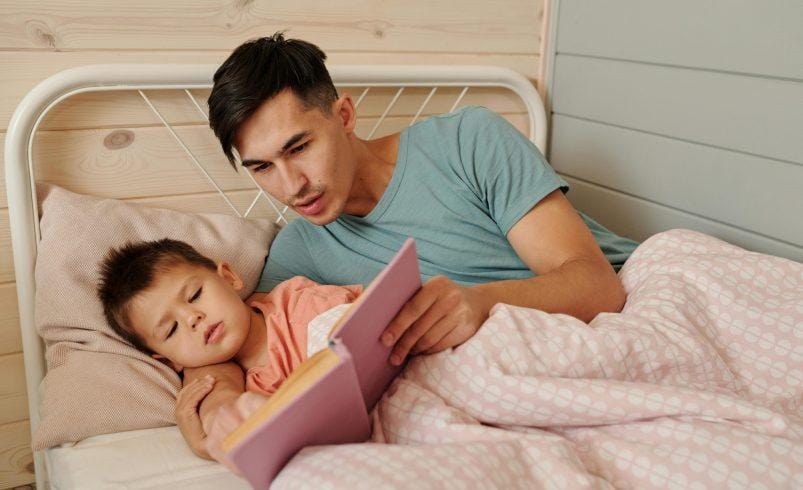
How a family talks to each other impacts what kids learn about being safe, what’s allowed, and how to feel close to people within the family. The actual

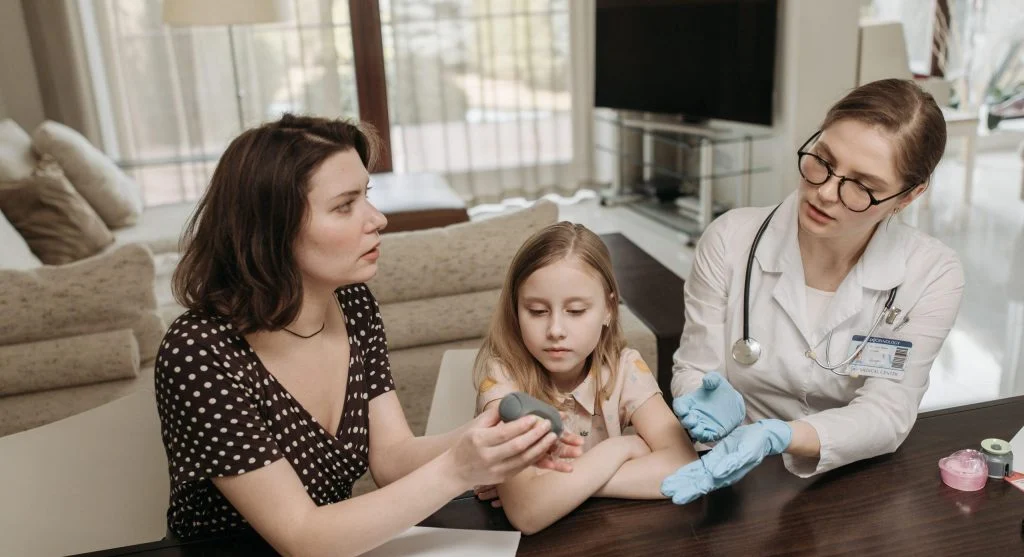
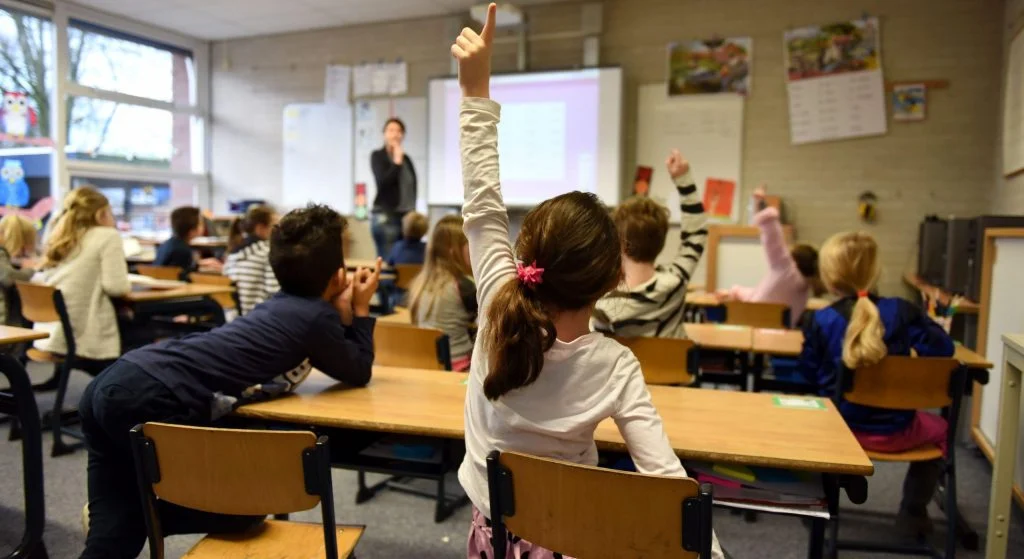
How a family talks to each other impacts what kids learn about being safe, what’s allowed, and how to feel close to people within the family. The actual
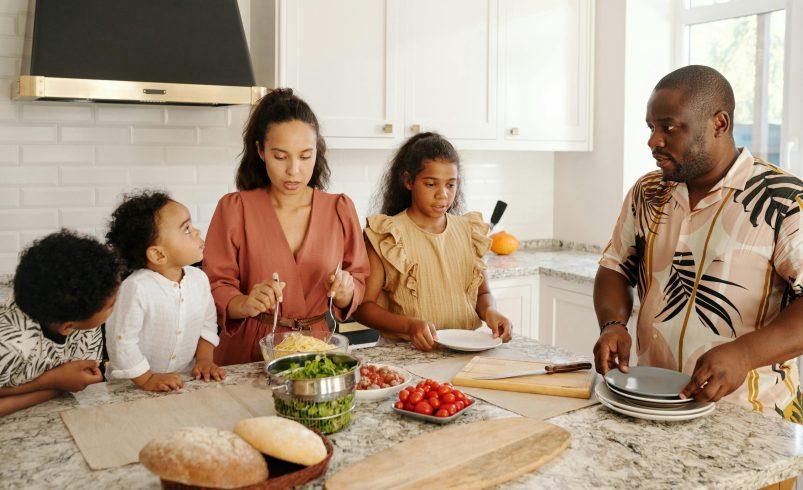
How a family talks to each other impacts what kids learn about being safe, what’s allowed, and how to feel close to people within the family. The actual words grown-ups use, their way of speaking, and how they react when things are difficult, slowly build (or break) trust between parents and children. A family that gets along well in a communications sense isn’t one that never bickers. Rather, it’s a family that has better ways of getting back to good terms, hearing each other out, and remaining emotionally linked.
Family relationship experts say that the way a family communicates becomes the emotional atmosphere a child grows up in. Kids figure out what respectful language is, how to manage not agreeing, and if telling the truth will be okay and these lessons frequently start far before Mom and Dad even know they’re being taught.
Trust isn’t built by one big talk, it’s built slowly with lots of little things. Kids learn to trust by seeing how grown-ups deal with questions, what they do when they mess up, and how they cope when things are difficult. When those reactions are typically calm and considerate, a child’s trust will increase. But if how adults respond feels all over the place or as if the child’s feelings aren’t important, they’ll likely become more reserved.
Family therapists frequently say that being steady is more important than saying things perfectly. Kids aren’t expecting every adult answer to be flawlessly worded; they are helped much more by understandable explanations, feeling emotionally secure and having a good, dependable opportunity to express themselves.
Kids pick up on a lot more than just what you say. They hear how loud you are, how quickly you’re speaking, and how much stress is in your voice. Actually, a gentle voice when you’re telling them something they did wrong is generally more comforting than a harsh one, even if you’re just giving a simple heads-up. And as time goes on, the way you sound shows children if talking at home will be a good experience or a scary one.
Child behaviour specialists often say that children are much more likely to listen when they feel emotionally secure. If they’re very frightened, their brain tends to go into self-protection mode instead of taking things in. This is a key reason why being respectful in the way you speak to them is important in all aspects of being a parent, including when you’re correcting their behaviour.
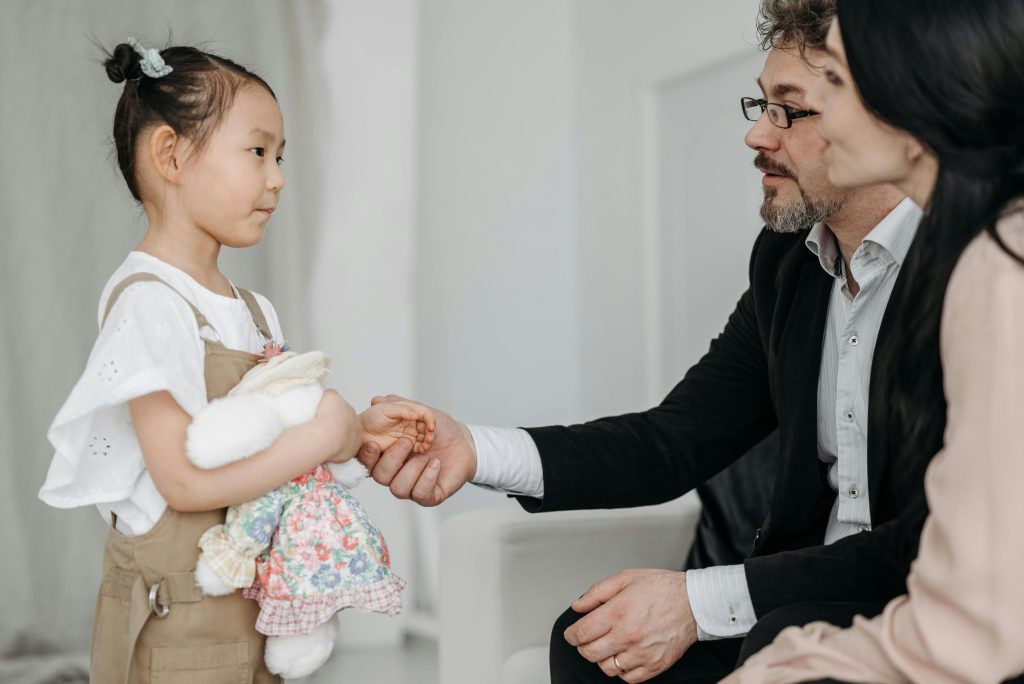
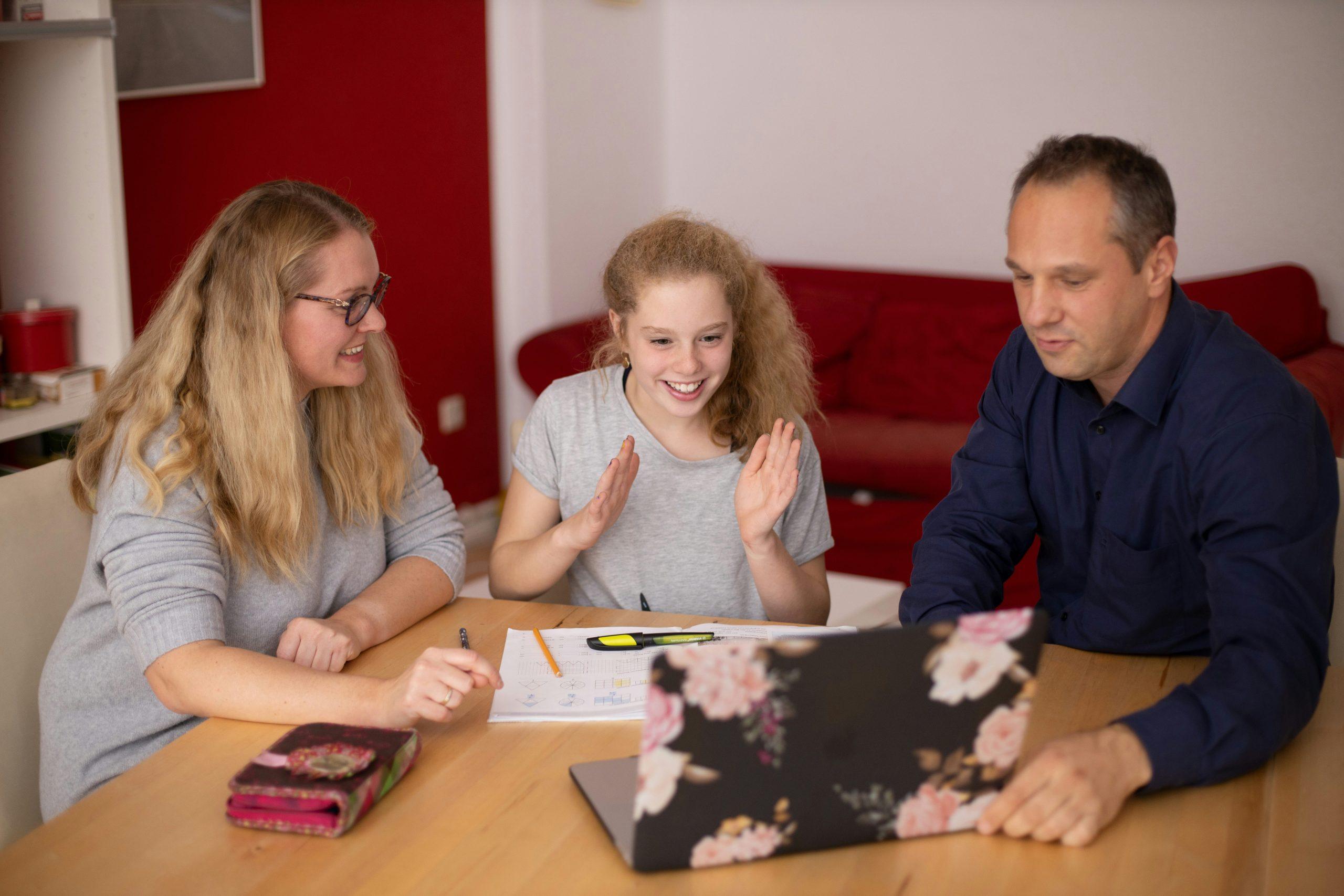
Credit: Pavel Danilyuk / Pexels
We don’t often think about really listening when families talk. Grown-ups are usually thinking about what they want to say, but kids need to be heard too. And being heard isn’t about adults saying “yes” to everything a child complains about or changing all the rules. It’s about making sure the child’s words are noticed and accepted, before you start to tell them what they did wrong.
When you look at studies of how much parents and children trust each other, you’ll see kids will generally be much more helpful if they feel like you understand how they are feeling. Saying something straightforward like “You’re mad because playing had to stop” can help a child not get so defensive. This then allows you to offer advice, and stops a much longer disagreement.
Families don’t have flawlessly smooth communication all the time. Moms and dads get exhausted, kids have outbursts, and difficult times are inevitable. But what happens afterwards is the important part; it’s about fixing things. “Fixing things” could be a relaxed talk later, a straightforward saying of “I’m sorry,” or a way to start the relationship over after an argument.
Experts on families say that this process of fixing things builds strength. Kids come to understand that a fight doesn’t necessarily ruin a relationship. They discover too, that people can admit when they’ve said or done something wrong, and that is a hugely valuable thing to learn for all their relationships in the future.
Families communicate better when they routinely spend time together. Mealtimes, saying goodnight to the kids, trips in the car, and a quick chat each day all give children a relaxed and easy way to begin talking. In fact, these little chances to talk are usually a lot more successful than sitting down for a carefully planned, and often awkward, conversation.
Experts in raising children suggest building little and consistent habits of connection. If a child understands they get a chance to speak with you every day, they’re likely to mention worries when they’re small, before they get out of hand. Communication that’s a normal part of things, instead of something unusual, is how you build trust.
When life gets hectic, we’re on our phones, doing lots of things at once and stressed, our conversations with each other get worse, and this happens without us meaning for it to. Families often are in the same space but aren’t really with each other. Telling people what to do takes the place of proper talking, and little things that are misinterpreted pile up rapidly.
Child development experts and people focused on family health say you don’t have to have a big family meeting every day to feel closer. In fact, just a short amount of time where everyone really pays attention to each other, with nothing to break that focus, can help families talk to each other in a healthier way. What matters is giving each other attention that’s genuine, not hurried.

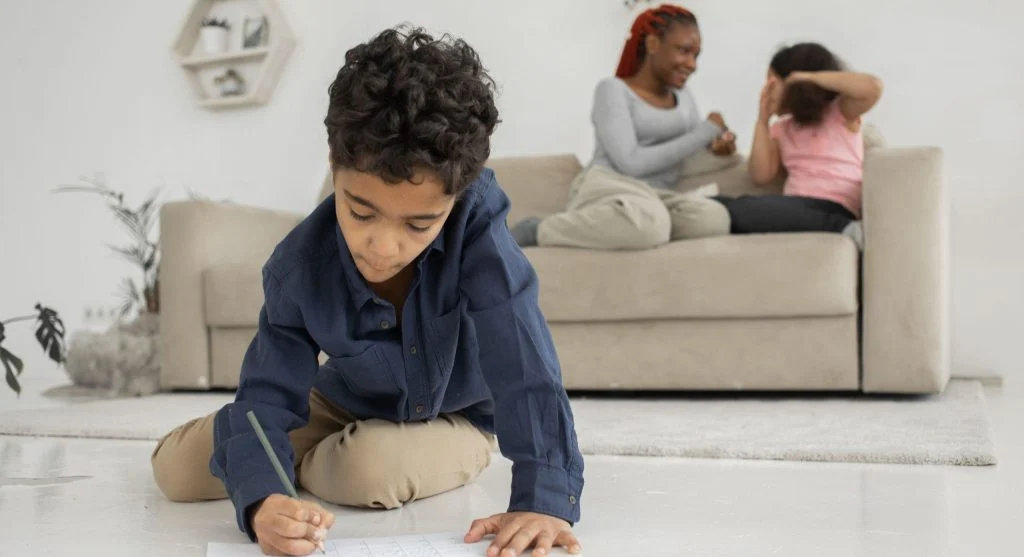
Credit: Julia M Cameron / Pexels
Kids tend to pick up the way of speaking they hear around them all the time. When grown-ups stop, really hear what’s being said, and are polite in their conversation, children are more inclined to do the same. However, if adults cut people off, make fun of them or don’t want to deal with difficult talks, kids are likely to fall into those behaviours.
Those who understand what makes families work well generally agree that being a good example is one of the most effective things parents can do. Kids pay attention to how their parents speak to each other, and not just to how they speak to them. Essentially, the general feeling about communication in a house is what really counts.
Q: Why is family communication important for children?
A: Family communication helps children feel safe, understood, and connected. It also supports behavior, emotional safety, and stronger parent child trust.
Q: How can parents improve family communication quickly?
A: Many parents start by listening more, lowering distractions, using a calmer tone, and creating one regular time each day to connect.
Q: Does family communication help during discipline?
A: Yes, clear family communication can make discipline more effective because children understand expectations and feel less defensive during correction.
Q: What if a family argues often?
A: Frequent conflict does not always mean trust is lost. Healthy repair, consistent listening, and respectful tone can still strengthen healthy family relationships over time.
How a family talks to each other, the way things sound each day, how well everyone listens, how you fix things when they go wrong and just being consistently in touch with each other are all what create trust. Kids do best with communication that feels like you respect their feelings, that you’ll do things roughly the same way each time, and that they won’t be emotionally hurt by it. Even if your house is hectic, little adjustments like putting phones away and really focusing on what your child says will make parents and children trust each other more. And a good family conversation isn’t about saying everything perfectly, it’s about having a way of relating that your kids can rely on.