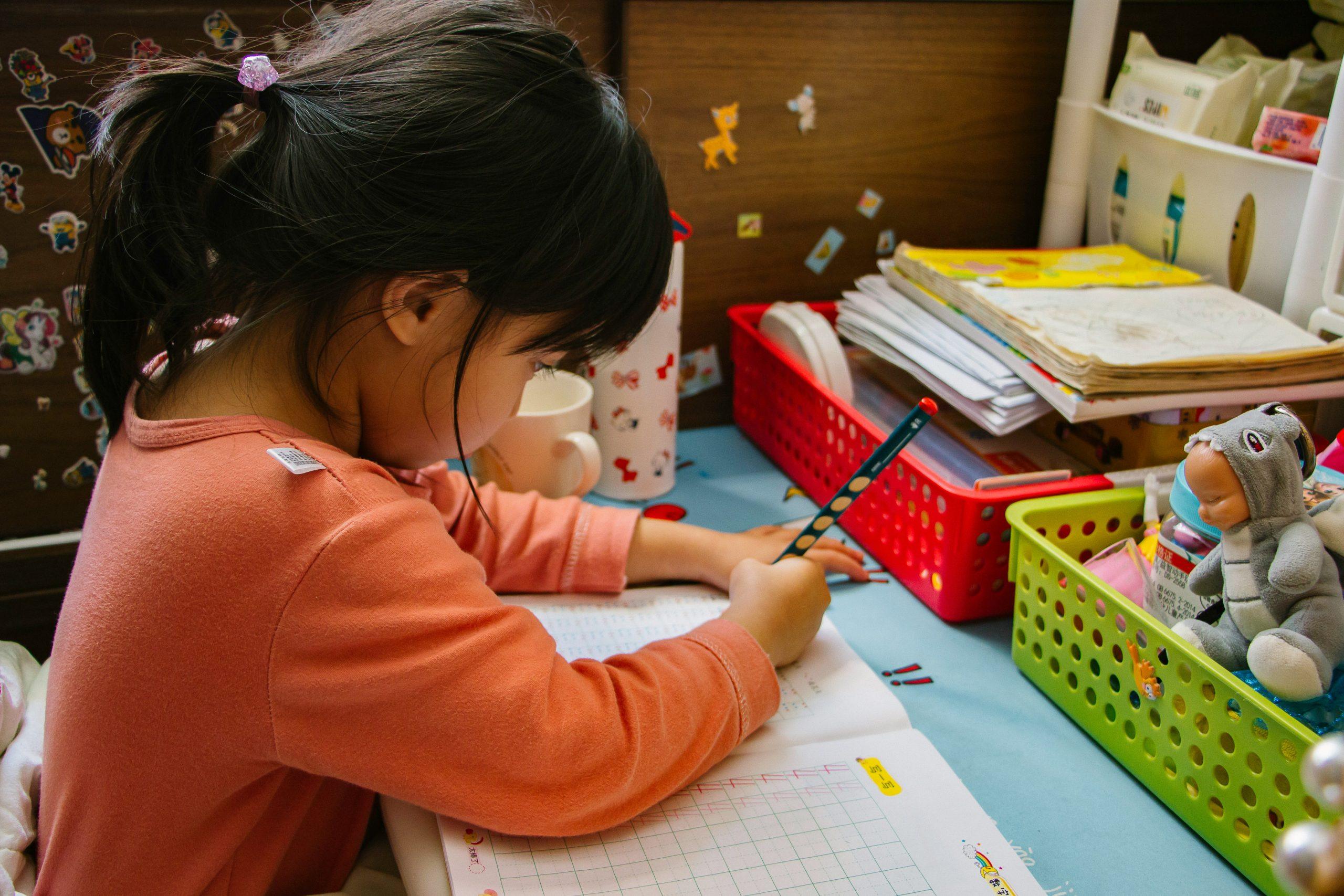
How to Create a Better Homework Start Routine When Children Keep Delaying the First Step
July 5, 2026
0
Many families do not struggle most with homework itself. They struggle with the ten or fifteen minutes before homework begins. A child wanders, snacks slowly, sharpens pencils for
Many families do not struggle most with homework itself. They struggle with the ten or fifteen minutes before homework begins. A child wanders, snacks slowly, sharpens pencils for too long, asks unrelated questions, disappears into another room, or insists on starting “in a minute.” By the time the work finally begins, everyone already feels frustrated.
Family experts often explain that homework delay is not always about laziness or refusal. In many homes, the hardest part is task initiation. Starting schoolwork after a full day of learning can feel mentally heavy, especially when the child is tired, hungry, overstimulated, or unsure where to begin. A better homework start routine can lower that friction by making the first step clearer and easier to enter.
Why the beginning of homework often feels harder than the work itself
Adults often assume the main challenge is the assignment. For many children, the bigger challenge is switching into homework mode at all. The child may have just come home from school, changed environments, and begun decompressing. Being asked to re-enter academic focus can feel abrupt, even if the homework is not especially difficult.
Child development specialists often note that children handle starting tasks differently from continuing tasks. Once the child is engaged, progress may go fairly well. But the shift from unstructured after-school time into seated work can create strong resistance if the transition is not supported clearly.
Why delaying homework can become a pattern very quickly
If homework starts badly for several days in a row, children often begin expecting it to feel unpleasant before it even begins. That expectation alone can make avoidance stronger. A child may start delaying earlier, arguing sooner, or feeling tense the minute homework is mentioned because the whole routine already carries emotional weight.
Experts in family routines often explain that children do not only react to the assignment in front of them. They also react to the pattern around it. If homework time has become the most corrected, tense, or uncertain part of the day, the child may resist the routine before even looking at the work.
Step 1: Stop treating “start homework” like a complete instruction
Many adults say “Go do your homework” as if that is one clear action. For children, it is often several steps hidden inside one sentence. The child may need to unpack the bag, find the right papers, locate supplies, choose a space, and decide what to begin with. If all those steps stay unspoken, the task can feel larger than adults realize.
Family experts often recommend breaking the start into smaller visible actions. A better homework start routine might begin with one clear first step such as emptying the folder, placing the workbook on the table, or opening the bag at the homework spot. Smaller entry points often reduce delay more than stronger pressure does.
Step 2: Build in a landing period before homework begins
Some children are asked to start homework too soon after walking in the door. If the child is hungry, overstimulated, or emotionally full from the school day, the body may need a short landing period first. This does not mean homework should be delayed endlessly. It means the routine may work better when a short reset comes before the work.
Experts in after-school support often recommend a predictable landing phase such as snack, water, bathroom, or ten minutes of quiet before homework starts. When children know the break is part of the routine, they may fight homework less because the day does not feel like one long stretch of demand.
Homework often gets delayed when it starts in a different place each day. One day it happens at the kitchen table, the next on the couch, and the next in a bedroom surrounded by distractions. A steady homework start routine usually works better when the child knows exactly where the first minutes of homework always happen.
Home organization experts often explain that a visible beginning place reduces wandering and indecision. The space does not need to be perfect. It only needs to answer the question of where the routine begins so the child does not spend extra energy avoiding that choice.
Step 4: Use a “first small task” instead of a “finish everything” mindset
Children often delay because homework feels too large in their mind. If the child is already thinking about the full worksheet, reading assignment, and project at once, starting may feel mentally expensive. A better homework start routine often focuses only on the first small action. That might be writing the name, reading the directions, or doing one problem.
Experts in learning support often note that children handle work better when the first step feels possible. A child is often more willing to begin one small piece than to begin “all of homework.” Once movement starts, the rest of the task may feel less overwhelming.
Step 5: Reduce the number of spoken reminders
Homework starts often get worse when adults repeat the same reminder many times. “Start now,” “Come on,” “You still have not started,” and “Why is this taking so long?” can quickly turn the routine into an argument. Too many reminders usually increase emotional pressure without making the beginning easier.
Family communication experts often recommend fewer words and clearer structure. One calm prompt, paired with a visible routine, often works better than a series of escalating reminders. The goal is to make the start feel known, not loud.
Step 6: Make the first few minutes quieter than the rest of the afternoon
Some children keep delaying because the house around them is still too active. Loud conversation, television in another room, sibling play nearby, or devices within reach can all make the brain less willing to settle. The first five or ten minutes of homework often matter most because they set the emotional tone for the whole session.
Experts in child attention often explain that children usually enter work more smoothly when those first minutes are protected. Once concentration starts, some children can manage more background activity than they could during the transition into homework mode.
Step 7: End the start-up struggle by deciding what happens after the first effort
Children often need to know what comes after they begin. If the child believes homework means an endless period of pressure, delay becomes more likely. A stronger routine often includes a visible next point, such as a short check-in after ten minutes, a break after one section, or a small pause after the first assignment is started.
Experts in family learning routines often note that children are more willing to start when the work has shape. A routine with clear beginning, middle, and break points often feels safer than a vague command to work until everything is finished.
Homework routines often break down when they begin too soon, depend on repeated nagging, or feel different every day. They also weaken when the child has no clear first step or when all the focus stays on finishing rather than starting. In many homes, the problem is not that the child hates learning. The problem is that the transition into homework is too unclear, too rushed, or too emotionally loaded.
Experts in school-life support often recommend looking at the first five minutes closely. The family may not need a completely new homework philosophy. They may only need a better entry point into the routine.
How a stronger start routine helps over time
Children usually do not become eager about homework overnight, but a better start routine often reduces the daily fight around it. The child begins faster, the adult repeats less, and the first step carries less tension. These smaller gains matter because they change the emotional expectation around homework itself.
Family experts often explain that calmer starts often lead to calmer work sessions. When children no longer spend the first part of homework time resisting the routine, they have more energy for the actual learning. Over time, that can make after-school life feel more manageable for everyone in the home.
Frequently Asked Questions
Q: Why do children delay starting homework so much?
A: Children often delay because starting homework requires a hard mental shift after school, especially when they are tired, hungry, overloaded, or unsure where to begin.
Q: What helps children start homework more easily?
A: A short landing period, one clear beginning place, a small first task, fewer reminders, and a more predictable routine often help children start more easily.
Q: Should homework start right after school?
A: Not always. Many children do better with a short reset first, as long as the routine stays structured and does not turn into endless delay.
Q: How can parents reduce homework conflict without lowering expectations?
A: Parents often help most by improving the routine around the first step instead of adding more pressure, more reminders, or more argument around the task.
Key Takeaway
Key Takeaway: A better homework start routine can reduce daily conflict by making the first step clearer, calmer, and easier to enter. Families usually make the most progress when they support the transition into homework instead of only focusing on getting the child to comply faster. Over time, stronger starts can make after-school learning feel much less heavy for everyone involved.