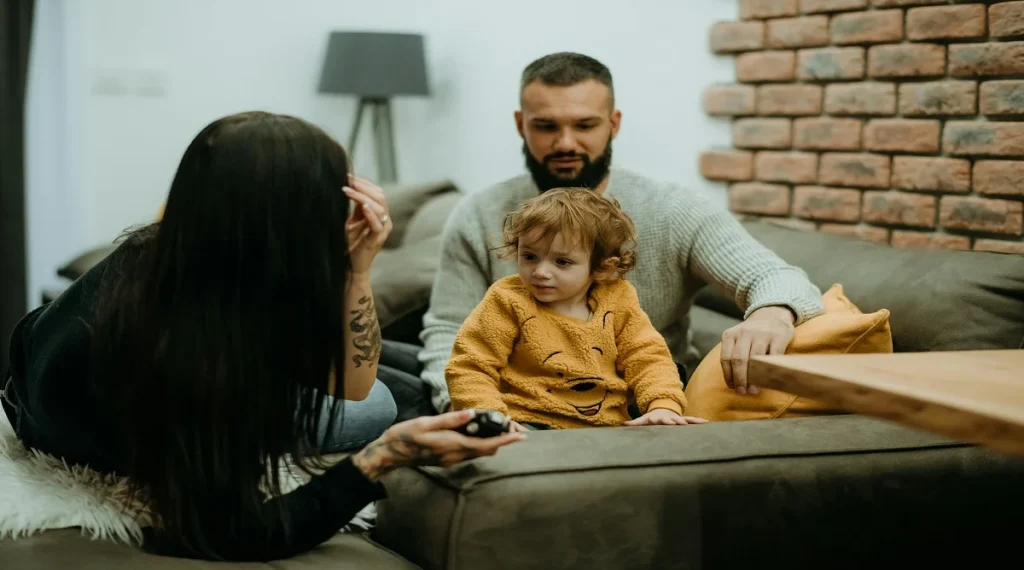
Many parents feel frustrated when children ignore directions, especially during busy parts of the day. A child may keep playing after being told to put on shoes, continue talking instead of brushing teeth, or even look at an adult and still not begin the task. Moments like these can make daily routines feel more stressful than they need to be.
Family experts often explain that ignoring directions is not always simple disobedience. In many situations, a child may be distracted, overwhelmed, emotionally full, or unsure how to get started. Understanding the reasons behind this behavior can help adults respond with stronger routines and more effective support, rather than repeating the same frustration each day.
Why children ignore directions more often than adults expect
Adults usually hear a direction as a clear instruction with one obvious next step. Children don’t always process it that way. They may be deeply engaged in play, still thinking about something else, or unable to shift their attention quickly. What sounds simple to an adult may involve several internal steps for a child.
Child development specialists often note that attention, memory, and transition skills are still developing. This is one reason children may ignore directions even when they heard them. It’s not always intentional refusal the child may be struggling to move from hearing the instruction to actually acting on it.
How family routines affect why children ignore directions
Family routines play a big role in how well children follow through. When the day follows a predictable pattern, children often know what comes next before being told. When routines change frequently, directions can feel unexpected and harder to follow because there’s no steady rhythm to rely on.
Family organization experts often explain that children tend to ignore directions less when expectations happen in the same order each day. A consistent routine reduces the mental effort needed to respond. Instead of processing something new, the child is stepping into a familiar pattern built through repetition.
Why transitions are a common time when children ignore directions
Transitions are one of the most common times children seem to ignore directions. Moving from play to getting ready, turning off screens, finishing a meal, starting homework, or preparing for bed all require stopping one activity and starting another. Even when the child understands the instruction, this shift can be difficult.
Child behavior experts often point out that transitions require both attention control and emotional flexibility. A child who isn’t ready for the change may appear to ignore the direction, when the real challenge is letting go of the current activity and moving into the next one.
Why too many words can make directions weaker
Some directions lose their impact because they’re too long. Adults may explain the reason, the consequence, and several reminders all at once. Children often tune out before the main instruction is even clear. In stressful moments, extra language can make it harder not easier for a child to follow through.
Family communication specialists often suggest using short, direct wording. A simple phrase like “Shoes on now” or “Backpack by the door” is usually easier for a child to act on than a long explanation about being late or what should have happened earlier.
What family experts recommend before giving a direction
Experts often recommend getting the child’s attention first. Saying their name, moving closer, lowering distractions, or waiting for a brief pause before speaking can all improve follow-through. A direction called out from another room is less likely to work than one given nearby.
Child development professionals often explain that children respond better when adults connect first and then give the instruction. This helps the child shift attention from what they’re doing to what’s expected next.
How to give directions children can follow more easily
Many children manage better with one step at a time. A sequence like “Go upstairs, brush your teeth, put on pajamas, and bring your laundry down” can be too much to hold, especially when they’re tired. Breaking it into smaller steps often makes it more manageable.
Experts in home routines often recommend simple, action-focused language with fewer extra words. Clear, short directions reduce confusion and give the child a clear starting point, which is especially helpful during rushed mornings or tired evenings.
Why children ignore directions more during tired parts of the day
Timing plays a role as well. Many children find it harder to follow directions before meals, after school, or near bedtime, when their energy and emotional regulation are lower. A direction that works easily in the morning may not work the same way later in the day.
Family wellness professionals often suggest looking for patterns. If a child tends to ignore directions at certain times, it may reflect fatigue, overstimulation, or the need for a smoother transition before giving the instruction.
How adults can respond when directions are ignored
When a child doesn’t follow through, repeating the same instruction more loudly usually doesn’t help. Often, the child needs a shorter direction, a clearer starting point, or a calm adult nearby. Taking a brief pause and restating the instruction simply is often more effective than raising the tone.
Family therapists often point out that calm consistency matters more than emotional intensity. When the direction is important, it helps to stay steady, guide the child into the first step, and keep the focus on the task rather than turning it into a larger conflict about behavior or attitude.
How families can improve follow-through at home over time
Most families see better results by improving one routine at a time. A child who struggles with bedtime directions may need a more predictable evening routine. A child who has difficulty in the morning may benefit from preparing more the night before. In many cases, better follow-through comes from better systems, not just repeating instructions more often.
Family routine experts often note that children improve through repeated success. As directions become clearer and the child begins to follow them more consistently, confidence builds for both the child and the adult. Over time, this can reduce daily tension and make home routines feel more predictable and manageable.
Frequently Asked Questions
Q: Why do children ignore directions even when they hear them?
A: Children may ignore directions because attention, transition skills, memory, and emotional regulation are still developing, especially during busy parts of the day.
Q: What helps children follow directions better at home?
A: Clear short instructions, strong family routines, better timing, visual supports, and calm adult follow-through often help children follow directions better at home.
Q: Should parents repeat directions many times?
A: Many experts recommend using shorter clearer directions and stronger routines instead of repeating the same instruction over and over in frustration.
Q: Are children ignoring directions always being defiant?
A: Not always. In many cases, children ignore directions because they are distracted, tired, overloaded, or having trouble shifting attention to the next task.
Key Takeaway
When children ignore directions, it’s often connected to attention, timing, transitions, and how routines are set up not just simple refusal. Family experts generally recommend using shorter wording, building stronger routines, and responding with calm, consistent follow-through. Small adjustments to the system tend to work better than repeating instructions more loudly. Understanding why children ignore directions can make daily family life feel less tense and much more manageable.
INTERNAL LINKING SUGGESTIONS
- How to Handle Stalling Behaviors Without Turning Routines Into Conflict
- Why Children Resist Transitions and What Family Experts Recommend
- Why Children Argue Over Small Things and What Experts Recommend