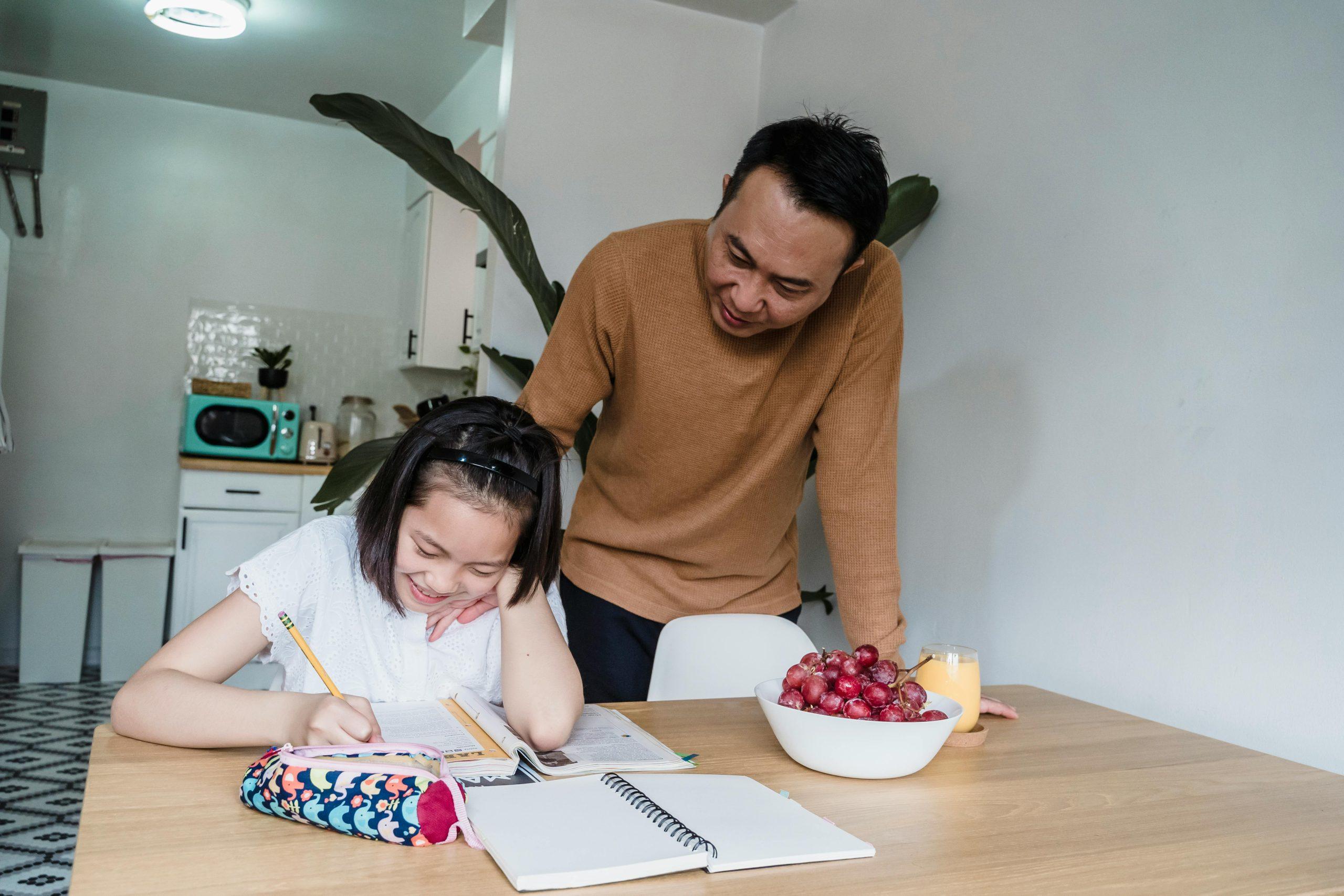
How to Handle One Child Needing More Attention Without Creating More Family Tension
June 8, 2026
0
Every family eventually moves through a season when one child needs more attention than the others. It may happen because of school stress, health needs, behavior challenges, friendship
Every family eventually moves through a season when one child needs more attention than the others. It may happen because of school stress, health needs, behavior challenges, friendship problems, sleep struggles, or a difficult developmental stage. Even when parents understand why one child needs extra support, the family can still feel stretched by it. Siblings may notice the difference. Parents may feel guilty. The child receiving extra attention may still not feel settled, even after getting more time and care.
Family experts often explain that the real challenge is not only giving more attention where it is needed. The harder part is doing it in a way that does not create unnecessary resentment, confusion, or emotional distance elsewhere in the home. With the right approach, families can support one child more intensely for a period of time without making the whole household feel unstable.
Why This Situation Creates So Much Stress for Parents
Parents usually want to be fair, loving, and available to all of their children. When one child clearly needs more, that goal suddenly feels harder to reach. Adults may begin splitting themselves emotionally, worrying that the child in need is still not getting enough while the other children are getting less than they deserve.
Parenting specialists often note that this kind of pressure creates guilt very quickly. A parent may feel pulled between urgency and balance. The family is not necessarily doing anything wrong. It is simply moving through a season where needs are uneven, and that can feel emotionally uncomfortable for everyone involved.
Why Equal Attention Is Not Always the Same as Fair Attention
One of the hardest truths in family life is that fairness and sameness are not always identical. Children do not always need the same kind of attention at the same time. One child may need emotional support after a hard friendship issue. Another may be doing well enough at the moment to need steady warmth, but not intensive help.
Child development experts often explain that families stay healthier when parents think in terms of needs rather than identical time. Fair attention usually means each child gets what is appropriate and meaningful, not that every child receives the exact same number of minutes in every situation.
How Siblings Often Experience the Imbalance
Siblings are quick to notice where adult energy goes. They may not understand the full reason behind the difference, but they usually notice the pattern. One child may quietly feel overlooked. Another may become louder in an attempt to compete for attention. Some children respond by acting extra independent, even when they still need support too.
Family therapists often note that sibling tension rises most when the reason for the attention difference feels invisible or unexplained. Children do not need every detail, but they often handle uneven seasons better when the family atmosphere still feels stable and emotionally clear.
Step 1: Name the Season Honestly Instead of Pretending Nothing Is Different
Families often create more confusion when adults try to act as though everything is equal when it clearly is not. Children usually sense the difference anyway. It often helps to acknowledge, in simple age-appropriate language, that one child needs extra help right now. This does not need to become a dramatic speech. It only needs to make the situation less mysterious.
Experts in family communication often recommend gentle honesty. A child may not need every full detail, but hearing that a sibling is having a hard time and needs extra support can reduce guessing and resentment. Silence often allows children to create harsher explanations than the truth.
Step 2: Protect Small Dependable Moments With the Other Children
When one child needs more attention, parents often assume they must create large make-up experiences for the others. In many homes, smaller dependable moments work better. A short bedtime check-in, one walk after dinner, a car conversation, or a recurring Saturday habit can help another child feel remembered and emotionally held.
Family wellness professionals often explain that predictability matters more than grand gestures. Children usually feel safer when they know that some part of the relationship remains steady, even during an uneven season. A small repeated ritual can protect connection better than an occasional larger effort.
Step 3: Avoid Speaking About the Child in Need as the Center of the Whole Home
When one child needs more attention, family conversation can quietly start revolving around that child’s problems, appointments, moods, and routines. This is understandable, but over time it can make siblings feel as if they are living inside someone else’s crisis. It can also make the child receiving help feel defined only by the difficult season.
Experts often recommend keeping the whole family visible. The child who needs more attention may need extra support, but the family still needs room for ordinary conversation, humor, routines, and attention to everyone else’s interests and experiences too.
Step 4: Give Siblings a Place for Their Feelings Without Making Them Feel Guilty
Children may have mixed feelings when a sibling gets more attention. They might feel understanding one day and frustrated the next. They may love the sibling and still dislike the imbalance. These reactions are not signs of bad character. They are part of living in a family where needs are temporarily uneven.
Parenting experts often note that siblings need emotional permission to feel what they feel. If they sense that any frustration makes them selfish or unkind, they may stop talking honestly. That silence can build resentment. It usually helps when parents allow feelings without allowing cruelty.
Step 5: Separate Urgent Attention From Endless Attention
Some children truly need extra support, but even then, more attention is not always better if it becomes constant and unstructured. Parents can become trapped in a cycle where one child receives continuous emotional monitoring while everyone else fades into the background. This often leaves the household tense and exhausted.
Family therapists often explain that support works best when it has shape. A child may need focused check-ins, predictable support blocks, or calmer transitions, not nonstop emotional spotlight. Structure protects both the child receiving help and the rest of the family.
Step 6: Let Other Adults or Supports Carry Part of the Load When Possible
In many families, one parent tries to hold the entire emotional balance alone. Over time, this can make the situation harder. If another parent, grandparent, relative, teacher, counselor, or trusted adult can support the child in need or spend time with siblings, the household often feels less stretched.
Experts in family systems often note that sharing the support load can keep parents from becoming emotionally narrowed. When one adult is less overwhelmed, the whole family usually benefits. It becomes easier to notice everyone, not only the loudest or most urgent need.
What Often Makes Family Tension Worse in This Situation
Tension often increases when parents overexplain, become defensive about every attention choice, or repeatedly promise balance without creating any visible stability. It can also get worse when siblings are asked to be endlessly understanding but are not given support of their own. In some homes, adults accidentally reward the loudest need so consistently that the whole family starts competing for emotional space.
Experts often recommend watching for patterns, not only emergencies. The goal is not to eliminate unevenness completely. The goal is to stop unevenness from turning into household confusion, bitterness, or emotional chaos.
How Families Usually Settle After a Difficult Season
Most families move through uneven seasons again and again. One child may need more at one time, and another child may need more six months later. What matters most is whether the household learns how to move through these stretches with honesty, steadiness, and enough emotional room for everyone.
Family experts often explain that children do not need perfect balance every day to feel secure. They need a home where changing needs are handled clearly and compassionately. When parents stay calm, keep relationships visible, and protect small moments of connection across the family, children usually come through these seasons with more trust than harm.
Frequently Asked Questions
Q: How can parents handle one child needing more attention without hurting siblings?
A: Parents often help most by explaining the season simply, protecting small dependable moments with other children, and making sure everyone’s feelings still have space in the home.
Q: Is it unfair if one child gets more attention for a while?
A: Not always. Fairness does not always mean identical treatment. Sometimes one child truly needs more support for a period of time, as long as the rest of the family is still emotionally seen.
Q: What if siblings start acting out because of the imbalance?
A: That often means they need more visibility, predictability, and emotional support too. Acting out can be a sign that they are struggling with the change rather than simply misbehaving.
Q: Should parents talk openly about why one child needs more help?
A: Usually yes, but in age-appropriate ways. Children often do better when the situation is named simply instead of left unexplained and emotionally confusing.
Key Takeaway
When one child needs more attention, families usually do best by responding with honesty, structure, and small dependable connection points for everyone else. Uneven needs do not have to damage family trust when the situation is handled clearly and compassionately. Over time, children often accept temporary imbalance more easily when they still feel emotionally visible in the home.