7 Emotional Milestones Children Typically Develop in Early Childhood Years
- April 7, 2026
- 0
How kids deal with feelings, get along with people, and cope with the little things that happen to them each day is hugely affected by the steps they

How kids deal with feelings, get along with people, and cope with the little things that happen to them each day is hugely affected by the steps they
How kids deal with feelings, get along with people, and cope with the little things that happen to them each day is hugely affected by the steps they take with their emotions while very young. These emotional steps aren’t all reached at the same time. Instead, they slowly improve as a result of what happens to them every day, how they connect with others, and with help from their family.
Those who study how children grow up say emotional development is very strongly tied to learning about being with others and communicating. The years of early childhood are the basis for how children will handle emotions, how they’ll react to other people, and how they’ll adjust to being in new circumstances.
When children are developing emotionally, they start to understand what they’re feeling, and also how other people are feeling. Knowing about feelings is what lets us be sympathetic, work with others, and talk to each other. If kids don’t have these abilities, they’ll likely struggle with being annoyed or upset, and with making friends.
Those who study how young children grow up frequently point out that the emotional steps children take in their early years affect how well they’ll do in school and the ways they generally act throughout their lives.
Kids start to figure out what happiness, sadness, anger, and fear are pretty early on. They show this at first with quite basic looks and responses. Experts in child development say children get to know what emotions are by watching the people who look after them and by being with them.
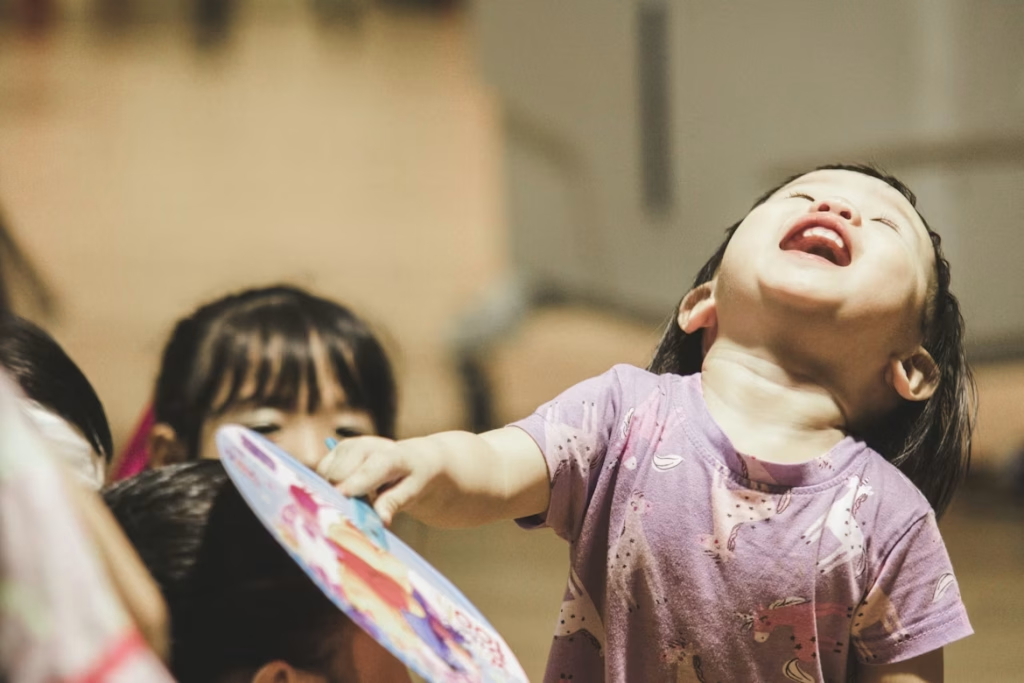
Kids get better at telling you how they feel as they get older, either by saying what the emotion is or by how they’re acting. In fact, people who know about how kids talk and grow up usually say that the better a child’s language is, the better they are at getting their feelings across.
Credit: Aaron Lee / Unsplash
Being able to understand what someone else is feeling and then do something about it, that’s empathy. Young children might start by trying to make someone feel better, or by showing they’ve picked up on someone’s emotional signals. Psychologists who specialize in children consider empathy hugely important for how kids grow socially and for them having good relationships.
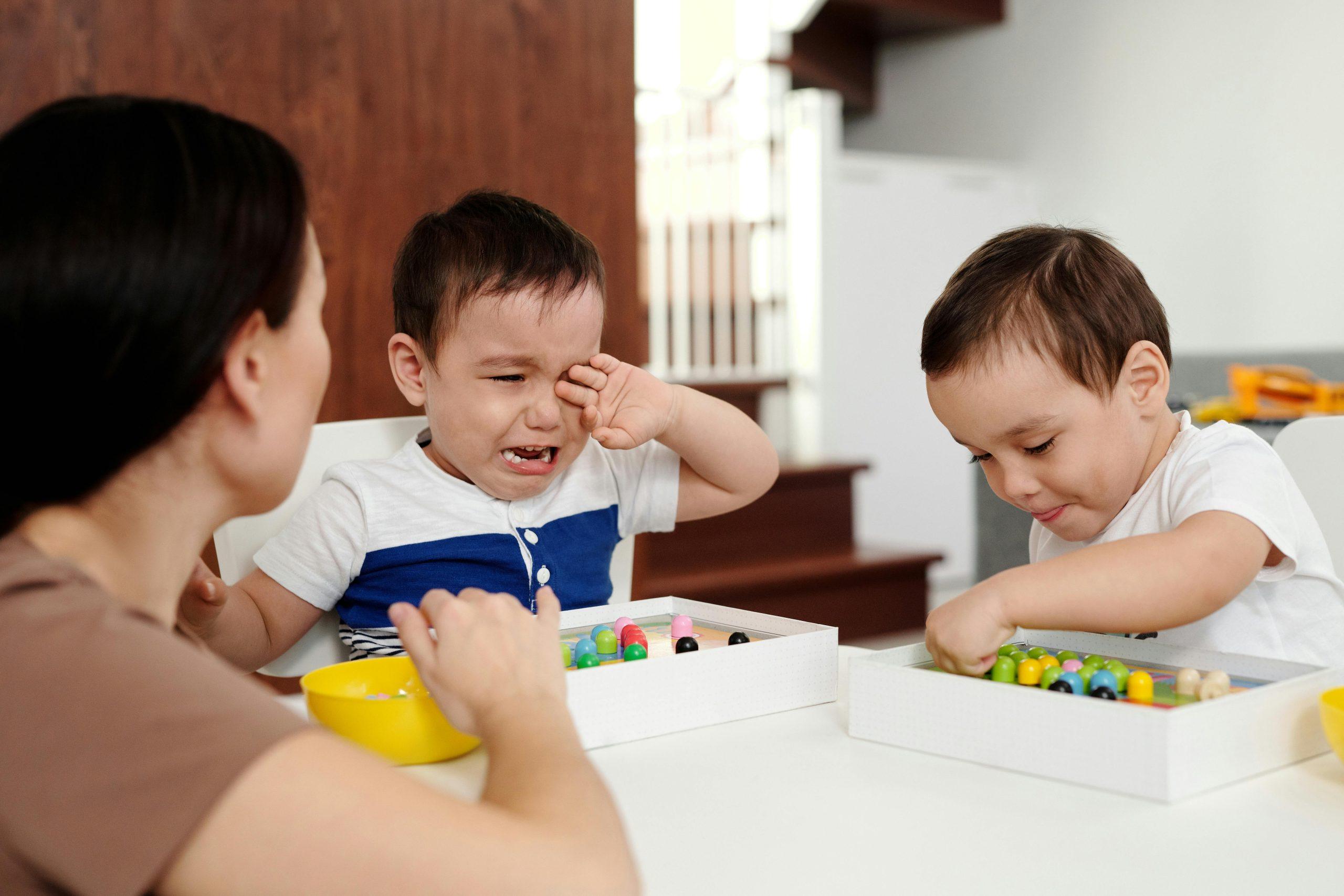
It takes kids a while to get better at dealing with being frustrated. They’ll probably get very upset at first, but with a little help and doing it over and over, they’ll start to relax.
Those who are experts in behavior say that being able to stop, hold on a minute, or have another go actually helps children manage their feelings as they grow.
As kids grow emotionally, they start to get what rules are and where the limits lie. They learn what’s okay to do, and they’ll then do what you tell them (or at least, react to being told!). Most professionals who study children say that when boundaries are kept steady, children feel safer and it helps them with their emotional development.
When kids manage to do easy things by themselves, they usually start to feel more sure of themselves. That feeling of being able to do things on their own really helps them to be emotionally balanced.
Teachers of young children frequently point out that achieving little things makes a child more inclined to attempt different or challenging activities; it builds their courage to experiment, to take risks, to be adventurous.
Credit: Chris Benson / Unsplash
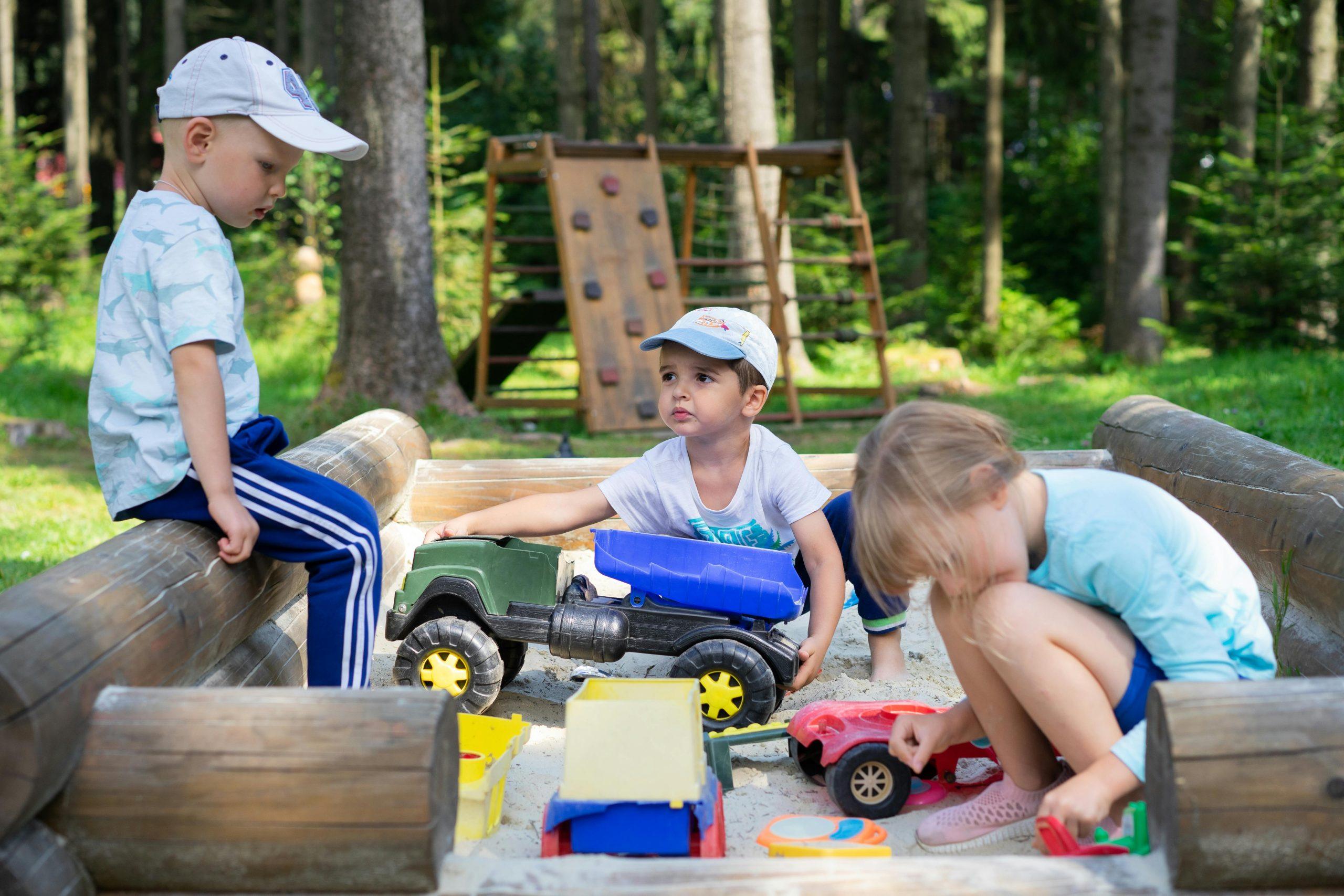
When kids are little, they start to make easy friendships. Sharing, working together, and talking to each other all get a boost from these friendships.
And as people who study how kids grow and become social explain it, these first friendships are how children get to try out understanding feelings as things are happening.
Kids grow emotionally a lot through what happens every day. Just chatting about how they’re feeling, showing them how you stay calm, and being reliable in how you react will help them get a handle on what their emotions are.
What the people who know about these things (psychologists, therapists etc) suggest most of the time is that you say you understand how someone feels, but at the same time show them what they should do. It makes a child feel like you ‘get’ them and also teaches them the right way to deal with things.
Q: What are emotional milestones in children?
A: Emotional milestones children reach are stages where they learn to recognize, express, and manage emotions.
Q: Why are emotional milestones important?
A: Emotional milestones support social skills, communication, and the ability to manage everyday challenges.
Q: At what age do children develop empathy?
A: Early signs of empathy often appear in early childhood as children begin to notice and respond to others’ feelings.
Q: How can parents support emotional development?
A: Parents can support emotional development by modeling calm behavior, talking about feelings, and providing consistent guidance.
How young children learn to manage and understand their feelings, get along with others, and deal with difficult situations is all tied to emotional steps in their development. Daily life, the help they’re given, and what they go through are what these steps are formed by. And when we nurture how children are developing emotionally, they become more self-assured and have better ways of interacting with people. Actually, these emotional steps are essential for children to grow up in a healthy way.