Why Children Stop Talking About School and How Families Can Respond
- April 18, 2026
- 0
Many parents notice that children gradually stop sharing details about school, even though it takes up a large part of their day. A child who once talked freely

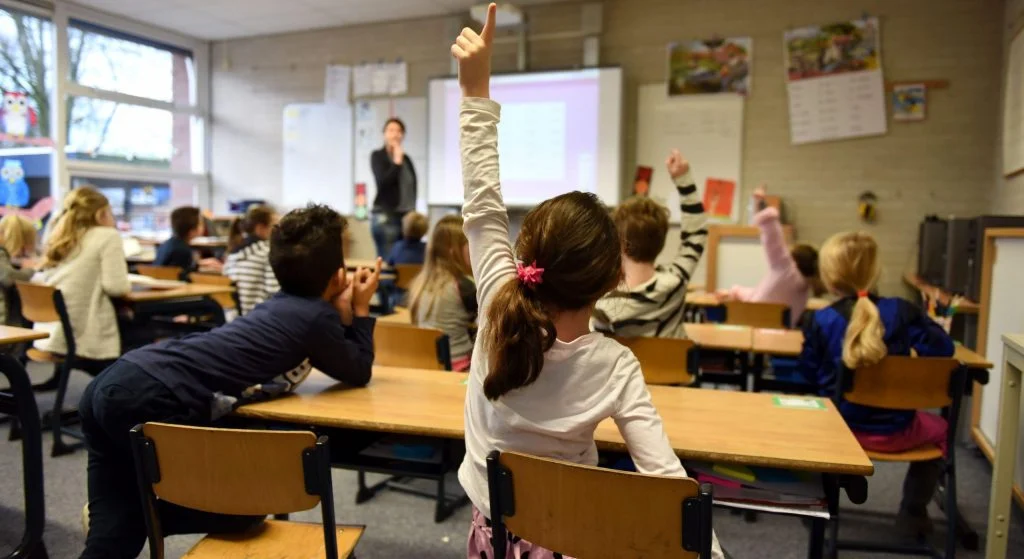
Many parents notice that children gradually stop sharing details about school, even though it takes up a large part of their day. A child who once talked freely

Many parents notice that children gradually stop sharing details about school, even though it takes up a large part of their day. A child who once talked freely may begin responding with “fine” or “nothing,” which can feel confusing when parents are trying to stay connected.
Family experts often explain that when children stop talking about school, it doesn’t necessarily mean something is wrong. Often, the child is simply tired, still processing the day, or unsure how to put their experiences into words. Understanding this shift can help parents respond in ways that keep communication open instead of adding pressure.
A school day requires children to manage many things at once listening, following routines, interacting with peers, responding to adults, and moving through multiple transitions. By the time they get home, some children have very little energy left for conversation.
Child development specialists often note that the issue is usually about timing, not unwillingness. A child may not be avoiding connection they may just need time before they can talk clearly about their day.
Many children use a great deal of mental and emotional energy at school. Even those who enjoy it can come home feeling drained. When adults begin asking several questions right away, it can feel like more pressure rather than support.
Family therapists often suggest recognizing how full the child may already feel. A short period of quiet, a snack, or a calm routine can help children settle, making it easier for them to open up later.
Sometimes children don’t respond because the question itself feels too big. Asking “How was school?” requires them to summarize a long and complex day, which can be difficult.
Experts in after-school communication often recommend asking smaller, more specific questions. Children may find it easier to answer about a single moment—like recess, lunch, a class activity, or something funny—rather than trying to describe the whole day at once.
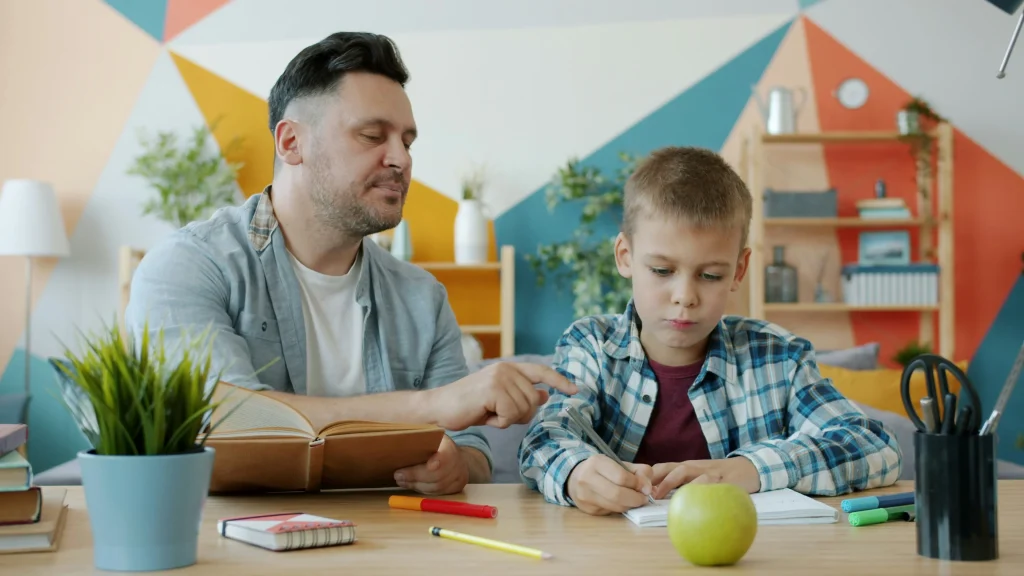
Credit: Vitaly Gariev / Unsplash
Children are more likely to talk when they feel emotionally safe. If conversations about school often turn into correction, long advice, or visible worry, some children begin to hold back. Saying very little can feel easier than opening the door to a bigger discussion than they want.
Family communication experts often note that emotional safety grows when adults focus on listening first and reacting calmly. When children expect to be heard without immediate pressure, they’re usually more willing to keep sharing over time.
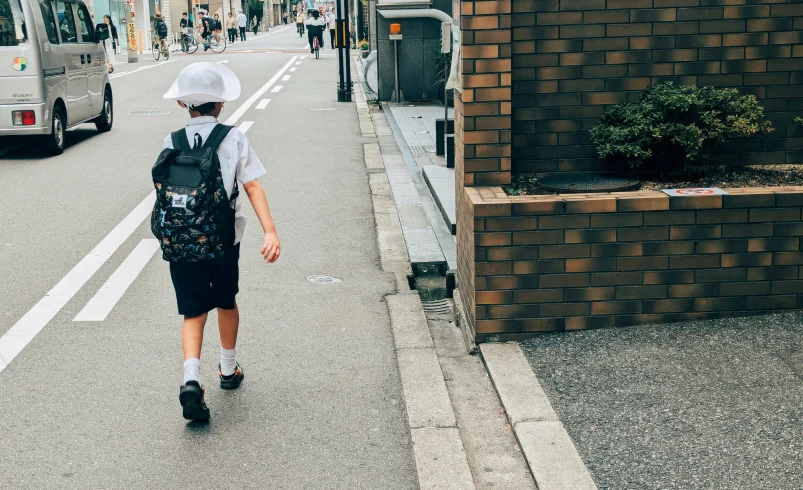
Not every child opens up best in direct, face-to-face conversation. Some children talk more easily while walking, drawing, helping in the kitchen, or getting ready for bed. Side-by-side interaction often feels less intense and more natural.
Experts in parent–child relationships often explain that children may speak more freely when their attention is partly on another activity. This shared focus lowers pressure and makes conversation feel easier to manage.
Families often see better results by adjusting how and when they ask, rather than pushing harder for answers. This might mean asking fewer questions right away, choosing a calmer moment, or using one simple prompt instead of several. When children feel less pressured, they often have more space to respond.
Family experts often recommend focusing on connection first. A warm greeting, a snack, or a quiet transition after school can help children settle before any conversation begins. The goal isn’t to extract information it’s to keep communication open.
Specific questions tend to work better than broad ones. Instead of asking about the whole day, families might ask who the child sat with, what they read, what happened at recess, or whether anything felt easy or challenging. Smaller questions make it easier for children to start talking.
Child development professionals often explain that clear, focused questions help children find a starting point. Once they share one detail, the conversation often becomes easier to continue.
It’s normal for children to go through phases where they share less, but patterns are important. If a child suddenly becomes withdrawn, shows signs of distress, or has noticeable changes in mood, sleep, or behavior alongside avoiding school conversations, it may be worth looking more closely.
Experts often encourage staying observant without assuming the worst. When children stop talking about school, a calm, steady approach—combined with gentle follow-up over time—usually supports better understanding and connection.

Credit: Vitaly Gariev / Unsplash
Q: Why do children stop talking about school?
A: Children stop talking about school for many reasons, including fatigue, overload, broad questions, or the need for more emotional space before sharing.
Q: Should parents keep asking if a child says nothing happened?
A: Many experts recommend reducing pressure, asking more specific questions later, and focusing on calm connection instead of repeated immediate questioning.
Q: What are better questions to ask after school?
A: Better questions often focus on one small part of the day, such as recess, lunch, reading time, or one easy and one hard moment.
Q: Is it a problem if a child does not talk much about school?
A: Not always. Some children naturally share less, but families may want to look more closely if the quietness comes with distress or sudden behavior changes.