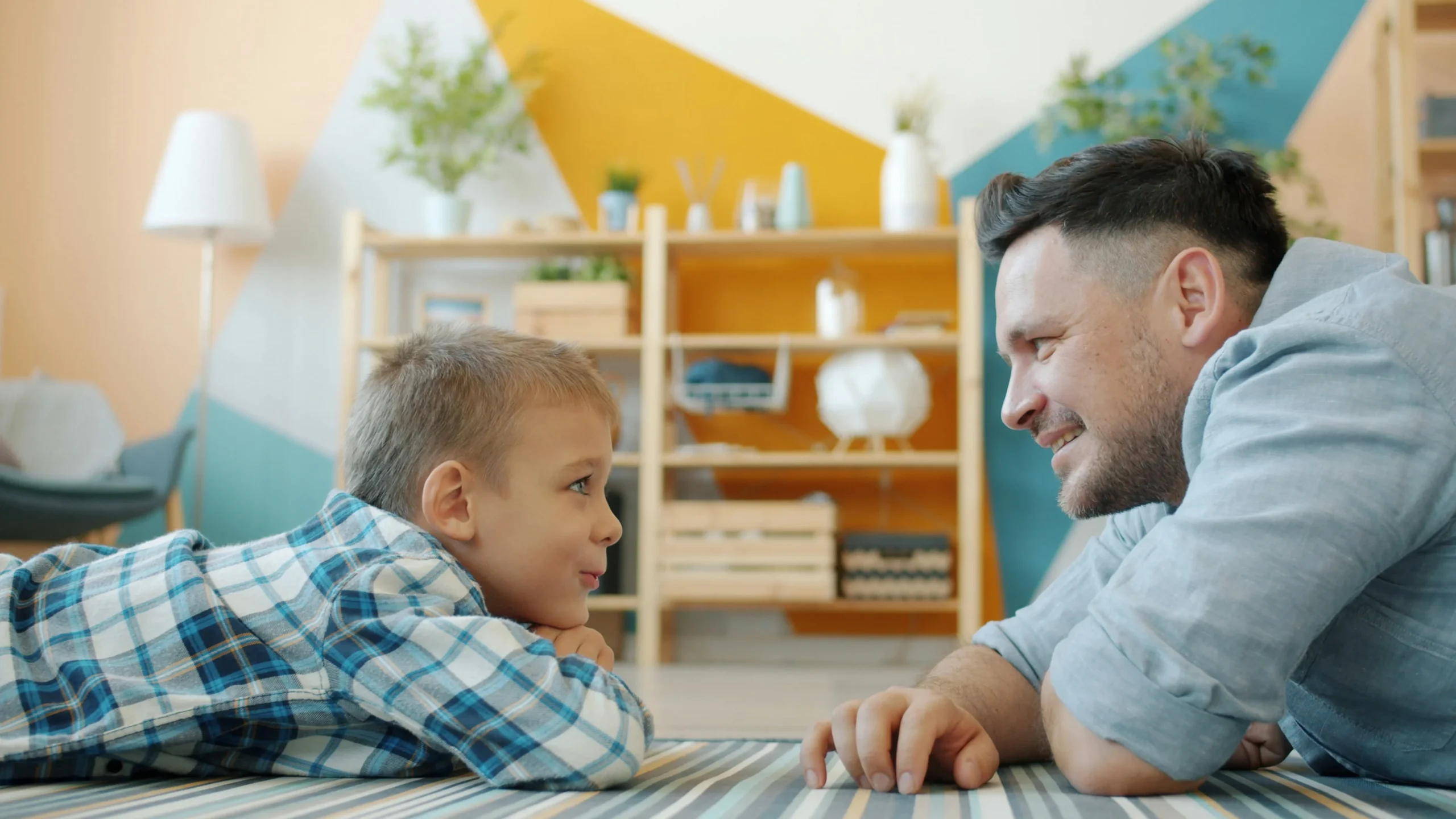
“Preschool development tips” are essential for supporting your child’s growth during these crucial years. Just talking clearly isn’t enough for a family to communicate well—it’s also about how thoroughly everyone listens to each other. Preschoolers are rapidly developing in areas like emotional control, language, and independence. By understanding the changes they go through, you can provide better support as they navigate these important milestones. The following preschool development tips will help you guide your child through these key developments.
When kids are in preschool, their way of thinking, talking, playing and dealing with each other and everyday things shifts dramatically. Parents frequently find a child who previously required a lot of help with nearly everything is now looking for to do things on their own, has much firmer ideas about what they want and needs a hand in how the day unfolds. These developments are stimulating at times, and totally draining at others.
Experts in how children grow say that preschool is a period of very quick progress in emotional control, how they relate to people, and their use of language. They’re figuring out how to be with bigger emotions, build relationships, and grasp a lot more about everything around them. If parents have a good understanding of what’s going on at this stage, they’ll be more comfortable and less puzzled in their reactions to their child.
Why the preschool years feel so different from toddlerhood
Preschool years just feel different as kids start finding more words, being more imaginative and understanding more about how they fit in with others. They’re typically more able to say what they’d like, but with that comes more arguments, more saying ‘no’, and more of them checking to see how far they can push boundaries. This isn’t necessarily a problem. In fact, it’s frequently a result of their increasing desire to do things for themselves.
Parents during this time, family therapists say, often feel as though they are dealing with two different children at once. A preschooler might do wonderfully on one occasion, yet at another need lots of help and reassurance. This is pretty typical of how children grow at their own pace.
1. Stronger opinions and more independence in daily routines
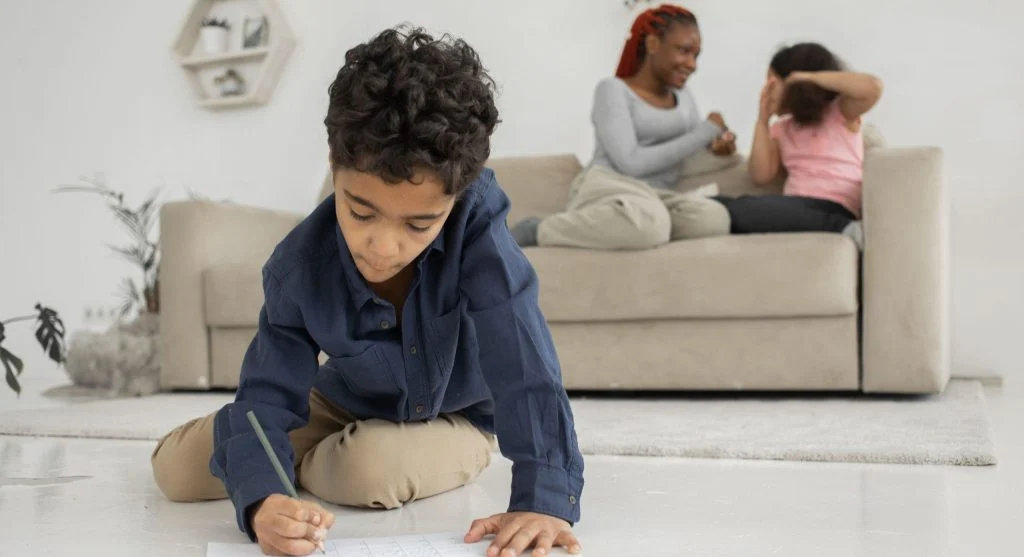
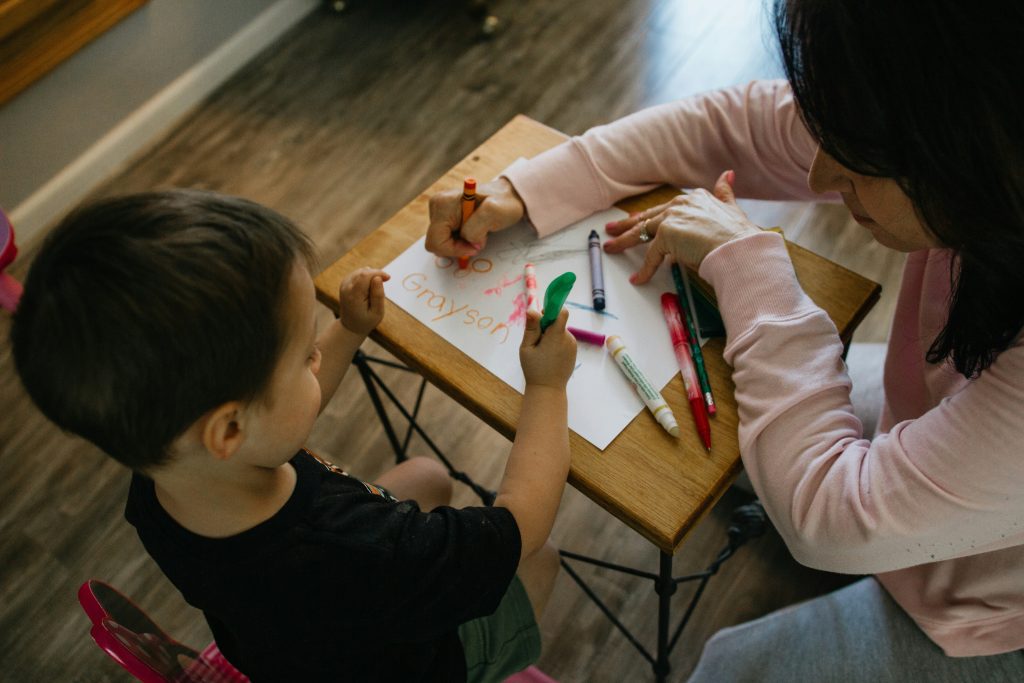
When kids are in preschool, a very common thing parents see is their child wanting to be more of a self-starter. They’ll likely want to get their clothes on by themselves, select their food, choose which book to read, or even tell you the way they want to do something. This doing-it-myself attitude is good for their confidence, though it can make things take longer.
Parenting specialists with a focus on preschoolers say that being independent comes from getting a lot of opportunities to be independent. Little ones do well when adults let them decide about small things, but within limits you’ve already set. It’s a way of lessening disagreements and arguments and also making sure there’s still a sensible order to things.
2. Bigger feelings and more visible preschool behavior
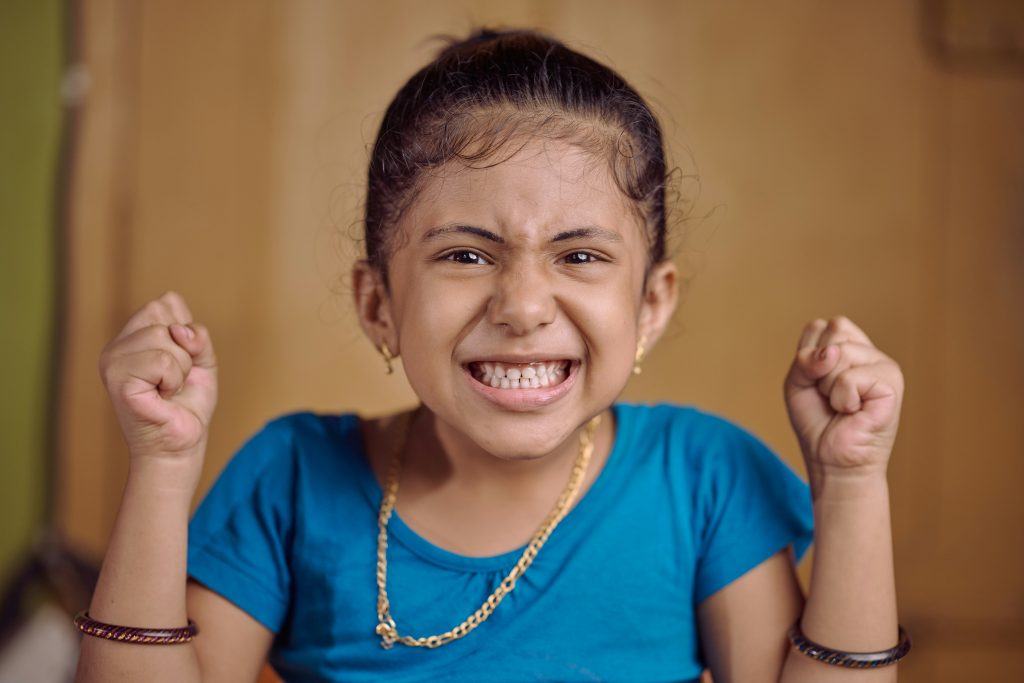
Little kids really feel things intensely and those feelings show quickly. You might find excitement, anger, embarrassment, disappointment, or fear popping up almost out of nowhere. They are still learning to calm down (and their words aren’t quite keeping up with their feelings!) so when they do feel something, it’s a big deal.
Experts in how children behave say things like being tired, being hungry, having too much going on, or when what’s expected of them is different all have a hand in what preschoolers do. When they have a big emotional reaction, it’s not necessarily because of bad parenting. So many of those times it just shows they’re at the age where they’re building their ability to manage their emotions.

Credit: Jithin Murali / Unsplash
3. Rapid language growth and more complex questions
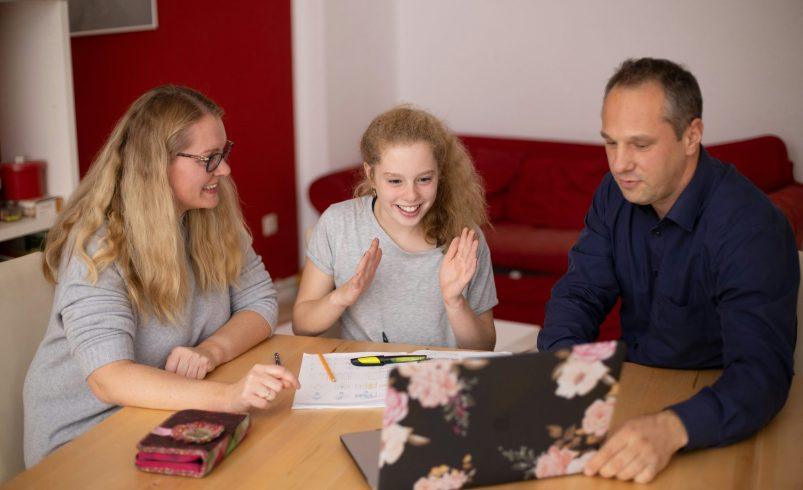
Preschoolers generally find their voices in a big way. They start quizzing people more, crafting increasingly lengthy narratives, and employing language to work things out, to give reasons for things, or even just to put something off. It’s common for parents to get asked the very same question over and over in a single day, and typically the child’s questions become more and more thorough.
The way speech and early learning professionals see it, these repetitive questions actually help a child’s comprehension. Kids aren’t just using language to get information, but to try out their concepts and understand what happens during their normal activities. This is a really significant piece of preschool learning.
4. Pretend play becomes more detailed and imaginative
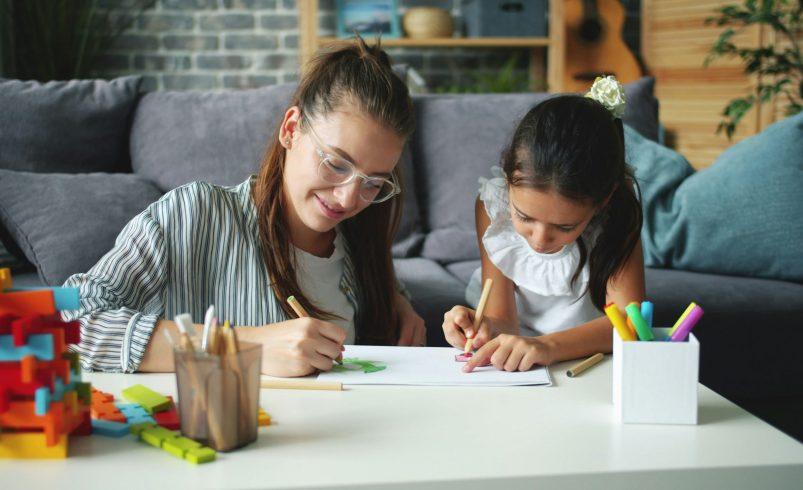
At this age, children’s make-believe games get much bigger. They’ll make up entire stories to go with their toys, a blanket suddenly becomes a cave, and they’ll give out parts for everyone in the family to play during the game. These things don’t look like much, but they build language skills, help kids adapt to change, and let them show their feelings.
Early childhood experts say using imagination to play allows kids to safely work through things that happen in the actual world. Importantly, it can show you what’s on a child’s mind, what they’re anxious about, or what they are figuring out.
5. Social awareness starts shaping behavior more strongly
When children are in preschool, they start paying much closer attention to how people react to them. They’ll often look for compliments, be very aware of whether things are just between siblings, friends, or at school, and get upset if they aren’t included. Being with friends and doing things in groups are more important to them at this time.
Because they’re now more aware of what others are doing and thinking, children usually become more empathetic. However, this awareness can also make them more emotional. They might start to size each other up, try to be the best at something, or be concerned with what others think of them, perhaps more than they were previously.
6. Transitions may become easier in some ways and harder in others
Lots of parents think that by the time their child is in preschool, all changes will go a lot more easily. But that isn’t what happens; some shifts do get easier, yet others get harder. A preschooler might quickly do things like very basic daily steps, but if they are really into something or have strong feelings about it, they will strongly dislike being told to do something else.
Experts in family schedules say children at this age do best with being told ahead of time about what’s coming, hearing the same thing over and over, and things happening in the same order. Even so, it’s still very normal for changes to be difficult because being able to concentrate and control themselves is still something they’re learning.
Credit: Gabe Pierce / Unsplash
7. Sleep, food, and routine needs may shift during the preschool years
Toddlers and preschoolers are frequently in flux with what they need for naps, going to bed, food, and how much they run around. A child might give up napping, and then get really sleepy later in the day. They could get picky about what they eat, or be much more aware of if their usual schedule gets broken.
Those who help families be healthy say that what a child needs in their routine can change very rapidly at this age. Something that was perfect half a year ago may all of a sudden require some changing. That’s precisely why it’s so important to pay attention to what’s happening with your preschooler and be willing to go with the flow.
8. Confidence grows through repeated daily success
Young children usually get more self-assured by doing little things over and over. Things like getting their shoes on, being involved in laying out the plates and cutlery, tidying up their playthings, and having a turn to talk when everyone is together can all help them feel they can do things. These are important because they demonstrate to kids that when you actually try, you improve.
Teachers of young children will say that confidence develops most successfully if an adult is there to help, but isn’t overly directing. Preschoolers learn a lot from being allowed to have a go, to get it wrong, and then have another attempt, all within boundaries where they feel safe.
How parents can support growth during the preschool years
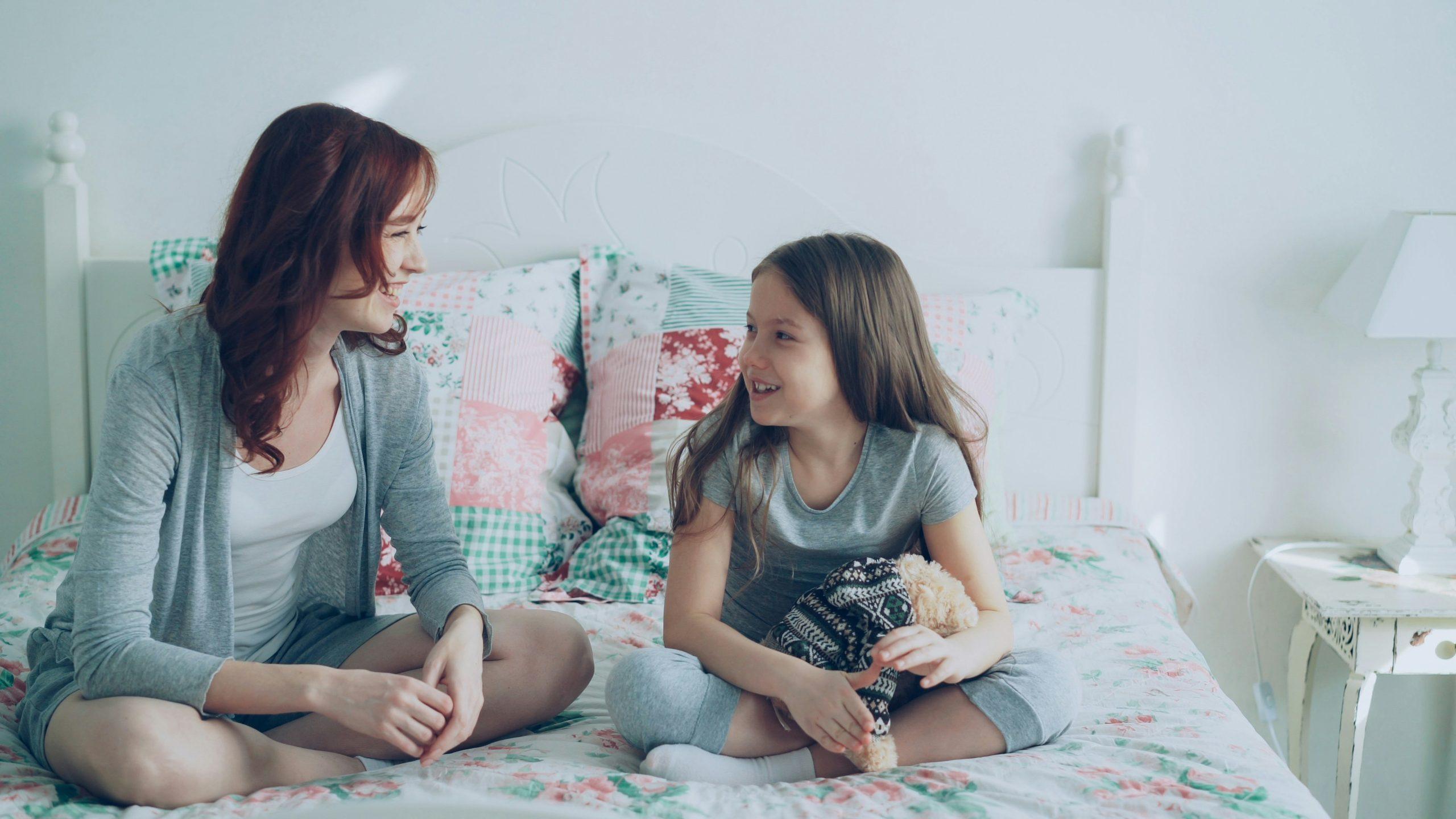
The best way for moms and dads to help at this age is to stick to a normal schedule, give small options, be relaxed when things are tricky, and not expect too much. Preschoolers as a rule require both to be able to do their own thing, and to know where the limits are. Finding that middle ground makes them feel safe as they learn to do things.
Parenting advisors for this age group generally suggest you look at the way things usually happen, instead of dealing with each problem as if it has nothing to do with anything else. Perhaps your child needs to sleep more, could do with more help changing from one activity to the next, or would benefit from being allowed to do things on their own more. Usually, when you look at the whole day, you’ll understand what’s going on far better than if you only think about what they’re doing at that exact second.
Frequently Asked Questions
Q: What age are the preschool years?
A: The preschool years usually refer to the period before formal school begins, often around ages 3 to 5, though the range can vary.
Q: Why does preschool behavior change so quickly?
A: Preschool behavior can change quickly because children are developing language, emotional control, social awareness, and independence at the same time.
Q: Are strong emotions normal during the preschool years?
A: Yes, strong emotions are common during the preschool years because children are still learning how to identify and manage feelings.
Q: How can parents support preschool development at home?
A: Parents can support preschool development through routines, simple choices, play, calm communication, and repeated opportunities for independence.
Key Takeaway
As kids go through preschool, they change a lot in how much they do for themselves, how they talk, their feelings, the games they play, and how they understand other people. These developments understandably make family life at the same time more stimulating and harder. Most of the time, moms and dads do best when they stick to predictable schedules, let their children pick from a few easy options, and give them a peaceful helping hand. Knowing what to anticipate during these preschool years will probably make you feel like you can understand and deal with what happens each day more easily.