Self-management skills help children move through daily life with more confidence, steadier behavior, and growing independence. These skills often begin at home through repeated routines—getting dressed, packing a bag, putting things away, or finishing one task before starting another. What may seem like small, everyday habits are often the foundation for long-term development.
Child development experts often explain that self-management doesn’t appear all at once. It builds gradually through repeated experiences where children learn to remember steps, manage emotions, follow routines, and recover from small setbacks. Home life offers many of the earliest and most consistent opportunities to practice these skills.
Why self-management skills matter in child development
Children use self-management skills whenever they pause, follow a sequence, adjust their behavior, or stay with a task until it’s done. These abilities affect more than cooperation at home—they also support school readiness, friendships, confidence, and emotional regulation.
Researchers often note that early self-management skills help children handle repeated demands more successfully over time. A child who learns to pause, check a routine, and complete a task at home is more likely to carry those habits into other parts of life.
1. Remembering the next step in a daily routine
One of the earliest self-management skills is learning what comes next. This shows up in routines like getting ready in the morning, cleaning up, or transitioning after school. When a child begins moving from one step to another with fewer reminders, they’re developing both memory and an understanding of sequence.
Family routine specialists often explain that consistency supports this skill. When routines happen in the same order regularly, children start to anticipate and remember the next step more easily.
2. Waiting briefly before getting what they want
Waiting is a key self-management skill because it builds patience and flexibility. Children practice this when they wait for a snack, their turn, help with something, or the next activity in the day. These moments may seem small, but they teach that not everything happens immediately.
Child behavior professionals often note that waiting becomes easier with practice. Clear expectations and consistent structure help children understand what they’re waiting for and how long it will take.
3. Recovering after a small mistake or frustration
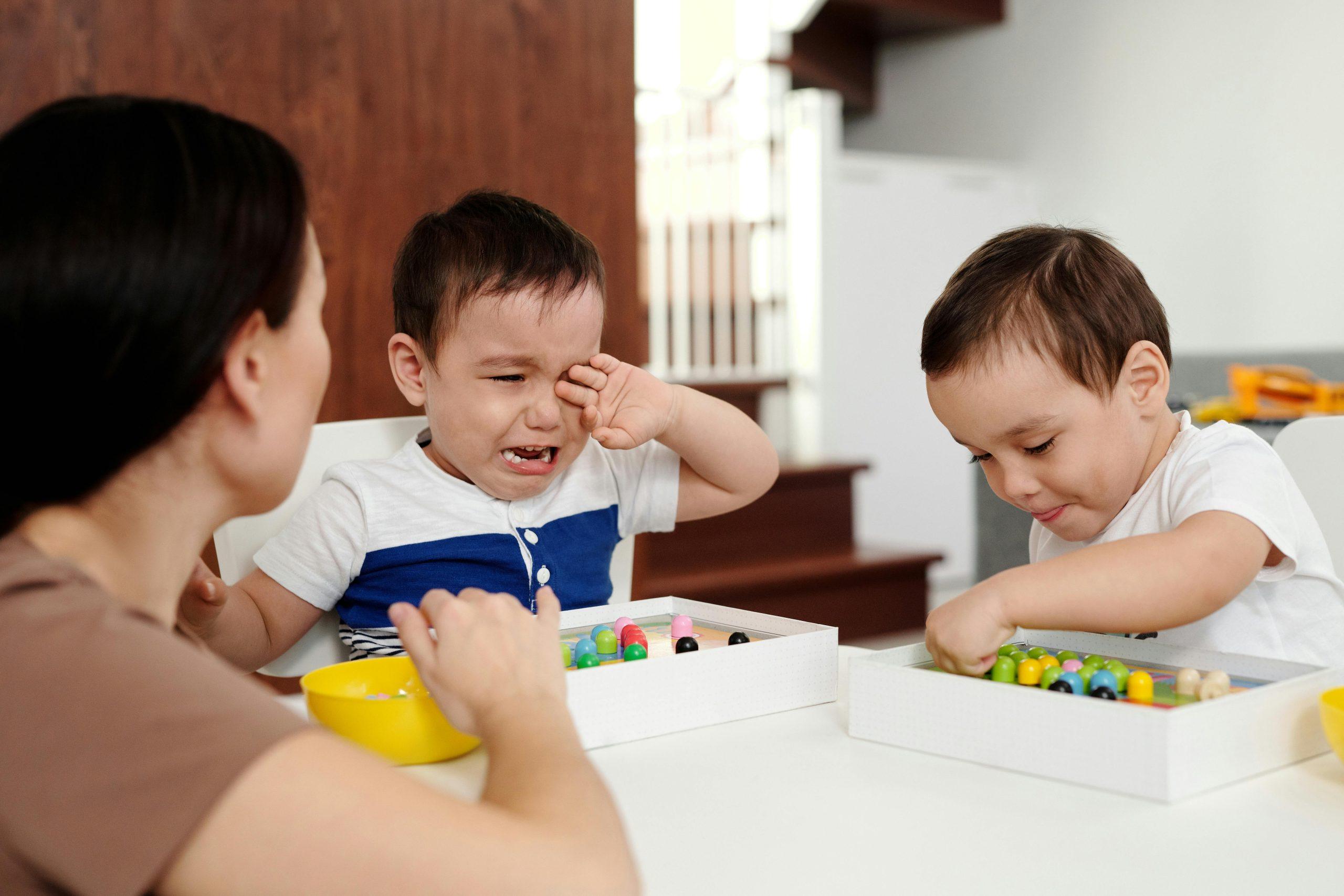
Mistakes are part of everyday life, and children build self-management when they learn to move past them. Whether it’s spilling something, forgetting a step, or losing a game, the ability to recover and continue is an important skill.
Experts in emotional regulation often explain that recovery doesn’t mean avoiding frustration. Children still feel upset, but over time they learn that those feelings don’t have to stop everything else from continuing.

Credit: Courtney Kirkland / Unsplash
4. Starting a task without long delay
Task initiation is another key self-management skill children often build at home. It involves beginning something that needs to be done, even when it’s not the most exciting part of the day. Putting on shoes, tidying up toys, or starting homework after a break all rely on this ability.
Child learning experts often explain that getting started is one of the hardest steps for children. Clear routines and smaller first steps can make it feel more manageable and help children begin with less resistance.
5. Keeping track of personal items in daily routines
Children also develop self-management by taking care of their belongings. Placing shoes in the same spot, returning a water bottle to the kitchen, or hanging a backpack in a designated place are all examples of this habit in action. These routines reduce stress at home and build a sense of responsibility.
Home organization specialists often note that children are more successful when the environment supports them. Having clear, consistent places for everyday items makes it easier to follow through.
6. Shifting from one activity to another with less resistance
Transitions can be challenging because they require stopping one activity and starting another. Still, children build self-management as they learn to move through these shifts with less resistance over time. Daily routines like getting ready in the morning, cleaning up, or preparing for bed all provide practice.
Family therapists often explain that smoother transitions come from repeated structure, gentle reminders, and practice—not from pressure alone. Children usually need many chances to learn how to change activities calmly.
7. Following through on a small responsibility
Simple responsibilities—like feeding a pet, putting clothes in the hamper, clearing a plate, or checking a school folder—help children practice follow-through. These tasks show that a job has a beginning, a middle, and an end.
Child development professionals often note that follow-through improves when responsibilities are small enough for children to succeed regularly. Repeated success helps children see themselves as capable and reliable, which strengthens the habit over time.

Credit: Vitaly Gariev / Unsplash
8. Adjusting behavior to fit the moment
Children build self-management skills when they learn that different situations call for different kinds of behavior. Quiet listening may be expected during story time, while active movement fits outdoor play. Waiting might be part of a shared activity, while cleaning up comes at the end. Learning this flexibility helps children participate more smoothly at home and in school.
Child behavior experts often note that this skill doesn’t develop from a single explanation. It grows through repeated experiences, where routines stay consistent and adults respond in predictable ways.
How daily home routines help self-management skills grow over time
Daily routines support self-management because they give children repeated chances to practice the same skills in a familiar setting. Instead of figuring out something new each day, children learn how to manage within a structure they recognize.
Family wellness professionals often emphasize that repetition matters more than perfection. Progress usually happens gradually, with adults still guiding along the way. Small improvements in everyday routines often signal that self-management skills are developing, even if the change feels slow at first.
Frequently Asked Questions
Q: What are self-management skills in children?
A: Self-management skills are the habits children use to remember steps, wait, handle frustration, follow routines, and manage their behavior in daily situations.
Q: How do children build self-management skills at home?
A: Children build self-management skills at home through repeated routines, small responsibilities, transitions, and support with everyday tasks.
Q: Why do self-management skills matter so much?
A: Self-management skills matter because they support independence, school readiness, emotional regulation, and more confident participation in daily life.
Q: Can routines really improve self-management skills?
A: Yes, routines often improve self-management skills because they give children repeated chances to practice the same habits in a predictable setting.
Key Takeaway
Self-management skills often develop through everyday home routines that teach children how to remember steps, handle frustration, move between tasks, and follow through on small responsibilities. These habits support child development in ways that carry into both home life and future school success. Children usually build these skills gradually through repetition and steady guidance. Over time, simple routines can strengthen independence, confidence, and emotional balance.
INTERNAL LINKING SUGGESTIONS
- How Children Build Confidence Through Small Daily Responsibilities at Home
- Why Frustration Tolerance Matters in Early Childhood Development
- How to Help Children Pack School Bags More Independently Each Day