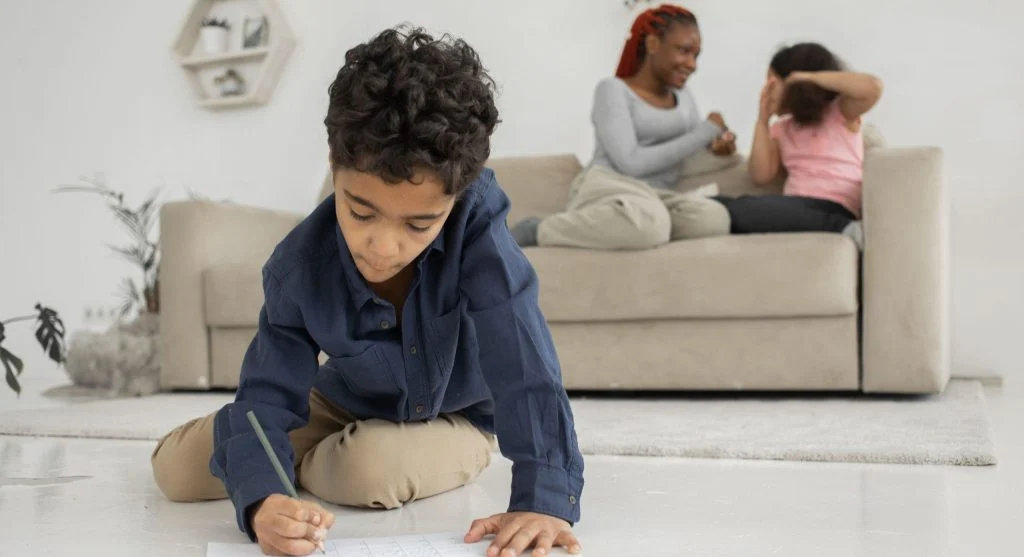
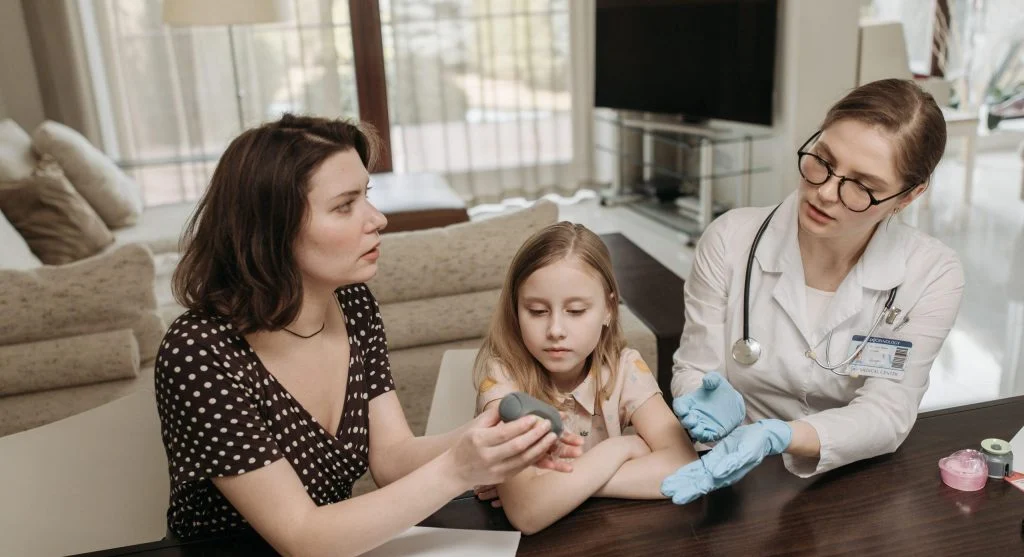
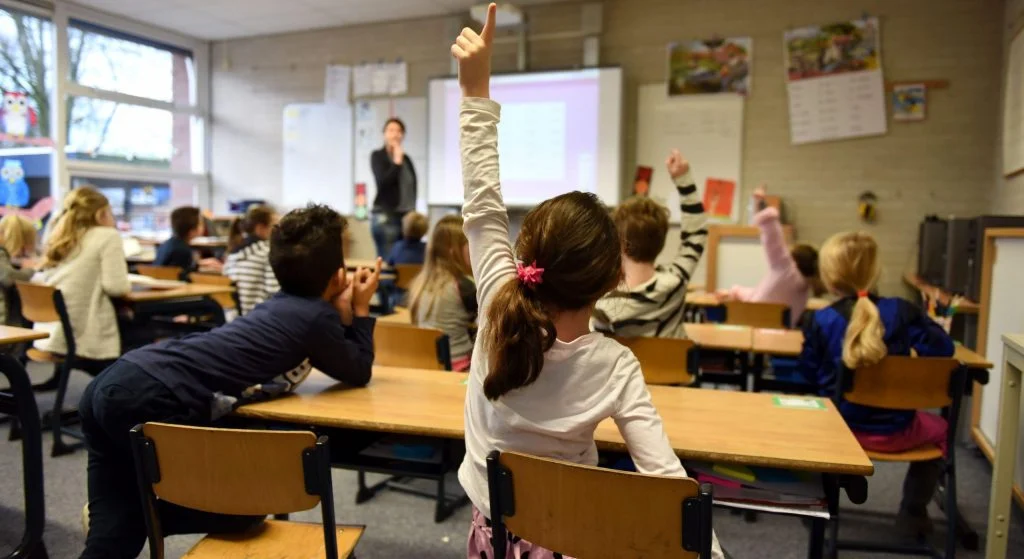
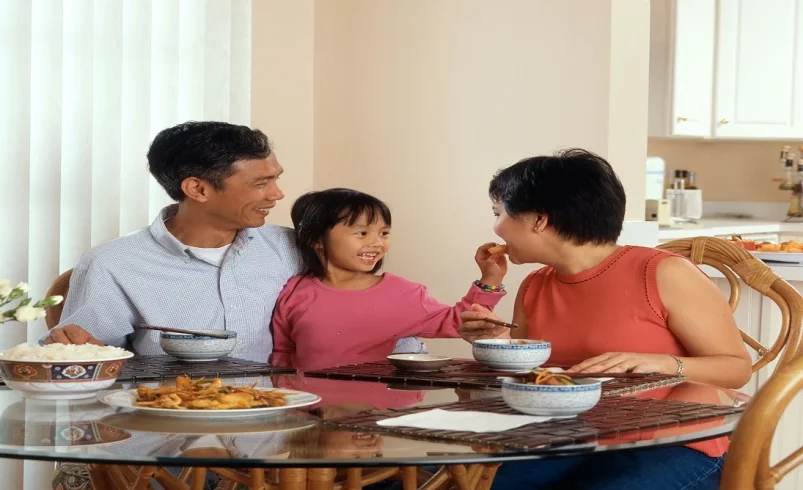
Respectful talk can be difficult for children during stressful moments in family life. When a child is tired, embarrassed, frustrated, or disappointed, they may respond with a sharp tone, interrupt, yell, or sound rude. These situations often come up during busy mornings, homework time, sibling disagreements, cleanup, and bedtime times when emotions are already running high.
Family therapists often explain that respectful communication is not developed simply by telling children to “be respectful.” It usually grows through consistent modeling, good timing, repetition, and calm limits. Children often need guidance on what respectful talk sounds like when they are upset, not just when they are calm. A steady, balanced approach can strengthen family communication without turning every difficult moment into a power struggle.
Why respectful talk often breaks down during stress
Children tend to speak less carefully when their emotional regulation is already strained. Stressful moments can reduce patience and make it harder to pause before speaking. A child may understand the expected tone but still struggle to use it when they feel overwhelmed or disappointed.
Child development specialists often note that stress affects both listening and self-control at the same time. This helps explain why respectful talk can quickly fall apart during conflict. In these moments, children are not always choosing their words thoughtfully they are often reacting before they have a chance to think clearly.
How family communication shapes respectful talk over time
Children learn how to speak respectfully by hearing it regularly. Adults set the example during rushed mornings, disagreements, and everyday corrections. If sharp tones, interruptions, or visible frustration are common in the household, children often adopt the same style—even when they are told to behave differently.
Experts in healthy family relationships often explain that respectful communication develops more easily when adults protect their tone during everyday interactions. Calm corrections, clear and simple language, and listening without immediate escalation help children understand what respectful talk looks like in real situations.
Step 1: Correct the tone without ignoring the feeling
Children usually respond better when adults separate the emotion from how it is expressed. A child may feel angry, but still need to adjust their tone. A helpful response might sound like, “I understand why you’re upset, but that tone isn’t okay,” rather than treating the entire situation as simple disrespect.
Family communication experts often note that respectful talk becomes easier to teach when emotions are acknowledged first. Children are often more willing to adjust their tone once they feel understood.
Step 2: Keep the adult response shorter during tense moments
Long explanations can make tense situations worse. A child who is already using a rude tone is usually not in a place to absorb detailed reasoning. Short, calm responses tend to support respectful communication more effectively than long, emotional reactions. A simple phrase like “Try that again respectfully” gives clearer direction than a frustrated lecture.
Professionals who study parent-child trust often explain that brief language reduces emotional pressure. It keeps the correction focused and gives the child a better chance to recover without becoming more defensive.
Step 3: Teach respectful talk outside the conflict
Many families try to teach communication only after something has already gone wrong, which can make learning more difficult. Children often benefit from practicing respectful talk during calm moments as well. Adults can model how to disagree, ask for help, or express frustration with a better tone during everyday conversations.
Family therapists often suggest using simple phrases like “I am upset,” “I need help,” or “I do not like that.” Children are more likely to use these during conflict if they have already heard and practiced them when they are calm.
Step 4: Ask for a do-over instead of only punishing the mistake
A do-over gives children a chance to practice the exact behavior adults want to see. If a child speaks rudely, the adult can pause and ask them to say it again in a calmer tone. This keeps the focus on learning respectful communication instead of just stopping the behavior.
Child behavior experts often explain that do-overs work because they teach what to do instead. Children tend to improve faster when they are shown the right way, rather than only being told what not to do.
Step 5: Notice the situations that make respectful talk harder
Patterns often matter more than individual moments. Some children struggle more with respectful talk during homework, sibling conflict, hunger, bedtime, or rushed mornings. When adults recognize these patterns, they can adjust routines instead of reacting as though each moment is unexpected.
Family wellness professionals often note that respectful communication improves when children have enough support during more stressful parts of the day. A snack, a transition warning, a short break, or a simpler instruction can reduce the pressure that leads to a rude tone.
Step 6: Stay steady so respectful talk becomes a clear family standard
Children often test limits when adult responses change from day to day. If a rude tone is ignored one day but met with strong reactions the next, expectations become unclear. Respectful talk develops best when responses are consistent, calm, and predictable.
Experts in family communication often emphasize that consistency matters more than intensity. A steady response such as pausing the conversation until respectful talk returns usually works better than a larger emotional reaction that varies each time.
What often weakens respectful talk in family life
Respectful communication can weaken when adults focus only on correcting words without addressing the stress behind them. It may also decline when the overall tone at home becomes rushed, sarcastic, or filled with interruptions. Children often learn more from daily interactions than from a single formal conversation.
Family relationship specialists often explain that respectful communication grows through shared patterns. Adults do not need to agree with every feeling, but they are most effective when they listen clearly, speak firmly without shaming, and keep disagreements from becoming personal.
How respectful talk strengthens family relationships over time
Respectful talk does more than promote politeness. It also supports problem-solving, emotional safety, and trust within the family. Children who learn to speak respectfully, even when they feel frustrated, are often better able to ask for help, recover after conflict, and stay connected to adults during difficult moments.
Family experts often explain that this skill develops gradually. A child may still slip into a rude tone from time to time, but progress often shows up in quicker recovery, fewer repeated corrections, and a growing ability to restart conversations more respectfully. Over time, these small improvements can lead to calmer conflict at home and stronger overall family communication.
Frequently Asked Questions
Q: How can parents teach respectful talk during conflict?
A: Parents often help by correcting the tone calmly, asking for a do-over, and teaching respectful phrases outside the conflict too.
Q: Why do children use rude tone when upset?
A: Children may use rude tone when upset because emotional regulation is still developing and stress can make careful communication much harder.
Q: Should adults stop the conversation if respectful talk disappears?
A: In many cases, pausing the conversation briefly until calmer respectful talk returns can help protect the limit without escalating the conflict.
Q: Does respectful talk improve with routines?
A: Yes, respectful talk often improves when daily routines reduce stress and adults respond to rude tone with calm consistent expectations.
Key Takeaway
Respectful talk usually develops through calm correction, consistent modeling, and routines that reduce stress before conflicts escalate. Children often need guidance in separating strong emotions from a rude tone, especially during challenging transitions and emotional moments. Families tend to see the most progress when they teach respectful communication both during calm times and by setting steady limits during conflict. Over time, respectful talk can strengthen trust, improve overall family communication, and make difficult moments easier to handle.
INTERNAL LINKING SUGGESTIONS
- How to Set Family Rules That Children Understand and Remember Better
- 8 Listening Habits That Strengthen Family Communication at Home
- Why Children Argue Over Small Things and What Experts Recommend