Why Children Need Small Successes and How They Shape Daily Confidence
May 20, 2026
0
Children need small successes because confidence rarely grows from one large achievement alone. In most homes, confidence is shaped by everyday moments such as putting on shoes, finishing
Children need small successes because confidence rarely grows from one large achievement alone. In most homes, confidence is shaped by everyday moments such as putting on shoes, finishing a small task, remembering a routine step, or trying again after a mistake. These smaller experiences often matter more than adults expect because they happen often and gradually build a child’s sense of capability.
Child development experts often explain that children need small successes to build persistence, emotional balance, and trust in their own abilities. When children experience progress in manageable steps, they are more likely to stay engaged with harder tasks later. Understanding why children need small successes can help families support growth without turning every challenge into pressure.
Why children need small successes in everyday life
Adults often focus on larger milestones such as reading progress, sports ability, or major school accomplishments. Children often experience development differently. Their daily sense of confidence is shaped by whether ordinary tasks feel possible. A child who succeeds with one small part of the day often approaches the next part with more willingness.
Researchers in child development often note that children need small successes because the brain responds well to repeated evidence of capability. A child who sees, again and again, that effort leads somewhere begins to approach new tasks with less fear and less resistance. These small wins help form the base for later independence.
How child confidence grows through repeated small wins
Child confidence usually grows through repetition rather than sudden change. A child who learns to zip a coat, clear a plate, finish a short reading task, or put school items in the right place starts building a history of success. That history becomes emotionally important because it tells the child, in simple terms, “I can do things that matter.”
Family therapists often explain that child’s confidence becomes stronger when success feels earned and visible. A small win often matters because the child can connect personal action with a real outcome. This is one reason children need small successes during everyday routines, not only during special moments.
Why children need small successes before bigger challenges
Many children struggle when adults move too quickly from support to large expectations. A child who is still building confidence may feel discouraged when the gap between current ability and the new demand is too wide. Smaller successful steps often prepare the child for bigger effort later.
Experts in early learning and school-age development often explain that children need small successes because success supports willingness. A child who has practiced finishing one manageable step is often more willing to try a harder one. This pattern helps persistence grow in a steadier and more realistic way.
How small successes support persistence in children
Persistence often depends on whether the child believes the effort will lead somewhere useful. If a task feels too hard too often, the child may stop trying before real learning has time to happen. Small successes change that pattern by showing the child that effort can produce progress, even when the task is not perfect yet.
Child behavior specialists often explain that persistence in children grows when adults protect opportunities for manageable success. This does not mean removing all difficulty. It means keeping the challenge close enough to the child’s current ability that effort still feels worthwhile.
Why children need small successes during daily routines at home
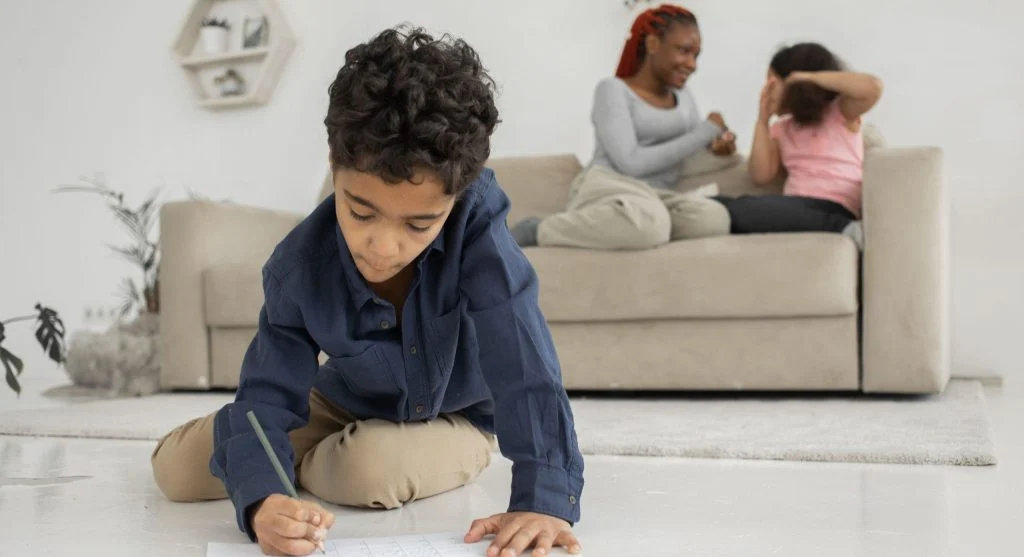
Daily routines give children many chances to build confidence because they repeat often. A child may succeed by carrying a backpack to the door, putting dirty clothes in the hamper, checking one homework folder, or helping set the table. These moments are small, but their repeated nature makes them powerful.
Home routine experts often note that children need small successes in family life because repeated success changes how children see themselves. A child who regularly completes one part of the routine often begins to feel more responsible and more included in the household. That sense of belonging can strengthen motivation as much as praise does.
What happens when children get too little experience with success
When routines feel mostly corrective, children may begin to expect failure. Some become avoidant, others become frustrated quickly, and some stop trying before a task really begins. This does not always mean the child lacks ability. Sometimes it means the child has had too few recent experiences of manageable success.
Family wellness professionals often explain that children need small successes to balance correction and effort. If the child hears mostly what went wrong, confidence may weaken even when real strengths are present. Small successes help restore emotional balance by giving the child more evidence of capability.
How adults can create more opportunities for small successes
Adults often help most by adjusting the size of the task, not only by increasing encouragement. A child may do better with one shelf to clean instead of the whole room, one morning step instead of the full routine, or one math problem at a time instead of the whole page. These changes often make success more reachable without lowering expectations in an unhealthy way.
Experts in child development often recommend noticing where the child can already succeed with support and building from there. Children need small successes that feel real, not artificial. The best opportunities usually come from ordinary tasks that match the child’s current skill level closely enough to allow progress.
Why small successes matter even when the goal is independence
Some adults worry that making tasks smaller means lowering standards too much. In many cases, the opposite is true. Breaking a task into reachable parts often helps children become more independent because they gain practice without feeling overwhelmed. The child is still moving toward the larger goal, but with enough support to stay engaged.
Family communication experts often explain that children need small successes on the way to independence because confidence and responsibility usually grow together. When the child experiences repeated competence, adult reminders often become less necessary over time.
How small successes shape long-term growth
Over time, many small wins create a stronger pattern of self-belief. A child who experiences success in routines, learning, social interaction, and problem-solving often develops more patience with hard tasks and more willingness to recover after mistakes. The gains may look small day to day, but they accumulate in important ways.
Experts in child development often explain that children need small successes not because they should avoid hard things, but because these moments prepare them to face hard things more effectively. Small successes help build the emotional and practical base that larger growth depends on later.
Frequently Asked Questions
Q: Why do children need small successes?
A: Children need small successes because repeated manageable wins help build confidence, persistence, and a stronger sense of personal capability.
Q: How do small successes help child confidence?
A: Small successes help child confidence by showing children that their effort leads to progress in daily life, which strengthens trust in their own abilities.
Q: Do small successes matter more than big achievements?
A: Big achievements can matter, but small successes often shape daily confidence more because they happen more often and build a steady foundation for growth.
Q: How can families create more small successes at home?
A: Families often create more small successes by breaking tasks into manageable steps, using routines, and giving children repeated chances to complete realistic parts of everyday responsibilities.
Key Takeaway
Children need small successes because these repeated moments build confidence, persistence, and a stronger sense of personal ability over time. Daily routines often provide the best opportunities for these wins because they happen often enough to shape real growth. Family experts usually recommend making tasks manageable rather than waiting only for major achievements. Over time, small successes can make children more willing to try, recover, and grow in healthy ways.