8 Simple Family Traditions That Help Children Feel More Secure at Home
May 31, 2026
0
Family traditions that help children feel more secure do not need to be large, expensive, or highly planned. In many homes, the most meaningful traditions are small repeated
Family traditions that help children feel more secure do not need to be large, expensive, or highly planned. In many homes, the most meaningful traditions are small repeated moments that children can count on. These familiar patterns often tell children that family life is steady, predictable, and safe even when the rest of the week feels busy.
Family experts often explain that emotional security grows through repeated experiences of connection. Children usually feel calmer when they know that certain good moments return again and again. That is why simple family traditions can matter so much. They support emotional security at home by making family connection easier to recognize and trust.
Why small family traditions matter so much to children
Adults sometimes think traditions only matter when they are tied to holidays, birthdays, or major events. Children often experience traditions differently. Small weekly or daily rituals can become just as meaningful because they create familiarity inside ordinary life. A repeated family moment tells the child, “This belongs to us, and it happens again.”
Child development specialists often note that predictability helps children feel safer because it lowers uncertainty. When a child knows that a certain meal, walk, conversation, or activity usually happens, the week often feels more stable. Family traditions that help children feel more secure usually work because they keep connection visible and repeatable.
1. A weekly breakfast that feels the same in a good way
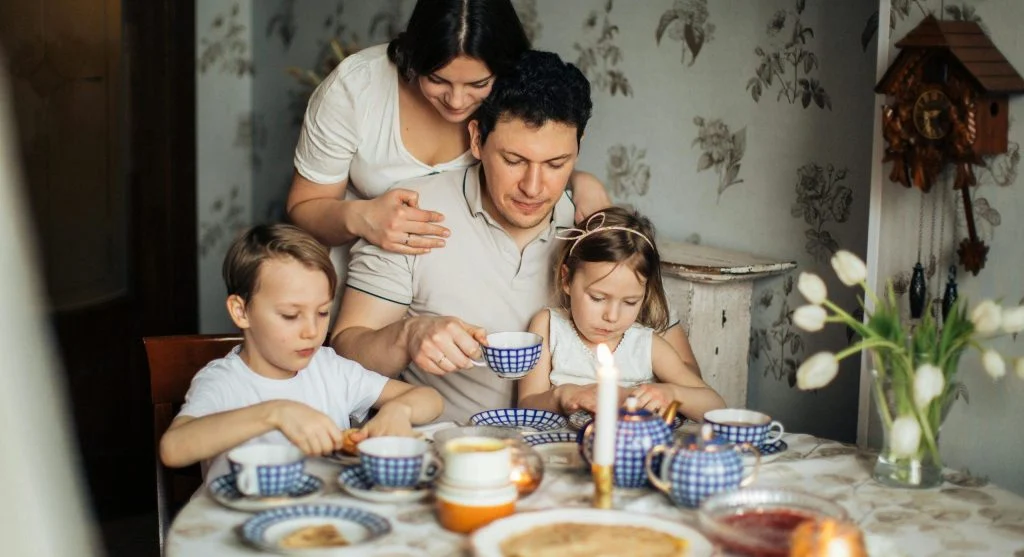
One of the easiest family traditions that help children feel more secure is a simple weekly breakfast with a familiar rhythm. This could be pancakes on Saturday, eggs together on Sunday, or one calm morning meal that everyone recognizes as part of family life. The food matters less than the steady feeling around it.
Family relationship experts often explain that children notice repeated emotional patterns more than adults expect. A breakfast that feels relaxed and familiar can become a strong signal that the family reconnects each week in a dependable way.
2. A short bedtime phrase or ritual that repeats each night
Bedtime traditions often support emotional security more than families realize. A repeated phrase, song, prayer, short back rub, or goodnight routine can help children feel that the day ends in a familiar and caring way. This kind of ritual does not need to be long to matter.
Experts in bedtime routines often note that children usually settle more easily when the end of the day follows a predictable emotional pattern. A familiar bedtime ritual often becomes one of the strongest family traditions that help children feel more secure because it happens so often.
3. A family check-in at the same time each week
A short weekly check-in can help children feel that their thoughts and schedules matter inside family life. This might happen at dinner, during a weekend reset, or before the week begins. Families can talk about what is coming up, what felt hard, and what everyone is looking forward to.
Family communication experts often explain that traditions do not always have to be playful to feel meaningful. A repeated check-in supports family connection by helping children feel included and informed. That sense of being part of the family flow can increase emotional security in quiet but powerful ways.
Some of the most useful family traditions that help children feel more secure happen right after school. A snack together, a short walk, ten quiet minutes on the couch, or one repeated question about the day can help children feel that home is a place where they reconnect and reset.
After-school support specialists often explain that children usually benefit from knowing what the first part of home life feels like. A repeated connection habit makes the transition out of school less abrupt and often lowers emotional stress before the rest of the evening begins.
5. A family movie or reading night with a familiar rhythm
A weekly movie night or reading night can become a strong emotional anchor for children. The exact activity matters less than the rhythm around it. Maybe blankets come out, popcorn is made, lights are dimmed, or one chapter book is read aloud together. These repeated details help the tradition feel like it belongs to the family.
Family wellness professionals often note that repeated cozy traditions support security because they make home feel emotionally predictable. Children often remember the mood and repetition of these moments long after the details change.
6. A simple goodbye routine before school or work
Traditions do not need to happen only when everyone is home. A repeated goodbye routine can also matter. A hug, wave through the window, short phrase, or high-five at the door can help children feel connected even during separation. This is especially helpful for children who are sensitive to transitions.
Child development professionals often explain that predictable goodbye rituals help children manage separation with more confidence. A small repeated routine can reassure the child that leaving is part of a steady pattern and that connection continues even when people part for the day.
7. A weekend reset that includes children in a calm way
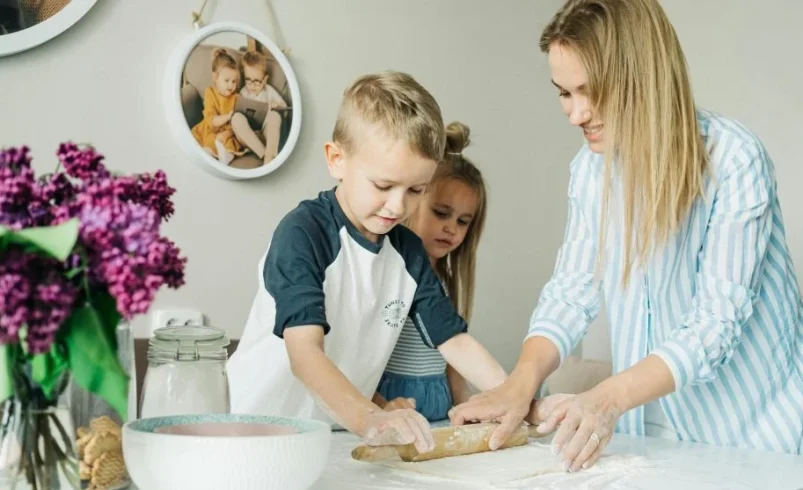
A weekend reset can become one of the more practical family traditions that help children feel more secure. Families might straighten one room, line up school items, check the calendar, and prepare for the week together. When done calmly, this kind of tradition supports both family connection and household predictability.
Home routine experts often explain that children feel more secure when they can see how the family prepares for the week instead of being surprised by it. A repeated reset tradition helps the child feel that the home has a pattern and that the family handles life together.
Children often feel more secure when families notice ordinary effort, not only major success. A tradition of celebrating one good effort from the week, one kind act, or one thing learned can help children feel seen in a steady way. This might happen during dinner, at bedtime, or during a weekly family moment.
Experts in child confidence often explain that children benefit when home feels like a place where growth is noticed consistently. Small celebrations can become traditions that strengthen both emotional security and family identity over time.
How families can choose traditions that actually last
The best family traditions that help children feel more secure are usually the ones families can repeat without strain. Traditions do not need to be original or impressive. They need to fit the household’s real schedule, energy, and values. A smaller tradition that lasts is often much more meaningful than a larger one that disappears quickly.
Family experts often recommend starting with one or two simple traditions and repeating them enough that children begin to expect them. That repetition is what gives traditions their emotional power. Security usually grows when children know that family connection is not random. It returns in familiar ways.
Frequently Asked Questions
Q: What family traditions help children feel more secure?
A: Family traditions that help children feel more secure often include repeated bedtime rituals, weekly meals, family check-ins, after-school connection time, and other predictable shared moments.
Q: Why do traditions matter so much to children?
A: Traditions matter because they create predictability, emotional connection, and a sense that family life has steady patterns children can count on.
Q: Do family traditions need to be big or special events?
A: No, many of the most meaningful family traditions are small repeated routines that happen during ordinary daily or weekly life.
Q: How can families start traditions without making life more stressful?
A: Families often do best by choosing one or two simple traditions that fit their real routine and repeating them consistently before adding more.
Key Takeaway
Family traditions that help children feel more secure are usually small repeated moments that make home life feel steady, connected, and predictable. Bedtime rituals, weekly meals, after-school habits, and simple family check-ins often build emotional security more than adults expect. The most helpful traditions are usually the ones families can repeat easily and calmly. Over time, these familiar patterns can help children trust that family connection remains steady through ordinary life.