Why Simple Homework Spaces Often Help Children Stay More Organized
June 1, 2026
0
Simple homework spaces often help children stay more organized because they reduce the number of things competing for attention. Many children come home from school already carrying mental
Simple homework spaces often help children stay more organized because they reduce the number of things competing for attention. Many children come home from school already carrying mental fatigue, unfinished thoughts, and the pressure of one more task. If the homework area is crowded, noisy, or full of extra materials, the child may struggle before the work even begins.
Family experts often explain that learning at home works better when the environment makes it easier to start. A child does not always need a large study room or expensive furniture. In many homes, a simple homework space with clear materials, fewer distractions, and a repeated routine helps more than a complicated setup. Understanding why simple homework spaces matter can help families support stronger organization and calmer school habits at home.
Why simple homework spaces often work better than busy ones
Adults sometimes assume that a strong homework setup should include many supplies, decorations, bins, and extra learning tools. In reality, too much visual information can make it harder for children to focus on the task in front of them. What looks inspiring to an adult may feel distracting to a child who is already trying to manage attention after a long day.
Child development specialists often note that children stay more organized when the environment gives clear signals about what matters right now. A simple homework space usually works because it keeps the child’s attention on the current assignment instead of asking the brain to sort through many unrelated items at once.
How simple homework spaces support learning at home
Learning at home often depends on routines that reduce decision-making. If the child knows where homework happens, where pencils belong, and where finished work goes, the routine becomes easier to repeat. A simple homework space supports this by giving the child one clear place to settle into school tasks after coming home.
Experts in school readiness often explain that children usually do better when the homework area feels familiar and easy to use. The child should not need to search for paper, move piles of random items, or clear space each time homework begins. When the setup is already ready, the child is more likely to begin with less delay.
Why organization improves when the space stays visually calm
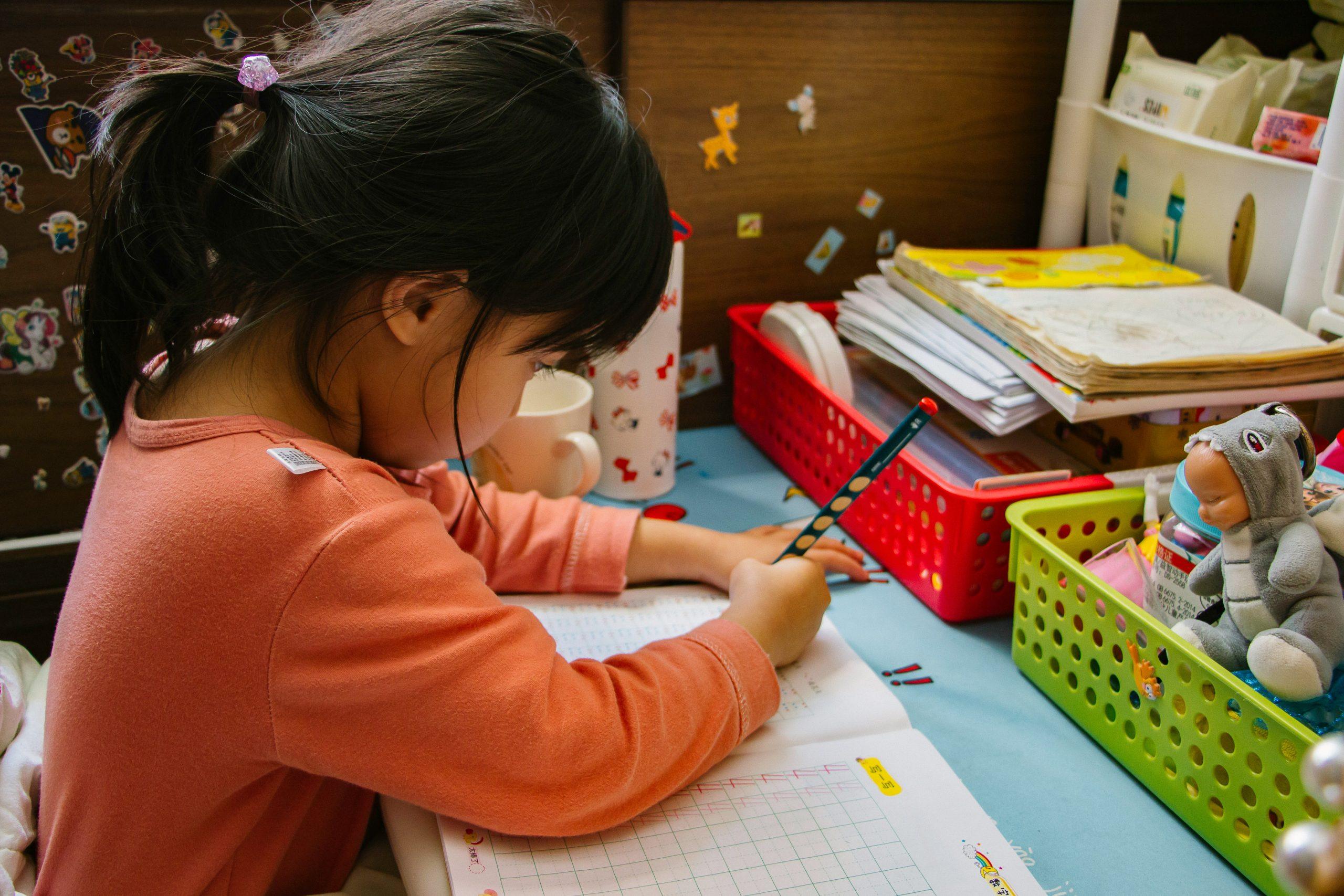
Visual clutter often creates hidden stress. Papers stacked in several places, toys nearby, extra art supplies, and unrelated objects on the table can all make homework feel more difficult than it really is. Children may become distracted, overwhelmed, or slower to begin because the space itself feels busy.
Family therapists often explain that simple homework spaces help children stay more organized by lowering that background stress. A calm space tells the child what the area is for. It also makes it easier for adults to notice whether the child needs support with the work instead of support with managing the environment first.
How simple homework spaces make task initiation easier
Starting homework is often the hardest part of the whole routine. A child may avoid beginning because the brain feels tired, the assignment feels large, or the after-school transition still feels incomplete. If the environment also feels complicated, the child may delay even more.
Experts in homework habits often note that simple homework spaces reduce the size of the first step. The child can sit down, see the needed materials, and start. This matters because task initiation often improves when the setup feels manageable. A simpler environment can make the work feel more possible before the first question is even answered.
Why children often stay more organized with fewer materials in sight
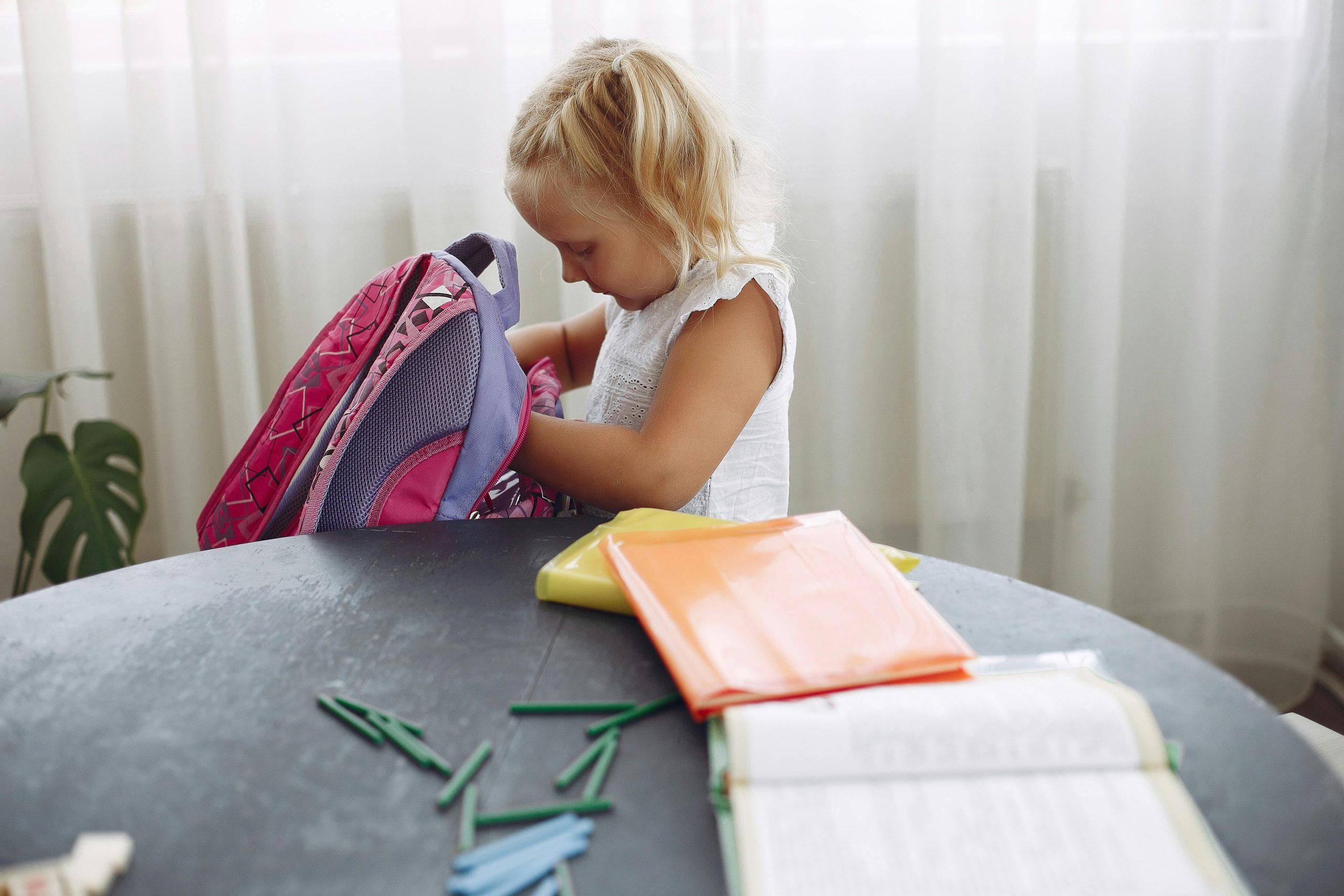
Some children work better when only the current materials are visible. One folder, one notebook, one pencil, and one assignment may be enough for the moment. Extra books, extra worksheets, or many loose items can make organization harder because the child has to decide what belongs and what can be ignored.
Home organization experts often explain that simple homework spaces help children stay more organized because fewer materials create fewer choices. This saves mental energy for the learning task itself. The goal is not to remove all supplies. The goal is to keep only the needed supplies visible at the time they are needed.
What family experts often recommend for better homework spaces
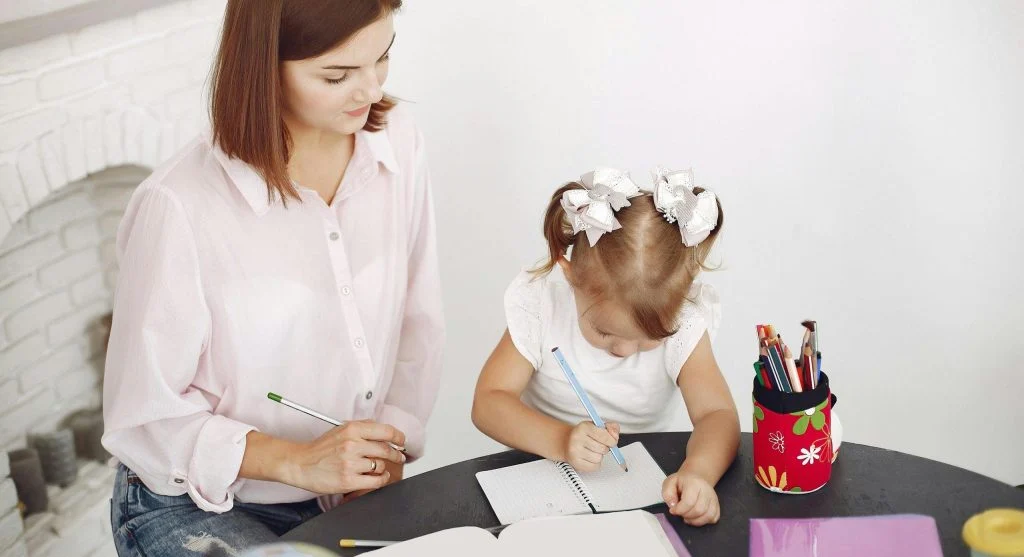
Family experts often recommend a flat surface, a comfortable chair, good light, and a small set of essential supplies. The setup does not need to be permanent in every home. A kitchen table can work well if the routine is clear and the space is reset before homework begins. What matters most is consistency and ease of use.
Experts in learning at home also often recommend one clear place for finished papers, one place for school materials, and one repeated start time when possible. These supports help the child understand that homework is not happening in random conditions each day. That predictability often improves both organization and follow-through.
Why the best homework spaces match real family life
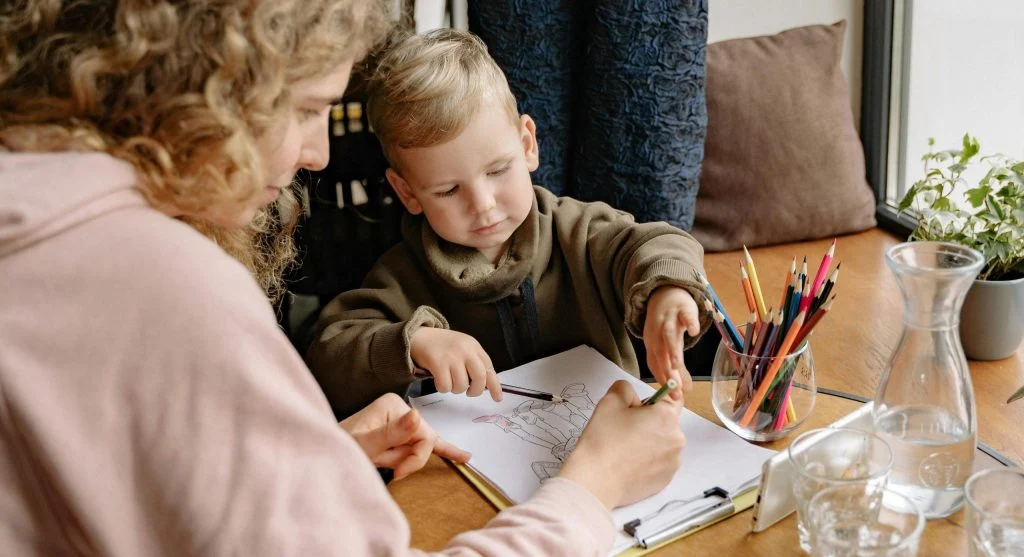
Not every home has a separate study room, and many children complete homework in shared spaces. A simple homework space can still work well in a living room corner, dining area, or kitchen table if the routine is thoughtful. Families often do better when they choose the most realistic option rather than trying to copy a picture-perfect setup that does not match daily life.
Family wellness professionals often note that simple homework spaces help children stay more organized when they fit the household’s actual rhythm. A homework space should be easy to prepare, easy to use, and easy to reset. A small workable system often helps more than a larger one that is difficult to maintain.
What often weakens homework organization at home
Homework organization often becomes harder when the child uses a different place every day, when materials move from room to room, or when the homework area is also a heavy toy or screen zone. The routine can also weaken when papers pile up, pencils disappear, or the child never knows where finished work belongs.
Experts in school support often recommend looking at the full pattern. If homework always begins with searching, clutter, or delay, the setup may need adjustment before the child’s motivation is blamed. In many cases, the problem is not that the child refuses organization. The problem is that the space itself is not supporting it well enough.
Most children do not become organized overnight. Still, a simpler homework setup can make daily improvement easier to notice. The child may begin with fewer delays, lose fewer papers, or settle into the routine with less conflict. These smaller gains often matter because they reduce stress for the whole family.
Family experts often explain that simple homework spaces support long-term learning by making organization part of daily life rather than a separate lesson. Over time, children often grow more confident when they know where to begin, what to use, and how to move through homework with less confusion.
Frequently Asked Questions
Q: Why do simple homework spaces help children stay more organized?
A: Simple homework spaces help children stay more organized because they reduce distractions, lower visual clutter, and make it easier to find the materials needed for the current task.
Q: Does a child need a separate study room for homework?
A: No, many children do well with a simple and consistent homework spot such as a table or quiet corner, as long as the setup is clear and easy to use.
Q: What should be in a simple homework space?
A: A simple homework space often works best with a flat surface, chair, good light, and only a few essential school materials kept within easy reach.
Q: How can families improve homework organization at home?
A: Families often improve homework organization by keeping the space consistent, reducing clutter, using clear storage for school items, and resetting the area regularly.
Key Takeaway
Simple homework spaces often help children stay more organized because they make learning at home easier to start and easier to manage. A clear surface, fewer visible materials, and a repeated routine often reduce stress more than a complicated setup. Families usually do not need a perfect study room to support strong homework habits. Over time, a simple homework space can make school routines feel calmer and much more workable.