What to Do When a Child Wants an Adult to Watch Every Small Thing
- July 23, 2026
- 0
“Watch me jump.” “Look at this line.” “Did you see how fast I did that?” “Come here and watch me put the piece in.” A child may ask

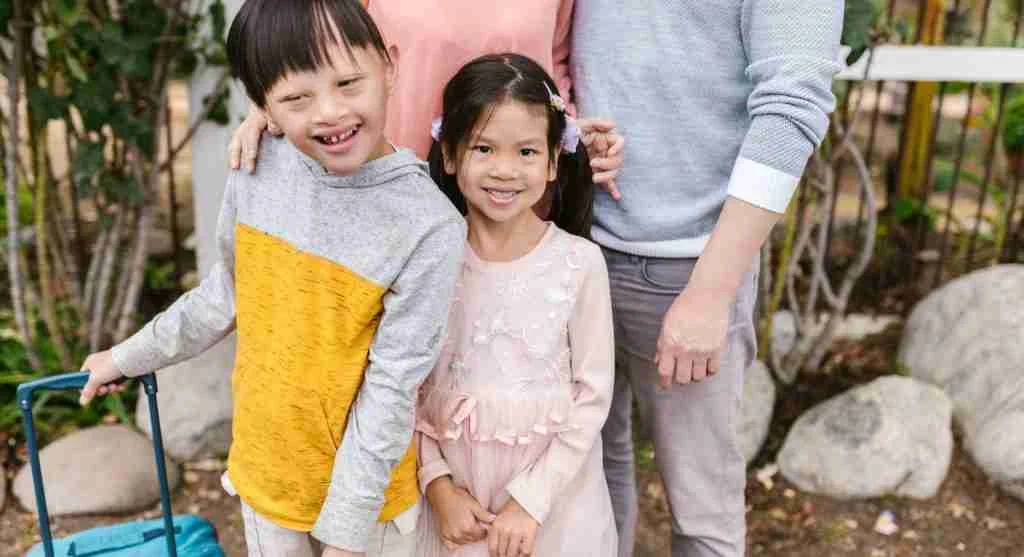
“Watch me jump.” “Look at this line.” “Did you see how fast I did that?” “Come here and watch me put the piece in.” A child may ask
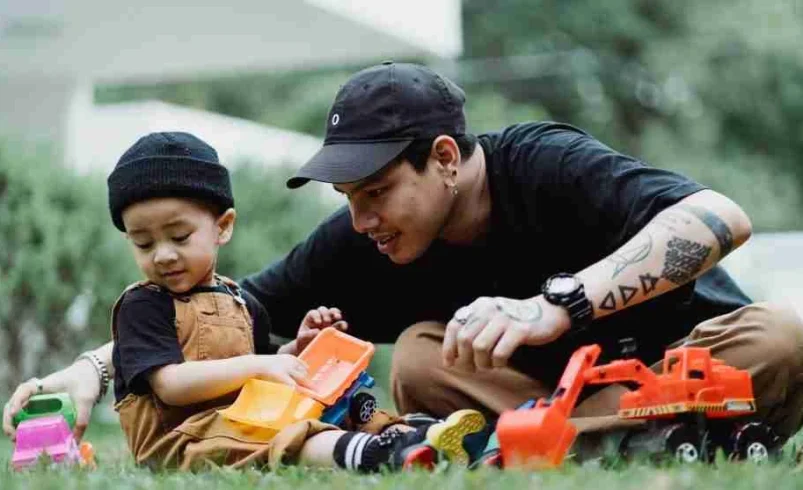
“Watch me jump.” “Look at this line.” “Did you see how fast I did that?” “Come here and watch me put the piece in.” A child may ask an adult to observe activities that seem ordinary, repetitive, or already mastered. The requests can arrive while the parent is cooking, working, speaking to someone else, or trying to complete a basic household task.
At first, the behavior may feel sweet. The child wants to share excitement and include the adult. After the twentieth request, however, parents may feel pulled in too many directions. They may wonder why the child cannot simply play, draw, climb, build, or practice without an audience.
A child who wants an adult to watch everything is not always seeking praise or trying to interrupt. The request may be about connection, reassurance, confidence, shared excitement, or checking whether a new skill is safe. Understanding the purpose behind the request helps parents respond without giving constant attention or dismissing a genuine need.
Children do not always ask directly for closeness. Instead of saying, “I want to feel connected to you,” they invite the adult into an activity. The jump, drawing, block tower, dance move, or funny face becomes a reason to share a moment. What the child is doing may matter less than the fact that the parent is present to witness it.
This can explain why a child repeats the same action after receiving praise. The child may not need another opinion about the jump. The child may want the feeling created by shared attention to continue. Parents can acknowledge both parts by saying, “You wanted me to see what you made,” rather than offering only a quick “Good job.” The response recognizes the invitation, not just the result.
Children often notice their own growth through the reactions of trusted adults. A child who finally balances on one foot, writes a difficult letter, climbs one step higher, or remembers a full sequence may want confirmation that the change truly happened.
Adult attention acts like a marker: this skill is new, important, and worth remembering. The child may ask several people to watch because each response strengthens the sense of achievement.
This need is especially common when the child has worked hard privately. The final action may look small to the parent, but it may represent many earlier attempts that no one saw.
Some “watch me” requests are really “Tell me whether this is safe.” A child preparing to climb, jump, cut, pour, balance, or try unfamiliar equipment may feel uncertain.
The child may not ask for help because help would reduce the sense of independence. Asking the adult to watch provides a safety net without fully handing over the task.
Parents can respond clearly: “I will watch this first attempt,” or “I can stand nearby, but that surface is not safe for jumping.” The adult’s role becomes specific rather than unlimited.
A child may perform more successfully when another person is watching. The presence of an adult can help the child remember the steps, stay focused, or finish an action.
This may happen during dressing, packing, practicing an instrument, cleaning, building, or completing a small responsibility. The child appears capable but repeatedly checks whether the adult is still present.
The attention works like an external anchor. It helps the child hold the task in mind. Gradually reducing that support can build independence more effectively than suddenly expecting the child to manage alone.
Parents may respond automatically with “Amazing,” “Perfect,” or “You are so talented.” The child then repeats the behavior and asks to be watched again.
General praise does not always answer the child’s real question. The child may want to know whether the adult truly looked, what changed, or which part was noticed.
A brief observation can feel more genuine:
Specific attention often communicates, “I actually saw you,” without turning every moment into exaggerated praise.

If an adult regularly stops everything whenever the child says “watch me,” the request may become the child’s standard way of beginning an activity.
The child learns that adult observation is part of the action. Building starts only when someone sits nearby. Drawing is interrupted after every mark. Outdoor play becomes a series of performances rather than self-directed exploration.
This pattern does not mean the child is manipulative. It means the response has become predictable. Changing it requires a new predictable pattern rather than repeated irritation.
Children may ask constantly when adult attention feels scattered and uncertain. A parent is physically nearby but repeatedly checking messages, moving between tasks, or responding with half attention.
A short period of focused observation can sometimes reduce repeated bids. The parent might say, “I can watch for five minutes, and then I need to finish cooking.”
During those minutes, the adult watches without multitasking. When the period ends, the boundary is repeated calmly. This gives the child a reliable moment of connection without promising continuous availability.
Some children ask adults to watch every stage of a drawing, structure, trick, or project. This can interrupt both the child’s concentration and the parent’s work.
The adult can invite a later reveal: “Keep working, and show me when the tower reaches the top of your chair,” or “Bring me the drawing when you have finished this section.”
The child still receives an audience, but the activity gains a period of independent effort. The boundary works best when the parent follows through and looks when the agreed point arrives.
When a child repeats the same jump, spin, throw, or trick, an open-ended response may create frustration. A clear limit is easier to understand.
A parent might say, “I will watch three jumps,” or “Show me your two best versions.” The child knows exactly how much attention is available and can decide how to use it.
After the final turn, the parent can state, “I am done watching now. You can keep practicing.” The child may protest, but the limit is concrete rather than personal.
Immediate sharing is not always possible. Parents may be driving, on a work call, helping a sibling, or handling something hot or sharp.
Children can learn to save the idea for later. They might place the finished object on a “show later” shelf, make a quick picture reminder, or tell the parent, “I have something to show you after dinner.”
This skill helps children tolerate delay without feeling that the moment has disappeared. It also teaches that another person’s attention can be dependable without being instant.
When the same activity appears again and again, parents can shift from evaluating to asking one thoughtful question.
For example:
These questions help the child notice personal goals rather than depending only on adult approval. The child begins thinking about the process from the inside.
A child may rely on adults to decide whether something was successful. Parents can gradually return some of that judgment.
After watching, ask, “What did you notice?” or “Which part are you most pleased with?” The child may initially respond, “I do not know,” especially if adults usually provide the evaluation.
Parents can offer a starting frame: “I noticed you stayed balanced longer. What did you notice?” Over time, the child may become more able to recognize effort, change, and satisfaction independently.
Comments such as “You always need an audience” or “Not everything is about you” may stop the request temporarily, but they can also make the child feel embarrassed for seeking connection.
The need can be accepted even when the request cannot be granted. A parent can say, “You really want me to watch, and I am busy right now. I can look when I finish this task.”
This response protects the relationship while keeping the boundary.
Children often notice when an adult says “I saw it” without looking. Pretending may save a few seconds, but it can increase future checking. The child asks again because the first response did not feel real.
It is better to be honest: “I missed that one. I can watch once after I put this down,” or “I cannot watch right now.”
Reliable honesty helps children understand that attention has limits but is genuine when it is given.
Sometimes the child does not need eye contact throughout the activity. The child simply wants the adult nearby.
A parent can say, “I will sit here and fold laundry while you practice,” or “You can build beside me while I answer these messages.”
This gives the child connection through shared space while reducing the expectation that every movement will be observed. Parallel presence can be a useful step between full attention and independent activity.
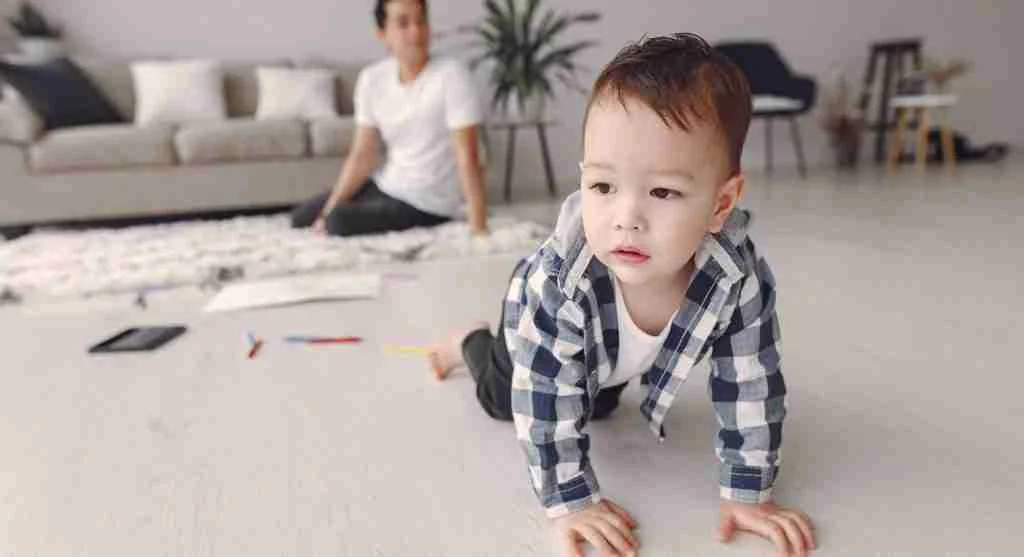
Requests to be watched often increase when a parent is helping a sibling, speaking with another adult, or caring for a baby. The child may be checking whether there is still room for connection.
Parents can name the sequence: “I am helping your brother for five minutes. Then I will watch one thing you choose.”
A visible timer may help younger children understand the delay. The parent should avoid repeatedly resetting the timer unless something urgent happens, because unreliable waiting periods can increase demands.
The pattern may become stronger after school, during family changes, following a parent’s busy work period, or after the child has spent more time away from home.
In those situations, the requests may be less about the individual activity and more about reconnecting. A brief shared snack, conversation, walk, or play period may meet the larger need more effectively than responding to twenty separate demonstrations.
Patterns help parents decide whether the child mainly needs skill-building, reassurance, or more predictable connection.
Some tasks help children judge success without adult evaluation. A puzzle piece fits, a paper airplane flies, a marble reaches the end of a track, or a block structure remains standing.
These activities can strengthen confidence because the result itself gives information. The adult may still show interest, but the child does not need someone else to confirm every outcome.
Parents can also ask children to compare attempts: “Which airplane went farther?” or “What made this bridge stronger?” The focus moves from being watched to noticing how the activity works.
A child may demand attention while adults are talking, working, or handling another responsibility. The parent can use one consistent interruption rule. The child might place a hand gently on the parent’s arm and wait for acknowledgment. The parent can respond with a hand signal that means, “I know you are waiting.”
When the adult becomes available, the child should receive the promised turn. The system fails if waiting is acknowledged but regularly forgotten. Urgent needs require a separate rule. Children should know which situations justify immediate interruption, such as injury, danger, or a serious problem.
There are times when watching is genuinely important. A child may be attempting a new physical skill, using unfamiliar materials, asking for feedback on a school task, or recovering confidence after a frightening mistake.
Parents should not withhold necessary supervision in the name of independence. The question is whether the child needs safety, instruction, reassurance, or simply a permanent audience.
Once the true need is identified, the adult can provide the right amount of support.
Frequent “watch me” requests are common, especially in younger children. Additional guidance may help when the child cannot play or complete ordinary tasks without continuous adult observation, becomes extremely distressed when attention shifts, or regularly disrupts school and family functioning to regain an audience.
Closer attention may also be useful when the behavior appears alongside intense fear of mistakes, major separation worries, sudden changes in confidence, or a strong need for reassurance across many settings. A teacher, pediatric professional, school counselor, or qualified child specialist may help families understand whether anxiety, attention differences, recent stress, or another need is contributing to the pattern.
Children do not usually become independent because adults stop watching all at once. Independence grows when support becomes predictable, limited, and gradually less necessary. A parent watches the first attempt, then checks after three more. The adult sits nearby, then moves to another room. The child shows every stage, then learns to present the finished result. The adult offers an observation, then asks the child to evaluate personal progress.
These small shifts teach an important lesson: connection remains available even when the child is not being watched every second.
Q: Why does my child ask me to watch everything?
A: The child may be seeking connection, reassurance, safety, recognition of a new skill, help staying focused, or confirmation that an effort was successful.
Q: Should parents watch every time a child asks?
A: No. Parents can offer short periods of focused attention, set clear limits, and arrange a later time to see the finished activity.
Q: How can parents reduce repeated “watch me” requests?
A: Use specific limits, such as watching three attempts, asking the child to show the finished result, or offering a dependable time after the current task.
Q: Is wanting to be watched a sign of low confidence?
A: Sometimes, but not always. Children may also be excited, seeking connection, checking safety, or enjoying the shared experience of being witnessed.
Q: When should families seek extra support?
A: Support may help when the child cannot function without constant observation, experiences severe distress when attention shifts, or shows strong anxiety across several settings.
When a child wants an adult to watch everything, the request may represent connection, confidence, safety, or a need for help staying engaged. Parents can respond warmly without becoming a permanent audience by offering short periods of full attention, setting specific watching limits, delaying demonstrations reliably, and asking children to notice their own progress. Independent confidence grows most steadily when children know connection remains available even when every action is not being observed.