
Why Children Say They Are Fine When They Are Clearly Upset
- June 9, 2026
- 0
Many parents know this moment well. A child is quieter than usual, slams a drawer, avoids eye contact, or tears up over something small. When an adult gently

Many parents know this moment well. A child is quieter than usual, slams a drawer, avoids eye contact, or tears up over something small. When an adult gently

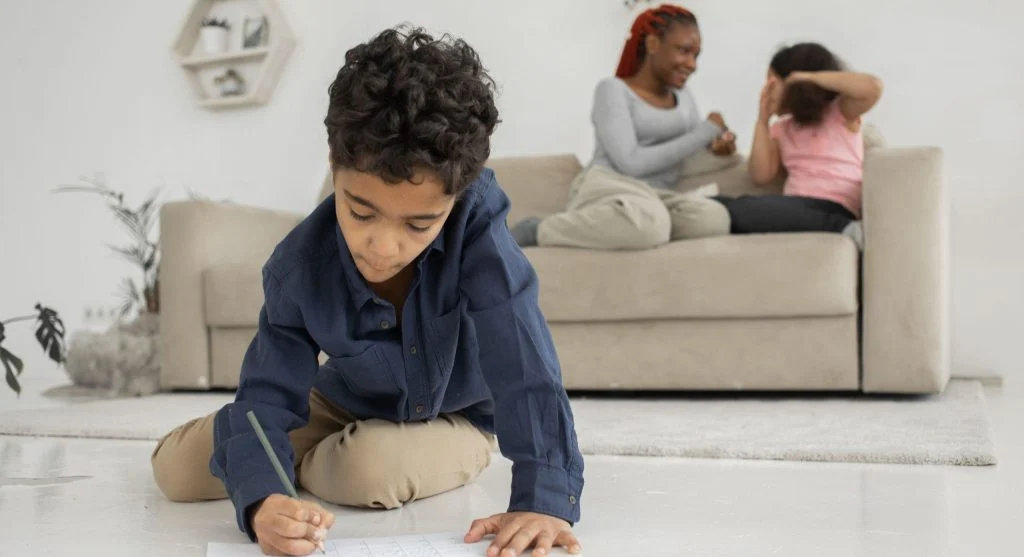
Many parents know this moment well. A child is quieter than usual, slams a drawer, avoids eye contact, or tears up over something small. When an adult gently asks what is wrong, the answer comes back quickly: “I’m fine.” The words say one thing, but the child’s face, body, and tone seem to say something very different.
Family experts often explain that when children say they are fine while clearly upset, they are not always trying to be dishonest. In many cases, they are trying to protect themselves, buy time, avoid pressure, or manage a feeling they do not yet know how to explain. Understanding this pattern can help parents respond in a way that protects trust instead of turning the moment into a struggle.
Adults usually think of emotional honesty as saying directly what is wrong. Children do not always have that ability in the moment. A child may know something feels bad, unfair, embarrassing, or frustrating without having the language to describe it clearly. Saying “I’m fine” can become a quick way to close the conversation before the child feels even more exposed.
Child development specialists often note that emotional awareness and emotional expression grow at different speeds. A child may feel a strong emotion long before being able to organize it into words. That gap is one reason children often deny distress even while clearly showing it.
Talking about hurt feelings can feel risky. A child may worry about getting in trouble, sounding dramatic, or losing control by crying. Some children do not want attention placed on their feelings at all, especially if the emotion is connected to embarrassment, friendship trouble, or a mistake they made themselves.
Experts in emotional development often explain that children say they are fine because “fine” feels safer than saying “I felt left out,” “I am embarrassed,” or “I think I failed.” The simpler answer protects them from opening the feeling before they are ready.
Sometimes a child is not refusing to share forever. The child is refusing to share right now. If the question comes during a hard transition, in front of siblings, right after school, or in the middle of frustration, the child may not have enough emotional space to speak honestly yet. The pressure of the moment itself can make openness less likely.
Family therapists often note that children say they are fine when upset because the adult’s question arrives before the child has had time to settle. The child may need distance from the event first, not because the parent did anything wrong, but because the feeling is still too active.

Embarrassment often creates emotional shutdown faster than sadness or frustration alone. A child who had a difficult moment with friends, got corrected in class, or made a public mistake may not want to revisit the event right away. Even a caring question can feel like a spotlight on the exact thing the child is trying not to relive.
Experts in family relationships often explain that embarrassment makes children more likely to minimize. Instead of saying, “Something happened and I feel bad,” they may act annoyed, go quiet, or insist everything is normal. The denial is often less about hiding the truth and more about escaping the feeling.
Not every child says “I’m fine” only for self-protection. Some children are highly aware of adult reactions. They may worry that sharing will upset a parent, start a long conversation, or create more household tension. These children often learn to shorten emotional moments quickly, even when they still need support.
Family communication experts often note that children sometimes hide feelings because they do not want to become the center of stress. In those homes, the child may seem mature on the surface while quietly carrying too much inside.
When adults know a child is upset, it is natural to keep asking questions. Yet repeated pressure can make the child close down more. A child who says “I’m fine” may feel cornered if the adult immediately responds with several more questions, a doubtful tone, or visible frustration.
Experts often explain that children usually become more guarded when they feel the adult is trying to pull the feeling out before they are ready. Even accurate adult insight can feel intrusive if it arrives too quickly and too strongly.
Family experts often recommend acknowledging what you notice without forcing a full confession. A parent might say, “You do not seem like yourself right now,” or “You look upset, and I’m here when you want to talk.” This lets the child know the feeling was seen, while still leaving room for the child to choose when to open up.
This kind of response often protects trust because it combines awareness with respect. The child does not have to perform emotional honesty on command in order to feel supported.
Children may deny feelings with words while expressing them through behavior. They may move more slowly, react more sharply, cling more, withdraw from conversation, or overreact to a smaller problem. These indirect signs often show that the feeling is real, even when the child cannot yet name it.
Child behavior specialists often note that adults help most when they pay attention to patterns, not only direct statements. If a child says “I’m fine” but clearly acts distressed, the behavior may be carrying the message the words are not ready to hold yet.

Many children talk more once the emotional temperature drops. This may happen during bedtime, in the car, while drawing, on a walk, or during an ordinary side-by-side activity. The child may need the topic to feel less direct and the connection to feel less intense before words start coming more easily.
Experts in parent-child trust often explain that children do not always open up best in formal conversations. They often speak more honestly during ordinary moments where the pressure to explain everything has softened.
Children usually become more emotionally direct when they repeatedly experience adults as calm, steady, and non-shaming. If they learn that upset feelings can be noticed without immediate pressure, corrected without humiliation, and discussed without drama, they often become more willing to speak honestly sooner.
Family experts often explain that the goal is not to force instant openness every time. The goal is to create a relationship where the child eventually feels safe enough to move from “I’m fine” to something more real. That usually happens through many small respectful responses, not one perfect conversation.
Q: Why do children say they are fine when they are clearly upset?
A: Children often say they are fine because they feel vulnerable, need more time, do not yet have the words, or want to avoid pressure in the moment.
Q: Should parents keep asking questions if the child clearly is not fine?
A: Usually it helps more to acknowledge what you notice and stay available rather than pushing for immediate answers with repeated questions.
Q: Does saying “I’m fine” mean a child is being dishonest?
A: Not always. In many cases, it means the child is overwhelmed, embarrassed, or not ready to explain the feeling clearly yet.
Q: When are children more likely to talk honestly after saying they are fine?
A: Many children open up later when the moment is calmer, such as at bedtime, during a walk, in the car, or while doing a quiet activity.
When children say they are fine while clearly upset, the response is often more about protection than defiance. Families usually help most by noticing gently, reducing pressure, and staying available for the later conversation. Over time, calm and respectful responses can make children feel safer sharing what is really wrong.