Why Children Suddenly Care More About Being Included in Group Activities
July 4, 2026
0
Many parents notice a stage that seems to appear almost overnight. A child who once moved easily between activities or played happily on their own suddenly becomes much
Many parents notice a stage that seems to appear almost overnight. A child who once moved easily between activities or played happily on their own suddenly becomes much more concerned about being invited, chosen, included, or welcomed into group activities. Missing out on a birthday invitation, not being picked for a team, or feeling left out during recess can suddenly seem far more upsetting than it did before.
Child development specialists explain that this change is usually a normal part of growing up rather than a sign of oversensitivity. As children mature, friendships and peer relationships begin carrying greater emotional importance. Group experiences become one of the places where children explore confidence, belonging, and identity. Understanding this stage can help parents respond with empathy and perspective.
Why Belonging Matters More as Children Grow
Young children often join and leave play without giving it much thought. As they get older, however, they become increasingly aware of social dynamics. They begin noticing who receives invitations first, who seems to have many friends, who leads activities, and who is left out.
Child development experts often explain that children care more about being included because their sense of identity gradually expands beyond the family. Friendships and peer groups become important places where children measure connection, acceptance, and emotional security.
How School Makes Inclusion More Noticeable
School naturally places children into group situations every day. Whether during class, lunch, sports, or free play, children constantly observe friendship patterns. They notice who chooses whom, who sits together, and who seems to fit easily into social groups. Even in supportive classrooms, these everyday interactions become highly visible.
Professionals who study school-age development explain that regular exposure to peer groups makes social belonging feel much more concrete. Children no longer simply wonder whether others like them—they begin paying attention to where they seem to fit within the group.
Why Being Left Out Feels So Personal
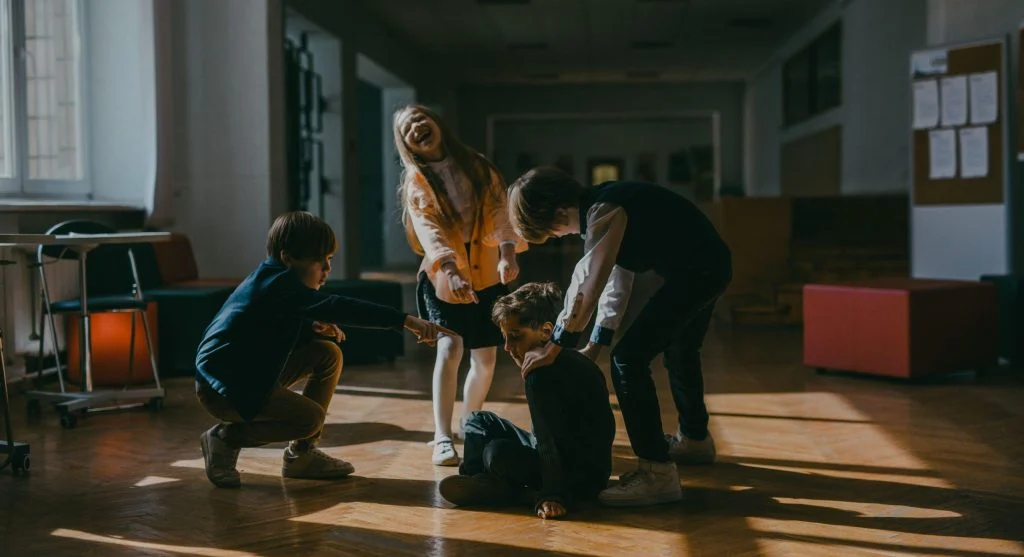
Parents are sometimes surprised by how strongly children react to being excluded from a game, party, conversation, or team.
To adults, the event may seem relatively small. To the child, however, it can feel like evidence about personal worth or social acceptance. Instead of thinking, “I missed one activity,” children may begin wondering, “Does this mean people don’t want me?”
Family therapists often explain that as children’s social awareness grows, exclusion becomes more emotionally meaningful. The experience can feel deeply personal, even when it was unintentional or temporary.
How Comparing Themselves With Others Changes Everything
As children become more socially aware, they also begin comparing themselves with classmates and friends.
They notice who seems popular, who gets invited often, who becomes team captain, or who easily joins conversations. These comparisons can make ordinary peer experiences feel much more emotionally significant.
Experts in child confidence explain that the desire for belonging and the habit of comparison often develop together. Children are not simply looking for friends—they are also trying to understand where they fit within their social world.
Why Some Children Feel Exclusion More Deeply
Not every child experiences social situations in the same way.
Some children recover quickly after feeling left out, while others continue thinking about the experience long afterward. Personality, emotional sensitivity, previous friendship experiences, and confidence all influence how strongly children react.
Child behavior specialists explain that children who are naturally observant, relationship-focused, or emotionally sensitive may experience exclusion much more intensely than children who are less affected by social changes.
How Belonging Shapes Confidence
Feeling accepted by peers often supports growing confidence.
Children who feel welcomed into groups may become more relaxed, willing to participate, and comfortable meeting new people. On the other hand, repeated uncertainty about belonging can make children more cautious, quieter, or quicker to expect rejection.
Family wellness experts often explain that social belonging acts as an important emotional resource. Feeling included encourages confidence, while repeated feelings of exclusion may increase self-doubt.
Why Children May Not Talk About It Directly
Many children do not simply say, “I feel left out.”
Instead, they talk about who got invited, who chose whom during games, or who sat together at lunch. Others become unexpectedly negative about school or certain classmates without fully understanding why.
Family communication specialists often explain that children may describe events rather than emotions. Parents often learn more by noticing repeated patterns than by waiting for children to clearly explain how they feel.
What Family Experts Recommend
Many parenting professionals encourage adults to take children’s feelings seriously without immediately trying to solve every social problem.
Listening carefully, acknowledging disappointment, and gently naming emotions often help children feel understood. Parents also play an important role in reminding children that one disappointing social experience does not define who they are or determine future friendships.
Experts frequently recommend helping children separate individual events from their overall sense of self-worth.
Although caring deeply about inclusion can be painful, it also supports important social development. Through friendships and group experiences, children gradually learn how to join conversations, recover from disappointment, understand social cues, build relationships, and become more resilient. These lessons are not always comfortable, but they contribute to long-term social confidence.
Child development specialists explain that the goal is not to stop children from caring about belonging. Instead, it is to help them develop perspective, resilience, and confidence while navigating the normal ups and downs of friendship.
When Parents May Want to Pay Closer Attention
Becoming more concerned about belonging is a normal developmental stage for many children. However, parents may want additional support if a child becomes consistently withdrawn, unusually self-critical, or deeply distressed by ordinary friendship disappointments. Persistent sadness, avoidance of social situations, or ongoing hopelessness about friendships deserve closer attention.
Professionals encourage parents to look at the bigger picture. Most children continue seeking friendships, recovering after disappointments, and enjoying positive social experiences alongside difficult ones. When social struggles begin shaping a child’s entire self-image, additional support may be beneficial.
Frequently Asked Questions
Q: Why do children suddenly care so much about being included?
A: Children often care more about inclusion as they grow because peer groups become a bigger part of identity, comparison, and emotional belonging.
Q: Is it normal for children to feel very upset about being left out?
A: Yes, it can be very normal, especially during the school years when children become more aware of friendship, group position, and social meaning.
Q: How can parents help when a child feels excluded?
A: Parents often help most by listening calmly, naming the feeling, and helping the child keep one social moment in perspective without dismissing the pain.
Q: Does caring about group inclusion mean a child is insecure?
A: Not necessarily. In many cases, it reflects normal social development and a growing awareness of friendship, belonging, and peer life.
Key Takeaway
When children begin caring more about being included in group activities, they are usually experiencing a normal stage of social development rather than becoming overly sensitive. As friendships grow in importance, moments of inclusion and exclusion naturally carry greater emotional weight. Parents can support this stage by listening with empathy, helping children build resilience, and reminding them that one difficult social experience never defines their worth or their future relationships. Over time, these experiences become valuable opportunities for developing confidence, stronger friendships, and lasting social skills.